
Unlock Gansu's Secrets: When Does the Silk Road Province Truly Shine?
Your essential guide to Gansu's weather, revealing the perfect season for your unforgettable China adventure.
Are you dreaming of tracing the ancient Silk Road through Gansu, marveling at otherworldly desert landscapes, vibrant rainbow mountains, and millennia-old cultural treasures? Planning your journey requires insight into Gansu's diverse and often dramatic weather patterns. Understanding the climate month-by-month is key to ensuring your exploration of this vast northwestern Chinese province is comfortable, safe, and truly spectacular.
This guide provides a comprehensive look at Gansu's weather throughout the year, helping you pinpoint the ideal time for your visit based on reliable climate information and travel expertise.
Essential Insights for Planning Your Gansu Trip
- Spring (March-May) and Autumn (September-October): These seasons are widely considered the best times to visit Gansu, offering mild temperatures, clear skies, and stunning natural beauty without the extremes of summer heat or winter cold.
- Diverse Climates: Gansu's vast territory spans different climate zones, from arid deserts in the north (Dunhuang, Jiayuguan) to alpine conditions in the south (Gannan). Weather varies significantly by region.
- Prepare for Fluctuations: Regardless of the season, expect significant temperature differences between day and night and strong sunshine due to the high altitude and continental climate. Layering clothing is crucial.
Why Explore the Wonders of Gansu?
A Crossroads of Culture and Nature
Gansu Province served as a vital corridor on the ancient Silk Road, connecting China with Central Asia and beyond. This historical significance has endowed the region with an incredible wealth of cultural sites, while its unique geography offers breathtaking natural scenery. Planning your visit around the optimal weather conditions enhances the experience of exploring these key attractions:
- Mogao Caves (Dunhuang): Home to one of the world's most important collections of Buddhist art. Comfortable weather in spring and autumn makes exploring these grottoes more pleasant.
- Zhangye Danxia National Geopark: Famous for its "Rainbow Mountains," the vibrant colors are best appreciated under the clear skies typical of spring and autumn.
- Jiayuguan Pass: The western end of the Great Wall of China and a formidable ancient fortress, best explored in mild weather.
- Labrang Monastery & Gannan Tibetan Autonomous Prefecture: Experience Tibetan culture amidst stunning alpine grasslands, particularly lush and vibrant during the summer months.
- Crescent Lake (Dunhuang): An oasis jewel surrounded by massive sand dunes, magical at sunrise or sunset, but requires preparation for desert conditions.
Understanding Gansu's climate is the first step towards unlocking the magic of these diverse destinations.
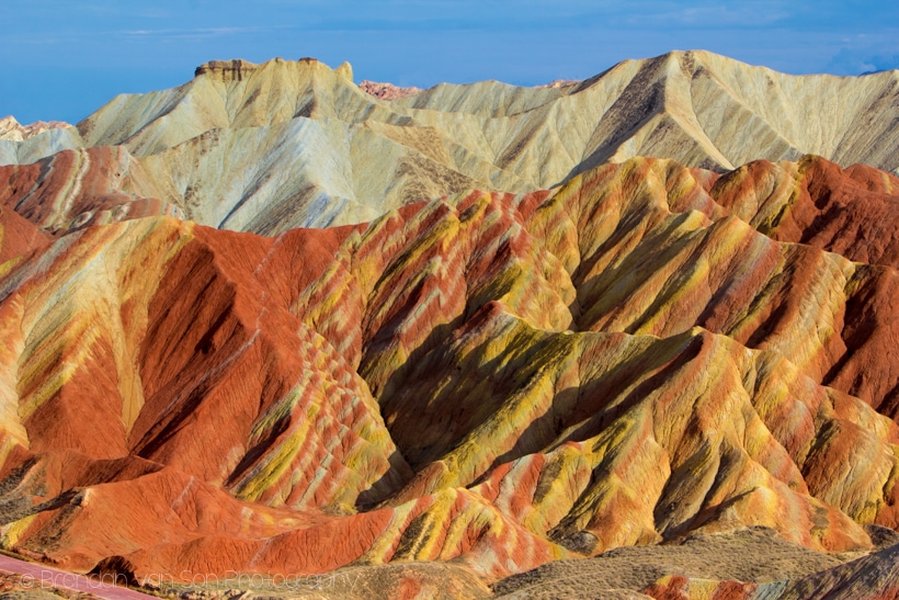
The stunning "Rainbow Mountains" of Zhangye Danxia National Geopark, best viewed in good light.
Understanding Gansu's Climate: A Land of Contrasts
Dry Conditions and Temperature Swings
Gansu's climate is predominantly continental, characterized by arid or semi-arid conditions, scarce rainfall, and abundant sunshine. Its location between the Tibetan, Loess, and Mongolian plateaus contributes to significant variations:
- Dryness: Annual precipitation is low, with most rain (around 70%) occurring during the summer months, often as brief, intense thunderstorms.
- Temperature Extremes: There's a large difference between daytime and nighttime temperatures, often exceeding 15°C (27°F). Summers can be warm to hot, while winters are typically long, cold, and harsh.
- Sunshine: Expect strong ultraviolet radiation year-round due to high altitude and clear skies. Sun protection is essential.
- Regional Diversity: Southern Gansu (Gannan) experiences a more alpine or sub-tropical monsoon influence, making it cooler and wetter than the arid Hexi Corridor in the north (Dunhuang, Jiayuguan, Zhangye).
The annual average temperature for the province ranges broadly from 0°C to 14°C (32°F to 57°F), highlighting the need for season-specific planning.
Decoding the Best Time to Visit Gansu
Spring and Autumn: The Sweet Spots
The consensus among travel experts points to Spring (March to May) and Autumn (September to early November) as the most favorable periods for visiting most parts of Gansu. During these shoulder seasons, the weather is generally mild and pleasant, creating ideal conditions for sightseeing, hiking, and exploring the historical wonders along the Silk Road.
- Spring: Witness nature awakening with blooming wildflowers and greening landscapes. Temperatures gradually warm up, and crowds are typically smaller than in summer.
- Autumn: Enjoy comfortable daytime temperatures, crisp air, clear blue skies, and stunning golden foliage, especially in mountainous areas. This season is often considered perfect for desert exploration and photography.
While summer offers unique attractions like the lush Gannan grasslands, it coincides with peak tourist season and potentially uncomfortable heat in desert regions. Winter presents challenges due to severe cold, although it offers solitude and lower prices.
Gansu Through the Seasons: A Detailed Guide
Spring (March - May): Awakening Landscapes
Weather Overview
Spring marks a transition from the harsh winter. Temperatures steadily rise, ranging from 5°C to 20°C (41°F to 68°F) on average across the province, though nights remain cool. Precipitation is generally low, and sunshine increases. March can still be quite chilly, especially early on, while May offers consistently pleasant conditions.
Attractions and Activities
This is an excellent time for exploring Silk Road sites like the Mogao Caves and Jiayuguan Pass before the summer heat arrives. Lanzhou's parks, such as White Pagoda Mountain Park, come alive with blossoms. In Zhangye, the Danxia landforms are vibrant under the spring sun. It's a great season for photography and enjoying nature's revival with fewer tourists than in peak summer.
Travel Tips
Pack layers, including a warm jacket for evenings and early mornings. Be prepared for occasional windy days. The pleasant weather makes it suitable for moderate hiking and city exploration.
Summer (June - August): Green Grasslands and Warm Days
Weather Overview
Summer brings the warmest temperatures, typically ranging from 18°C to 28°C (64°F to 82°F) in many areas, though desert locations like Dunhuang can get hotter. This season also sees the majority of Gansu's annual rainfall, often occurring as afternoon showers or thunderstorms. Humidity increases slightly, especially in the south.
Attractions and Activities
Summer is the prime time to visit the Gannan Tibetan Autonomous Prefecture. The grasslands (like Sangke) are at their most lush and green, dotted with wildflowers and grazing yaks. Labrang Monastery is vibrant with activity. While desert areas can be hot, early morning or late evening visits to sites like Crescent Lake are still possible. This is peak tourist season, so expect more crowds and higher prices for accommodation and tours.
Travel Tips
Pack light clothing, but include rain gear and layers for cooler evenings or higher altitudes. Sunscreen, sunglasses, and hats are crucial. Book accommodations and transportation well in advance. Stay hydrated, especially in arid regions.

Summer attracts visitors to desert adventures near Dunhuang, though heat management is key.
Autumn (September - November): Golden Hues and Clear Skies
Weather Overview
Often cited as the most beautiful season, autumn brings comfortable temperatures ranging from 10°C to 20°C (50°F to 68°F) in September and October, cooling down significantly in November. Skies are typically clear and blue, with low humidity and minimal rainfall, providing excellent visibility.
Attractions and Activities
This is arguably the best time for a comprehensive Silk Road journey. The weather is perfect for exploring Dunhuang's Mogao Caves and desert landscapes, Jiayuguan Pass, and the vibrant colors of Zhangye Danxia. Mountainous regions display stunning golden autumn foliage. Photography conditions are ideal. Crowds thin out after China's National Day holiday in early October.
Travel Tips
Pack layers, including sweaters and a jacket, especially for November. The dry air persists, so lip balm and moisturizer are useful. Enjoy the comfortable conditions for longer outdoor excursions.
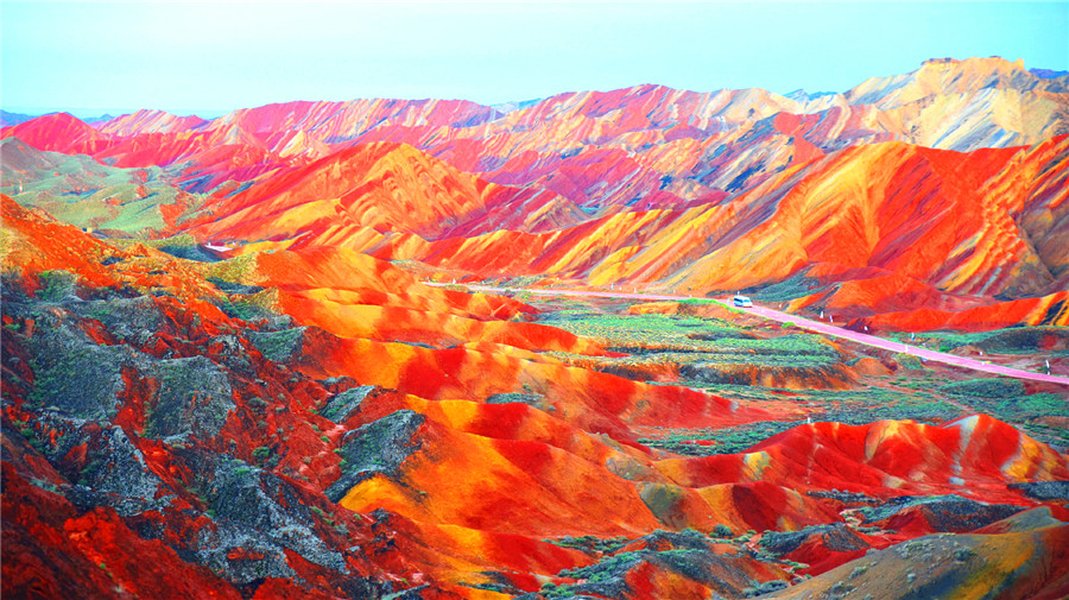
Autumn offers ideal conditions for appreciating the scale and color of Zhangye Danxia.
Winter (December - February): Cold, Quiet, and Crisp
Weather Overview
Winter in Gansu is long, cold, and dry. Average temperatures often drop below freezing, ranging from -7°C to 3°C (19°F to 37°F), with January being the coldest month. Snowfall is possible, especially in mountainous areas and the Gannan region, but generally precipitation is very low. Strong winds can add to the chill factor.
Attractions and Activities
While challenging, winter offers a unique perspective. Tourist sites like the Mogao Grottoes remain open and are virtually crowd-free, allowing for a more intimate experience. Lanzhou's museums provide indoor cultural exploration. Some find a stark beauty in the snow-dusted landscapes. It's the low season, meaning significantly lower prices for travel and accommodation.
Travel Tips
Pack serious winter gear: thermal underwear, down jackets, hats, gloves, scarves, and warm boots. Be prepared for potential travel disruptions due to weather. Focus on indoor attractions or short outdoor excursions during the warmer midday hours. Stay hydrated despite the cold, as the air is very dry.
Gansu Monthly Weather at a Glance
This table provides a snapshot of average temperatures and general conditions across Gansu to help with finer planning. Note that these are averages, and conditions can vary significantly by region and year.
| Month | Avg. High (°C) | Avg. Low (°C) | Avg. High (°F) | Avg. Low (°F) | Key Characteristics |
|---|---|---|---|---|---|
| January | 3°C | -7°C | 37°F | 19°F | Coldest month, dry, potential snow, harsh conditions. |
| February | 6°C | -4°C | 43°F | 25°F | Still very cold, dry, windy. Quiet season. |
| March | 12°C | 0°C | 54°F | 32°F | Spring begins, warming trend, still chilly nights, low rain. |
| April | 19°C | 5°C | 66°F | 41°F | Pleasant, mild, blooming flowers, good for travel. |
| May | 24°C | 10°C | 75°F | 50°F | Warm and comfortable, stable weather, prime travel time. |
| June | 27°C | 14°C | 81°F | 57°F | Summer starts, warm/hot, increased rain (showers), Gannan greenest. |
| July | 29°C | 16°C | 84°F | 61°F | Hottest month, possible thunderstorms, peak tourist season. |
| August | 28°C | 15°C | 82°F | 59°F | Warm/hot, humid (relative), summer travel peaks. |
| September | 23°C | 10°C | 73°F | 50°F | Autumn begins, pleasant cooling, clear skies, ideal for Silk Road. |
| October | 17°C | 4°C | 63°F | 39°F | Cool and crisp, golden landscapes, excellent travel month. |
| November | 10°C | -2°C | 50°F | 28°F | Cooling rapidly, dry, prepare for cold, fewer tourists. |
| December | 4°C | -6°C | 39°F | 21°F | Winter sets in, cold, dry, potential snow. Low season. |
Note: Temperatures are indicative province-wide averages and can vary significantly, especially between northern desert regions and southern alpine areas.
Comparing Gansu Travel Seasons
Choosing the best time to visit Gansu involves balancing various factors like weather comfort, scenery, crowds, and cost. This chart provides a comparative overview of the seasons based on key travel considerations. Higher scores indicate more favorable conditions for that factor.
As the chart illustrates, Spring and Autumn generally offer the best balance across most factors, particularly weather pleasantness and suitability for activities. Summer boasts peak scenery in certain areas (like Gannan) but comes with higher crowds and costs. Winter is ideal for budget travelers seeking solitude but requires significant preparation for the cold.
Visualizing Your Gansu Trip Planning
Planning a trip involves considering multiple elements simultaneously. This mindmap outlines the key factors to weigh when deciding on the best time for your Gansu adventure, connecting seasons, weather characteristics, attractions, and practical considerations.
Mild temps, flowers bloom
Fewer crowds initially"] id1_1_2["Summer (Jun-Aug)
Warm/Hot, Gannan greenest
Peak season, rainy"] id1_1_3["Autumn (Sep-Nov)
Cool/Pleasant, golden colors
Ideal for Silk Road"] id1_1_4["Winter (Dec-Feb)
Cold/Harsh, dry
Low season, quiet sites"] id1_2["Weather Considerations"] id1_2_1["Temperature
(Day/Night Variation)"] id1_2_2["Precipitation
(Mostly Summer)"] id1_2_3["Sunshine & UV
(Strong Year-Round)"] id1_2_4["Regional Differences
(Desert vs. Alpine)"] id1_3["Key Attractions"] id1_3_1["Mogao Caves (Dunhuang)"] id1_3_2["Zhangye Danxia"] id1_3_3["Jiayuguan Pass"] id1_3_4["Gannan Grasslands"] id1_3_5["Crescent Lake"] id1_4["Activities"] id1_4_1["Sightseeing & Culture"] id1_4_2["Hiking & Outdoors"] id1_4_3["Photography"] id1_4_4["Desert Adventures"] id1_5["Practicalities"] id1_5_1["Crowd Levels"] id1_5_2["Travel Costs"] id1_5_3["Packing Needs"] id1_5_4["Health & Safety"]
Use this map to connect your interests and priorities with the seasonal characteristics of Gansu, helping you build the perfect itinerary.
Experience Gansu's Natural Beauty: Sangke Grasslands
While many associate Gansu with deserts and mountains, the southern Gannan region offers a completely different landscape, especially vibrant in summer. The Sangke Grasslands, near Xiahe and the famous Labrang Monastery, showcase rolling green hills, traditional Tibetan culture, and nomadic life. This video offers a glimpse into the serene beauty of this area, illustrating why summer is the peak season for visiting Gansu's alpine meadows.
Visiting Gannan in summer allows travelers to experience the grasslands at their most picturesque, often coinciding with local festivals. However, remember that even summer evenings can be cool at this altitude, so packing layers remains important.
Essential Travel Tips for Gansu
Regardless of when you decide to visit, keep these practical tips in mind for a smoother journey through Gansu:
- Layer Your Clothing: Due to large diurnal temperature ranges, dressing in layers is essential year-round. You might need a t-shirt during the day and a warm jacket at night, even in summer.
- Protect Yourself from the Sun: Gansu's high altitude and clear skies mean strong UV radiation. Always use high-SPF sunscreen, wear sunglasses, and a wide-brimmed hat.
- Stay Hydrated: The climate is generally very dry. Drink plenty of water throughout the day to avoid dehydration, especially in desert areas and at higher elevations.
- Prepare for Altitude: Parts of Gansu, particularly the Gannan region, are at high altitude. Allow time to acclimatize, avoid strenuous activity upon arrival, and consider consulting a doctor about altitude sickness prevention (e.g., Rhodiola supplements, mentioned by some sources).
- Pack Accordingly: Besides layered clothing, essentials include comfortable walking shoes, lip balm, moisturizer, basic medications, and any personal necessities. Rain gear is advisable for summer.
- Book in Advance (Peak Season): During summer (June-August) and early autumn (September-early October), especially around national holidays, book flights, trains, and accommodations well in advance.
- Transportation: Gansu is vast. Plan your transportation carefully. High-speed trains connect major cities like Lanzhou, Zhangye, and Jiayuguan. For more remote areas like Dunhuang or Gannan, consider flights, long-distance buses, or hiring a car with a driver/joining a tour.
- Respect Local Cultures: Gansu is home to various ethnic groups, including Hui Muslims and Tibetans (in Gannan). Be respectful of local customs, traditions, and religious sites. Dress modestly when visiting monasteries or mosques.
Frequently Asked Questions about Visiting Gansu
What is the absolute best month to visit Gansu?
While subjective, September and May often emerge as top choices. September offers pleasant temperatures, clear skies, and beautiful autumn colors, ideal for the Silk Road. May provides comfortable spring weather, blooming nature, and avoids the peak summer crowds and heat.
How cold does it get in winter? Is travel possible?
Winter (December-February) is severely cold, with average lows well below freezing (-5°C / 23°F or colder) and daytime highs often struggling to get much above freezing. Travel is possible, especially to major cities and indoor attractions like museums and the Mogao Caves (which are quieter), but requires extensive preparation with very warm clothing. Some remote areas or high-altitude passes might be inaccessible due to snow or ice.
Is Gansu suitable for family travel?
Yes, Gansu can be suitable for families, especially during the milder spring and autumn seasons. Attractions like the Rainbow Mountains, desert experiences (camel riding near Dunhuang), and historical sites can be fascinating for older children. However, consider the long travel distances between sights, the dry climate, potential altitude effects (in Gannan), and the need for sun protection. Planning a well-paced itinerary with varied activities is key.
What should I pack specifically for Gansu's climate?
Key items include: layers of clothing (t-shirts, long sleeves, fleece/sweater, windproof/waterproof outer jacket), comfortable walking shoes, sun hat, sunglasses, high-SPF sunscreen, lip balm, moisturizer, personal medications, reusable water bottle, and potentially motion sickness remedies if sensitive, due to long bus rides on some routes.
Recommended Further Reading
Explore deeper into planning your Gansu adventure with these related topics:
- Discover a detailed Silk Road itinerary focusing on Gansu's historical highlights.
- Explore the must-see attractions and experiences in the oasis city of Dunhuang.
- Learn about traveling to the unique Gannan Tibetan Autonomous Prefecture in southern Gansu.
- Get tips for capturing the best photos of the stunning Zhangye Danxia Rainbow Mountains.
References
Last updated April 28, 2025