
Unlock Xinjiang's Secrets: When is the Absolute Best Time to Visit?
Your definitive guide to timing your Xinjiang adventure perfectly for weather, scenery, and cultural experiences.
Xinjiang, China's vast and captivating northwestern frontier, beckons travelers with its dramatic landscapes – from the sprawling Taklamakan Desert to the majestic Tianshan Mountains – and its rich tapestry of cultures woven along the ancient Silk Road. Home to diverse ethnic groups like the Uyghur, Kazakh, and Kyrgyz peoples, Xinjiang offers a unique blend of natural beauty and vibrant traditions. However, timing your visit is crucial to fully appreciate all it has to offer. While technically accessible year-round, the period between May and October emerges as the undisputed champion, offering the most comfortable weather, peak scenic beauty, lively festivals, and optimal access to the region's myriad attractions.
Highlights
- The Sweet Spot: Understand why May to October offers the best combination of pleasant weather, accessible landscapes, and vibrant cultural experiences across Xinjiang.
- North vs. South Strategy: Discover the ideal timings for exploring Northern Xinjiang's natural wonders (June-September) versus Southern Xinjiang's cultural hubs (best enjoyed May-October).
- Planning is Key: Grasp the importance of logistics, including transportation choices, booking ahead, and cultural considerations for navigating this vast and diverse region effectively.
Why May to October Reigns Supreme for Xinjiang Travel
Choosing the right time to visit Xinjiang can significantly impact your experience. The May to October window stands out for several compelling reasons, transforming a potentially challenging trip into an unforgettable adventure.
Unpacking the Ideal Climate Window
Xinjiang experiences a temperate continental climate characterized by significant temperature variations – both seasonally and daily. Winters are long and bitterly cold, especially in the north, while mid-summer can bring scorching heat to areas like Turpan. The May to October period largely avoids these extremes.
- Pleasant Temperatures: During these months, average temperatures generally range from a mild 10-15°C (50-59°F) in May, warming up to 20-30°C (68-86°F) in July and August, and cooling down to a comfortable 13-23°C (55-73°F) in September and 5-14°C (41-57°F) in October. This makes outdoor activities and sightseeing much more enjoyable.
- Manageable Conditions: While summer sees the warmest weather, it's also when the northern grasslands are at their greenest. Autumn (September-October) boasts clear skies and crisp air, often considered the most pleasant season overall.
- Diurnal Swings: Be prepared for significant temperature differences between day and night, especially in desert areas and at higher altitudes. Packing layers is essential regardless of the month within this window.
Aligning Your Trip with Peak Scenery & Activities
This period isn't just about comfortable weather; it's when Xinjiang's diverse landscapes are at their most spectacular and accessible.
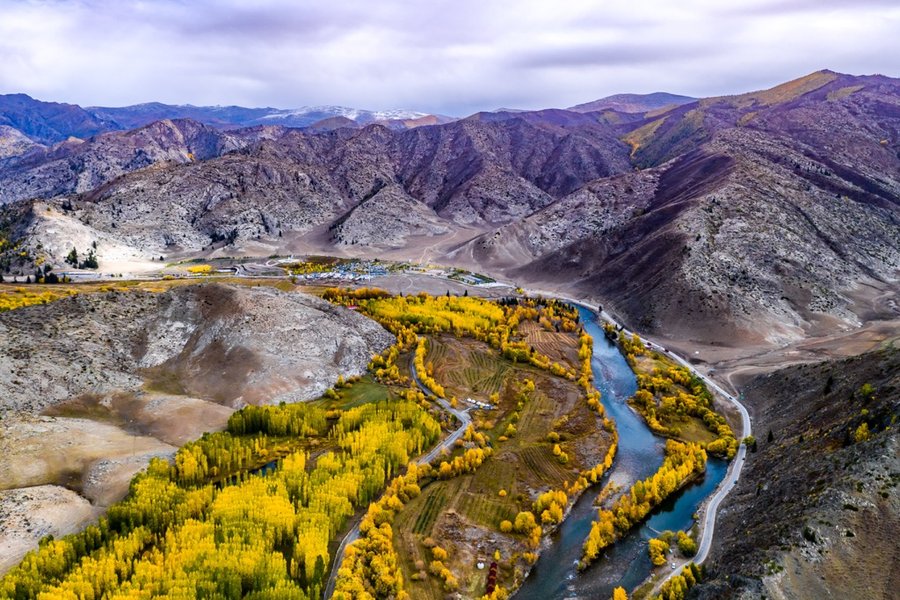
Hemu Village showcases the stunning alpine beauty accessible during peak season.
Northern Xinjiang's Natural Wonders (June - September)
Often hailed for its breathtaking natural beauty, Northern Xinjiang truly comes alive in the summer months. This is the prime time for:
- Lush Grasslands: Explore the vibrant green expanses of Naratay (Nalati) Grassland and Bayanbulak Grassland, dotted with yurts and grazing livestock.
- Alpine Lakes: Witness the stunning turquoise waters of Kanas Lake and Sayram Lake, often surrounded by wildflowers in early summer.
- Outdoor Adventures: Conditions are ideal for hiking, camping, horseback riding, and photography amidst dramatic landscapes like the Five-colored Beach and the Dushanzi Grand Canyon.
- Ili Valley: Catch the tail end of spring or early summer (around June) to potentially see the famous lavender fields near the Ili River Valley in bloom.
Southern Xinjiang's Cultural Tapestry (Best within May - October)
While accessible for a longer period (roughly March to October), the May-October window provides the most comfortable conditions for delving into the rich history and culture of Southern Xinjiang:
- Kashgar Exploration: Wander through the ancient alleyways of Kashgar Old City, experience the bustle of the Sunday Bazaar, and visit the impressive Id Kah Mosque.
- Silk Road Heritage: Discover ancient Silk Road cities and ruins near Turpan, including the Jiaohe and Gaochang ruins, the Bezeklik Thousand Buddha Caves, and the ingenious Karez irrigation system.
- Desert Adventures: While summers can be intensely hot, the shoulder seasons (May-June, Sep-Oct) offer better conditions for exploring the edges of the vast Taklamakan Desert.
Autumn's Golden Hues (Late September - October)
For many photographers and scenery lovers, autumn is the ultimate time to visit Xinjiang. Late September and especially the first half of October offer:
- Spectacular Foliage: Witness the transformation of forests, particularly the poplar (Populus euphratica) forests in areas like Tarim, into vibrant shades of gold and red. Kanas Lake is also famed for its autumn colors.
- Clear & Crisp Weather: Enjoy generally dry, sunny days with excellent visibility, perfect for sightseeing and capturing stunning landscape photos. Temperatures are cool and comfortable for exploring cities and cultural sites.
- Harvest Season: Experience local harvest festivals and enjoy an abundance of fresh fruits like grapes and melons, particularly around Turpan.
Xinjiang Month-by-Month: Tailoring Your Adventure
To help you pinpoint the perfect time for your specific interests, here’s a more detailed breakdown of what to expect month by month during the optimal May-October travel window.
Your Detailed Seasonal Planner
This table provides a quick overview of typical conditions and highlights across Xinjiang during the peak travel season. Remember that conditions can vary significantly between the north, south, and eastern regions.
| Month | Avg. Temp Range (°C) | Weather Highlights | Key Regions/Activities | Notes/Tips |
|---|---|---|---|---|
| May | 10-20°C (50-68°F) | Spring blooms, warming temperatures, generally pleasant. | Southern Xinjiang (Kashgar, Turpan - apricot blossoms), Eastern Xinjiang. Start of grassland greening in North. | Good shoulder season. Avoid May 1-3 holiday crowds if possible. Pack layers. |
| June | 15-25°C (59-77°F) | Warmer, grasslands greening up, long daylight hours. Possible mountain showers. | Northern Xinjiang (Naratay, Sayram Lake opening up), Ili Valley (lavender peak). South & East still pleasant. | Start of peak season for North. Book ahead. |
| July | 20-30°C+ (68-86°F+) | Warmest month, peak green in North, fruit ripening (melons, grapes). Hot in Turpan Basin. | Northern Xinjiang (Kanas, hiking, camping), Grasslands. Cultural sites in South (early mornings best). | Peak tourist season. Can be crowded. Stay hydrated. |
| August | 20-30°C (68-86°F) | Similar to July, continued warmth, lush landscapes in North. Fruit season continues. | Northern Xinjiang remains prime. Southern Xinjiang cultural exploration. | Still peak season. Book everything well in advance. |
| September | 13-23°C (55-73°F) | Cooling down, comfortable temperatures, clear skies, start of autumn colors. | Excellent all-rounder: North (hiking, early foliage), South (culture), East (Turpan pleasant). Photography paradise. | Considered by many the best overall month. Less rain. |
| October | 5-14°C (41-57°F) | Cool and crisp, peak autumn foliage (esp. first half), dry weather. Nights get cold. | Northern Xinjiang (Kanas for colors - check closure dates mid-month), Southern Xinjiang (deserts, culture), Turpan. | Pack warm layers. Avoid Oct 1-7 holiday crowds. Stunning scenery but shorter days. |
Note: Temperatures are indicative averages and can fluctuate significantly based on specific location, altitude, and year.
Visualizing Xinjiang's Appeal: Timing vs. Experience
Choosing the best time often involves balancing different priorities. Do you prioritize stunning natural landscapes, deep cultural immersion, comfortable weather, or avoiding crowds? This chart helps visualize how different periods within the May-October window cater to various travel interests.
Balancing Interests with Optimal Seasons
The radar chart below provides an opinionated assessment (scored 3-10, higher is better) of how well different time slots align with common travel goals. Use it as a guide to match your priorities with the best potential timeframe for your trip.
As the chart suggests, July-August is peak for northern nature but also busiest. May-June offers a good balance, especially for the South. September-October excels for photography, cultural exploration, and comfortable weather, representing a fantastic all-around option despite slightly cooler temperatures.
Essential Xinjiang Travel Insights & Logistics
Beyond choosing the right time, a successful trip to Xinjiang requires understanding its unique geography and travel dynamics. Planning ahead is crucial.
Navigating the Vast Landscape
Xinjiang is China's largest administrative region, covering over 1.6 million square kilometers (over 640,000 square miles). Distances between attractions are significant, making transportation a key planning element.
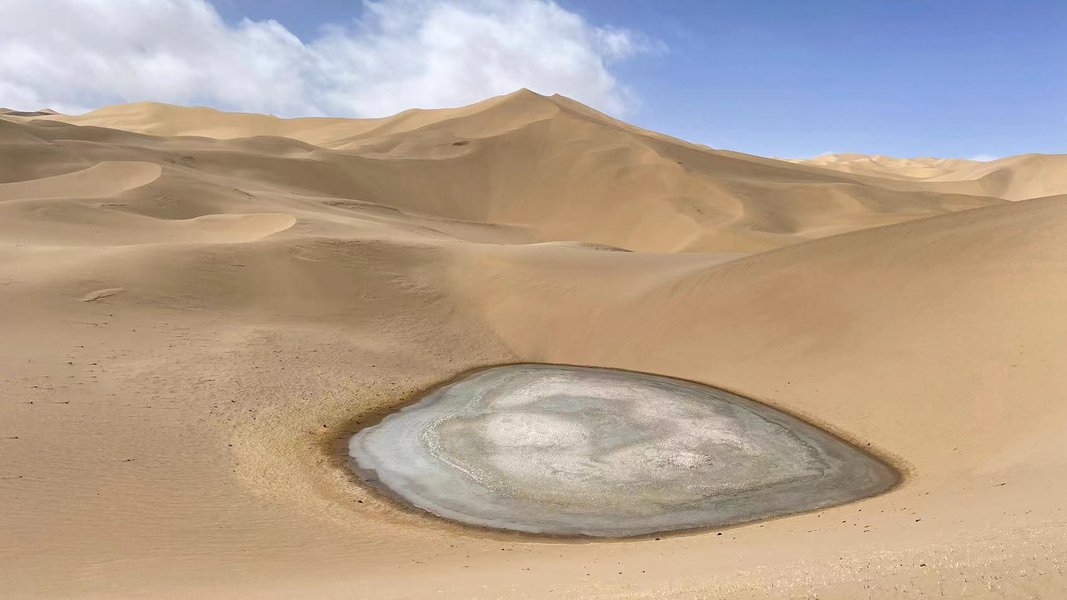
The immense Taklamakan Desert highlights Xinjiang's vast scale.
Transportation Options:
- Flights: The most efficient way to cover long distances. Major airports are located in Urumqi (the capital) and Kashgar, with smaller airports serving other cities like Turpan, Altay, and Hotan. Flying between Urumqi and Kashgar is common.
- High-Speed Rail (HSR): The Lanzhou-Xinjiang HSR connects major cities like Hami, Turpan, and Urumqi to the rest of China's network, offering a scenic alternative for arrival or departure. Regional rail links exist but are slower.
- Private Car/Tour: Highly recommended for exploring specific regions like Northern Xinjiang or following Silk Road routes. Hiring a private car with a driver or joining an organized tour offers flexibility and overcomes logistical hurdles, language barriers, and navigation challenges in remote areas.
- Buses: Long-distance buses connect towns, but they can be slow and less comfortable for long journeys.
Planning & Practicalities
A little preparation goes a long way in ensuring a smooth journey.
- Booking Ahead: Especially during peak season (June-September) and national holidays (May 1-3, Oct 1-7), book flights, accommodations, and popular tours well in advance. Prices are higher and availability is limited during these times.
- Documentation: All foreign visitors need a standard Chinese visa. While special permits are generally not required for most tourist areas, you must carry your passport with you at all times. Frequent security checkpoints are common throughout the region, and hotels require passport registration.
- Cultural Sensitivity: Xinjiang is home to many ethnic minorities, primarily Muslim Uyghurs. Respect local customs: dress modestly (especially women, and particularly when visiting mosques or local homes), ask permission before taking photos of people, and be mindful of local sensitivities. Learning a few basic phrases in Mandarin or Uyghur can be appreciated.
- Cuisine: Enjoy the unique flavors of Xinjiang! Food is predominantly Halal. Signature dishes include lamb kebabs (shashlik), hand-pulled noodles (laghman), rice pilaf (polo), baked buns (samsa), and various types of flatbread (nang). Fresh fruits, especially melons and grapes (in season), are abundant and delicious.
- Safety & Security: While generally safe for tourists, the region has a visible security presence. Cooperate politely with checks. Be aware of your surroundings, as you would anywhere. Some sources advise caution regarding photography of military or police personnel/facilities. Stay informed about current travel advisories if available.

Embracing the vibrant local culture is a highlight of Xinjiang travel.
Understanding Xinjiang's Travel Dynamics - A Mindmap
To synthesize the key elements involved in planning your trip, this mindmap provides a visual overview of the crucial factors to consider:
Blooms, Mild South"] summer["Summer (Jun-Aug):
Peak North, Lush Green"] autumn["Autumn (Sep-Oct):
Colors, Clear Skies"] regions["Key Regions"] north["Northern Xinjiang:
Nature Focus
(Kanas, Sayram, Ili)"] south["Southern Xinjiang:
Culture Focus
(Kashgar, Hotan)"] east["Eastern Xinjiang:
History Focus
(Turpan, Hami)"] activities["Top Activities"] nature["Nature & Adventure
(Hiking, Lakes, Grasslands)"] culture["Culture & History
(Silk Road, Bazaars, Mosques)"] photo["Photography
(Landscapes, Culture)"] logistics["Logistics & Planning"] transport["Transportation
(Flights, Trains, Car/Tour)"] booking["Booking Ahead
(Accommodation, Tours)"] docs["Documentation
(Passport Essential)"] culture_tips["Cultural Considerations"] customs["Respect Local Customs"] food["Enjoy Halal Cuisine"] diversity["Embrace Ethnic Diversity"] practical["Practical Realities"] vastness["Vast Distances"] security["Security Checks"] planning["Importance of Planning"]
This mindmap highlights the interconnectedness of timing, location, activities, and practical considerations necessary for a well-rounded Xinjiang journey.
Hear from Travelers: Xinjiang Experiences
Sometimes, hearing directly from those who have recently visited provides valuable context and addresses common questions about the travel experience in Xinjiang.
A Glimpse into the Journey
This video features a discussion with travelers sharing their first-hand experiences in Xinjiang, offering insights into the ethnic diversity, safety perceptions, and the overall reality of traveling in the region. It provides a balanced perspective that can help potential visitors form their own impressions beyond headlines.
Listening to these real travel accounts can demystify some aspects of visiting Xinjiang and highlight the rewarding experiences that await those who explore this unique corner of China.
Optimizing Your Article for Search & Engagement
For a China tour website, ensuring this article is not only informative but also easily discoverable by potential travelers searching online is paramount. Here’s how to enhance its Search Engine Optimization (SEO) and user engagement.
Boosting Content Visibility (SEO)
- Keyword Integration: Naturally weave in primary keywords like "best time to visit Xinjiang," "Xinjiang travel guide," and "Xinjiang tours." Include secondary and long-tail keywords such as "Xinjiang weather," "Xinjiang seasons," "Northern Xinjiang attractions," "Kashgar travel tips," "Kanas Lake autumn," and "Xinjiang halal food" throughout headings, subheadings, body text, image alt descriptions, and the meta description. Avoid unnatural repetition (keyword stuffing).
- Strategic Headings: Utilize a clear hierarchy (one H1, multiple H2s, relevant H3s/H4s). Ensure headings are engaging, accurately reflect section content, and incorporate keywords where appropriate (e.g., "Why May to October is the Best Time for Xinjiang Tours").
- Content Depth & Quality: Aim for a comprehensive article (ideally 2000+ words) that thoroughly answers user questions, provides unique insights (like the North vs. South timing strategy), and offers practical advice. Quality and depth signal expertise to search engines.
- Internal Linking: Crucially, link relevant phrases within this article to other pages on your website. For example, link "Northern Xinjiang tours" to your specific tour packages for that region, "Kashgar Old City" to a detailed Kashgar guide, or "Xinjiang halal food" to a food blog post. Use descriptive anchor text (e.g., "explore our recommended Xinjiang itineraries" instead of "click here").
- Meta Title & Description: Craft a compelling meta title (under 60 characters) and meta description (under 160 characters) that include primary keywords and entice users to click from search results. Example Title: "Best Time to Visit Xinjiang 2025: Weather, Tours & Tips | YourSiteName". Example Description: "Planning a Xinjiang trip? Discover the best months (May-Oct) for weather, scenery & culture. Expert tips for Kanas, Kashgar & more. Book your tour!"
- URL Structure: Use a short, descriptive, keyword-rich URL, such as
www.yoursitename.com/blog/best-time-to-visit-xinjiang.
Enhancing User Experience & Trust
- Readability: Break up long text blocks with shorter paragraphs, bullet points, numbered lists, and subheadings. Use bold text for emphasis.
- Visual Appeal: Incorporate high-quality, relevant images (like those provided) showcasing Xinjiang's diversity. Ensure all images have descriptive alt text (e.g.,
alt="Golden autumn foliage surrounding Kanas Lake Xinjiang"). Captions add context. - Clear Call-to-Actions (CTAs): Guide the reader towards the next step. Include clear CTAs like "Explore Our Customizable Xinjiang Tours," "Download Your Free Xinjiang Planning Guide," or "Contact Our Xinjiang Travel Specialists Today." Place them strategically, especially near relevant content and at the end.
- Schema Markup: Implement FAQ schema for the Frequently Asked Questions section. This helps search engines understand the content and can lead to rich snippet results (enhanced visibility) on search pages.
- Mobile-Friendliness & Page Speed: Ensure the article displays correctly and loads quickly on all devices, especially mobile phones. Optimize image sizes. Fast loading times are crucial for both user experience and SEO ranking.
- Authoritativeness & Trust (E-A-T): Demonstrate expertise through detailed, accurate information. Citing reliable sources (implicitly or explicitly) and maintaining cultural sensitivity builds trust with readers and search engines.
Frequently Asked Questions (FAQ)
Do I need special permits to visit Xinjiang?
For most tourist destinations within Xinjiang, foreign travelers only need a standard Chinese visa. No additional special travel permits (like those required for Tibet) are typically necessary for areas like Urumqi, Turpan, Kashgar, Kanas Lake, etc. However, it is absolutely essential to carry your original passport with you at all times, as frequent checkpoints exist throughout the region for identification verification.
Is Xinjiang safe for tourists in 2025?
Xinjiang is generally considered safe for tourists. Major cities and tourist sites have a noticeable security presence, including checkpoints. Travelers usually report feeling safe. Standard travel precautions should be taken regarding personal belongings. It's advisable to cooperate politely with any security checks and be mindful of local regulations and sensitivities, particularly regarding photography in certain areas.
What's the best way to travel around Xinjiang?
Due to the vast distances, a combination of methods is often best. Use domestic flights to cover long distances quickly (e.g., Urumqi to Kashgar). High-speed trains connect some eastern cities like Urumqi and Turpan efficiently. For exploring specific regions (like the scenic routes in Northern Xinjiang or the Silk Road sites in the South), hiring a private car with a driver or joining an organized tour is highly recommended for convenience, flexibility, and navigating local conditions.
What should I pack for Xinjiang?
Layers are key! Xinjiang experiences significant temperature fluctuations between day and night, and across different altitudes and regions. Pack light layers (T-shirts, long sleeves), a fleece or sweater, and a windproof/waterproof outer jacket. Comfortable walking shoes are essential. Include sun protection (hat, sunglasses, high-SPF sunscreen) as the sun can be strong. Modest clothing (covering shoulders and knees) is advisable, especially for visiting religious sites or rural areas. A scarf can be versatile. Don't forget essential medications and basic toiletries.
What cultural etiquette should I follow?
Respect for local culture is important. Dress modestly, especially when visiting mosques or traditional communities. Always ask for permission before taking photographs of people. Be mindful of Islamic customs if visiting during Ramadan or interacting with devout Muslims. When offered tea or food in local homes, it's polite to accept. Avoid public displays of affection. Showing patience and politeness, especially at security checks, is appreciated.
Can I visit Xinjiang during Chinese national holidays?
Yes, you can visit during holidays like Labour Day (around May 1st) and National Day Golden Week (October 1st-7th). However, be prepared for significantly larger crowds at popular attractions, higher prices for flights and accommodation, and potentially strained transportation services. If you plan to travel during these peak domestic tourism periods, booking everything far in advance is absolutely essential.
Explore Further
- Need itinerary inspiration? Discover detailed plans for a 10-day Xinjiang adventure.
- Curious about the cuisine? Explore the must-try foods that define Xinjiang's unique culinary scene.
- Which part suits you best? Compare the distinct travel experiences offered by Northern and Southern Xinjiang.
- Traveling alone? Find specific tips and considerations for solo adventurers exploring Xinjiang.
References
Last updated April 27, 2025