
Unlocking Your Mind's Potential: Advanced Strategies for Memory Enhancement
Discovering powerful techniques and lifestyle adjustments to sharpen your recall and cognitive function.
Key Insights for Memory Mastery
- Holistic Approach: Effective memory improvement integrates a blend of cognitive techniques, physical well-being, nutritional choices, and emotional management.
- Active Engagement: Passive review is less effective than active recall, elaborative encoding, and applying information through teaching or problem-solving.
- Lifestyle as Foundation: Adequate sleep, regular physical activity, a brain-healthy diet, and stress reduction are fundamental pillars supporting optimal memory function.
Memory is a dynamic and complex cognitive function, essential for learning, daily activities, and our sense of self. While occasional forgetfulness is normal, especially with age, there are numerous scientifically backed strategies and lifestyle adjustments that can significantly enhance your memory capabilities. This comprehensive guide delves into the best tricks, techniques, and habits to improve both short-term and long-term memory, enabling you to retain information more effectively and keep your mind sharp at any age.
Cognitive Techniques for Enhanced Recall
Engaging your brain with specific memorization techniques can dramatically improve your ability to encode, store, and retrieve information. These methods often leverage the brain's natural tendencies for association, visualization, and organization.
Mastering Memorization Through Mnemonics
Mnemonics are powerful tools that help link new information to existing knowledge through various imaginative cues. They transform difficult-to-remember data into more memorable forms.
The Loci Method (Memory Palace)
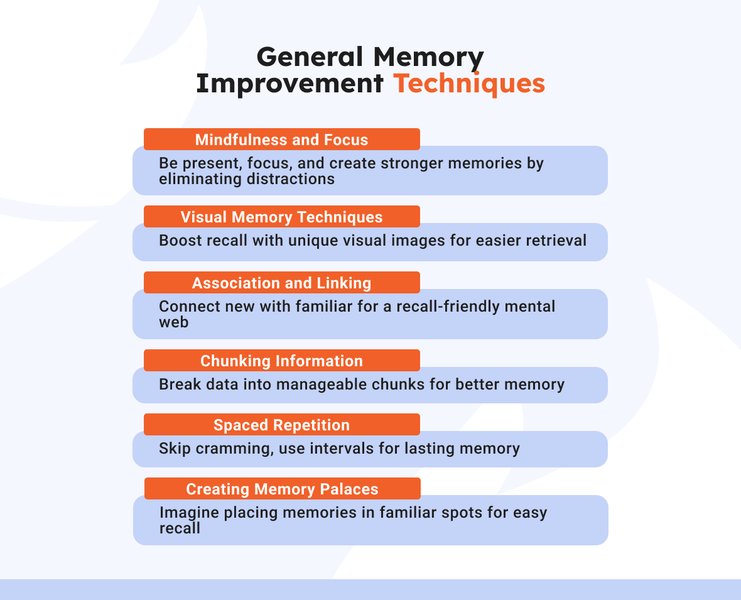
One of the oldest and most effective mnemonic techniques, the Loci Method, or Memory Palace, involves associating items you want to remember with specific locations along a familiar mental journey. By mentally "placing" information in different spots within a familiar building or route, you can retrieve it by mentally walking through those locations.
This technique capitalizes on our strong spatial memory. When you need to recall the information, you simply revisit your chosen mental route and "collect" the items you've stored. This method is incredibly effective for remembering lists, speeches, or sequences of information.
Visual representation of interconnected brain functions for memory.
Chunking and Association
Chunking involves breaking down large pieces of information into smaller, more manageable "chunks." This reduces cognitive load and makes it easier for your brain to process and retain data. For example, remembering a long phone number is easier when broken into three or four smaller groups of digits (e.g., 555-123-4567 instead of 5551234567).
Association involves linking new information to something you already know or a vivid image. The more outlandish or sensory the association, the more memorable it tends to be. This taps into the brain's natural tendency to remember things in relation to each other.
Acronyms and Acrostics
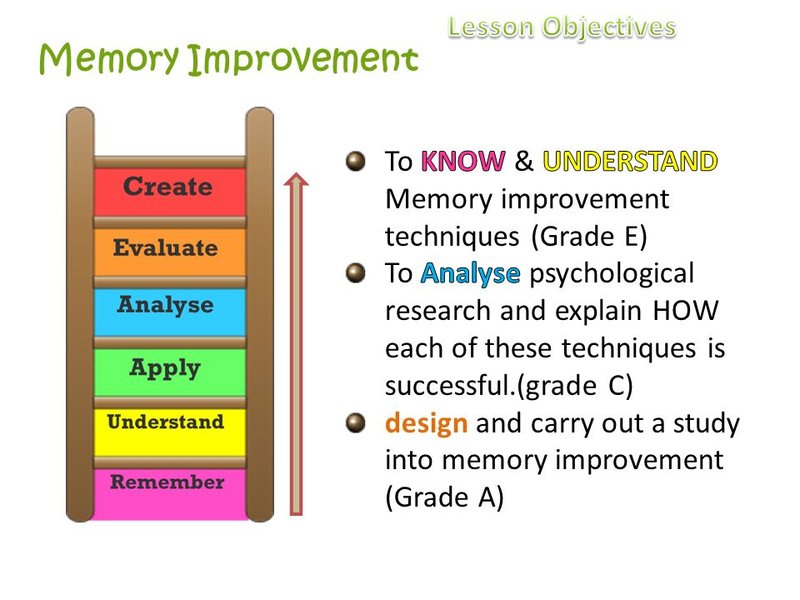
Acronyms are words formed from the first letter of other words you want to remember (e.g., "NASA" for National Aeronautics and Space Administration). Acrostics, or sentence mnemonics, create a sentence where the first letter of each word corresponds to the first letter of the information you want to recall (e.g., "Every Good Boy Does Fine" for the notes on the lines of the treble clef: E, G, B, D, F).
Examples of verbal mnemonic techniques for memory aid.
Active Learning and Engagement
Passive re-reading is often ineffective for long-term retention. Instead, engage with the material actively.
Active Recall and Spaced Repetition
Instead of just re-reading notes, actively test yourself. Try to recall information from memory without looking at your materials. This strengthens neural pathways. Spaced repetition involves reviewing information at increasing intervals over time. This technique optimizes the timing of your review sessions to coincide with the brain's natural forgetting curve, reinforcing memory just before it fades.
For instance, after learning something new, you might review it after 1 hour, then 24 hours, then 3 days, a week, and so on. This approach is significantly more effective for long-term memory than cramming.
This video, "The Ultimate Guide to Memorization (Student Edition)," provides a comprehensive overview of various memorization techniques, including insights into active recall and spaced repetition, making it highly relevant for students and anyone looking to enhance their learning efficiency.
Elaborative Encoding and Teaching Others
Elaborative encoding involves connecting new information with existing knowledge in a meaningful way. Ask "why" and "how" questions, create analogies, or relate the information to personal experiences. The deeper you process the information, the better you'll remember it.
A highly effective method is teaching the material to someone else. Explaining a concept in your own words helps solidify your understanding and highlights any gaps in your knowledge. This process forces you to organize and articulate the information, which reinforces your memory.
Lifestyle Factors for Optimal Brain Health
Beyond specific techniques, your overall lifestyle profoundly impacts your memory. Prioritizing physical and mental well-being creates an optimal environment for brain function.
The Power of Physical Activity
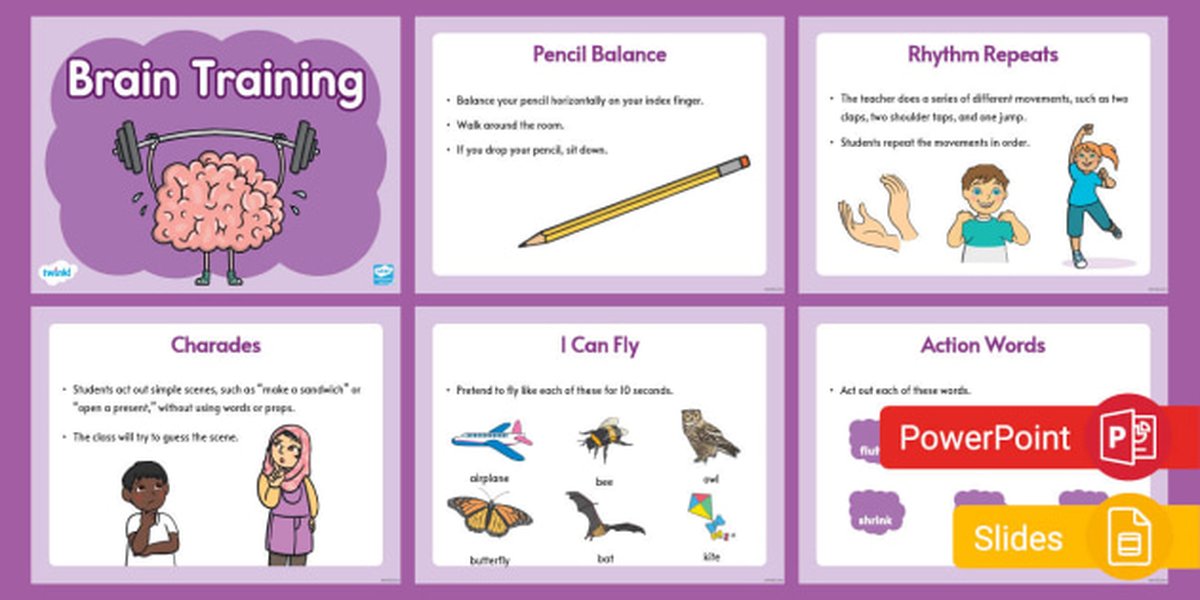
Regular exercise is not just good for your body; it's a powerful memory booster. Physical activity increases oxygen flow to the brain, reduces the risk of disorders that lead to memory loss (like diabetes and cardiovascular disease), and enhances the effects of beneficial brain chemicals.
Aerobic Exercise and Neuroplasticity
Aerobic exercise, in particular, has been shown to boost the size of the hippocampus, a brain region critical for verbal memory and learning. Even short bursts of exercise (20 minutes or less) can improve short-term memory, while moderate-intensity exercise for about 40 minutes can be more effective for long-term memory. Activities like walking, swimming, or dancing can significantly contribute to better cognitive function.
Physical activity as 'brain gym' for cognitive enhancement.
Nourishing Your Brain: Diet and Supplements
What you eat plays a crucial role in brain health and memory. A diet rich in certain nutrients can protect your brain and support cognitive function.
Brain-Healthy Foods
Diets like the Mediterranean and MIND (Mediterranean-DASH Intervention for Neurodegenerative Delay) diets are particularly beneficial. They emphasize:
- Fruits and Vegetables: Especially leafy greens and berries, which are packed with antioxidants.
- Whole Grains and Legumes: Provide sustained energy for the brain.
- Fish: Oily fish like salmon and mackerel are rich in Omega-3 fatty acids (EPA and DHA), vital for brain structure and function.
- Healthy Fats: Found in olive oil, nuts, and avocados.
- Lean Proteins: Essential for neurotransmitter production.
Limiting added sugars, saturated fats, and processed foods is also crucial, as they can negatively impact memory and overall brain volume.
Supplements to Consider
While a balanced diet is primary, some supplements may offer additional support, particularly if you have deficiencies:
- Fish Oil (Omega-3s): Can improve memory, especially in older adults, and aid concentration.
- Magnesium: Associated with better brain defense mechanisms, and deficiency linked to neurodegenerative diseases.
- Curcumin: Found in turmeric, it may reduce oxidative damage and inflammation in the brain.
- Vitamin D: Low levels have been linked to an increased risk of dementia.
Always consult a healthcare provider before starting any new supplements.
The Importance of Sleep and Stress Management
Adequate sleep and effective stress reduction are critical for memory consolidation and overall cognitive performance.
Quality Sleep for Memory Consolidation
Sleep is when your brain consolidates memories from the day, moving them from short-term to long-term storage. Chronic sleep deprivation has been strongly linked to memory loss. Aim for 7-9 hours of quality sleep per night. Establishing a consistent sleep schedule and creating a conducive sleep environment can significantly improve memory.
Managing Stress and Social Engagement
High levels of stress and anxiety can impair memory, particularly by affecting the hippocampus. Practices like meditation and mindfulness can reduce stress and improve sleep, thereby benefiting memory. Engaging socially, learning new skills, and maintaining a sense of accomplishment also contribute to better mood and memory function as you age.
Mental Stimulation and Brain Games
Just like muscles, your brain benefits from regular exercise. Keeping your mind challenged with new learning experiences and brain games can help maintain its agility and improve memory.
Continuous Learning and Novelty
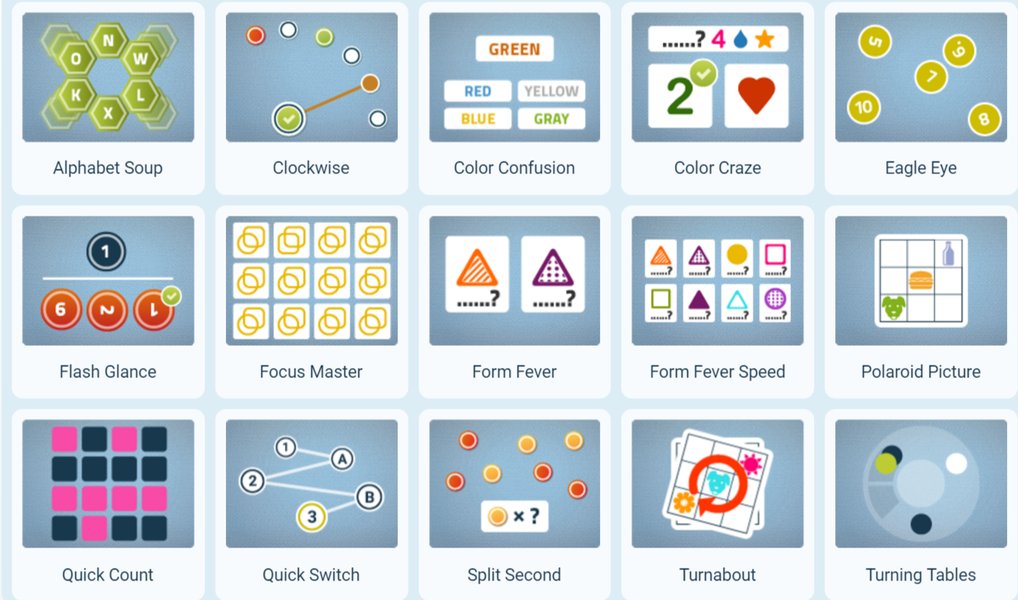
Continuously learning new things, especially those that require mental effort and engagement, can improve your memory. This could involve learning a new language, playing a musical instrument, solving complex puzzles, or taking up a new hobby. The key is to challenge yourself with activities that are not already mastered.
Brain games for perception and cognitive training.
Brain-Training Apps and Games
While results can vary, some studies suggest that playing brain-training games for a consistent period can improve performance in memory tests, short-term memory, working memory, concentration, and problem-solving skills. These games often target specific cognitive functions, providing a structured way to exercise your mind.
Summary of Memory Enhancement Strategies
To provide a comprehensive overview of how different strategies contribute to memory improvement, the radar chart below illustrates their comparative impact across various memory facets. Please note that the values are illustrative and represent an opinionated analysis of their potential influence.
This radar chart visually represents the relative importance and impact of various memory improvement strategies. As you can see, a combination of approaches, particularly active recall, mnemonic techniques, quality sleep, and a brain-healthy diet, collectively form the strongest foundation for robust memory function.
Comprehensive Table of Memory Improvement Strategies
The following table summarizes key strategies and their benefits, offering a quick reference for integrating these practices into your daily life.
| Category | Strategy/Technique | Description | Primary Benefit(s) |
|---|---|---|---|
| Cognitive Techniques | Memory Palace (Loci Method) | Associating items with specific locations in a familiar mental space. | Enhanced recall of sequences and lists, leverages spatial memory. |
| Cognitive Techniques | Chunking | Breaking information into smaller, manageable units. | Reduces cognitive load, improves short-term memory capacity. |
| Cognitive Techniques | Acronyms & Acrostics | Using first letters to form memorable words or sentences. | Simplifies recall of lists and ordered information. |
| Cognitive Techniques | Active Recall | Testing oneself by retrieving information from memory without prompts. | Strengthens neural pathways, highly effective for long-term retention. |
| Cognitive Techniques | Spaced Repetition | Reviewing information at increasing intervals over time. | Optimizes retention by reinforcing memory just before forgetting. |
| Cognitive Techniques | Elaborative Encoding | Connecting new information to existing knowledge meaningfully. | Deeper processing, better understanding and retention. |
| Lifestyle Factors | Regular Physical Exercise | Engaging in aerobic activities consistently. | Increases brain oxygen, promotes neuroplasticity, reduces disease risk. |
| Lifestyle Factors | Brain-Healthy Diet | Consuming fruits, vegetables, whole grains, healthy fats, and lean proteins. | Provides essential nutrients, protects brain cells, reduces inflammation. |
| Lifestyle Factors | Quality Sleep | Aiming for 7-9 hours of consistent, restorative sleep. | Crucial for memory consolidation and cognitive function. |
| Lifestyle Factors | Stress Management | Practicing meditation, mindfulness, or relaxation techniques. | Reduces cortisol impact on hippocampus, improves focus. |
| Mental Stimulation | Continuous Learning | Engaging in new, challenging mental activities (e.g., new language). | Maintains brain agility, fosters new neuronal connections. |
| Mental Stimulation | Brain Games | Playing puzzles, matching games, or cognitive training apps. | Improves concentration, working memory, and problem-solving skills. |
Frequently Asked Questions About Memory Improvement
Can memory really improve with age?
How quickly can I expect to see memory improvements?
Are memory supplements effective?
When should I be concerned about memory loss?
Recommended Further Exploration
- How to optimize brain health for long-term cognitive function?
- Advanced mnemonic techniques for studying and learning.
- The impact of diet and exercise on brain plasticity.
- Strategies for managing stress to enhance memory.
References
Last updated May 21, 2025