
Unlock Your Brain's Potential: The Ultimate Tricks for Boosting Your Memory
Discover science-backed techniques and lifestyle changes to sharpen recall and enhance cognitive function effectively.
Essential Insights: Key Memory Boosters
- Lifestyle is Foundational: Regular physical activity, quality sleep, stress management, and a brain-healthy diet form the bedrock of strong memory function.
- Active Learning Techniques Win: Engaging methods like spaced repetition, visualization, association, and self-testing are far more effective than passive review for long-term retention.
- Consistency is Crucial: Memory improvement is a skill built over time; consistent application of these strategies yields the best results for cognitive enhancement.
Understanding Memory Improvement
Think of your memory not as a fixed storage unit, but as a dynamic skill that can be honed and strengthened, much like a muscle. While there's no magic bullet to prevent age-related memory decline or conditions like dementia entirely, adopting specific strategies and healthy habits can significantly enhance your ability to learn, retain, and recall information. Improving memory involves a holistic approach, combining lifestyle adjustments, targeted mental exercises, and effective learning techniques.
Foundation First: Lifestyle Adjustments for a Sharper Mind
Before diving into specific memory tricks, it's crucial to build a solid foundation through healthy lifestyle choices. These habits support overall brain health, creating the optimal conditions for memory function.
Power Up with Physical Activity
Why it Works
Regular physical exercise is consistently highlighted as a top strategy for cognitive enhancement. It increases blood flow and oxygen supply to the brain, which nourishes brain cells. Exercise also promotes neurogenesis (the birth of new neurons) and reduces inflammation and oxidative stress, helping protect against memory decline.
Practical Steps
Aim for at least 150 minutes of moderate aerobic activity (like brisk walking, swimming, or cycling) or 75 minutes of vigorous activity per week. Even incorporating a 30-minute daily walk can make a difference. Maintaining a healthy weight through diet and exercise also contributes significantly to cognitive function.
Prioritize Quality Sleep
The Role of Sleep in Memory
Sleep is not passive downtime; it's essential for memory consolidation. During sleep, particularly deep sleep stages, the brain processes the day's experiences, transferring information from the fragile short-term memory to more robust long-term storage. Skimping on sleep impairs this process.
Achieving Restful Sleep
Most adults need 7-9 hours of quality sleep per night. Establish a consistent sleep schedule (going to bed and waking up around the same time daily), create a relaxing pre-sleep routine, and ensure your bedroom environment is cool, dark, and quiet.
Manage Stress Effectively
Stress and Memory Impairment
Chronic stress is detrimental to memory. High levels of the stress hormone cortisol can damage the hippocampus, a brain region crucial for memory formation and retrieval. Managing stress is therefore vital for cognitive health.
Stress Reduction Techniques
Incorporate practices like mindfulness meditation, deep breathing exercises, yoga, or progressive muscle relaxation into your routine. Even 10-15 minutes of daily meditation can improve focus and memory recall. Spending quality time with friends and family (social engagement) also acts as a natural stress buffer and stimulates cognitive function.
Fuel Your Brain: The Importance of Diet
Brain-Boosting Nutrients
What you eat directly impacts brain health and memory. Focus on a balanced diet rich in:
- Omega-3 Fatty Acids: Found in fatty fish (salmon, mackerel, sardines), walnuts, flaxseeds, and chia seeds. Essential for building brain and nerve cell membranes. Fish oil supplements can be considered, but consult a healthcare provider.
- Antioxidants: Abundant in blueberries, broccoli, dark chocolate, spinach, and pumpkin seeds. They protect the brain from oxidative stress.
- Vitamins: Vitamin C (citrus fruits, bell peppers) and Vitamin D (supplements may benefit older adults) play roles in cognitive health.
- Magnesium: Found in leafy greens, nuts, seeds, and whole grains. Deficiency is linked to neurodegenerative issues.
- Complete Proteins: Sources like meat, poultry, fish, dairy, eggs, and quinoa provide amino acids necessary for brain cell production and neurotransmitter function.
Foods and Substances to Limit
Reduce your intake of added sugars, as high sugar consumption is linked to cognitive fog and impaired memory. Limit alcohol and avoid illicit drugs, as they can significantly interfere with memory formation and recall.
Actively Engage Your Brain: Mental Workouts
Just like physical exercise strengthens the body, mental exercises keep the brain sharp and resilient. Regularly challenging your brain helps build cognitive reserve and enhances memory.
Play Brain Games and Puzzles
Engaging in mentally stimulating activities challenges your brain and can help forge new neural connections. Try:
- Crossword puzzles
- Sudoku
- Word-recall games
- Jigsaw puzzles
- Strategy games (like chess or bridge)
- Memory training apps (like Lumosity or NeuroNation)
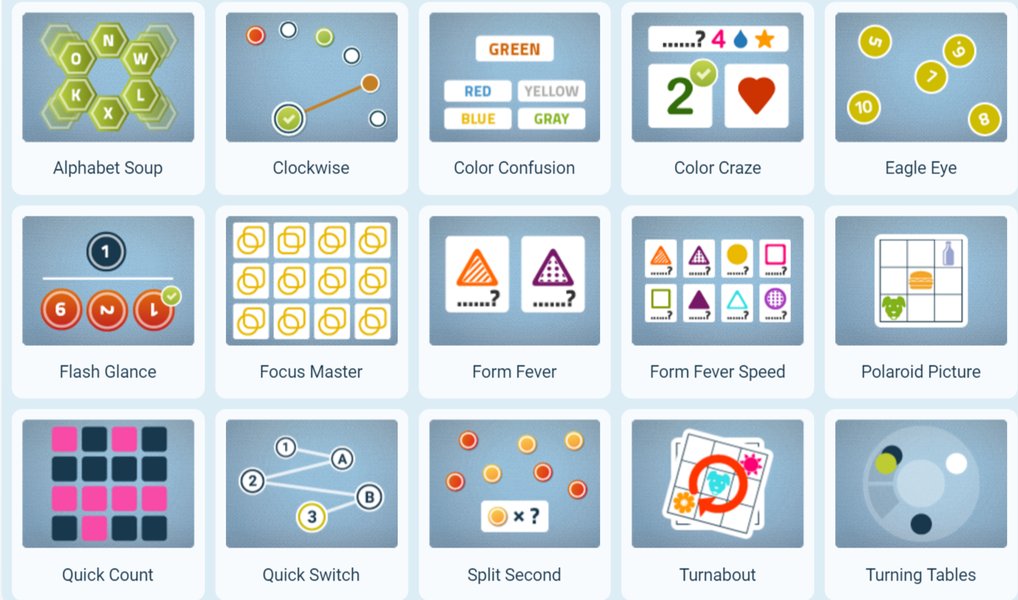
Engaging in brain games can stimulate cognitive functions.
Continuously Learn New Things
Learning a new skill, taking up a new hobby, or even learning a new language provides a significant cognitive workout. It challenges your brain in novel ways, promoting plasticity and strengthening neural pathways. Even simple activities like reading challenging books or articles contribute to mental fitness.
Mastering Memory: Effective Cognitive Techniques
Beyond lifestyle and general brain training, specific techniques can dramatically improve your ability to encode and retrieve information.
Fundamental Encoding Strategies
Association
Link new information to things you already know. The more connections you make, the easier it is to remember. This could involve creating vivid mental images that connect items or associating facts with personal experiences.
Chunking
Break down large pieces of information into smaller, more manageable units or "chunks." This is particularly effective for remembering numbers (like phone numbers or credit cards) or long lists. It works by grouping details into meaningful clusters.
Visualization
Create strong, vivid mental images associated with the information you want to remember. The more unusual or striking the image, the more memorable it tends to be. Engage multiple senses in your visualization if possible.
Understand Before Memorizing
For complex subjects, focus on understanding the underlying concepts and principles rather than relying solely on rote memorization. True understanding creates a stronger memory trace.
Advanced Memory Systems
Mnemonics
These are memory aids that use patterns, rhymes, acronyms, or other associations. Examples include:
- Acronyms: Using the first letter of each word to form a new word (e.g., ROYGBIV for the colors of the rainbow).
- Acrostics: Creating a sentence where the first letter of each word corresponds to the item to be remembered (e.g., "My Very Educated Mother Just Served Us Nachos" for the planets).
- Rhymes: Making up short rhymes or songs (e.g., "In 1492, Columbus sailed the ocean blue").
Method of Loci (Memory Palace)
This ancient technique involves associating items you want to remember with specific locations along a familiar route or within a familiar building (your "memory palace"). You mentally "walk" through the palace, placing items at distinct spots and retrieving them later by retracing your steps.
Spaced Repetition
Review information at increasing intervals over time. Instead of cramming, revisit the material shortly after learning it, then again a day later, a few days later, a week later, and so on. This significantly strengthens long-term retention. Tools like flashcard apps (e.g., Anki) often use spaced repetition algorithms.
Reinforcement and Retrieval Practice
Self-Testing
Actively recalling information (testing yourself) is one of the most effective ways to strengthen memory. Instead of just rereading notes, try to retrieve the information from memory first. This "retrieval practice" enhances long-term learning.
Teach Others
Explaining a concept or information to someone else forces you to organize your thoughts, clarify your understanding, and articulate the key points, which significantly reinforces your own memory of the material. Even talking about what you're learning for just ten minutes can improve recall.
Use Multiple Senses
Engage as many senses as possible when learning. Read information aloud (hearing), write it down (touch/kinesthetic), create visual aids (sight). The more sensory pathways involved, the stronger the memory trace.
Visualizing Memory Enhancement Techniques
This mindmap illustrates the interconnected nature of various memory improvement strategies, highlighting key techniques and lifestyle factors discussed.
(Aerobic Activity)"] id1b["Quality Sleep
(7-9 Hours)"] id1c["Stress Management
(Meditation, Socializing)"] id1d["Brain-Healthy Diet
(Omega-3s, Antioxidants)"] id1e["Limit Sugar & Alcohol"] id2["Mental Stimulation"] id2a["Brain Games & Puzzles
(Crosswords, Sudoku)"] id2b["Learn New Skills
(Language, Hobby)"] id2c["Reading &
Continuous Learning"] id3["Cognitive Techniques"] id3a["Encoding Strategies"] id3a1["Association
(Linking Info)"] id3a2["Chunking
(Grouping Info)"] id3a3["Visualization
(Mental Imagery)"] id3a4["Understanding Concepts"] id3b["Memory Systems"] id3b1["Mnemonics
(Acronyms, Rhymes)"] id3b2["Method of Loci
(Memory Palace)"] id3b3["Spaced Repetition
(Review Intervals)"] id3c["Reinforcement"] id3c1["Self-Testing
(Retrieval Practice)"] id3c2["Teach Others"] id3c3["Use Multiple Senses"] id4["Organization & Focus"] id4a["Use Planners & Lists"] id4b["Minimize Distractions"] id4c["Pay Attention"]
Comparing the Impact of Memory Strategies
Different approaches to memory improvement can have varying degrees of impact depending on consistency and individual factors. This chart offers a conceptual comparison of the perceived effectiveness of major strategy categories when applied diligently.
This chart suggests that while lifestyle factors like sleep and exercise have a high impact, advanced techniques like spaced repetition and the Method of Loci can also be very powerful, though potentially require more effort to implement consistently. A balanced approach incorporating multiple strategies is often most effective.
Practical Application: Organizing Your Efforts
Stay Organized
A cluttered environment or schedule can lead to a cluttered mind and forgetfulness. Use tools like calendars, planners, to-do lists, and digital reminder apps to keep track of appointments, tasks, and important information. Dedicate specific places for frequently used items like keys and glasses.
Focus and Minimize Distractions
In today's world, distractions are constant. To effectively encode information into memory, you need to pay attention. When learning something new or performing a task that requires recall, try to minimize interruptions. Focus on one thing at a time rather than multitasking, which can fragment attention and impair memory formation.
Memory Techniques Summarized
Here's a quick reference table summarizing some key memory improvement techniques:
| Technique | Description | Example Application |
|---|---|---|
| Chunking | Breaking down information into smaller, meaningful groups. | Remembering a phone number as XXX-XXX-XXXX instead of a single 10-digit string. |
| Association | Linking new information to existing knowledge or vivid images. | Remembering someone's name, "Baker," by visualizing them wearing a baker's hat. |
| Visualization | Creating strong mental pictures related to the information. | Visualizing grocery items placed in different rooms of your house to remember your shopping list. |
| Mnemonics (Acronyms) | Using the first letters of items to form a memorable word. | Using 'HOMES' to remember the Great Lakes (Huron, Ontario, Michigan, Erie, Superior). |
| Method of Loci | Associating items with locations on a familiar mental route. | Mentally placing key points of a speech at different landmarks on your commute. |
| Spaced Repetition | Reviewing material at increasing time intervals. | Using flashcards and reviewing them daily, then every few days, then weekly, etc. |
| Self-Testing | Actively trying to recall information from memory. | Covering your notes and trying to explain a concept aloud or answer practice questions. |
| Teaching Others | Explaining information to someone else to solidify understanding. | Explaining a complex work process to a colleague. |
Expert Insights on Memory Training
Hear from memory expert Nelson Dellis as he shares insights and practical tips on how he trained his own memory and how you can apply similar techniques to improve recall in your daily life. This video provides actionable advice from someone who has mastered memory skills.
Memory expert Nelson Dellis discusses practical memory training techniques.
Experts like Dellis emphasize that memory is a trainable skill. Techniques often involve converting abstract information (like names or numbers) into concrete, visual images and then linking these images together or placing them in a structured mental environment, like the Memory Palace. Consistency in practice is key to mastering these methods and seeing tangible improvements.
Frequently Asked Questions (FAQ)
+ How quickly can I see improvements in my memory?
Results vary depending on the individual, the consistency of practice, and the specific techniques used. However, many people start noticing subtle improvements in focus and recall within a few weeks of consistently applying lifestyle changes (like better sleep and exercise) and practicing basic memory techniques (like association or chunking). Significant improvements with more complex methods like the Memory Palace may take longer, requiring dedicated practice over weeks or months.
+ Are brain training games scientifically proven to work?
The effectiveness of commercial brain training games is debated among scientists. While these games can improve performance on the specific tasks within the game, evidence for broad transfer to general cognitive abilities or everyday memory tasks is mixed. Some studies show modest benefits, particularly for specific cognitive domains, while others find limited real-world impact. Engaging in varied, challenging mental activities (like learning a language or musical instrument) and adopting healthy lifestyle habits are generally considered more robust ways to support overall cognitive health.
+ Can memory techniques help with age-related memory decline?
Yes, learning and using memory strategies can be beneficial at any age, including for older adults experiencing normal age-related memory changes. Techniques like association, visualization, and using organizational aids (lists, calendars) can help compensate for mild forgetfulness. Furthermore, lifestyle factors such as physical activity, social engagement, and a healthy diet are particularly important for maintaining cognitive function as we age.
+ When should I be concerned about memory loss and seek professional help?
Occasional forgetfulness is normal. However, you should consult a doctor if memory problems significantly interfere with your daily activities (work, social life, independent living), seem to be worsening over time, or if family members or friends express concern. Other warning signs include frequently asking the same questions, getting lost in familiar places, having trouble following directions or conversations, or experiencing significant changes in mood or personality alongside memory issues.
Recommended
- Explore the specific ways sleep strengthens memory formation.
- Learn how to build and use a Memory Palace effectively.
- Discover specific nutrients and meal ideas to fuel your brain.
- Find out which mnemonic techniques work best for different types of information.
References

Last updated May 4, 2025