
Unlocking Freshness and Efficiency: The Versatile World of Vacuum Sealing
Discover how a vacuum sealer can revolutionize your kitchen and beyond, extending freshness and maximizing value.
Key Highlights of Vacuum Sealing
- Extended Food Preservation: Vacuum sealing dramatically prolongs the shelf life of various foods by removing oxygen, preventing spoilage, freezer burn, and maintaining peak taste and texture.
- Cost Savings and Waste Reduction: By enabling bulk purchasing and efficient meal prepping, vacuum sealers significantly reduce food waste and save money on groceries.
- Beyond the Kitchen: The utility of a vacuum sealer extends far beyond food, offering innovative solutions for protecting valuables, organizing, and preparing for emergencies.
A vacuum food sealer is a remarkably versatile appliance that has become a staple in many households and commercial kitchens, going far beyond simple food preservation. At its core, vacuum sealing involves removing air from bags or containers, creating an airtight seal that protects contents from oxygen exposure. This process is crucial because oxygen is a primary driver of food degradation, causing spoilage, freezer burn, and changes in color and texture. By eliminating air, a vacuum sealer can extend the shelf life of food up to five times longer than traditional storage methods, preserving its quality, flavor, and nutrients. This comprehensive guide will explore the myriad uses of vacuum sealers, from optimizing food storage and meal preparation to surprising non-food applications, helping you leverage this powerful tool to its fullest potential.
Mastering Food Preservation with Vacuum Sealers
The most common and impactful use of a vacuum sealer is, undoubtedly, food preservation. Its ability to create an oxygen-free environment offers significant advantages for various food types.
Long-Term Storage and Freezer Burn Prevention
One of the primary benefits of vacuum sealing is its effectiveness in preventing freezer burn. Freezer burn occurs when air comes into contact with frozen food, leading to dehydration and oxidation, which manifest as dry, discolored patches and a loss of flavor and texture. By removing air, vacuum sealers create an impenetrable barrier against this damage. This means meats, fruits, vegetables, and even baked goods can be stored in the freezer for months, or even years, without compromising their quality.
For example, vacuum-sealed beef and poultry can last up to three years in the freezer, while hard cheese can remain fresh for up to eight months in the refrigerator. This extended shelf life allows for efficient bulk purchasing and reduces food waste, making it a cost-effective solution for any household.

Vacuum-sealed foods are perfectly preserved in the freezer, preventing freezer burn.
Optimizing Meal Preparation and Batch Cooking
Vacuum sealers are a game-changer for meal prepping and batch cooking. If you frequently cook large quantities of food, a vacuum sealer allows you to portion out meals and store them for later consumption. This is especially useful for busy individuals or families looking to save time during the week. Cooked dishes like roasts, soups, stews, and even pancakes can be portioned, vacuum-sealed, and frozen, providing convenient, ready-to-eat meals.
For liquids like soups or sauces, it's often recommended to pre-freeze them flat on a sheet pan before vacuum sealing. This prevents liquids from being pulled into the machine during the vacuuming process and allows for more efficient storage in the freezer, as flat bags stack easily.
Quick Marination
Beyond preservation, vacuum sealers can significantly speed up the marination process. The vacuum environment opens the pores of food, allowing marinades to penetrate deeper and more quickly. This means you can achieve intense flavor in a fraction of the time compared to traditional marinating methods, which is perfect for last-minute meal preparation.
Sous Vide Cooking Enhancement
For culinary enthusiasts, vacuum sealers are indispensable for sous vide cooking. This cooking method involves immersing vacuum-sealed food in a precisely controlled water bath. The airtight seal ensures that food cooks evenly and retains all its natural juices and flavors, resulting in perfectly cooked dishes every time.
Extending Freshness of Various Food Categories
The benefits of vacuum sealing extend to almost all food categories:
- Meats and Fish: Vacuum sealing is particularly effective for raw meats and fish, protecting them from oxidation and freezer burn. For poultry, consider pre-freezing or using a paper towel in the bag to absorb excess juices.
- Fruits and Vegetables: Fresh produce, including berries, herbs, and leafy greens, can stay fresh for weeks in the refrigerator or months in the freezer when vacuum sealed. This allows you to take advantage of seasonal bounties and bulk purchases without worrying about spoilage.
- Dry Goods: Pantry staples like flour, sugar, coffee beans, nuts, crackers, and even pet food can be vacuum sealed to prevent staleness, moisture absorption, and pest infestation. This is excellent for long-term storage of infrequently used ingredients.
- Baked Goods: Cookies, bread, and pastries can be vacuum-sealed in single layers to maintain their freshness and prevent them from drying out or getting crushed.
- Resealing Opened Bags: Many vacuum sealers have a "seal only" function that allows you to reseal opened bags of chips, cereals, or other snacks, keeping them fresh without vacuuming the air, which could crush delicate items.

A variety of foods, from cheeses to asparagus, can be effectively vacuum sealed.
Beyond Food: Unexpected Uses for Your Vacuum Sealer
While food preservation is the primary function, a vacuum sealer's ability to create an airtight, waterproof seal opens up a world of possibilities for non-food items.
Protecting Valuables and Important Documents
Vacuum sealing is an excellent method for protecting important papers, such as birth certificates, social security cards, or savings bonds, from water damage, mildew, or general degradation. This is particularly useful for long-term storage or in case of emergencies like floods.
Outdoor and Emergency Preparedness
For outdoor enthusiasts or anyone preparing for emergencies, a vacuum sealer can be incredibly useful:
- Camping and Hiking Gear: Keep matches, fire-starting kits, first-aid supplies, maps, and even dry clothing items (like socks and underwear) completely dry and protected from dampness and jostling damage during camping, hiking, or boating trips.
- Ammunition: Protect ammunition from moisture and corrosion, ensuring its longevity and reliability.
- Flares: Vacuum seal road flares to keep them dry and functional for years, a crucial safety measure for vehicles.
Organizing and Space Saving
Vacuum sealing can also aid in household organization and space optimization:
- Clothing and Linens: Compress bulky clothing items, seasonal garments, or bedding into smaller, airtight packages, saving significant storage space in closets or luggage. This also protects them from dust, moisture, and insects.
- Jewelry and Silverware: Prevent tarnish and rust on precious metals by vacuum-sealing them for long-term storage.
- Homemade Items: Create homemade gel ice packs by sealing water and a small amount of rubbing alcohol in a bag.
Creative and Everyday Applications
- Protecting Electronics: For items like iPads or notebooks at the beach or pool, you can vacuum seal them to keep them waterproof while still allowing touchscreen functionality.
- Craft Supplies: Keep craft supplies, such as beads, glitters, or fabrics, organized and protected from dust and moisture.
- Shipping: Reduce shipping costs for smaller, non-fragile items by compressing them in vacuum-sealed bags.
Choosing and Using Your Vacuum Sealer Effectively
To maximize the benefits of a vacuum sealer, consider the type of sealer and follow best practices.
Types of Vacuum Sealers
There are several types of vacuum sealers, each suited for different needs:
- External Clamp Sealers: These are the most common for home use. They involve placing the open end of a bag into the machine, which then vacuums out the air and heat-seals the bag. Many models offer built-in roll storage and cutter bars for custom bag sizes, and accessory ports for sealing jars and containers.
- Handheld Vacuum Sealers: Compact and convenient, these are ideal for smaller tasks and often used with specialized zipper-top bags or containers for everyday items like cheese and snacks that are frequently accessed.
- Chamber Vacuum Sealers: More sophisticated and often used in commercial settings, these machines allow the entire bag (or even liquids directly in the bag) to be placed inside a chamber where air is removed before sealing. They are more expensive but offer superior sealing for liquids and delicate items.
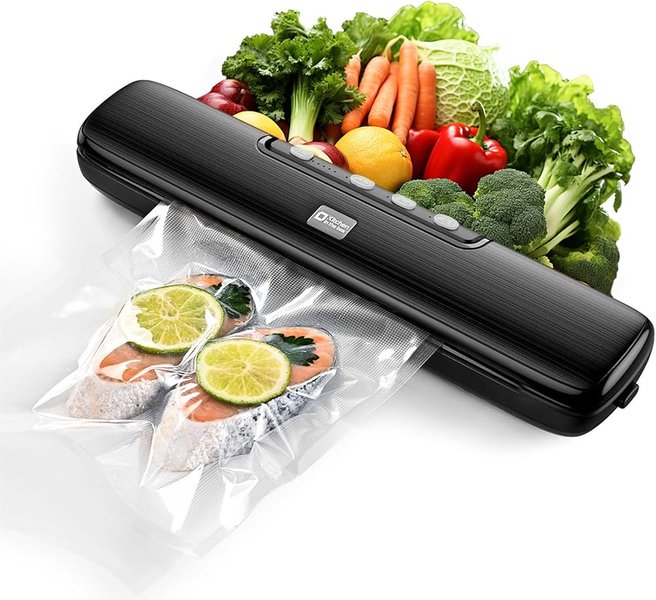
A typical external vacuum sealer with sleek design.
Essential Tips for Vacuum Sealing
- Clean Bag Edge: Always fold the top edge of the bag down (creating a cuff) before filling to keep the sealing area clean. Any moisture or food particles on the sealing surface can compromise the seal.
- Pre-Freeze Liquids and Delicate Foods: For liquids like soups or sauces, or fragile items like berries and fish, pre-freeze them until solid or semi-solid before vacuum sealing. This prevents liquids from being drawn into the machine and protects delicate foods from being crushed.
- Leave Enough Room: Ensure there's enough space at the top of the bag for the machine to create a proper seal.
- Proper Storage: Always store vacuum-sealed perishable foods in the refrigerator or freezer. Dry foods, like crackers and nuts, can be stored at room temperature.
- Thaw Safely: Thaw frozen, vacuum-sealed foods in the refrigerator to maintain food safety.
- Clean Your Machine: Regularly clean your vacuum sealer, especially the drip tray, to ensure optimal performance and longevity.
The Science of Freshness: How Vacuum Sealing Works
Understanding the underlying principles of vacuum sealing helps appreciate its effectiveness. The process primarily targets oxygen, which is the main culprit behind food spoilage.
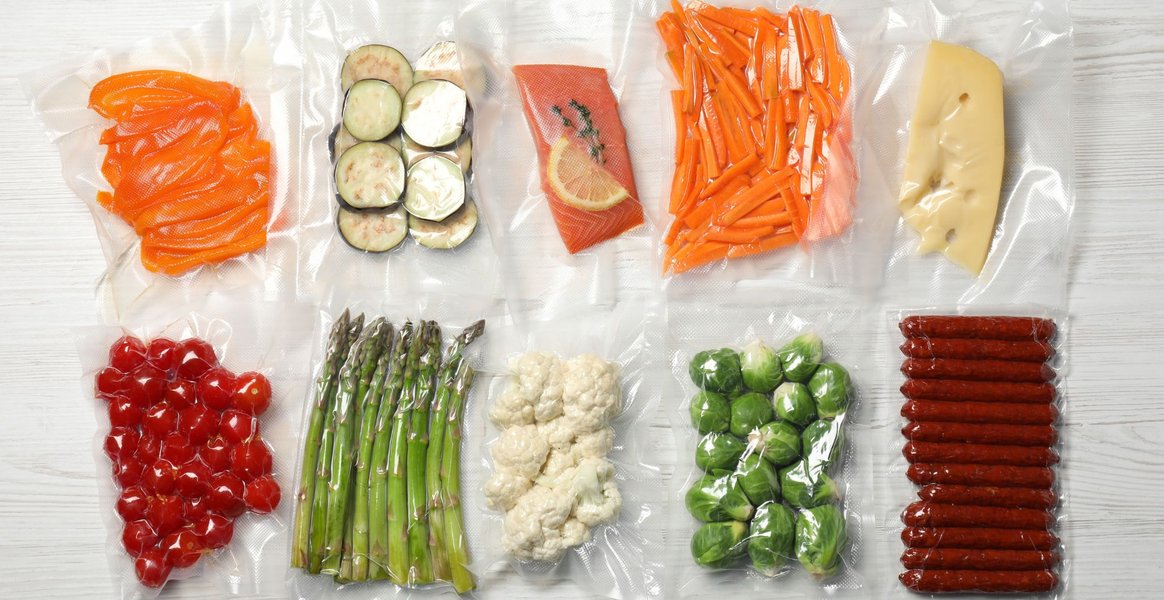
The science behind vacuum sealing focuses on removing oxygen to inhibit spoilage.
When food is exposed to air, several processes occur that lead to degradation:
- Oxidation: Oxygen reacts with fats, causing them to go rancid, and with pigments, leading to discoloration.
- Microbial Growth: Most spoilage bacteria, molds, and yeasts require oxygen to thrive. Removing oxygen significantly slows their growth, extending shelf life.
- Dehydration: Exposure to air, especially in a freezer, causes moisture to evaporate from food surfaces, leading to freezer burn.
Vacuum sealers eliminate these issues by evacuating the air and then creating a hermetic seal. The process is straightforward:
- Air Removal: A vacuum pump within the machine draws out nearly all the air from the bag or container.
- Heat Sealing: Once the air is removed, a heated seal bar fuses the sides of the bag together, creating an airtight barrier that prevents air from re-entering.
This creates an anaerobic (oxygen-free) environment, dramatically slowing down spoilage and preserving the food's natural state. It's important to note that while vacuum sealing greatly extends shelf life, it does not eliminate all risks, especially for foods susceptible to anaerobic bacteria like Clostridium botulinum. Therefore, proper refrigeration or freezing of vacuum-sealed perishable foods remains crucial for safety.
The Comprehensive Advantages of Vacuum Sealing
The multifaceted benefits of incorporating a vacuum sealer into your routine are evident across various aspects of home management and lifestyle. Below is a radar chart illustrating the perceived effectiveness of vacuum sealing across several key benefit categories.
The radar chart visually represents the perceived effectiveness of vacuum sealing across various aspects. It highlights its strongest impact on food freshness retention and freezer burn prevention, followed closely by its benefits for marination speed and meal prep efficiency. While still beneficial, its impact on space saving for food and protection of non-food items is also notable, demonstrating the broad utility of this appliance.
A Practical Overview: Vacuum Sealing Benefits and Applications
To summarize the vast array of uses and benefits, the following table provides a concise overview of how a vacuum sealer can be integrated into your daily life, both in and out of the kitchen.
| Category | Primary Benefit | Specific Applications |
|---|---|---|
| Food Preservation | Extends shelf life, prevents freezer burn, maintains quality. | Storing meats, fish, fruits, vegetables, baked goods, dairy, dry goods (flour, nuts, coffee beans), herbs. |
| Meal Preparation | Facilitates batch cooking, quick marination, portion control. | Portioning cooked meals, freezing soups/stews, marinating meats/vegetables, prepping for sous vide cooking. |
| Cost & Waste Reduction | Enables bulk buying, minimizes spoilage, saves money. | Buying in large quantities, preserving seasonal produce, reducing discarded leftovers. |
| Outdoor & Emergency | Protects against moisture, ensures readiness. | Keeping matches, first-aid kits, maps, clothing, ammunition dry; preserving road flares. |
| Household & Organization | Space saving, protection from elements, organization. | Compressing clothing/linens, protecting important documents, preventing tarnish on jewelry/silverware, organizing craft supplies. |
| Convenience & Lifestyle | Streamlines processes, offers versatility. | Resealing chip/cereal bags, creating homemade ice packs, protecting electronics from water. |
Visualizing Vacuum Sealing in Action
To further illustrate the practical application and benefits of vacuum sealing, here's a highly relevant video demonstrating how a vacuum sealer works with various food items. This visual guide provides a clear understanding of the process and its immediate impact on food preservation.
Watch a demonstration of a vacuum sealer in action, preserving meats, fruits, and more.
This video provides an excellent overview of how straightforward it is to use a vacuum sealer for everyday food items. It visually reinforces the concepts of air removal and sealing, making it easier to grasp the effectiveness of this preservation method. From sealing raw meat for freezing to preserving fresh fruits, the demonstration highlights the appliance's versatility in the kitchen.
Frequently Asked Questions
What is the main benefit of vacuum sealing?
Can I vacuum seal liquids?
What non-food items can I vacuum seal?
How long does vacuum-sealed food last compared to regular storage?
Is vacuum sealing safe for all foods?
Conclusion
A vacuum food sealer is a powerful and multifaceted tool that offers substantial benefits both in and beyond the kitchen. Its core ability to remove oxygen from storage environments effectively combats spoilage, prevents freezer burn, and preserves the peak taste, texture, and nutritional value of food. This translates into considerable cost savings by enabling bulk purchasing and drastically reducing food waste. Furthermore, its utility extends to simplifying meal preparation, speeding up marination, and enhancing sous vide cooking. Beyond culinary applications, the vacuum sealer proves invaluable for protecting important documents, safeguarding outdoor gear, and optimizing storage space for various household items. Embracing vacuum sealing is a practical step towards a more organized, economical, and sustainable lifestyle.
Recommended Further Exploration
- How to choose the best vacuum sealer for home use?
- What are the food safety guidelines for vacuum sealing at home?
- Explore creative vacuum sealer hacks for organization and emergency preparedness.
- Compare vacuum sealing with other food preservation methods for optimal results.
References
Last updated May 21, 2025