
Effective Strategies for Unwinding After Work
Transforming Your Evenings for Reduced Stress and Enhanced Well-being
Key Insights for Post-Work Relaxation
- Establish a Transition Ritual: Creating a clear break between your workday and evening can signal to your brain that it's time to switch gears and relax.
- Engage Your Body and Mind: Physical activity, mindfulness, and creative pursuits are powerful tools for releasing tension and shifting your focus away from work-related stressors.
- Prioritize Self-Care and Disconnection: Dedicate time for activities that nourish your well-being and make a conscious effort to disconnect from work-related communication to fully decompress.
Understanding the Importance of De-stressing
The pressures of the modern workplace can often spill over into our personal lives, making it challenging to truly relax and recharge after a long day. Chronic work stress can have detrimental effects on both our physical and mental health, leading to burnout, anxiety, and a reduced quality of life. Effectively de-stressing after work is not just a luxury; it's a vital component of maintaining a healthy work-life balance and overall well-being. By implementing intentional strategies to unwind, you can mitigate the negative impacts of stress, improve your mood, enhance your focus, and be more present in your personal life.
Establishing a Post-Work Transition
Creating a clear boundary between work and home is crucial for allowing your mind and body to shift out of work mode. This doesn't have to be a lengthy or complicated process; even a short, consistent ritual can be effective.
Creating a Buffer Zone
Instead of jumping directly from work tasks to home responsibilities, build in a buffer zone. This could be a short walk, listening to music, or simply sitting quietly for a few minutes before engaging in evening activities. This intentional pause helps to psychologically detach from the workday.
One effective way to create this buffer is through a short walk. Even a 10-minute walk outdoors can help clear your head and provide a change of scenery, signaling the end of the work period. Listening to calming music during your commute or upon arriving home can also serve as an auditory cue to relax.
For those who work from home, the transition can be even more challenging. Consider a symbolic act like closing your laptop and putting it away, or changing out of your work clothes. These small actions can help your brain recognize that the workday is over.
Engaging Physical and Mental Activities
Engaging in activities that occupy your body and mind in a different way than your work does can be incredibly effective for stress relief.
The Power of Movement
Physical activity is a well-documented stress reliever. Exercise releases endorphins, which have mood-boosting effects and can help reduce tension. The type of activity doesn't matter as much as finding something you enjoy and can do consistently.
Exercise Options for De-stressing:
- Taking a walk or jog
- Practicing yoga or Tai Chi
- Dancing to your favorite music
- Engaging in a sport or physical hobby
Even short bursts of activity, like stretching or a quick walk around the block, can make a difference. If you find it hard to motivate yourself after a long day, consider scheduling your exercise for immediately after work to make it part of your transition ritual.
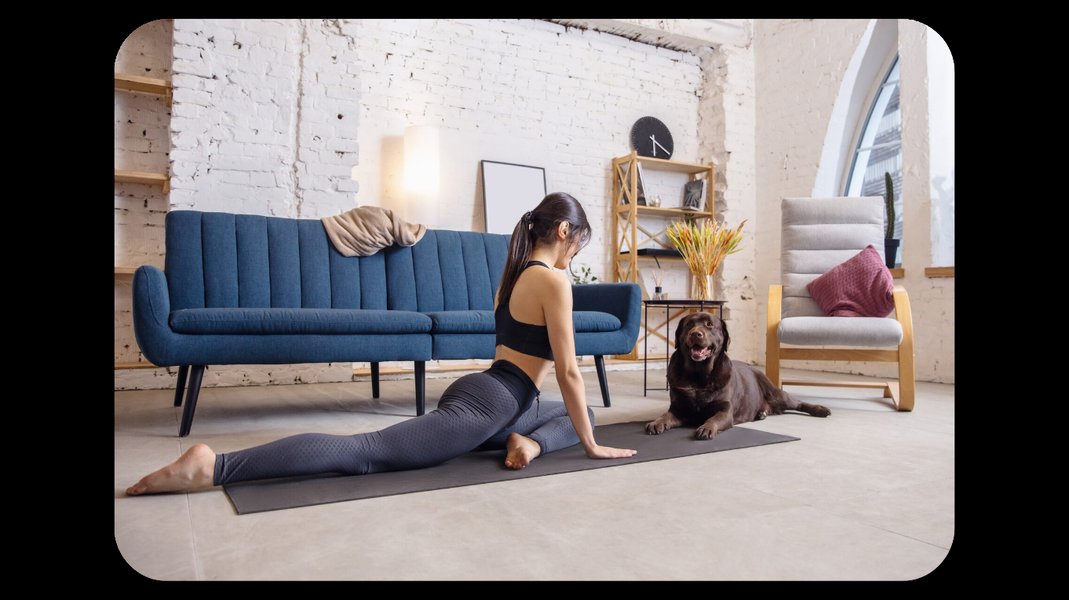
Engaging in physical activity like yoga can help reduce stress after work.
Mindfulness and Meditation
Mindfulness and meditation techniques help you focus on the present moment, which can be a powerful antidote to worrying about work-related issues. Even a few minutes of focused breathing can help calm your nervous system.
Simple Mindfulness Practices:
- Deep breathing exercises
- Guided meditation
- Body scan meditation
- Focusing on sensory details in your environment
There are many apps and online resources that offer guided meditations of varying lengths, making it easy to fit this practice into your evening routine. Consistency is key to experiencing the full benefits of mindfulness.
Engaging in Hobbies and Creative Pursuits
Dedicating time to hobbies and creative activities can provide a mental escape from work and allow you to tap into different parts of your brain. This can be anything from reading and writing to playing a musical instrument or engaging in arts and crafts.
Ideas for Relaxing Hobbies:
- Reading a book or magazine
- Journaling or writing creatively
- Listening to or playing music
- Gardening
- Drawing, painting, or coloring
- Cooking or baking
Choosing activities that you genuinely enjoy is essential. These should feel like a source of pleasure and relaxation, not another obligation.

Listening to calming music can be a simple yet effective way to de-stress.
Prioritizing Self-Care and Disconnection
True de-stressing involves making a conscious effort to care for yourself and disconnect from the digital world that often keeps us tethered to work.
The Importance of Disconnecting
In today's hyper-connected world, it's easy for work emails and notifications to creep into our personal time. Setting boundaries around technology is crucial for effective de-stressing.
Strategies for Digital Disconnection:
- Turning off work email notifications
- Putting your phone away for a period in the evening
- Avoiding work-related browsing or social media
Communicate your boundaries to colleagues if necessary, letting them know when you are available and when you are not. This can help manage expectations and reduce the urge to check in after hours.
Relaxing Evening Routines
Creating a calming evening routine can signal to your body and mind that it's time to wind down and prepare for rest. This routine should be a personalized set of activities that help you relax.
Components of a Calming Evening Routine:
- Taking a warm bath or shower
- Reading a relaxing book
- Practicing gentle stretching or yoga
- Listening to calming music or a podcast
- Spending time with loved ones or pets
- Journaling
Consistency is key to an effective evening routine. Try to do the same set of activities around the same time each night to establish a healthy sleep-wake cycle as well, which is also vital for stress management.
A relaxing evening routine can include quiet activities like reading.
Connecting with Others
Spending time with friends, family, or pets can provide emotional support and a sense of connection, which are important for stress relief. Sharing your experiences with trusted individuals can help you process the day's events and gain perspective.
Ways to Connect:
- Calling or video chatting with friends or family
- Spending quality time with your household members
- Playing with your pets
- Joining a social group or club
Prioritize these connections as they offer a valuable outlet for stress and contribute to your overall sense of well-being.
Additional De-stressing Techniques
Beyond the core strategies, several other techniques can be incorporated into your routine to help manage stress after work.
Aromatherapy
Certain scents have been shown to have calming effects. Incorporating aromatherapy through essential oils, candles, or diffusers can help create a relaxing environment.
Calming Scents:
-
Lavender
-
Chamomile
-
Bergamot
Progressive Muscle Relaxation
This technique involves tensing and then releasing different muscle groups in your body. It can help you become more aware of physical tension and learn to release it.
Start by tensing the muscles in your toes, holding for a few seconds, and then releasing. Gradually work your way up your body, tensing and relaxing each muscle group.
Mindful Eating
Paying attention to your food and the act of eating can be a form of mindfulness that helps you slow down and appreciate the present moment. Avoid rushing through meals or eating while distracted by work.
Summary of De-stressing Techniques
Here is a table summarizing some of the key de-stressing techniques and their benefits:
| Technique | Description | Benefits |
|---|---|---|
| Deep Breathing | Slow, controlled breathing exercises. | Lowers heart rate, calms the nervous system. |
| Meditation/Mindfulness | Focusing on the present moment without judgment. | Reduces anxiety, increases self-awareness. |
| Physical Activity | Engaging in exercise or movement. | Releases endorphins, reduces physical tension. |
| Progressive Muscle Relaxation | Tensing and releasing muscle groups. | Increases awareness of and release of physical tension. |
| Hobbies/Creative Pursuits | Engaging in enjoyable activities outside of work. | Provides mental escape, fosters creativity. |
| Connecting with Others | Spending time with friends, family, or pets. | Provides emotional support, reduces feelings of isolation. |
| Aromatherapy | Using calming scents. | Promotes relaxation, creates a calming environment. |
Frequently Asked Questions About De-stressing After Work
How long should I spend de-stressing each evening?
There is no one-size-fits-all answer, as the ideal amount of time will vary depending on your individual needs and the demands of your day. Even 15-30 minutes dedicated to a de-stressing activity can be beneficial. The key is consistency and finding what works best for you.
What if I don't have a lot of free time after work?
Even with limited time, you can incorporate quick de-stressing techniques. Short breathing exercises, a brief walk, listening to a song, or a few minutes of quiet reflection can all be done in a short timeframe. Look for small pockets of time you can dedicate to relaxation.
Is it okay to watch TV or use social media to de-stress?
While these activities can be entertaining, they may not be the most effective ways to truly de-stress, especially if they involve engaging with content that is stimulating or anxiety-inducing. Passive consumption of media can sometimes prevent genuine mental detachment from work. Prioritize activities that actively engage your mind or body in a relaxing way.
How can I prevent work stress from affecting my sleep?
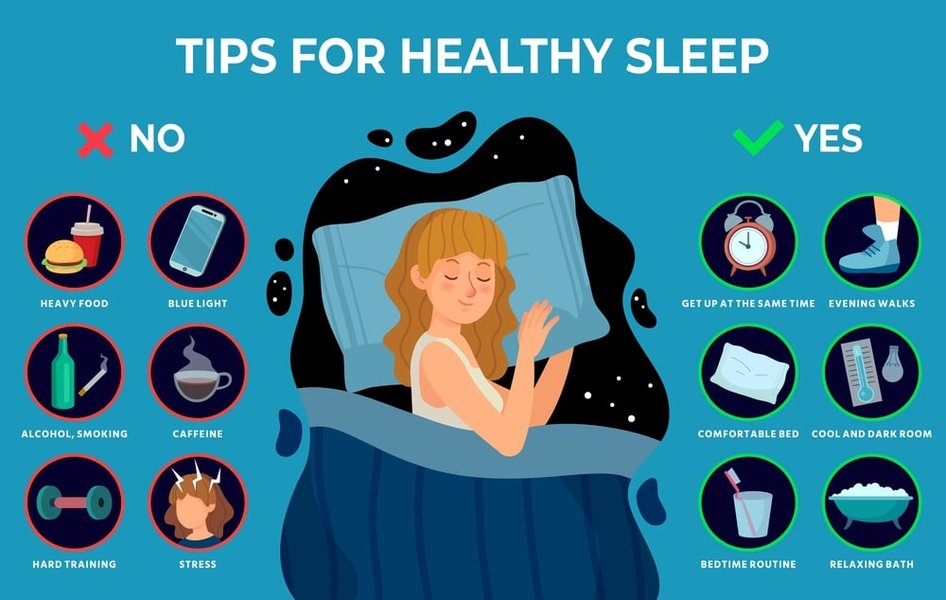
Establishing a calming evening routine that signals to your body that it's time to wind down is crucial. Avoid screens (phones, computers, TV) for at least an hour before bed, practice relaxation techniques like deep breathing or meditation, and create a dark, quiet, and cool sleep environment. Limiting caffeine and alcohol in the evening can also help.
When should I seek professional help for work stress?
If your work stress is persistent, overwhelming, and significantly impacting your daily life, physical health, or relationships, it may be beneficial to seek support from a mental health professional. A therapist or counselor can provide personalized strategies and coping mechanisms for managing stress.
References
Last updated May 5, 2025