
Unlock the Secrets to Making Every Moment Count: Master the Art of Passing Time
Discover fulfilling and engaging ways to transform idle hours into opportunities for growth, creativity, and joy.
Finding the "best" way to pass time is a personal journey, as it largely depends on your individual interests, current mood, available resources, and what you hope to achieve during your free moments. However, a universally effective approach involves engaging in activities that are not only enjoyable but also potentially enriching. Whether you have a few minutes or several hours, the goal is to find pursuits that leave you feeling refreshed, accomplished, or simply content. This guide explores a multitude of strategies to help you make the most of your downtime.
Essential Insights: Key Takeaways for Fulfilling Free Time
- Engage Holistically: The most satisfying ways to pass time often involve a blend of mental stimulation, physical activity, creative expression, and social connection.
- Embrace Intentionality: Actively choosing how you spend your free time, rather than passively letting it slip by, can significantly increase enjoyment and reduce feelings of boredom or stress.
- Personalize Your Pursuits: Tailor your activities to your unique interests and goals. What one person finds engaging, another might not. Experiment to discover what truly resonates with you.
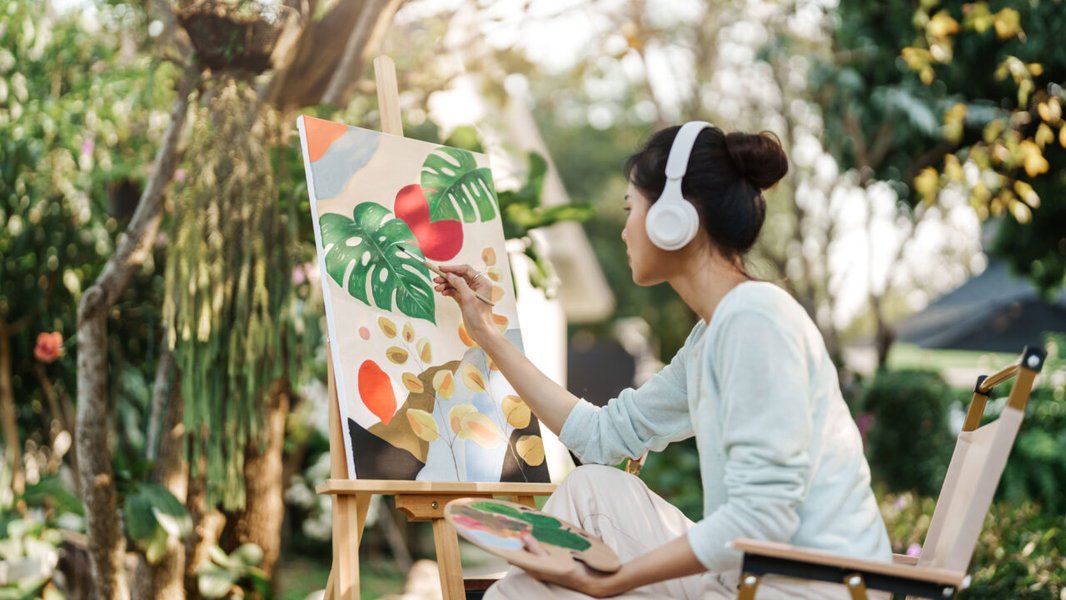
Creative hobbies like painting offer a fantastic way to engage your mind and express yourself.
Diverse Avenues for Engaging Your Time
Time is a precious resource, and how we choose to spend our leisure moments can significantly impact our overall well-being. Instead of letting boredom set in, explore these varied categories of activities designed to make your free time more meaningful and enjoyable.
Stimulate Your Mind: The Joy of Learning and Discovery
Keeping your brain active is a powerful way to make time fly and gain new knowledge or skills. Mental engagement can be both rewarding and deeply satisfying.
Expand Your Knowledge
Dive into subjects that pique your curiosity. The internet offers a vast library of resources for self-directed learning.
- Reading Books and Audiobooks: Immerse yourself in different worlds, learn new perspectives, or acquire in-depth knowledge on a topic of interest. Fiction can transport you, while non-fiction can educate and inspire. Audiobooks are great for multitasking.
- Online Courses and Tutorials: Platforms like Coursera, Udemy, Khan Academy, or Codecademy offer courses on everything from coding and graphic design to history and psychology. Many are free or offer trial periods.
- Learn a New Language: Apps like Duolingo or Babbel make language learning accessible and game-like. Knowing another language can open up new cultural experiences and career opportunities.
- Listen to Podcasts: Explore a universe of topics through podcasts – from educational content and news analysis to comedy and storytelling. They are perfect for listening while commuting, exercising, or doing chores.
- Research Projects: Pick a topic you've always wondered about and do a deep dive. This could be anything from local history to a scientific concept.
Challenge Your Brain
Puzzles and games that require strategic thinking can be highly engaging and improve cognitive functions.
- Puzzles and Brain Teasers: Crossword puzzles, Sudoku, jigsaw puzzles, logic problems, and brain-training apps can sharpen your mind and provide a sense of accomplishment.
- Strategic Games: Board games like chess or Scrabble, or even complex video games, can offer hours of engaging mental stimulation.
Unleash Your Creativity: Express and Innovate
Creative pursuits allow for self-expression and can result in tangible outcomes, providing a deep sense of satisfaction. They are excellent stress relievers and can unlock hidden talents.
Artistic Endeavors
- Drawing, Painting, or Sculpting: You don't need to be a professional artist to enjoy the process of creating visual art. Start with simple sketches, watercolors, or clay.
- Crafting: Try knitting, crocheting, origami, jewelry making, or DIY home décor projects. The possibilities are endless, and you can create unique items for yourself or as gifts.
- Digital Art and Design: Explore graphic design, photo editing, or video creation. Many free tools are available to get you started.
Culinary Adventures
- Cooking and Baking: Experiment with new recipes, try a challenging baking project, or focus on mastering a specific cuisine. Cooking can be both a practical skill and a creative outlet.
Written Expression
- Writing: Start a journal, write poetry, short stories, or a blog. Writing can be therapeutic and a great way to organize your thoughts and share your ideas.
- Calligraphy or Hand Lettering: Develop the art of beautiful writing, which can be used for creating personalized cards, invitations, or artwork.
Musical Expression
- Learn an Instrument: Pick up a guitar, keyboard, ukulele, or any instrument that appeals to you. Online tutorials abound.
- Singing: Join a choir, take singing lessons, or simply sing along to your favorite tunes. Singing has proven mental and physical health benefits.
- Compose Music: If you're musically inclined, try composing your own songs or instrumental pieces using software or traditional methods.

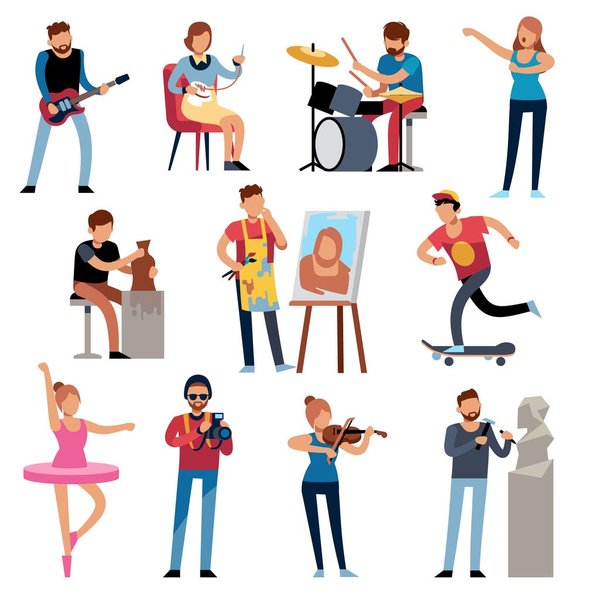
Engaging in hobbies like playing music can be a joyful way to pass time, either solo or with others.
Nourish Your Body: Physical Activity and Outdoor Engagement
Physical well-being is crucial, and incorporating movement into your free time can boost your mood, energy levels, and overall health.
Exercise and Movement
- Workouts: Engage in home workouts (YouTube videos are a great resource), go for a run or brisk walk, cycle, or try yoga or Pilates.
- Dancing: Put on some music and dance around your living room. It's a fun way to get your heart rate up.
- Sports: If you enjoy team activities or individual sports, find local clubs or facilities for activities like swimming, tennis, or basketball.
Connect with Nature
- Gardening: Tending to plants, whether in a large garden, a balcony, or indoor pots, can be incredibly therapeutic and rewarding. Grow flowers, herbs, or vegetables.
- Hiking and Nature Walks: Explore local parks, trails, or nature reserves. Spending time in nature has been shown to reduce stress and improve mental clarity.
- Birdwatching or Stargazing: These activities encourage observation and appreciation of the natural world.
Connect and Contribute: Socializing and Volunteering
Humans are social creatures. Connecting with others and contributing to a cause larger than oneself can bring immense fulfillment.
Strengthen Relationships
- Spend Quality Time with Loved Ones: Engage in meaningful conversations, play games, cook together, or simply enjoy each other's company.
- Reconnect with Old Friends: Call, video chat, or write a letter to friends you haven't spoken to in a while.
- Meet New People: Join clubs, attend local events, or take classes to meet people with similar interests.
Give Back to the Community
- Volunteering: Offer your time and skills to a local charity, animal shelter, community garden, or online volunteering platform. Helping others is a powerful way to gain perspective and feel good.
Productivity and Organization: Creating Order and Accomplishment
Using free time for productive tasks can reduce future stress and create a more pleasant living or working environment.
- Declutter and Organize: Tackle that messy closet, organize your digital files, or rearrange a room. A clean and organized space can improve focus and reduce anxiety.
- Plan and Set Goals: Use some of your free time to plan your week, set personal or professional goals, or work on a passion project.
- Meal Prepping: Prepare meals or ingredients in advance to save time during busy weekdays.
Relax and Recharge: Entertainment and Mindfulness
Sometimes, the best way to pass time is to simply relax and allow your mind and body to unwind.
- Watch Movies or TV Series: Catch up on shows you've missed or discover new favorites. Hosting a movie night can also be a fun social activity.
- Play Video Games: Whether solo or multiplayer, video games can offer immersive entertainment and a way to de-stress.
- Mindfulness and Meditation: Practice mindfulness exercises or guided meditation to calm your mind, reduce stress, and increase self-awareness. Apps like Headspace or Calm can be helpful.
- Take a Nap: If you're feeling tired, a short nap can be incredibly restorative.
- Enjoy a Spa Day at Home: Take a long bath, do a face mask, or give yourself a manicure.
Visualizing Your Options: Activity Effectiveness Radar
This radar chart offers a conceptual look at how different categories of activities might score across various dimensions like mental engagement, creativity, physical activity, social connection, productivity, and relaxation. The scores are illustrative and can vary based on the specific activity within each category and individual preferences.
Use this chart as inspiration to balance your activities. For example, if you've spent a lot of time on mentally engaging tasks, you might switch to something physically active or purely relaxing.
Mapping Your Leisure: A Mindmap of Possibilities
To further illustrate the breadth of options available for passing time constructively and enjoyably, this mindmap branches out from the central theme into various categories and specific activities. It can help you quickly identify areas you might want to explore.
(e.g., Coding, Language)"] Reading["Reading & Audiobooks"] Puzzles["Puzzles & Brain Games
(Sudoku, Crosswords)"] Podcasts_Edu["Educational Podcasts"] Online_Courses["Online Courses"] Creative_Outlets["Creative Outlets"] Arts_Crafts["Arts & Crafts
(Painting, Knitting)"] Writing_Journaling["Writing & Journaling"] Music_Play_Compose["Music (Play, Compose)"] Cooking_Baking["Cooking & Baking"] DIY_Projects["DIY Projects"] Physical_Activities["Physical Activities"] Exercise_Sports["Exercise & Sports
(Yoga, Running, Team Sports)"] Gardening["Gardening"] Outdoor_Exploration["Outdoor Exploration
(Hiking, Walking)"] Dancing["Dancing"] Social_Engagement["Social Engagement"] Family_Friends_Time["Time with Family/Friends"] Volunteering["Volunteering"] Join_Clubs["Join Clubs/Groups"] Networking["Networking"] Productive_Tasks["Productive Tasks"] Organize_Declutter["Organize & Declutter"] Goal_Setting_Planning["Goal Setting & Planning"] Learn_Practical_Skill["Learn a Practical Skill
(e.g., Basic Repair)"] Side_Hustle["Work on a Side Hustle"] Relaxation_Fun["Relaxation & Fun"] Watch_Movies_Shows["Watch Movies/TV Shows"] Play_Games["Play Video/Board Games"] Listen_Music_Relax["Listen to Relaxing Music"] Meditation_Mindfulness["Meditation & Mindfulness"] Hobbies_Enjoy["Enjoy Hobbies"]
This mindmap provides a visual overview, demonstrating how interconnected different types of activities can be and offering a springboard for ideas when you're unsure how to spend your free time.
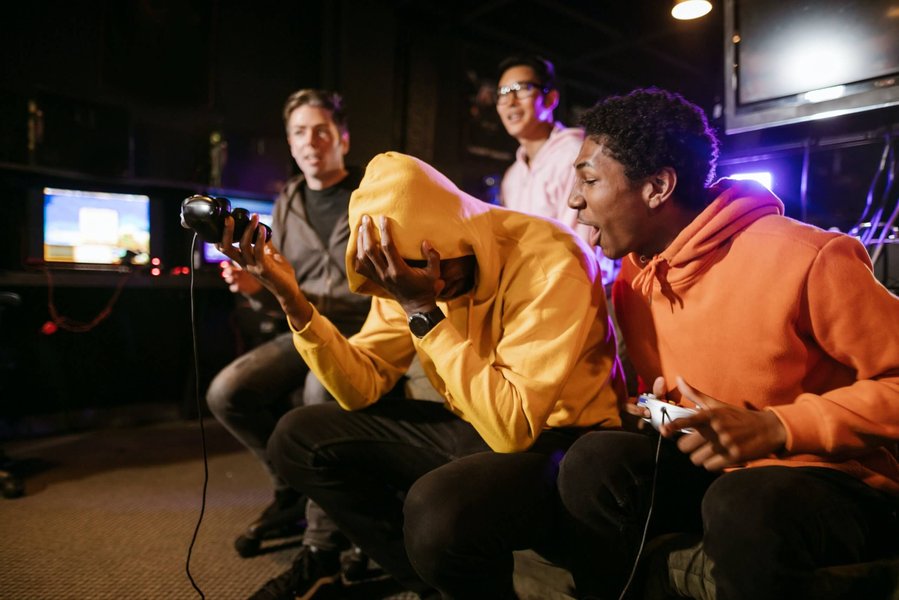
Video games can be an immersive and fun way to pass time and even connect with friends online.
Video Inspiration: Productive Ways to Spend Your Free Time
Sometimes, a visual guide can offer fresh perspectives. The following video explores several productive ways to utilize your free time, aligning with many of the concepts discussed. It emphasizes transforming downtime into opportunities for growth and enjoyment.
This video, "Bored? 5 Productive Ways to Spend Your Free Time," offers practical ideas that can inspire you to approach your leisure with more intention. It covers activities that challenge and stimulate, helping you feel more accomplished and less like you're just "killing time."
Activity Summary: Benefits at a Glance
To help you choose, here’s a table summarizing various activity categories, examples, and their primary benefits:
| Activity Category | Examples | Key Benefits |
|---|---|---|
| Mental Engagement | Reading, learning a language, puzzles, online courses, research | Cognitive improvement, knowledge acquisition, skill development, sustained focus |
| Creative Pursuits | Painting, writing, playing music, cooking, crafting, DIY projects | Self-expression, stress relief, tangible outcomes, skill development, enhanced imagination |
| Physical Well-being | Exercise, sports, yoga, gardening, hiking, dancing | Improved physical health, mood boost (endorphins), stress reduction, increased energy |
| Social Connection & Contribution | Spending time with loved ones, volunteering, joining clubs, calling friends | Stronger relationships, sense of belonging, emotional support, purpose, community impact |
| Productivity & Organization | Decluttering, planning, meal prepping, learning practical skills | Sense of accomplishment, reduced future stress, improved efficiency, organized environment |
| Relaxation & Entertainment | Watching movies/shows, listening to music/podcasts, playing games, meditation, napping | Stress reduction, enjoyment, mental break, rejuvenation, mood improvement |
Remember that many activities can span multiple categories. For instance, gardening can be both a physical activity and a creative outlet, while playing a complex board game can be both mentally engaging and social.
The Importance of Intentionality and Balance
While having a plethora of options is great, it's also important to be intentional about how you spend your free time. Constantly feeling pressured to be "productive" during leisure can paradoxically lead to stress and diminish enjoyment. The key is to find a balance that works for you—mixing activities that help you grow with those that simply allow you to relax and recharge.
Consider structuring some of your free time, perhaps by setting small, achievable goals for a hobby or learning endeavor. Breaking tasks into manageable blocks (e.g., 20-30 minute focused intervals) can make them less daunting and more enjoyable. However, also allow for spontaneity and unstructured downtime where you simply do what feels right in the moment without guilt.
Reading is a timeless way to relax, learn, and escape into other worlds.
Frequently Asked Questions (FAQ)
How can I make time pass faster when I'm truly bored?
What are some productive ways to spend free time that don't feel like work?
Are there free ways to pass time effectively?
How can I avoid mindless scrolling on social media when I have free time?
Conclusion
The "best" way to pass time is ultimately subjective and dynamic, changing with your mood, energy levels, and personal goals. The most fulfilling approach often involves a blend of activities that engage your mind, nurture your creativity, promote physical well-being, foster social connections, and allow for genuine relaxation. By exploring diverse options and being intentional about your choices, you can transform idle moments into valuable opportunities for growth, enjoyment, and rejuvenation, making every minute count.
Recommended Further Exploration
- How to find a new hobby that matches my personality and interests?
- What are the long-term benefits of consistently learning new skills in free time?
- How can I strike a healthy balance between productive activities and pure relaxation during my leisure hours?
- What are some creative and engaging ways to connect with friends and family when physical distance is a barrier?