
Best Ways to Practice Mindfulness
Enhance Your Well-Being with Proven Mindfulness Techniques
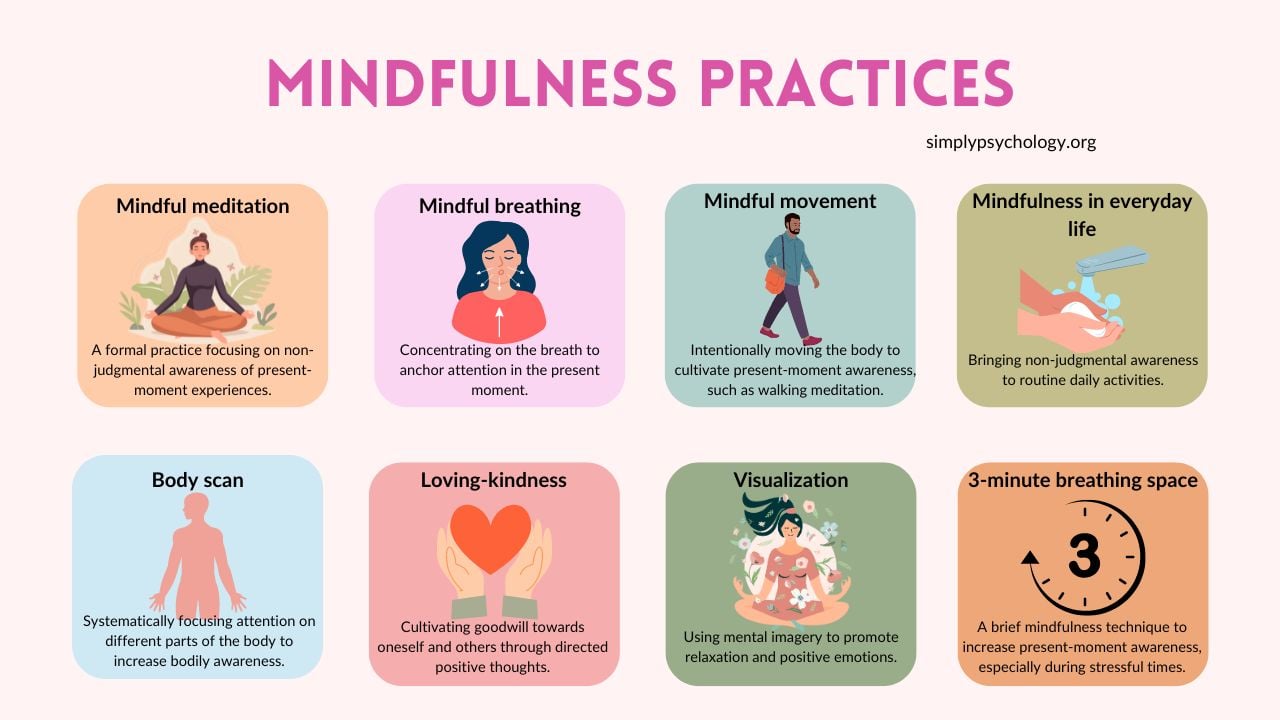
Key Takeaways
- Mindful Breathing: A foundational practice that anchors you in the present moment.
- Body Scan Meditation: Enhances body awareness and reduces physical tension.
- Mindful Daily Activities: Integrating mindfulness into routine tasks fosters sustained presence.
Introduction to Mindfulness
Mindfulness is the practice of being fully present and engaged in the current moment, aware of your thoughts, feelings, and sensations without judgment. This mental state enhances emotional regulation, reduces stress, and improves overall well-being. Incorporating mindfulness into daily life can transform how you interact with the world, fostering resilience and a deeper sense of peace.
Effective Mindfulness Practices
1. Mindful Breathing
Mindful breathing is a cornerstone of many mindfulness practices. It involves focusing your attention on the breath, observing each inhalation and exhalation without attempting to change it. This simple yet powerful technique helps anchor your mind in the present moment, reducing distractions and enhancing concentration.
- How to Practice: Sit comfortably, close your eyes, and bring awareness to your breathing. Notice the sensation of air entering and leaving your nostrils or the rise and fall of your abdomen. If your mind wanders, gently redirect your focus back to your breath.
- Duration: Start with 5 minutes daily, gradually increasing to 15-20 minutes as you become more comfortable.
- Benefits: Reduces stress, improves focus, and enhances emotional regulation.
2. Body Scan Meditation
Body scan meditation involves systematically directing your attention to different parts of your body, starting from the toes and moving up to the head. This practice increases bodily awareness, helps identify areas of tension, and promotes relaxation.
- How to Practice: Lie down or sit comfortably. Begin by focusing on your toes, noting any sensations or tension. Gradually move your attention upwards, part by part, until you reach the top of your head.
- Duration: Typically 10-30 minutes.
- Benefits: Enhances body awareness, reduces physical tension, and fosters a sense of calm.
3. Mindful Eating
Mindful eating encourages you to fully experience the act of eating, paying attention to the flavors, textures, and aromas of your food. It promotes healthier eating habits and increases appreciation for nourishment.
- How to Practice: Eat slowly without distractions, such as TV or smartphones. Focus on each bite, savoring the taste and texture.
- Duration: Apply mindfulness to at least one meal or snack each day.
- Benefits: Improves digestion, fosters a healthier relationship with food, and enhances meal satisfaction.
4. Mindful Walking
Mindful walking turns a simple stroll into a meditative practice. By focusing on the sensations of movement and the environment, you can cultivate presence and reduce mental clutter.
- How to Practice: Walk slowly, paying attention to the feeling of your feet contacting the ground, the movement of your legs, and the rhythm of your breath. Observe your surroundings without judgment.
- Duration: 10-20 minutes per session.
- Benefits: Enhances physical well-being, reduces stress, and fosters a deeper connection with your environment.
5. Gratitude Journaling
Gratitude journaling involves writing down things you are thankful for each day. This practice shifts focus to positive aspects of life, enhancing overall mood and fostering a sense of contentment.
- How to Practice: Set aside a few minutes each day to jot down 3-5 things you are grateful for. Reflect on why you appreciate them and how they impact your life.
- Duration: 5-10 minutes daily.
- Benefits: Promotes positive thinking, reduces negative emotions, and enhances emotional resilience.
6. Mindful Listening
Mindful listening enhances your interactions by encouraging full attention to the speaker without planning your response or getting distracted. This practice improves communication and builds deeper connections.
- How to Practice: During conversations, focus entirely on what the other person is saying. Notice their tone, emotions, and body language without interrupting or formulating your response while they speak.
- Duration: Integrate into daily conversations.
- Benefits: Strengthens relationships, enhances empathy, and improves understanding.
7. Guided Meditation
Guided meditation uses audio or video instructions to lead you through mindfulness practices. This can be especially helpful for beginners or those seeking structure in their practice.
- How to Practice: Utilize mindfulness apps like Calm, Headspace, or Insight Timer. Follow the guided sessions focusing on various aspects like breath, body, or specific intentions.
- Duration: Sessions typically range from 5 to 30 minutes.
- Benefits: Provides structure, introduces diverse techniques, and ensures consistent practice.
8. Single-Tasking
Single-tasking involves focusing on one task at a time, eliminating multitasking. This practice enhances concentration and improves the quality of your work.
- How to Practice: Choose one activity to focus on, whether it’s reading, cooking, or working. Eliminate distractions and give your full attention to the task at hand.
- Duration: Apply throughout daily activities.
- Benefits: Increases productivity, reduces errors, and fosters a sense of accomplishment.
9. Mindful Journaling
Mindful journaling encourages you to express your thoughts and feelings without judgment. This reflective practice aids in emotional processing and self-awareness.
- How to Practice: Dedicate time each day to write freely about your experiences, emotions, and thoughts. Let your writing flow without censoring or editing.
- Duration: 10-15 minutes daily.
- Benefits: Enhances emotional clarity, reduces stress, and promotes personal growth.
10. Nature Immersion
Spending time in nature and attuning your senses to the natural environment can be profoundly grounding and calming. This practice connects you with the present moment through sensory experiences.
- How to Practice: Take walks in natural settings like parks, forests, or beaches. Focus on the sounds of birds, the feel of the breeze, and the sights around you.
- Duration: At least 20 minutes a few times a week.
- Benefits: Reduces stress, improves mood, and enhances overall well-being.
Integrating Mindfulness into Daily Life
To maximize the benefits of mindfulness, it's essential to weave these practices seamlessly into your daily routine. Here are strategies to help you maintain consistency and deepen your mindfulness journey:
1. Start Small
Begin with short, manageable sessions. Even a few minutes of mindfulness each day can build a strong foundation and make it easier to gradually increase the duration as you become more comfortable.
2. Consistency Over Duration
Regular practice is more beneficial than occasional long sessions. Aim to incorporate mindfulness into your daily routine, making it a consistent habit.
3. Use Reminders
Set reminders on your phone or place visual cues around your home or workspace to prompt you to practice mindfulness throughout the day.
4. Create a Dedicated Space
Having a specific area for mindfulness practices can enhance your focus and make it easier to maintain a routine. This space can be as simple as a quiet corner with a comfortable chair or cushion.
5. Be Patient and Kind to Yourself
Mindfulness is a skill that develops over time. It's normal for the mind to wander during practice. Instead of judging yourself, gently redirect your focus back to the present moment.
6. Combine Practices
Integrate multiple mindfulness techniques to create a comprehensive practice. For example, pair mindful breathing with a body scan meditation to enhance both mental and physical awareness.
7. Utilize Technology Mindfully
Leverage apps and online resources to guide your mindfulness practices. Tools like meditation apps can provide structure, variety, and motivation to maintain your practice.
8. Reflect on Your Progress
Periodically assess how mindfulness practices are impacting your life. Journaling can be an effective way to track changes in mood, stress levels, and overall well-being.
9. Engage in Mindful Movement
Activities like yoga or Tai Chi combine physical movement with mindfulness, promoting both physical and mental well-being. These practices enhance flexibility, strength, and mental clarity.
10. Practice Non-Striving
Approach mindfulness with an attitude of acceptance rather than striving for specific outcomes. Focus on observing the present moment without trying to change it.
Advanced Mindfulness Techniques
1. Loving-Kindness Meditation
Loving-kindness meditation focuses on cultivating compassion and love towards yourself and others. This practice enhances empathy and positive emotional states.
- How to Practice: Sit comfortably and silently repeat phrases like "May I be happy, may I be healthy," extending these wishes to others.
- Duration: 10-15 minutes per session.
- Benefits: Increases feelings of warmth and compassion, reduces negative emotions.
2. Visualization Meditation
Visualization involves creating mental images to promote relaxation and positive thinking. This practice can help achieve specific goals and reduce anxiety.
- How to Practice: Close your eyes and imagine a peaceful place or a desired outcome. Engage all your senses to make the visualization vivid.
- Duration: 10-20 minutes per session.
- Benefits: Enhances focus, reduces stress, and fosters a positive mindset.
3. Mindful Breathing with Counting
Adding a counting element to mindful breathing can help maintain focus and deepen the practice.
- How to Practice: Inhale deeply and count "one," exhale and count "two," continuing up to ten before starting over.
- Duration: 10-15 minutes per session.
- Benefits: Enhances concentration, promotes rhythm in breathing, and reduces mental chatter.
4. Mindful Technology Use
Applying mindfulness to your interactions with technology can reduce digital stress and improve focus.
- How to Practice: Set specific times for checking emails and social media. Practice being fully present during digital interactions without multitasking.
- Duration: Throughout daily technology use.
- Benefits: Reduces digital overwhelm, enhances productivity, and fosters healthier tech habits.
Mindfulness Tips for Success
To ensure a fruitful mindfulness practice, consider the following strategies:
-
Start Small: Begin with brief sessions and gradually increase the duration as you become more comfortable.
-
Be Consistent: Regular practice is key to reaping the benefits of mindfulness.
-
Be Patient: Mindfulness is a skill that develops over time. Don't judge yourself if your mind wanders; gently redirect your focus.
-
Use Resources: Leverage apps, books, and online courses to guide and support your practice.
-
Set Clear Intentions: Define why you want to practice mindfulness and set achievable goals to stay motivated.
-
Create a Supportive Environment: Surround yourself with reminders and create a dedicated space for mindfulness practices.
-
Engage in Reflective Practices: Regularly assess how mindfulness is impacting your life and make adjustments as needed.
-
Embrace Flexibility: Adapt your practices to fit your lifestyle and adjust techniques to what resonates most with you.
-
Incorporate Mindfulness into Relationships: Practice being fully present in your interactions with others to enhance connections and understanding.
-
Celebrate Progress: Acknowledge and celebrate your mindfulness milestones to maintain motivation and positivity.
Conclusion
Mindfulness is a versatile and accessible practice that can significantly enhance your quality of life. By incorporating techniques such as mindful breathing, body scan meditation, and mindful eating into your daily routine, you can cultivate a deeper sense of presence, reduce stress, and improve emotional well-being. Remember that mindfulness is a journey, and patience and consistency are essential as you develop this invaluable skill.
References
Last updated January 24, 2025