
Unlocking Your Creative Potential: Proven Strategies to Boost Innovation
Discover effective techniques and daily habits to enhance your creative thinking and problem-solving abilities.
Key Highlights for Boosting Creativity
- Engage with Novelty: Actively seek out new experiences, perspectives, and environments to stimulate fresh thinking.
- Embrace Physical Activity: Simple actions like walking have been shown to significantly enhance creative output.
- Cultivate Mindfulness and Reflection: Practices such as meditation and journaling can help clear mental clutter and allow new ideas to emerge.
Creativity is not an innate talent reserved for a select few; it is a skill that can be developed and strengthened through conscious effort and practice. In today's rapidly evolving world, the ability to think creatively and generate innovative solutions is more valuable than ever, both in personal and professional spheres. Fortunately, there are numerous proven strategies and habits that can help you unlock and amplify your creative potential.
Cultivating a Creative Mindset
Developing a creative mindset begins with a willingness to explore, experiment, and embrace uncertainty. It involves shifting your perspective and actively seeking out inspiration in the world around you.
Embrace Curiosity and Seek New Experiences
A fundamental aspect of boosting creativity is nurturing your curiosity. Being open to new ideas and experiences broadens your perspective and provides fresh fodder for your imagination. This can involve trying a new hobby, traveling to a different place, reading books outside your usual genre, or simply taking a different route on your daily walk.
Interacting with people from diverse backgrounds and engaging in conversations that challenge your existing beliefs can also expose you to new ways of thinking and problem-solving. This exposure to novelty is crucial for breaking free from established patterns and generating original ideas.
Make Time for Creativity
In our busy lives, it's easy for creative pursuits to fall by the wayside. Intentionally scheduling time for creative activities, whether it's painting, writing, playing music, or brainstorming, signals to your brain that creativity is a priority. Even short, dedicated periods can be beneficial. Allow yourself to daydream and explore imaginative scenarios without immediate pressure for a tangible outcome.
This dedicated time provides the mental space needed for ideas to form and connections to be made. It's an opportunity to engage with activities that genuinely spark your interest and bring you joy, which can be a powerful catalyst for creative flow.
Engaging in hobbies can foster creativity.
Embrace Failure and Take Risks
Fear of failure can be a significant barrier to creativity. Not every idea will be a masterpiece, and that's okay. View setbacks as learning opportunities rather than reasons to give up. Allowing yourself the freedom to pursue different ideas, even those that seem unconventional or risky, is essential for pushing the boundaries of your thinking.
Taking creative risks helps you step outside your comfort zone and discover new possibilities. The process of experimentation and iteration is a core component of innovation.
Leveraging Physical and Mental Well-being
Your physical and mental state significantly impacts your creative capacity. Nurturing your well-being can create a fertile ground for innovative thought.
The Power of Movement and Nature
Physical activity, even something as simple as walking, has been scientifically proven to boost creativity. Walking can clear your mind, reduce stress, and stimulate different areas of the brain involved in creative thinking. Spending time in nature has also been shown to enhance creativity and cognitive function.

Walking in nature can significantly boost creative output.
Incorporating regular exercise and spending time outdoors into your routine can provide a valuable boost to your creative output.
Mindfulness and Meditation
Mindfulness practices, such as meditation, can help calm the "monkey mind" and create space for new ideas to emerge. By focusing on the present moment and observing your thoughts without judgment, you can reduce mental clutter and gain a clearer perspective. This can lead to unexpected insights and connections that fuel creative thinking.
A daily gratitude practice has also been linked to heightened creativity, suggesting that a positive emotional state can be a good starting point for innovative thought.
Prioritize Sleep and Nutrition
Adequate sleep is crucial for cognitive function, including creativity. During sleep, your brain consolidates memories and makes connections, which can lead to breakthroughs and insights. Similarly, a nutritious diet provides the fuel your brain needs to perform at its best. Eating well and getting enough rest are foundational for a creative mind.
Employing Creative Techniques and Strategies
Beyond cultivating a supportive mindset and lifestyle, specific techniques can be employed to generate ideas and approach problems in novel ways.
Brainstorming and Idea Generation
Brainstorming is a classic technique for generating a large volume of ideas in a short period. This can be done individually or in a group. The key is to suspend judgment and encourage the free flow of ideas, no matter how unconventional they may seem initially. Mind mapping, a visual brainstorming technique, can also help organize thoughts and reveal connections between different concepts.
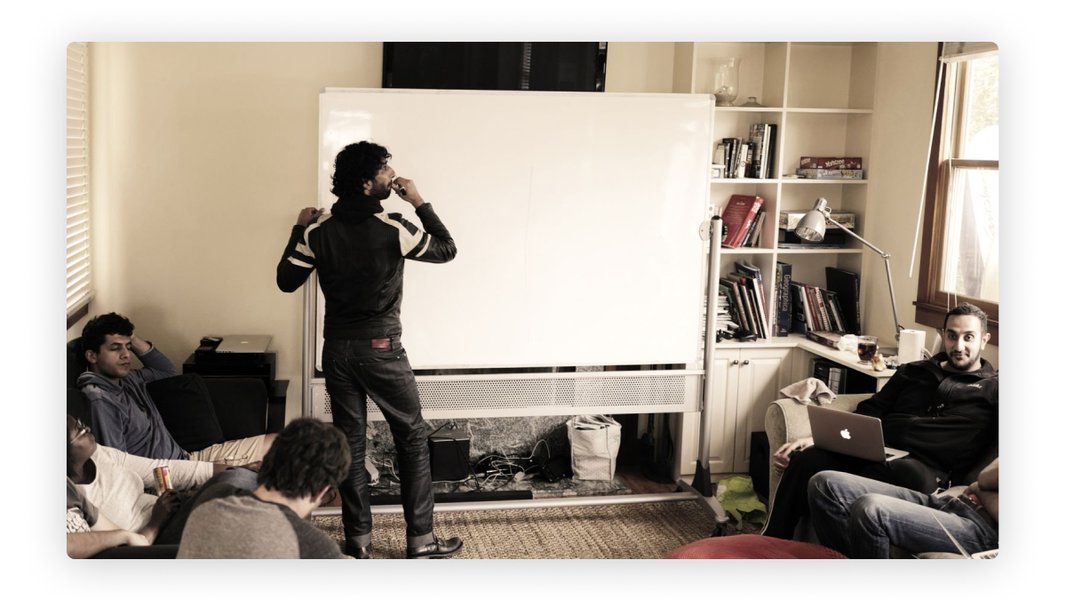
Brainstorming sessions encourage the free flow of ideas.
Keeping an Idea Journal
Ideas can strike at any time, so it's essential to have a system for capturing them. Keeping a journal, notebook, or using a voice recorder allows you to quickly document thoughts, observations, and inspirations as they arise. Regularly reviewing your journal can help you identify patterns, connect seemingly unrelated ideas, and develop them further.
Seeking Out Diverse Perspectives
Collaborating with others who have different backgrounds, skills, and perspectives can lead to unexpected insights and innovative solutions. Engaging in discussions and actively listening to others' viewpoints can challenge your assumptions and broaden your understanding of a problem.
Even if you work independently, seeking feedback from others on your ideas can provide valuable alternative perspectives.
Introducing Constraints
While it might seem counterintuitive, introducing constraints can actually foster creativity. Limitations in resources, time, or materials can force you to think more resourcefully and come up with innovative solutions within those boundaries. This can lead to a more focused and efficient creative process.
Delaying Decisions
When faced with multiple potential solutions, resist the urge to immediately pick the first seemingly viable option. Delaying your decision allows for a longer period of exploration and incubation, where your subconscious mind can continue to work on the problem and potentially generate more creative alternatives. This doesn't mean procrastination, but rather a conscious decision to allow for further thought and development.
The Role of Environment
Your physical environment can also play a role in stimulating creativity. Simple changes can make a difference.
Designing an Inspiring Workspace
Your workspace should be a place that inspires you. Consider incorporating elements that stimulate your senses, such as plants, natural light, and artwork. Decluttering your space can also help clear your mind and improve focus. Experiment with different arrangements and elements to create an environment that fosters your creative flow.
Summary of Creativity-Boosting Strategies
Here is a table summarizing some of the key strategies for boosting creativity:
| Category | Strategy | Description |
|---|---|---|
| Mindset | Embrace Curiosity | Actively seek new experiences and perspectives. |
| Mindset | Make Time for Creativity | Schedule dedicated time for creative pursuits. |
| Mindset | Embrace Failure | View setbacks as learning opportunities and take risks. |
| Well-being | Engage in Physical Activity | Regular exercise, especially walking, boosts creative output. |
| Well-being | Practice Mindfulness | Meditation and gratitude can clear the mind and foster insights. |
| Well-being | Prioritize Sleep and Nutrition | Ensure adequate rest and a healthy diet for optimal brain function. |
| Techniques | Brainstorming | Generate a large volume of ideas without judgment. |
| Techniques | Keep an Idea Journal | Capture thoughts and inspirations as they arise. |
| Techniques | Seek Diverse Perspectives | Collaborate with others and welcome different viewpoints. |
| Techniques | Introduce Constraints | Use limitations to force innovative problem-solving. |
| Techniques | Delay Decisions | Allow for incubation time before finalizing ideas. |
| Environment | Design an Inspiring Workspace | Create a physical space that stimulates creativity. |
Implementing a combination of these strategies can help you cultivate a more creative mind and approach challenges with fresh perspectives.
Frequently Asked Questions About Boosting Creativity
Is creativity something you are born with, or can it be learned?
While some individuals may have a natural inclination towards creative thinking, creativity is widely regarded as a skill that can be developed and strengthened through practice and the application of specific techniques. Just like any other skill, the more you engage in creative activities and employ strategies to stimulate your thinking, the more creative you can become.
How long does it take to see an improvement in creativity?
The time it takes to see improvement varies from person to person and depends on the consistency and effort applied. However, by consistently implementing creativity-boosting strategies and making them a regular part of your routine, you can expect to see positive changes in your ability to generate new ideas and approach problems creatively over time.
Can being bored actually help creativity?
Yes, allowing yourself to experience periods of boredom can surprisingly be beneficial for creativity. When your mind isn't constantly stimulated, it has the opportunity to wander and make unexpected connections. This mental downtime can be a fertile ground for innovative ideas to emerge.
How do I overcome creative blocks?
Creative blocks are common and can be overcome by trying different approaches. Some effective strategies include changing your environment, engaging in physical activity, seeking inspiration from other sources, revisiting past ideas, or simply taking a break and returning to the task with fresh eyes. Don't be afraid to experiment with different techniques until you find what works best for you.
Recommended Further Exploration
- What does science say about the creative process in the brain?
- What are effective brainstorming techniques for team settings?
- How can mindfulness exercises enhance both focus and creative thinking?
- What are the key principles for designing a workspace that encourages innovation?
References
Last updated May 19, 2025