
Generating Electrical Energy from a Bicycle Locally
Harnessing Pedal Power for Renewable, Local Energy Solutions
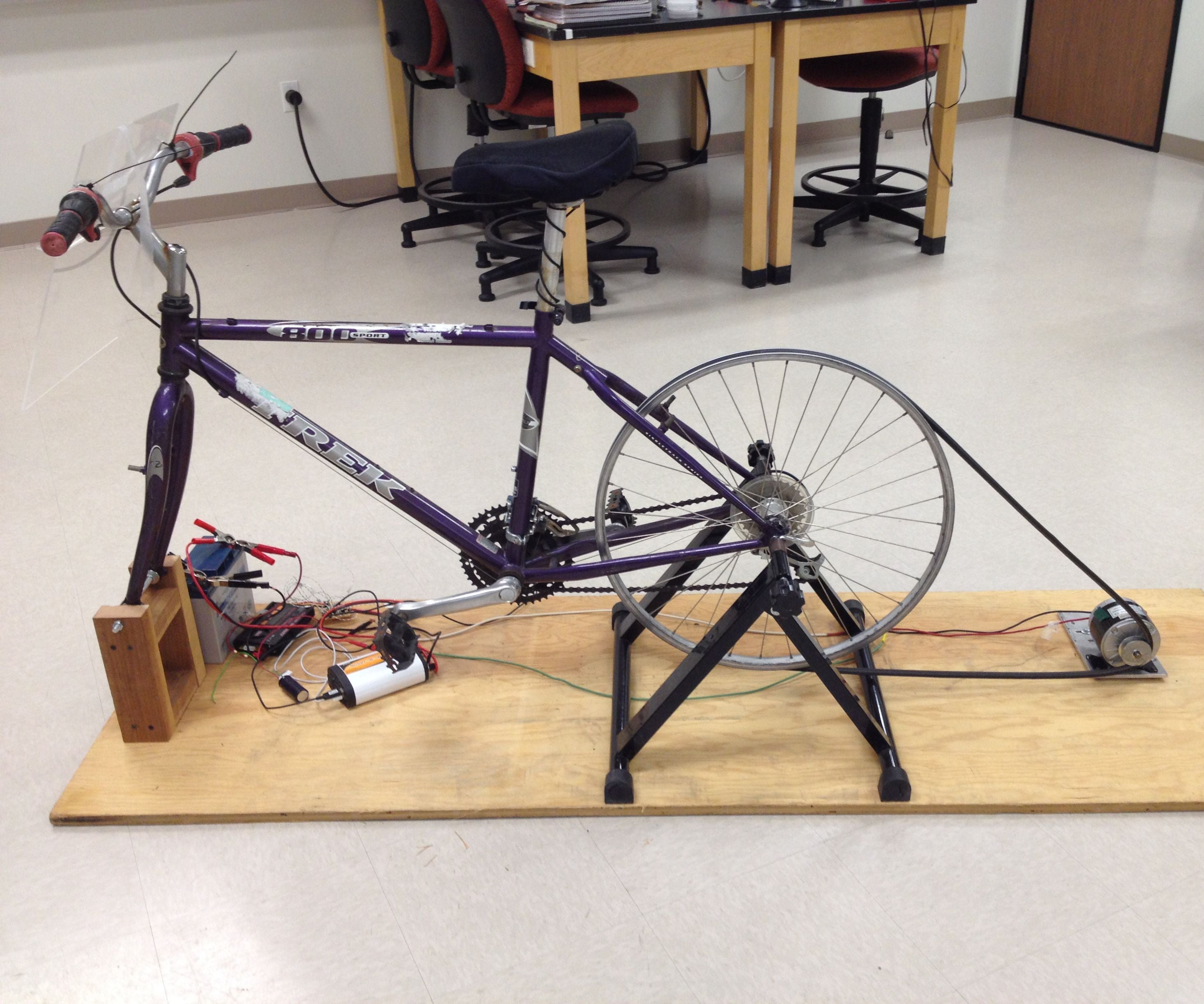
Key Insights
- Efficient Conversion: Using bicycle generators, dynamo hubs, or pedal-powered setups to convert mechanical energy into electrical power.
- Components and Setup: Requires a proper assembly of components including the bicycle, generator, voltage regulators, battery storage, and sometimes an inverter.
- Applications & Limitations: Suitable for small devices, emergency power, off-grid usage, while efficiency and power output are typically limited by human-generated input.
Understanding the Basic Principle
Generating electrical energy from a bicycle involves a straightforward conversion process: human mechanical energy is transformed into electrical energy using devices such as generators or dynamos. This conversion leverages the principle of electromagnetic induction, whereby the motion of the bicycle’s wheel causes a conductor (or coil) to move within a magnetic field, resulting in an induced voltage. In mathematical terms, if we consider the power output \( P \) as a function of the force exerted \( F \) and the rotational speed \( \omega \), then:
\(\textstyle \ P \propto F \cdot \omega\)
In such systems, the energy generated is dependent on the effort of the cyclist and the efficiency of the conversion mechanism. As the bicycle wheel rotates, whether through direct contact with a dynamo hub or via a chain or belt drive linked to a separate DC generator, the kinetic energy of pedaling is harnessed and converted into electrical energy. The electricity produced can either be immediately used to power devices or stored in batteries for later use.
Components Required for a Bicycle Generator System
1. Bicycle or Pedaling Mechanism
The primary source of mechanical energy is the bicycle itself. A standard bicycle or an exercise bike is modified to incorporate a mechanism that allows its rotational energy to be utilized by an electrical generator. The pedal power from the cyclist is crucial for initiating the conversion process.
2. Generator or Dynamo Hub
The core device that converts mechanical energy into electrical energy is typically a DC generator or a specially designed dynamo hub. The dynamo hub is integrated into the wheel system so that as the wheel spins, it generates a current. Alternatively, a separate generator can be mounted, where the bicycle’s motion is transferred via a chain or belt. The generator’s output voltage and current depend on its design (often 12V or higher is used) and the pedaling speed.
3. Drive Mechanism (Chain or Belt Drive)
A drive mechanism is essential for transferring the kinetic energy from the bicycle wheel to the generator. This is typically done with a chain or belt system, ensuring efficient energy transfer while minimizing losses through friction or misalignment.
4. Voltage Regulator
To stabilize the electrical output and prevent damage to downstream electronics, a voltage regulator is implemented in the circuit. This helps maintain a consistent voltage level even if the cyclist’s speed varies.
5. Energy Storage (Battery System)
Often, the electricity generated is stored in batteries to provide power when pedaling is not possible. This battery system can range from small lead-acid or lithium-ion batteries to more complex setups depending on the application – from charging devices to contributing to household power.
6. Inverter (Optional for AC Devices)
When the aim is to power household appliances or devices that require alternating current (AC), an inverter is necessary to convert the stored direct current (DC) into AC power.
The Practical Setup and Operation
Installation and Assembly
The conversion setup typically involves a DIY approach where each of the aforementioned components is assembled together. The assembly begins with establishing a secure mounting for the generator—whether it is integrated as a dynamo hub or attached via a chain drive. The connection must ensure that the generator rotates reliably with the movement of the bike wheel. Reliable wiring is then routed from the generator to the voltage regulator and subsequently to the battery storage system, ensuring proper insulation and safety measures.
Depending on the application, some may choose to install additional components such as an inverter to convert stored DC power into AC. This setup may also include circuit protection devices such as fuses or circuit breakers to safeguard against electrical faults.
Hybrid Systems for Enhanced Utility
In many practical implementations, the bicycle generator is augmented with additional renewable sources or electric components to form a hybrid system. For example, by integrating solar panels along with the bicycle generator, homeowners might create a more robust and reliable off-grid power solution. The battery bank stores energy from both sources, ensuring that energy production is not solely reliant on human effort. This results in a more balanced system that can help meet intermittent energy demands in remote or off-grid applications.
Efficiency, Applications, and Real-World Implications
Efficiency Considerations
One of the primary challenges in generating electricity using a bicycle is the efficiency of the conversion process. Human pedaling, while effective for exercise or small-scale energy generation, is limited in terms of total power output. Most amateur cyclists can generate approximately 100-150 watts continuously, which is sufficient for charging small electronic devices or powering LED lighting. However, achieving higher power output will require either prolonged periods of pedaling or the use of multiple generators operating in tandem.
The efficiency of the overall system depends on the design of the generator, the friction losses in the drive mechanism, and the effectiveness of voltage regulation. Individuals may experience fluctuations in electrical output depending on variations in pedaling speed and resistance. Moreover, while technologies such as inverter systems and battery management can stabilize the energy supply, there is inevitably some energy loss throughout the conversion and storage process.
Practical Applications
Bicycle generators have several practical applications, both in everyday situations and specialized scenarios:
- Portable and Off-Grid Power: Ideal for charging mobile phones, powering small appliances, or providing lighting in remote locations where access to the grid is intermittent or unavailable.
- Emergency Backup Power: During power outages or natural disasters, a bicycle generator can serve as a reliable emergency energy source for essential devices.
- Educational Purposes: Demonstrations of energy conversion principles in schools and community workshops can increase awareness regarding renewable energy and sustainability.
- Sustainable Living: Some eco-conscious households integrate bicycle generators into their off-grid setups, allowing residents to contribute personal energy to everyday needs.
- Exercise and Energy Generation: Combining physical exercise with practical results, these systems allow individuals to contribute to energy needs while also maintaining physical fitness.
It is important to note that while bicycle generators present an intriguing method to produce energy, they are not capable of replacing conventional power sources for high-demand applications. Instead, they serve as an innovative supplement or an educational tool that emphasizes sustainability and self-sufficiency.
Real-World Implementations and Considerations
Several initiatives and DIY projects worldwide have demonstrated the viability of bicycle generators in practical scenarios. Community projects have set up pedal-powered charging stations at events, providing free power for cell phone charging, or even contributing supplementary energy to local grids in off-grid communities. In households that emphasize renewable living, bicycle generators offer an additional layer of energy security.
One challenge that frequently arises is the balance between the energy required during intensive pedal sessions and realistic energy consumption needs. A typical setup might need more than a single individual working continuously to meet household demands. However, even modest contributions can alleviate minor outages and foster community engagement in renewable energy practices. Over time, improvements in generator and battery technologies continue to enhance the practicality of these systems.
Comprehensive Component Overview
| Component | Description | Applications |
|---|---|---|
| Bicycle/Pedaling Mechanism | A standard or modified bicycle that provides the mechanical input through pedaling. | Source of kinetic energy; exercise and power generation combined. |
| Generator/Dynamo Hub | Device that converts the rotational energy from the bicycle into electrical energy. | Dynamo hubs can directly supply lights or charge batteries; DC generators are more flexible. |
| Drive Mechanism | Chain or belt system to transfer energy from the wheel to the generator. | Ensures efficient energy transfer with minimal losses. |
| Voltage Regulator | Device that stabilizes the voltage output from the generator. | Protects batteries and connected devices from fluctuations. |
| Battery Storage | Recharges batteries to store generated energy for later use. | Provides a reserve of power during periods when pedaling is not possible. |
| Inverter | Converts stored DC power into AC power when required. | Enables the powering of standard household appliances and electronic devices. |
Safety and Maintenance Considerations
Operational Safety
Safety is paramount when constructing and operating a bicycle generator setup. Ensuring that all connections, from the drive mechanism to the wiring, are securely installed helps to prevent accidents and reduce the risk of electrical hazards. Circuit protection, including fuses and voltage cutoffs, can safeguard the equipment in the event of an overload or short circuit. Regular checks of the braking system on the bicycle and the mounting fixtures for the generator are advisable to avoid mechanical failures during operation.
Routine Maintenance
For optimal performance, a bicycle generator system demands routine maintenance. Common maintenance tasks include:
- Cleaning: Regularly clean the generator and drive mechanism to remove dust and debris which could reduce efficiency.
- Inspection: Periodically inspect cables, battery connections, and mounting fixtures for signs of wear or damage.
- Lubrication: Use appropriate lubricants for the drive chain or belt to minimize friction and maintain smooth operation.
- Battery Health: Monitor battery charge cycles and overall health to ensure energy storage is efficient and reliable.
Additional Implementations and Innovative Uses
Educational and Community Projects
Numerous educational projects have successfully implemented bicycle generators to promote renewable energy awareness. Schools and community centers have set up interactive displays where individuals can pedal to generate power for lighting displays or small educational exhibits. These projects not only demonstrate technical principles such as energy conversion and efficiency but also actively involve participants in sustainable practices.
Integration with Other Renewable Energy Sources
Many modern energy systems integrate bicycle generators with other renewable sources such as solar panels or wind turbines. In these hybrid systems, the strengths of each component compensate for the limitations of others. The bicycle generator might provide immediate, if modest, power during times when solar or wind resources are unavailable. Over time, such integration helps communities improve energy self-sufficiency and reduce dependence on traditional power grids.
The combination of these systems can also illustrate the dynamic nature of renewable energy management, where distributed power sources work together to create a more resilient grid. For remote or off-grid areas, this synergistic approach ensures that energy is continually available, even in less-than-ideal environmental conditions.
References
- How to Build a Bicycle Generator - Em OffGrid
- Can a Bicycle Generate Electricity? - Bicycle Potential
- Generating Electricity from a Bike - My Racing Bike
- DIY Bicycle Generator - Instructables
- Pedal Power - Popular Mechanics
Recommended Related Queries

Last updated March 21, 2025