
The President's Pen: Unraveling Who Steered the Autopen for Biden's Pardons
An in-depth look at the mechanisms, legality, and control surrounding the use of autopens for presidential directives.
The use of an autopen for official presidential documents, including pardons, has sparked considerable discussion and, at times, controversy. Understanding who likely controlled the autopen for President Joe Biden's preemptive pardons requires a look into standard White House procedures, legal precedents, and the nature of the pardon power itself. While no specific individual has been publicly named as the sole operator, the process is typically managed by authorized staff under direct presidential authority.
Key Insights: Autopen Control and Presidential Pardons
- Presidential Authorization is Paramount: The use of an autopen, including for pardons, is contingent upon the President's direct authorization and directive.
- Operated by Authorized Staff: Typically, trusted White House aides or senior staff members operate the autopen machine, but the decision-making power remains with the President.
- Legally Valid Practice: The use of autopens for signing official documents, including legislation and pardons, is a long-standing and legally accepted practice in the U.S. government.
The Presidential Autopen: A Tool of Efficiency
An autopen is a mechanical device that replicates a person's signature. It has been utilized by U.S. presidents for decades to sign a multitude of documents, from letters and photographs to official legislation and executive orders, especially when the president is unavailable or the volume of documents is substantial. This practice ensures the continuity of government functions.
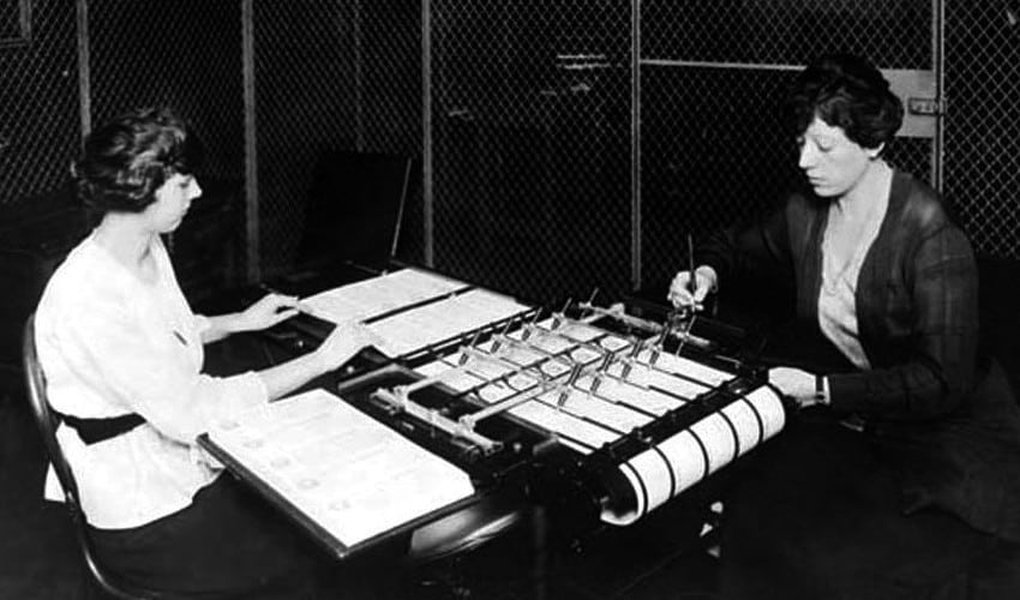
An autopen machine, a device used for replicating signatures.
Historical Use in the White House
The use of autopens is not new. Presidents from John F. Kennedy to Donald Trump have employed these devices. For example, President Barack Obama famously used an autopen to sign an extension of the Patriot Act in 2011 while he was in France. This historical precedent underscores that the autopen is a recognized tool within the executive branch.
Legal Standing of Autopen Signatures
The legality of autopen signatures on official documents, including pardons, is well-established. The U.S. Department of Justice (DOJ) has affirmed that a president does not need to physically perform the act of signing for a document to be valid. A 2005 DOJ memorandum stated, "The President need not personally perform the physical act of affixing his signature to a bill he approves and decides to sign in order for the bill to become law." This interpretation generally extends to other presidential actions, including the issuance of pardons. The Constitution does not mandate a handwritten signature for a pardon to be effective.
Despite occasional political challenges to the use of autopens, legal experts consistently uphold the validity of documents signed in this manner, provided the president has authorized the signature.
The Complex Web: Presidential Pardons and Autopen Authorization
The process of issuing presidential pardons and the subsequent use of an autopen for signing these documents involve several layers of authority and procedure. The following mindmap illustrates these interconnected elements, from the constitutional basis of the pardon power to the practical application of the autopen under presidential directive.
This diagram shows that while the autopen is a mechanical tool, its use in high-stakes actions like presidential pardons is embedded within a formal legal and advisory framework, ultimately governed by presidential authority.
Biden's Preemptive Pardons and the Autopen Question
In the final days of his term, President Joe Biden issued a significant number of preemptive pardons. These pardons were granted to a range of individuals, including family members, political allies, and officials such as Dr. Anthony Fauci and retired General Mark Milley. The stated intent was often to shield recipients from potential politically motivated prosecutions.
The use of an autopen for some of these pardons became a point of contention, with political opponents questioning the legitimacy and implications of this method. The video below discusses some of the controversies and claims surrounding the use of autopens during the Biden administration.
A news segment discussing claims and controversies related to President Biden's use of an autopen.
Who Held the Pen? Unpacking Autopen Control
Standard White House Procedure
While the specific individual who physically operated the autopen for President Biden's preemptive pardons has not been publicly identified, standard White House protocol dictates that such tasks are performed by authorized staff. This typically involves senior aides or personnel within the Executive Office of the President, acting under the explicit direction and authority of the President or his designated high-level officials, such as the White House Chief of Staff or the White House Counsel.
The critical point is that the authorization for the signature comes directly from the President. The physical act of placing a document into the autopen machine is a delegated administrative function, not an exercise of independent authority by the staff member operating it.
Controversy, Allegations, and Investigations
The use of the autopen for Biden's pardons, particularly the preemptive ones, drew criticism and allegations, primarily from political adversaries. Former President Donald Trump, for example, claimed that pardons signed by autopen were "VOID, VACANT, AND OF NO FURTHER FORCE OR EFFECT," suggesting that someone other than Biden might have controlled the presidency through the autopen. Such claims often tied into broader narratives questioning President Biden's capacity or direct involvement in these decisions.
The House Oversight Committee, under Republican leadership, announced intentions to investigate the use of the autopen and President Biden's mental fitness. However, despite these allegations and investigative interests, no credible evidence has emerged to suggest that the autopen was used without President Biden's knowledge or authorization, or that its control was usurped by unauthorized individuals. The focus of these inquiries often appears to be more on the President's decision-making capacity rather than a rogue operation of the autopen itself.
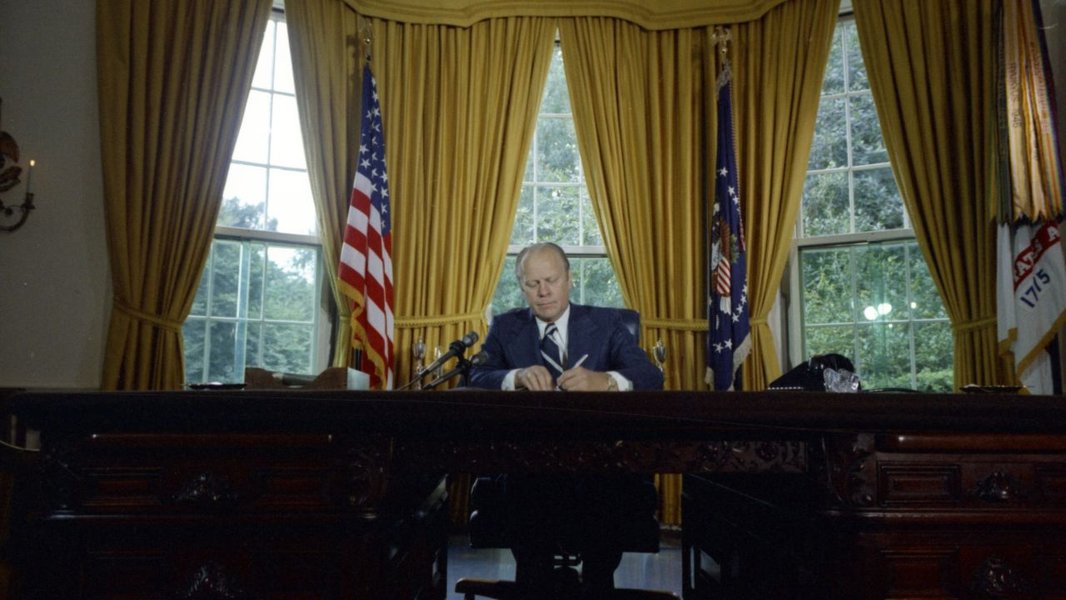
Presidential decisions, such as pardons, involve complex processes and ultimate authorization from the President, regardless of the signing method.
Assessing Factors in Autopen Usage
The use of an autopen in presidential duties involves several key factors. The radar chart below provides a conceptual overview of how these elements might be weighted in the context of Joe Biden's preemptive pardons, based on available information and standard practices. The scores are illustrative, reflecting the general understanding of these processes.
This chart illustrates that while presidential authority and legal validity are typically very high, the specific identity of the autopen operator often has low public transparency, which can contribute to political scrutiny.
Autopen Use in Presidential Administrations: A Comparative Overview
The table below offers a glimpse into how autopens have been utilized or discussed across different presidential actions and administrations, highlighting that their use is not unique to any single president but rather a feature of the modern presidency.
| President | Context of Autopen Use/Discussion | Document Types (Examples) | General Stance/Outcome |
|---|---|---|---|
| Barack Obama | Signing legislation while overseas (e.g., Patriot Act extension in 2011). | Legislation, letters. | Use acknowledged and considered legally valid. Set precedents for remote signing. |
| Donald Trump | Acknowledged using autopens during his term. Later criticized Biden's use for pardons. | Various official documents (details less publicized during term). | Used autopens; later questioned the practice for his successor under specific circumstances (pardons). |
| Joe Biden | Use of autopen for various documents, including preemptive pardons at the end of his term. | Executive orders, pardons, official communications. | Practice defended as standard and legal. Subjected to political controversy and calls for investigation regarding pardons. |
Frequently Asked Questions (FAQ)
Is it legal for a U.S. President to use an autopen to sign official documents like pardons?
Why do Presidents use autopens?
Has a specific individual been publicly identified as controlling or operating the autopen for President Biden's preemptive pardons?
What were the main claims or controversies surrounding President Biden's use of an autopen for pardons?
Conclusion
The question of who "controlled" the autopen for President Joe Biden's preemptive pardons points to a system where presidential authority is paramount. While the mechanical operation of the autopen is delegated to trusted White House staff, the decision and directive to use it for signing official documents, including pardons, rests with the President. Historical precedent and legal interpretations confirm the validity of autopen signatures. The controversies surrounding Biden's use of the autopen were largely political in nature, rather than based on substantiated evidence of improper or unauthorized operation of the device itself. As of today, the identity of the specific staff member(s) who operated the machine for these pardons remains within the internal workings of the White House, which is typical for such administrative procedures.
Recommended Queries
- What is the history of autopen use by U.S. presidents?
- How does the presidential pardon process work in the United States?
- What are the legal precedents for autopen signatures on official documents?
- Details of investigations into Joe Biden's use of autopen for pardons.
References
 media.defense.gov
Last updated May 21, 2025