
Unveiling BIEC Bengaluru: Architectural Ingenuity and World-Class Design Explored
A deep dive into the innovative design, layout, and sustainable features of India's premier exhibition centre.
The Bangalore International Exhibition Centre (BIEC) stands as a testament to modern architectural thinking, combining vast, functional spaces with sustainable practices. Developed by the Indian Machine Tool Manufacturers' Association (IMTMA) and dedicated to the memory of Naoroji Pirojsha Godrej, BIEC has become a vital hub for national and international trade events across diverse industries.
Key Highlights of BIEC's Architecture
- Innovative Structural Design: Features expansive, column-free exhibition halls with a distinctive 60-meter clear span, achieved through a unique "hands clasped" roof concept.
- Sustainable Focus: Incorporates green building principles, including extensive natural lighting via monitor roofs, rainwater harvesting, and energy-efficient systems, earning USGBC certification.
- Comprehensive Facilities: Offers a versatile mix of large exhibition halls, a dedicated conference centre, food courts, and support areas, all meticulously planned for optimal functionality and visitor flow.
Architectural Vision and Design Philosophy
Crafting a Landmark Venue
The architectural design of BIEC, completed in 2008, was a collaborative effort involving firms like Mistry Architects and RSP Architects, Planners. The primary goal was to create a world-class facility capable of hosting large-scale international exhibitions and conferences, addressing a growing need in India.
Mistry Architects spearheaded a design concept focused on overcoming cost challenges while delivering exceptional functionality. The resulting "hands clasped" structural concept for the roof is not just aesthetically striking but also highly practical, enabling the massive 60-meter clear spans within the exhibition halls. This column-free environment offers unparalleled flexibility for event organizers.
The Signature Monitor Roof
A defining feature is the monitor roof structure. This design element allows the roof height to vary, typically springing from 9 meters to a peak of 18 meters. More importantly, it facilitates the infusion of abundant natural light into the vast interiors of the halls. This daylighting strategy significantly reduces reliance on artificial lighting, contributing to the building's energy efficiency and creating a more pleasant atmosphere for exhibitions.
Exterior view showcasing the distinctive roof design of BIEC.
Structural Innovation: The 60-Meter Span
The achievement of a 60-meter clear span without internal columns in the exhibition halls is a significant engineering feat. This was realized through innovative use of steel structures, a collaboration potentially involving specialists like Kirby Building Systems. This unobstructed space is crucial for accommodating large machinery, complex displays, and varied event layouts demanded by industries ranging from engineering and automotive to furniture and technology.
This structural ingenuity was recognized when BIEC received the award for the best steel structure in India from the Institute for Steel Development and Growth (INSDAG) in 2009.
Site Planning, Zoning, and Layout
Organizing a Sprawling Complex
BIEC occupies a significant site, reported as between 34 to 57 acres, located at 10th Mile, Tumkur Road, Bengaluru. The site planning emphasizes efficient circulation, clear functional zoning, and integration with the landscape.
Functional Zoning Strategy
The facility is meticulously zoned to ensure smooth operations and a positive visitor experience:
- Entrance Plaza: Serves as the main arrival and orientation point, leading visitors towards the exhibition halls and conference centre.
- Exhibition Halls: The core functional spaces, designed for flexibility and segregation of events if needed.
- Conference Centre: A dedicated facility (approx. 5,600 sq. m) housing auditoriums, seminar rooms, and meeting spaces.
- Support Facilities: Includes essential amenities like food courts, technology centres, and administrative offices, strategically located for accessibility.
- Operational Zones: Back-of-house areas for logistics, storage, technical services, and loading docks, kept separate from public zones.
- Green and Buffer Zones: Landscaped areas surrounding the buildings enhance aesthetics, provide environmental benefits, and help manage site contours and water runoff.
Aerial or plan view illustrating the site layout and building arrangement at BIEC.
Floor Plan Layouts: A Textual Overview
While detailed architectural blueprints are typically proprietary and not publicly available, information from case studies allows for a description of the general floor plan organization. The primary spaces are the multi-level exhibition halls.
Please note: The image below provides a general illustrative layout of the exhibition halls but is not a detailed architectural floor plan.
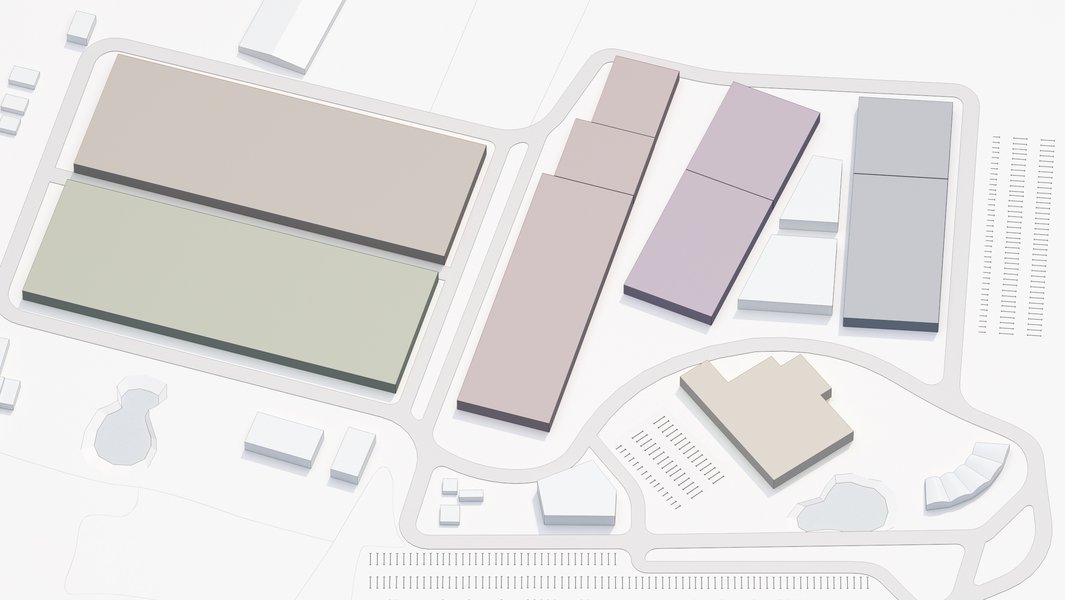
General layout map of BIEC exhibition spaces (Source: ExpoFP).
Exhibition Hall Dimensions
The exhibition halls offer substantial floor space distributed across different levels:
| Hall | Level | Gross Floor Area (approx. sq. m) |
|---|---|---|
| Hall 1 | Upper | 3,893 |
| Hall 1 | Lower | 6,638 |
| Hall 2 | Upper | 4,480 |
| Hall 2 | Lower | 6,091 |
| Hall 3 | Upper | 6,341 |
| Hall 3 | Middle | 6,262 |
| Hall 3 | Lower | 10,921 |
These multi-level designs maximize the usable area within the building footprint, allowing for diverse event configurations, simultaneous shows, or dedicated zones for different activities within a single hall. The layouts emphasize clear circulation paths, wide aisles, and strategically placed service cores (stairs, elevators, restrooms).
BIEC Feature Assessment Radar Chart
This chart provides a subjective assessment of key features of the Bangalore International Exhibition Centre, based on descriptions found in case studies and reports. It highlights strengths in areas like exhibition space, structural design, and sustainability efforts.
The radar chart visually represents BIEC's strong performance in providing flexible, large-span exhibition spaces and integrating natural light effectively. While still robust, areas like technological integration and site accessibility represent potential aspects compared to its core strengths in structure and sustainability.
Sustainability and Green Initiatives
Building Responsibly
Sustainability was a core principle in BIEC's design and construction. Its efforts were recognized early on with a green building certification from the U.S. Green Building Council (USGBC) in September 2008.
Key Sustainable Features:
- Energy Efficiency: Achieved through extensive daylighting (monitor roofs), energy-efficient lighting systems, and potentially ozone-friendly HVAC systems.
- Water Management: Implementation of rainwater harvesting systems and wastewater recycling helps conserve water resources. Some sources mention water-based cooling in halls.
- Material Selection: Use of materials with lower environmental impact, such as fly-ash concrete (reportedly up to 50% in some areas), reducing the carbon footprint associated with cement production.
- Landscape Integration: Preserving natural landforms through contouring and incorporating extensive green spaces helps manage stormwater and mitigate the urban heat island effect.
Detail potentially related to BIEC's structure or sustainable elements during development.
Exploring BIEC: A Visual Summary
Mindmap of Key Aspects
This mindmap provides a quick visual overview of the core elements discussed in this case study, summarizing the architectural design, layout, features, and achievements of the Bangalore International Exhibition Centre.
Exhibition Halls (3+)
Conference Centre
Entrance Plaza
Food Court
Tech Centre"] id3c["Hall Structure: Multi-level (Upper/Lower/Middle)"] id3d["Zoning: Public, Operational, Green/Buffer"] id3e["Circulation: Wide Corridors, Efficient Flow"] id4["Sustainability"] id4a["Certification: USGBC Green Building (2008)"] id4b["Features:
Daylighting
Rainwater Harvesting
Wastewater Recycling
Energy-Efficient Systems
Fly-Ash Concrete"] id5["Facilities & Use"] id5a["Hall 1 Areas (sqm): U:3893, L:6638"] id5b["Hall 2 Areas (sqm): U:4480, L:6091"] id5c["Hall 3 Areas (sqm): U:6341, M:6262, L:10921"] id5d["Conference Centre Area: ~5600 sqm"] id5e["Industry Focus: Diverse (Engg, Auto, IT, etc.)"]
The mindmap highlights the interconnectedness of BIEC's design philosophy, structural choices, functional layout, and commitment to sustainability, painting a picture of a well-integrated and modern facility.
BIEC in Action: Hosting Premier Events
A Glimpse Inside an Exhibition
BIEC regularly hosts major national and international events. The video below provides a look at the D-arc BUILD exhibition held at BIEC, showcasing how the venue's expansive halls and infrastructure facilitate large-scale gatherings focused on design, architecture, building, and construction materials. It illustrates the practical application of the venue's design, accommodating numerous exhibitors and visitors effectively.
Watching events like D-arc BUILD in action underscores the importance of BIEC's flexible, column-free spaces and well-planned circulation routes, which are essential for the success of such complex trade shows.
Frequently Asked Questions (FAQ)
Who were the main architects involved in designing BIEC?
The architectural design involved contributions from firms including Mistry Architects and RSP Architects, Planners. Mistry Architects is particularly noted for the innovative "hands clasped" roof concept and structural design.
What are the key design features of the BIEC exhibition halls?
Key features include a massive 60-meter clear span (column-free space), a distinctive monitor roof providing abundant natural light, varying roof heights (9m to 18m), and multi-level layouts in some halls to maximize floor area and flexibility.
Does BIEC have green building certifications?
Yes, BIEC achieved green building certification from the U.S. Green Building Council (USGBC) in September 2008 for its energy-efficient design. It incorporates features like daylighting, rainwater harvesting, and potentially energy-efficient HVAC systems.
Can I find detailed floor plan images of BIEC online?
Detailed architectural floor plans and specific zoning blueprints are generally not publicly available due to proprietary reasons. While some illustrative layouts or sketches might be found in case studies or on event planning websites (like the one included above), they usually lack the detail of official architectural drawings. The textual descriptions and area data provided in this study offer an understanding of the layout based on available sources.
References
- Bangalore International Exhibition Centre - IMTMA - Mistry Architects
- Bangalore international exhibition centre desk study - SlideShare
- Bangaloreinternationalexhibitioncentredeskstudy - Scribd
- BANGLORE INTERNATIONAL EXHIBITION AND CONVENTION CENTRE CASE STUDY - Issuu
- BIEC - Bangalore International Exhibition Centre (Official Website)
- Bangalore International Exhibition Centre Floor Plan - ExpoFP
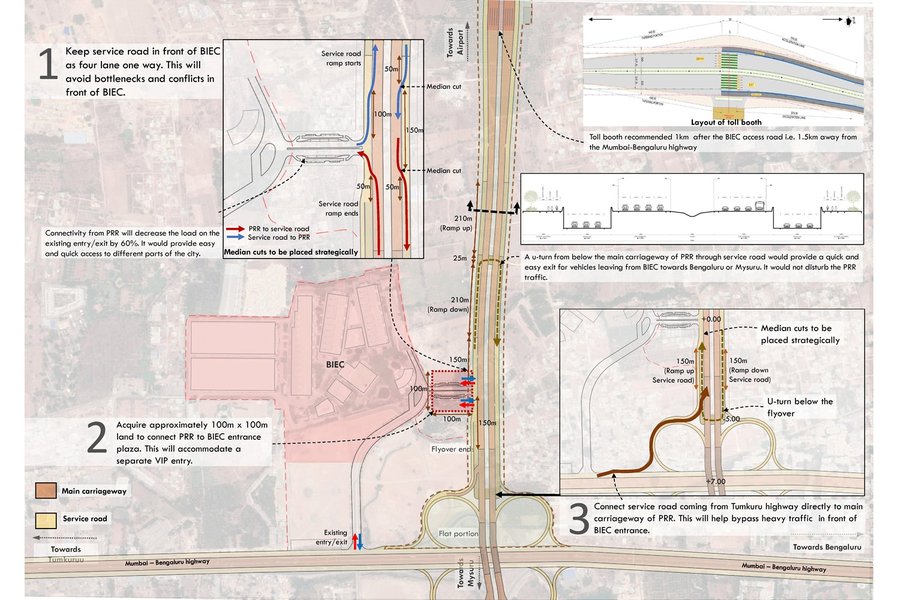
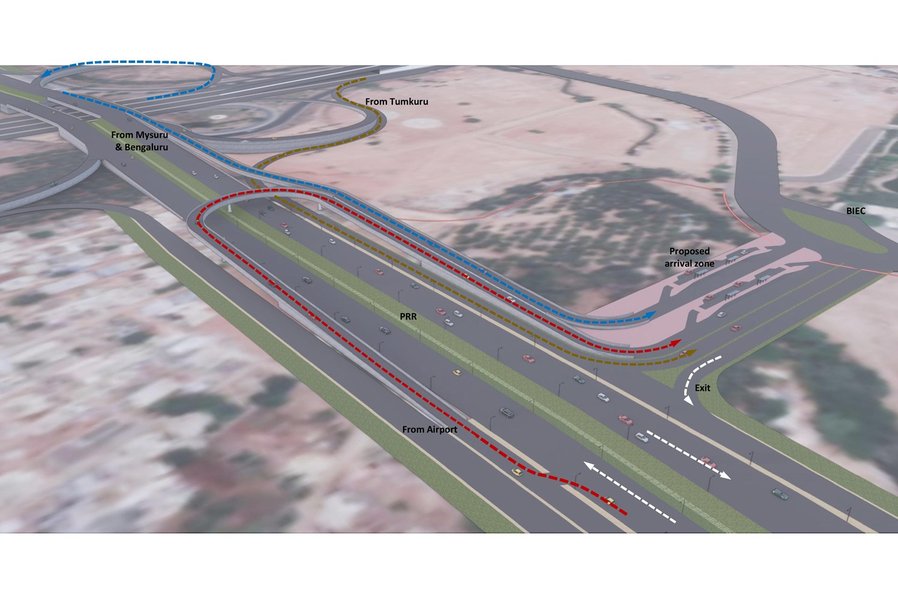
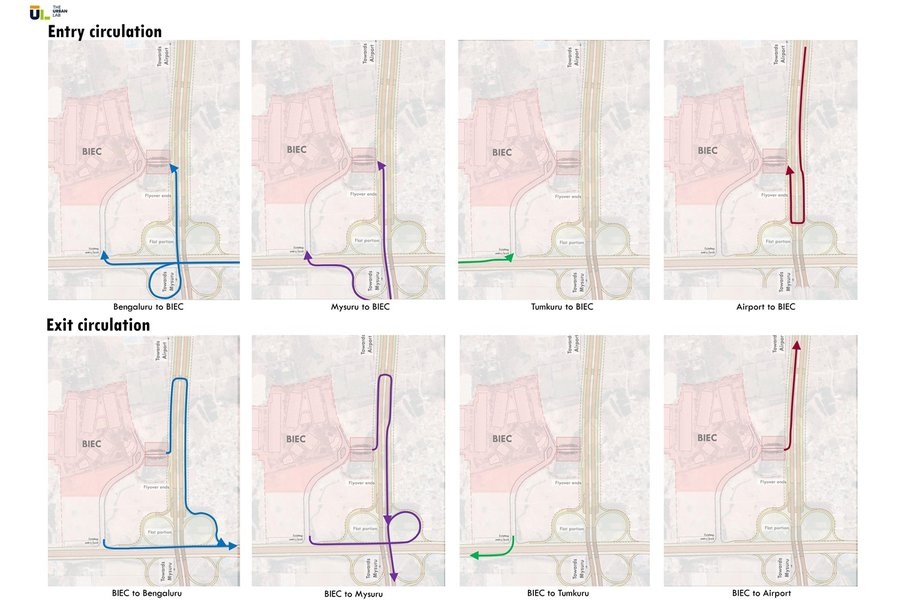
- Master Plan for Bangalore International Exhibition Centre - The Urban Lab
Recommended Reading
Last updated April 22, 2025