
Understanding the World's Most Pressing Problems
Examining the Interconnected Challenges Facing Humanity
Key Insights into Global Issues
- Climate Change: Widely recognized as a top concern, its impacts include extreme weather, rising sea levels, and threats to food production.
- Economic Inequality and Poverty: The significant gap between the rich and the poor remains a persistent challenge, affecting social stability and access to essential resources.
- Conflict and Instability: Geopolitical tensions, civil wars, and displacement continue to cause immense human suffering and hinder global progress.
Our world faces a complex array of interconnected challenges that demand urgent attention and collective action. From environmental crises to socio-economic disparities and geopolitical tensions, these issues affect billions of lives and shape the future of humanity. Understanding the scope and nature of these problems is the first step towards finding effective solutions.
Environmental Imperatives: Addressing the Climate Crisis and Beyond
The health of our planet is intrinsically linked to the well-being of its inhabitants. Several environmental problems pose significant threats, with climate change at the forefront.
Climate Change: A Defining Challenge
Climate change, driven primarily by the emission of greenhouse gases from the burning of fossil fuels, is altering weather patterns, leading to more frequent and intense extreme weather events, and causing sea levels to rise. These changes threaten food production, increase the risk of natural disasters, and displace communities. The urgency of addressing climate change is underscored by recent record-breaking temperatures and the acceleration of ice melt in regions like Greenland, contributing significantly to rising sea levels.
Global efforts are focused on transitioning to renewable energy sources, reducing carbon emissions, and developing climate resilience strategies. International agreements like the Paris Agreement set targets for limiting global warming, and upcoming conferences like COP 30 in Brazil are seen as crucial opportunities to strengthen commitments and accelerate action.
The Impact of Rising Sea Levels
Rising sea levels, a direct consequence of global warming, pose a grave threat to coastal communities and low-lying island nations. As temperatures increase, glaciers and ice sheets melt at an accelerated rate, adding vast amounts of water to the oceans. This phenomenon, coupled with the thermal expansion of seawater as it warms, leads to coastal erosion, increased flooding, and the potential displacement of millions of people. The Greenland Ice Sheet, for instance, lost an alarming 60 billion tons of ice in just two months during the summer of 2020, contributing measurably to global sea-level rise.
Biodiversity Loss and Habitat Destruction
Beyond climate change, the world is grappling with a rapid loss of biodiversity and the destruction of natural habitats. Deforestation, driven by agricultural expansion, logging, and infrastructure development, eliminates crucial ecosystems and reduces the planet's capacity to absorb carbon dioxide. This loss of habitats, coupled with pollution and climate change, is leading to an unprecedented rate of species extinction, disrupting ecosystems and threatening the delicate balance of nature. Protecting remaining wilderness areas and implementing sustainable land-use practices are vital for preserving biodiversity and the essential services provided by healthy ecosystems.
Other Critical Environmental Concerns
In addition to climate change and biodiversity loss, other environmental issues demand attention:
- Plastic Pollution: The accumulation of plastic waste in oceans, rivers, and on land poses a severe threat to marine life and human health.
- Water Scarcity: By 2025, two-thirds of the world's population could face water shortages, highlighting the need for sustainable water management practices.
- Food Waste: A significant portion of food produced globally is wasted, contributing to greenhouse gas emissions and inefficient resource utilization.
- Air Pollution: Poor air quality, particularly in urban areas, leads to respiratory illnesses and other health problems.
- Fast Fashion and Textile Waste: The fashion industry's significant environmental footprint, from resource consumption to waste generation, is a growing concern.
Socio-Economic Disparities: Poverty, Inequality, and Health Challenges
Economic and social issues continue to be major sources of global concern, impacting the lives and opportunities of billions.
Poverty and Social Inequality
Despite some progress, poverty remains a pervasive problem, with millions living in extreme deprivation. This is closely linked to social inequality, where wealth and opportunities are concentrated in the hands of a small percentage of the population. This disparity fuels social unrest, limits access to education and healthcare, and perpetuates cycles of disadvantage. Addressing poverty and inequality requires multifaceted approaches, including investing in education, creating equitable economic opportunities, and strengthening social safety nets.
Recent data indicates that while global poverty rates have seen a steady decline over the years, poverty and social inequality remain significant worries for people worldwide.
Global Health Challenges
Global health is another critical area of concern. While significant strides have been made in combating certain diseases, new challenges emerge, and existing ones persist.
The COVID-19 pandemic highlighted the world's vulnerability to infectious diseases and the need for robust global health systems. Beyond pandemics, issues like HIV/AIDS, while targeted for reduction, still see significant new infections annually. Furthermore, challenges such as improving digital health technologies, promoting health equity, and strengthening healthcare infrastructure in low- and middle-income countries are crucial for ensuring better health outcomes globally.
Access to Clean Water and Sanitation
Access to clean water and adequate sanitation remains a fundamental challenge for a significant portion of the world's population. Lack of safe water sources and proper sanitation facilities contributes to the spread of diseases and hinders overall development. Improving infrastructure and promoting hygiene practices are essential steps in addressing this critical issue.
Geopolitical Landscape: Conflict, Security, and Governance
The global political landscape is marked by ongoing conflicts, security threats, and challenges related to governance and stability.Conflict and Humanitarian Crises
State-based armed conflicts, including civil wars and proxy wars, continue to cause immense human suffering, displacement, and humanitarian crises. Regions like Sudan, Syria, and Myanmar face escalating humanitarian needs due to conflict, climate change, and economic instability. These conflicts not only result in loss of life and destruction but also create large refugee populations, placing a strain on neighboring countries and international resources. Addressing the root causes of conflict, promoting peaceful resolutions, and providing humanitarian assistance are critical priorities.
The International Rescue Committee's Emergency Watchlist for 2025 highlights several countries at high risk of escalating humanitarian crises, underscoring the ongoing need for international attention and support.
The Refugee Crisis
The global refugee crisis is a direct consequence of conflict, persecution, and violence. Millions of people are forcibly displaced from their homes, seeking safety and asylum in other countries. This presents significant challenges for host nations and requires coordinated international efforts to provide protection, assistance, and long-term solutions for refugees and displaced persons.
This image illustrates the human impact of displacement, a significant global issue:
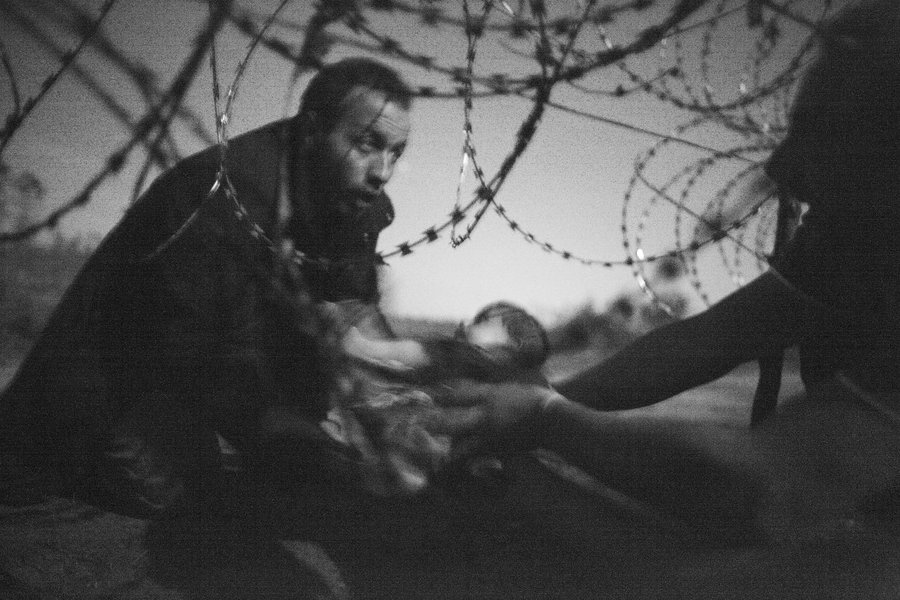
The human face of displacement, a critical global issue.
Political Instability and Governance Challenges
Weak governance, corruption, and political instability contribute to many of the world's problems. Lack of effective institutions hinders development, exacerbates social inequalities, and can fuel conflict. Strengthening democratic institutions, promoting transparency and accountability, and addressing corruption are essential for building more stable and prosperous societies.
Financial and political corruption are significant concerns globally, highlighting the need for improved governance and accountability mechanisms.
Technological Risks and the Future
Rapid advancements in technology, while offering immense potential, also present new and complex risks. Artificial intelligence (AI), for instance, raises concerns about job displacement, ethical considerations, and the potential for misuse. Ensuring that technological development benefits all of humanity and is guided by ethical principles is a growing challenge.
Risks from artificial intelligence are increasingly being recognized as a significant global problem requiring careful consideration and international cooperation.
Interconnectedness and the Need for Collaboration
It is crucial to recognize that these global issues are not isolated but are deeply interconnected. Climate change can exacerbate food insecurity and water scarcity, which in turn can contribute to conflict and displacement. Economic inequality can fuel social unrest and hinder efforts to address environmental problems. Addressing these challenges effectively requires a holistic approach that considers the complex interactions between them.
Resolving these multifaceted problems necessitates unprecedented levels of international collaboration and cooperation. Governments, international organizations, civil society, and the private sector all have a vital role to play in developing and implementing sustainable solutions.
The following table summarizes some of the key global issues and their interconnectedness:
| Issue Category | Key Problems | Interconnections |
|---|---|---|
| Environmental | Climate Change, Biodiversity Loss, Pollution, Water Scarcity | Impacts on food security, displacement, health, economic stability |
| Socio-Economic | Poverty, Inequality, Food Insecurity, Health Crises | Exacerbates environmental problems, fuels conflict, hinders development |
| Geopolitical | Conflict, Political Instability, Refugee Crises, Cyber Threats | Leads to humanitarian crises, disrupts economies, hinders international cooperation |
Understanding the interconnectedness of these issues is essential for developing effective and sustainable solutions.
Here is a video providing a visual representation of some of the biggest world problems, presented through maps:
Exploring global issues through the lens of geography and data.
Looking Ahead: Challenges and Opportunities in 2025
As we look towards 2025 and beyond, the global landscape presents both significant challenges and opportunities for progress. Addressing the pressing issues requires sustained effort and a commitment to collective action.
The year 2025 is seen as a critical period for addressing global challenges, with anticipated events like the UN Climate Change Conference (COP 30) and discussions on financing for development offering potential pathways for progress.
Key Areas of Focus for 2025
-
Peace and Security: Continued efforts to resolve ongoing conflicts and prevent new ones are paramount.
-
Financing for Development: Mobilizing resources and reforming international financial institutions are crucial for achieving sustainable development goals.
-
Climate Action: Increasing the ambition of national climate commitments and accelerating the transition to a low-carbon economy are essential.
-
Technological Governance: Developing frameworks and regulations for emerging technologies like AI to ensure they benefit humanity.
Navigating the challenges of 2025 and the coming years will require adaptability, innovation, and a shared sense of responsibility to build a more sustainable, equitable, and peaceful world.
Frequently Asked Questions
What is considered the most pressing global issue?
While there are many critical global issues, climate change is frequently cited as one of the most urgent and far-reaching problems due to its potential for catastrophic impacts on the environment and human societies.
How are global issues interconnected?
Global issues are deeply interconnected, meaning that problems in one area can exacerbate challenges in others. For example, climate change can worsen food insecurity and water scarcity, potentially leading to migration and conflict. Economic inequality can hinder efforts to address environmental problems and contribute to social instability.
What role does technology play in global challenges?
Technology can be both a tool for addressing global challenges and a source of new risks. Innovations in areas like renewable energy and healthcare can help solve problems, while technologies like artificial intelligence raise concerns about ethical implications and societal impact. Responsible development and governance of technology are crucial.
Can individuals make a difference in addressing global problems?
Yes, individuals can make a difference through various actions, including advocating for change, supporting relevant organizations, making sustainable choices in their daily lives, and engaging in their communities to raise awareness and promote action.
References
Last updated May 5, 2025