
Bill Ackman's Market Views: Why He Critiques Volatility and Advocated for a Tariff Pause
Exploring the investor's perspective on market stability, tariffs, and short selling.
It seems there might be a slight misunderstanding in your query regarding "Ledonary shirt teader bill ackman." Bill Ackman is a well-known billionaire hedge fund manager and activist investor, the founder and CEO of Pershing Square Capital Management. The phrase likely refers to merchandise, such as T-shirts featuring Ackman, often referencing his role as a prominent trader and investor. There are various such items available online (e.g., "Bill Ackman Bootleg Shirt," "In Bill Ackman We Trust T-shirt"), but they are fan merchandise rather than something Ackman himself produces or endorses professionally.
Let's delve into the core of your questions about Bill Ackman's views on stock market volatility, his call for a pause, and its potential relation to short selling.
Highlights: Ackman's Stance on Markets
- Volatility Concerns: Ackman views excessive market volatility, often driven by short-term reactions and policy uncertainty (like tariffs), as detrimental to rational investment and economic stability, even though his strategy can exploit price dislocations.
- The 90-Day Tariff Pause: He specifically advocated for a 90-day pause on reciprocal tariffs, arguing it would reduce market panic, allow for negotiation, prevent severe economic disruption, and foster investment.
- Focus on Long-Term Value, Not Shorting: Evidence suggests Ackman prioritizes long-term investments in quality companies and advises against short selling. His calls for stability align with protecting long positions and the broader economy, not primarily facilitating short strategies.
Understanding Ackman's Perspective on Stock Market Volatility
Volatility: Opportunity or Threat?
Bill Ackman's relationship with market volatility is nuanced. On one hand, his investment strategy, known as "time arbitrage," inherently seeks to capitalize on market fluctuations. He believes stock prices are often "much more volatile than the underlying value of the business they represent." This volatility, driven by short-term investors reacting emotionally or irrationally to news and events, can create opportunities for long-term fundamental investors like Ackman to buy shares in great companies at discounted prices.
However, Ackman also recognizes the dangers of excessive volatility. He has argued that high volatility:
- Signals Fear and Uncertainty: It can deter investment, increase borrowing costs, and disrupt economic activity.
- Driven by Short-Termism: He contends that much volatility stems from short-term money moving without regard to long-term fundamentals, leading to "economically irrational decisions."
- Exacerbated by Policy: Actions like imposing reciprocal tariffs can inject "an enormous amount of volatility" into markets, creating negative feedback loops where market drops lead to reduced spending and investment.
- Amplified by Leverage: Ackman has also highlighted the risks associated with high leverage in the financial system (e.g., 10:1 for equities, 100:1 for Treasuries/currencies), stating that forced liquidations by over-leveraged players during stress periods distort prices and amplify instability.
Therefore, while Ackman can strategically use volatility, he advocates for reducing excessive, panic-driven swings because they harm overall market health, investor confidence, and economic growth. He prefers a market where prices more closely reflect underlying business value, fostering a stable environment for long-term investment.
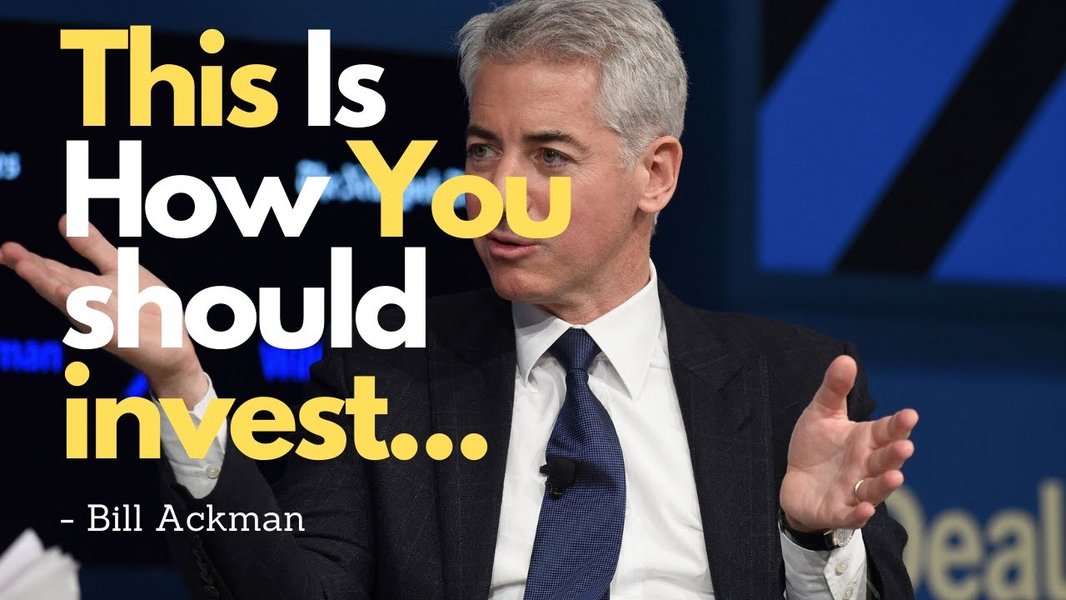
Bill Ackman often shares insights into secure and long-term investment approaches.
The Call for a 90-Day Pause and the "Calm Before the Storm"
Averting Economic Disruption Through Policy Stability
Your query mentions a "Clam before the storm" and a "90-day pause." The phrase likely refers to the concept of a "Calm before the storm," potentially alluding to Ackman's warnings about looming economic risks if certain issues aren't addressed. Specifically, Ackman publicly advocated for a 90-day "time out" or pause on implementing reciprocal tariffs, particularly concerning trade disputes.
What Was the 90-Day Pause About?
Ackman's call for a 90-day tariff pause was a specific policy recommendation aimed at de-escalating trade tensions and stabilizing markets. He argued that such a pause would:
- Provide Breathing Room: Allow time for negotiations to resolve "unfair asymmetric tariff deals" without resorting to immediate, disruptive actions.
- Reduce Market Panic: Prevent market crashes driven by uncertainty over escalating trade wars. He warned that unchecked tariff disputes could lead to a "self-induced economic nuclear winter."
- Encourage Investment: By restoring confidence and stability, a pause could "induce trillions of dollars of new investment."
- Protect the Vulnerable: Shield the most vulnerable companies and citizens from the negative economic impacts of tariffs and volatility.
He publicly praised the Trump administration's announcement on April 9, 2025, of a 90-day pause on reciprocal tariffs (excluding those on China), seeing it as a crucial step toward preventing "a major global economic disruption."
"Calm Before the Storm" Context
While Ackman didn't necessarily use the exact phrase "calm before the storm" in this specific context according to the provided sources, the sentiment aligns with his warnings. He viewed the escalating tariff situation as a potential trigger for significant market turmoil (the "storm"). The 90-day pause was his proposed mechanism to create a period of calm, allowing for diplomacy and preventing that storm from breaking.
The concept of a "calm before the storm" reflects the market tension Ackman sought to alleviate with the tariff pause proposal.
Is Ackman's Stance Linked to Filling Short Positions?
Long-Term Value vs. Short-Selling Speculation
Your question asks whether Ackman's desire for lower volatility or a market pause is motivated by a need to "fill his shorts" – meaning to cover existing short positions advantageously or establish new ones.
Based on the available information and Ackman's public statements and actions, this appears unlikely to be the primary motivation:
- Advocacy Against Shorting: Ackman has explicitly advised investors to "stay away from shorting stocks." His core philosophy emphasizes investing in "durable, high-quality businesses" with strong governance and balance sheets for long-term appreciation.
- Focus on Long Positions: Pershing Square's portfolio is characterized by large, concentrated long positions in companies like Alphabet, Howard Hughes Holdings, Hilton Worldwide, and formerly Berkshire Hathaway. Recent actions, like the $900 million deal increasing control of Howard Hughes, reinforce this long-term, value-oriented approach.
- Defensive Hedging: While Ackman has used hedges, such as credit default swaps or bets against market indices (famously during the early 2020 COVID-19 volatility), these are typically described as defensive measures to protect his long portfolio or generate capital during downturns to reinvest in long positions at lower prices. They are not presented as his core strategy.
- Rationale for Pause Aligns with Long Interests: His stated reasons for the tariff pause—preventing economic disruption, encouraging investment, stabilizing markets—directly benefit long-term investors holding stakes in companies sensitive to economic health and market sentiment.
There is no direct evidence in the provided sources linking Ackman's call for a tariff pause or reduced volatility specifically to a strategy centered around his short positions. His public persona and investment record strongly suggest a focus on long-term value creation, where market stability is generally preferred over chaos, even if temporary dislocations offer buying opportunities.
Visualizing Ackman's Investment Approach
Key Tenets of Pershing Square's Strategy
This chart provides an opinionated visualization comparing different facets often associated with Bill Ackman's investment style. It highlights his strong emphasis on long-term holding, activist engagement, and fundamental analysis, while showing a lower inclination towards short selling as a primary strategy and a cautious view towards excessive market leverage and volatility.
Ackman's Key Concepts Mindmap
Connecting the Dots
This mindmap illustrates the interconnectedness of Bill Ackman's identity, his firm, investment strategies, and specific market views discussed, such as his perspective on volatility and the tariff pause advocacy.
(Signals Fear, Harms Economy)"] id3c["Driven by Short-Termism & Policy"] id3d["Amplified by Leverage"] id4["Tariff Pause Advocacy"] id4a["Called for 90-Day Pause on Tariffs"] id4b["Goal: Reduce Uncertainty, Allow Negotiation"] id4c["Aim: Prevent Economic Disruption"] id4d["Sought Market Stability & Investment"] id5["Stance on Short Selling"] id5a["Publicly Advises Against It"] id5b["Focus on Long Positions"] id5c["Uses Hedges Defensively/Opportunistically"] id5d["Pause Advocacy Not Linked to Filling Shorts"]
Ackman on Investment Philosophy
Insights into Stock Selection
The following video features Bill Ackman discussing aspects of his investment philosophy, touching upon the importance of research and understanding the businesses you invest in. This aligns with his focus on long-term value and fundamental analysis, providing context for why he might prefer market stability over unpredictable volatility for his core holdings.
In the video, Ackman emphasizes deep research, understanding business quality, and often advocates for a concentrated portfolio of high-conviction ideas. This approach inherently favors stability for the underlying businesses, even if market volatility provides entry points.
Summary Table: Ackman on Volatility and the Tariff Pause
Key Arguments and Rationale
This table summarizes Bill Ackman's main points regarding market volatility and his specific call for a 90-day tariff pause, based on the synthesized information.
| Topic | Ackman's Stance / Action | Rationale / Explanation | Connection to Shorting? |
|---|---|---|---|
| Market Volatility | Views excessive volatility negatively, though can exploit it via time arbitrage. | Driven by short-termism, policy uncertainty, leverage. Disrupts investment, signals fear, harms economy. Prefers stability for long-term value investing. | Unlikely. Focus is on long-term value; stability benefits long positions. |
| 90-Day Pause | Advocated for a 90-day pause specifically on reciprocal tariffs. | To reduce market panic, allow trade negotiations, prevent major economic disruption ("self-induced nuclear winter"), encourage investment. | No direct evidence. Stated goals align with protecting the broader economy and long-term investments. |
| Short Selling | Generally advises against it as a primary strategy. | Focuses on identifying undervalued, high-quality businesses for long-term holds. Uses hedges defensively or opportunistically. | N/A - His stance is generally anti-shorting for core strategy. |
Frequently Asked Questions (FAQ)
Quick Answers on Bill Ackman
Who is Bill Ackman?
William "Bill" Ackman (born May 11, 1966) is an American billionaire hedge fund manager and activist investor. He is the founder and CEO of Pershing Square Capital Management, L.P., a hedge fund management company.
What is activist investing?
Activist investing involves taking significant stakes in public companies with the goal of influencing management decisions or demanding changes to business strategy, corporate governance, or capital structure to unlock shareholder value. Bill Ackman is well-known for his activist campaigns.
What is "time arbitrage"?
Time arbitrage, as described by Ackman, is an investment strategy that takes advantage of the difference between short-term market reactions and the long-term intrinsic value of a business. It involves buying stocks of good companies when their prices are temporarily depressed due to short-term negative news or market volatility, anticipating that the price will eventually recover to reflect the company's true long-term worth.
Why did Bill Ackman call for a 90-day tariff pause?
Ackman called for a 90-day pause on reciprocal tariffs primarily to prevent market instability and potential economic damage caused by escalating trade disputes. He believed a pause would allow for negotiation, reduce uncertainty, restore investor confidence, and avoid what he termed a potential "self-induced economic nuclear winter."
Does Bill Ackman short stocks often?
While Ackman has engaged in short selling in the past and uses hedges (which can involve short positions on indices or credit), his primary strategy revolves around long-term, concentrated investments in undervalued companies. He has publicly advised investors against shorting stocks as a core strategy and emphasizes buying and holding high-quality businesses.
Recommended
- Explore Bill Ackman's unique "time arbitrage" investment strategy in more detail.
- Learn about the goals and methods of activist investors like Bill Ackman.
- Discover how trade tariffs can influence stock market behavior and economic conditions.
- Find out which companies Bill Ackman's Pershing Square is currently invested in.
References

Last updated May 5, 2025