
Exploring Financial Viability: Biofuel Options from Avocado and Coconut Oils
An in-depth look into break-even analysis and balance sheet methodologies for alternative biofuels
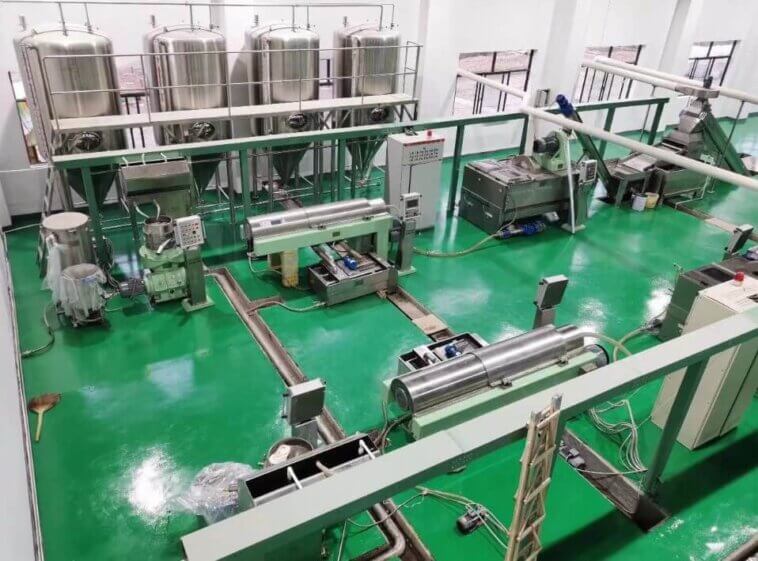
Highlights
- Cost-Structure Analysis: Detailed examination of fixed and variable costs for both avocado and coconut oil production.
- Break-even Calculation: Critical evaluation of revenue thresholds required to cover production investments.
- Financial Health Metrics: Comprehensive balance sheet components revealing assets, liabilities, and equity positions in biofuel ventures.
Understanding Break-even Analysis in Biofuel Production
Break-even analysis is a vital financial tool that helps determine when a business venture will start generating profit by balancing fixed and variable costs against revenue. For avocado oil and coconut oil as alternative biofuels, this analytical method helps potential investors and stakeholders assess the cost-effectiveness, profitability, and feasibility of converting these oils into usable fuels. In this context, a clear understanding of production processes, operational costs, and market pricing is crucial.
Components of Break-even Analysis
Fixed Costs
Fixed costs refer to expenditures that remain constant regardless of the production volume. For biofuel production facilities, these typically include:
- Investment in specialized machinery for oil extraction and processing.
- Establishment costs for production plants and related infrastructure.
- Installation of supportive systems for waste management and quality control.
Variable Costs
Variable costs, which fluctuate with the level of production, are especially important in determining the practicality of alternative biofuel projects. These costs include:
- Raw materials including the avocado fruit and coconut harvests. Avocado oil may involve extracting oil from both fruit flesh and seeds, often resulting in a higher processing cost due to lower yields compared to coconut oil.
- Labor and utilities required during the extraction and transesterification processes.
- Costs associated with purchasing solvents or catalysts (for example, sodium hydroxide for avocado oil biodiesel production).
Market Dynamics and Pricing Strategy
The selling price for biofuels derived from avocado and coconut oils is influenced not only by the raw material costs and production processes but also by broader market dynamics. Avocado oil, being often seen as a premium product due to its dual usability in food and fuel industries, might command a higher market price. Coconut oil, on the other hand, benefits from established extraction practices and a long history of use in various regions, especially in tropical economies, which can reduce its cost of production.
The break-even point is calculated using the fundamental formula:
Break-even Point = (Fixed Costs) / (Selling Price per Unit - Variable Cost per Unit)
For both oils, reaching this point entails covering initial investments, achieving economies of scale, and adjusting for fluctuations in raw material supply and market demand. This financial analysis becomes more complex when sustainable practices and environmental impacts are factored into the cost; however, these elements also contribute positively to the marketability and long-term potential of biofuels.
Balance Sheet Considerations
A balance sheet provides a snapshot of a company's financial health by listing its assets, liabilities, and equity. In the context of producing biofuels from avocado and coconut oils, constructing a balance sheet involves integrating tangible and intangible investments, assessing liabilities, and understanding the underlying equity that supports future expansion.
Key Elements of the Balance Sheet
Assets
Assets in a biofuel production company can be categorized as current and non-current (fixed) assets:
-
Current Assets:
- Cash reserves that support operations.
- Inventory of raw materials for oil extraction such as avocados and coconuts.
- Finished goods inventory awaiting sale, including processed oils and derivatives.
- Accounts receivable from established contracts or forward sales.
-
Non-Current Assets:
- Production equipment necessary for the extraction and processing of oils.
- Infrastructure investments including land and facilities.
- Long-term investments such as proprietary technology or patents on innovative extraction techniques.
Liabilities
Liabilities reflect all financial obligations the company needs to settle:
-
Current Liabilities:
- Short-term loans or lines of credit utilized to fund operational expenses.
- Accounts payable to suppliers of raw materials and machinery components.
- Other short-term obligations such as wages and utility bills.
-
Non-Current Liabilities:
- Long-term financing or loans taken for capital investments.
- Deferred tax liabilities based on future taxable income as the project scales up.
Equity
Equity represents the residual value in the company after liabilities are subtracted from assets. It is a critical measure of financial stability and growth potential:
- Share Capital: Funds raised through the sale of shares, which contribute directly to business expansion.
- Retained Earnings: Profits reinvested in the company to support ongoing projects, research and development, and scaling up of production processes.
Comparative Financial Insights
Below is a comparative table summarizing common financial aspects for both avocado oil and coconut oil based biofuel production:
| Parameter | Avocado Oil Biofuel | Coconut Oil Biofuel |
|---|---|---|
| Fixed Costs | Higher initial investment due to advanced extraction machinery and lower yield per unit raw material. | Lower fixed costs with simpler extraction methods and abundant raw material supply. |
| Variable Costs | Complex processing steps potentially increase variable costs; dependent on avocado market volatility. | Well-established extraction techniques lead to relatively stable and lower variable costs. |
| Selling Price | Premium pricing possible due to dual use in the food and fuel sectors and sustainability rewards. | Competitive pricing leverage due to established markets in tropical regions and cost-effective yields. |
| Market Viability | Attractive for sustainability efforts with significant waste utilization during avocado processing. | Widely recognized in regions like the Pacific Islands with governmental support reducing transportation and import costs. |
| Break-even Duration | Dependent on scale and technology adoption; potentially faster if optimized through waste consolidation strategies. | Typically shorter due to simplified operations, though environmental drawbacks must be carefully managed. |
This table provides a comparative snapshot that encapsulates the financial dynamics inherent in transitioning to avocado or coconut oil-based biodiesel. Both alternative feedstocks exhibit distinct advantages and challenges, with cost structure variations being central to the break-even analysis.
Integrating Balance Sheet and Break-even Analysis for Strategic Planning
When planning the establishment or expansion of a biofuel production enterprise, synthesizing both balance sheet aspects and break-even analysis is vital. This comprehensive method offers the following benefits:
Financial Forecasting and Investment Decisions
An integrated approach allows companies to balance operational costs with potential revenue scenarios. Investors and management teams can assess:
- Risk Management: By understanding fixed and variable cost proportions, companies can forecast risk exposure and plan for contingencies.
- Market Adaptability: Cost analyses help adjust operational parameters to align with changing market demands and regulatory incentives.
- Sustainability Metrics: Incorporating environmental costs into the balance sheet can yield more realistic break-even targets, especially where sustainable practices reduce waste and enhance efficiency.
Practical Example
Consider a hypothetical company aiming to launch a biodiesel plant utilizing both avocado and coconut oils. Initial investments in production equipment, land purchase, and technology setup constitute the major fixed costs. Operational expenses such as labor, extraction solvents, and utility bills then form the variable costs. As production ramps up, the break-even formula helps the company determine the number of production units that need to be sold at a given price to cover these costs.
The balance sheet recorded at the end of each operational period will typically show:
- Asset Growth: Increases in inventories of refined oil and advanced production equipment.
- Liability Adjustments: Management of both short-term operational debts and long-term loans taken for capital projects.
- Equity Improvement: Reinvested profits bolstering retained earnings and future growth potential.
By closely monitoring these financial indicators, companies can make informed strategic decisions about scaling production, enhancing marketing strategies, and even exploring supplementary revenue streams such as selling biofuel by-products.
Additional Considerations and Industry Implications
Beyond hard numbers, several industry-specific factors need to be considered when undertaking break-even analysis and financial planning in the biofuels sector:
Sustainability and Environmental Impact
The choice between avocado oil and coconut oil is not purely a financial one. Environmental impact plays a significant role in determining long-term feasibility:
- Avocado Oil: Utilization of waste products from avocado processing (such as peels and seeds) exemplifies a circular economy approach. By converting agricultural waste into valuable biofuel assets, companies not only reduce disposal costs but also contribute towards environmental sustainability.
- Coconut Oil: In regions abundant in coconut production, such as the Pacific Islands, local governments often support coconut oil biodiesel projects through subsidies and tax exemptions. With nearly neutral CO2 emissions and lower transport costs, coconut oil biodiesel represents an environmentally competitive alternative.
Market Dynamics and Consumer Trends
Consumer awareness about sustainability is increasingly influencing market trends. Investors are drawn to technologies that offer not just economic benefits but also a reduced ecological footprint. This means that any investment in biofuel production from either feedstock should consider:
- Government Incentives: Many regions offer subsidies, tax credits, or other incentives to businesses engaging in the production of renewable energy.
- Technological Innovation: Research continues to improve extraction techniques and catalytic processes, potentially reducing processing costs and improving fuel quality.
- Consumer Demand for Sustainability: Markets are trending towards products that not only fulfill functional roles but also support environmental conservation, giving biofuels derived from sustainable sources a competitive edge.
Long-term Investment and Regional Opportunities
In regions where one feedstock is more readily available, the financial analysis may tilt in favor of that option. For example:
- Avocado-rich regions: Countries with significant avocado production can capitalize on establishing integrated systems that convert waste into fuel, thus adding a value chain component.
- Coconut-abundant regions: Areas like the Pacific Islands can benefit from lower transport and extraction costs while leveraging established markets for coconut products.
These regional opportunities further underscore the importance of localized financial planning, where both break-even analysis and balance sheet management are tailored to the specific economic conditions and natural resource availability.
References
-
Avocado Oil Biodiesel Study - ScienceDirect
- Applied Research on Biodiesel from Avocado Oil - MDPI
- Transesterification Study on Avocado Oil - ResearchGate
- Renewable Natural Gas & Biofertilizer from Avocado Waste - Mexico Business News
- Coconut Oil Biodiesel Presentation - SlideShare
Recommended Further Queries
 media.neliti.com
Last updated March 25, 2025