
Exploring Sustainable Biofuel Energetics: Avocado vs. Coconut Oils
A detailed financial and sustainability insight into alternative biofuel sources
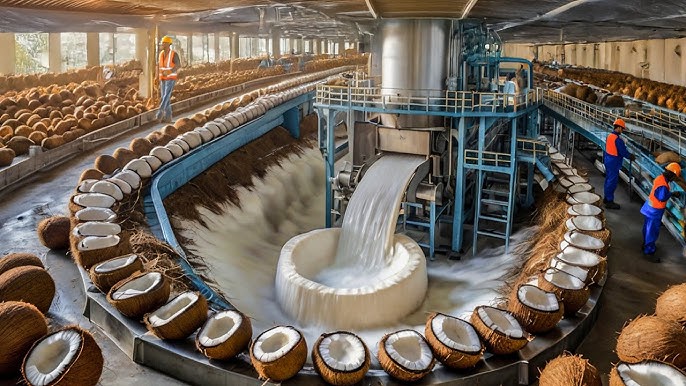
Key Highlights
- Comprehensive Financial Structure: Detailed balance sheets covering assets, liabilities, and equity essential for biofuel ventures.
- Break-Even Insights: Analysis of fixed and variable costs providing the minimum production levels required for profitability.
- Comparative Overview: Side-by-side evaluation of production costs, market pricing, environmental impacts, and process efficiencies for both oils.
Understanding the Balance Sheet
A balance sheet for biofuel production companies operating with avocado oil or coconut oil serves as a cornerstone for determining financial viability. Both types of oils, when used for biofuel, require an evaluation of balance sheet components that include assets, liabilities, and the owner's equity.
Assets
For biofuel production, the assets section covers both current and fixed assets:
Current Assets
Current assets typically consist of cash reserves, raw material inventories (avocado fruits, coconuts, or processed oil), and consumables required during drug processes. As production scales, these inventories may include by-products (like avocado pomace) converting into additional energy or secondary biofuel inputs.
Fixed Assets
Fixed assets include the processing plants, extraction machinery, refining equipment, and even land or cultivation infrastructure. Investments in equipment for transesterification (conversion of oils into biodiesel) are critical. For instance, coconut oil often requires specialized equipment to manage its high viscosity with appropriate esterification methods.
Liabilities and Equity
Liabilities can include both current liabilities (e.g., accounts payable for raw material supplies and operational costs) and long-term liabilities such as loans for initial capital investment. Equity is represented by the capital contributions of owners and retained earnings from previous profitable cycles. Evaluating these components helps business managers determine the financial health and sustainability of biofuel operations.
Break-Even Analysis: A Gateway to Profitability
A break-even analysis establishes the production volume at which total revenues equal total costs. This analysis is essential in understanding when the biofuel enterprise begins to generate profit. The process involves a clear division of costs into fixed and variable categories.
Key Components of Break-Even Analysis
Fixed Costs
Fixed costs are those expenses that remain unchanged regardless of production volume. Typical examples include facility leases, insurance, permanent salaries, and the depreciation of processing equipment. For avocado oil biofuel, initial investments can be higher due to the cost of sourcing large quantities of avocados, while coconut oil production may involve lower fixed costs thanks to more readily available supplies and higher yield per plant.
Variable Costs
Variable costs fluctuate directly with the production volume. They include expenses such as raw materials (fruit costs, transportation expenses), utilities, labor for processing, and chemicals necessary for transesterification. The production cost of avocado oil biofuel may average between $3 and $5 per liter, whereas coconut oil may range from $2 to $4 per liter depending on local conditions and extraction techniques.
Selling Price and Revenue
The selling price per liter of the biodiesel directly influences how soon the break-even point is reached. Market dynamics and consumer demands often result in avocado oil commanding a higher price due to its dual benefits (health and environmental) but also higher production costs. Conversely, coconut oil biodiesel is generally priced more competitively, potentially enabling an earlier break-even point.
Break-Even Calculation Formula
The break-even point, in terms of units (liters of biofuel produced and sold), is calculated by the formula:
\( \text{Break-even Point (Units)} = \frac{\text{Total Fixed Costs}}{\text{Selling Price per Unit} - \text{Variable Cost per Unit}} \)
This formula helps in translating overall business financial planning into tangible production targets, ensuring that production levels align with defined revenue goals.
Comparative Analysis: Avocado Oil vs. Coconut Oil
A comparative assessment of avocado oil and coconut oil for biofuel production reveals distinct financial and environmental advantages. Although both oil types qualify as alternatives to fossil fuels, their economic and practical implications vary.
Overview of Key Metrics
The following table represents a comprehensive side-by-side comparison of the financial components associated with both biofuel sources:
| Component | Avocado Oil | Coconut Oil |
|---|---|---|
| Production Costs | Higher production costs due to water-intensive cultivation, expensive raw materials, and additional processing stages. Average cost ranges from $3 to $5 per liter. | Generally lower production costs with a cost range from $2 to $4 per liter due to more efficient cultivation and extraction methods. |
| Market Price | Commands a higher market price due to dual use (culinary and biofuel) and sustainable attributes; may offset increased expenses. | Typically competitive pricing; lower input cost could result in a more favorable selling price for biodiesel production. |
| Environmental Impact | Uses avocado waste (peels, seeds, pomace) efficiently, but high water consumption and potential deforestation concerns remain. | Lower environmental burden in terms of water usage with sustainable sourcing practices; high yields per plant support economic viability. |
| Break-Even Point | Due to higher fixed and variable costs, the break-even point could be higher. Example estimates suggest approximately 8,000 liters per year may be required to cover costs when using average values. | Earlier break-even due to lower costs; estimates indicate that around 7,500 liters per year might be sufficient to cover fixed costs when using conservative market pricing. |
| Operational Infrastructure | Requires significant initial capital investments in specialized extraction and refining equipment to meet ASTM and EN biofuel standards. | Involves similar capital investments but benefits from higher operational efficiency given the simpler conversion process for coconut oil. |
Sustainability and Environmental Benefits
Beyond financial metrics, both oils offer distinct environmental advantages:
Avocado Oil
Avocado oil production supports sustainable waste management by utilizing by-products like pomace and seeds. It aligns with standards for biodiesel quality, offering high cetane numbers, which means better combustion performance. However, environmental considerations such as water usage and deforestation potential need careful management.
Coconut Oil
Coconut oil biodiesel tends to reduce CO2 emissions significantly compared to conventional diesel. Its production benefits from lower water requirements and has the potential to foster local industries by minimizing dependency on imported petroleum. Sustainable practices in sourcing and processing enhance its viability as a long-term eco-friendly solution.
Balance Sheet Considerations for Investors
For investors evaluating avocado and coconut oil as alternative biofuels, the balance sheet provides a rigorous framework to examine:
Capital Investments
Investors must account for the cost of acquiring land, building or leasing processing plants, purchasing extraction and refining equipment, and hiring skilled labor. Asset quality and depreciation schedules are key factors, as they affect long-term profitability.
Operational Liquidity
Current assets, including cash reserves and inventories, form the operational backbone of biofuel production. Efficient management of these liquid assets ensures that the production process is not disrupted and allows the business to negotiate favorable terms from raw material suppliers.
Debt and Equity Structure
The capital structure – integrating liabilities such as bank loans, vendor credits, and other obligations alongside total equity – determines a company’s financial leverage. A balanced approach here is crucial to assessing the financial sustainability of the venture over the production lifecycle.
Case Estimations & Market Projections
Detailed case studies indicate that avocado oil, though costlier in production, can achieve a competitive edge through its higher selling price and additional environmental valorization (via waste reuse). Coconut oil, with its comparatively lower cost base and higher yield from cultivation, is poised to reach profitability faster with lower break-even thresholds.
Both options can be financially viable when subjected to rigorous market research and realistic projections of demand. The break-even analysis becomes a critical tool in forecasting when the initial investments turn into profitable operations. For new investors, understanding these dynamics supports strategy formulation under uncertain market conditions.
References
- Production and Characterization of Biofuel from Avocado Sources - SciMatic
-
Biofuel Production Insights Using Avocado & Coconut Oils - ScienceDirect
- Alternative Biofuel Production from Waste Avocado - MDPI
- Avocado Biomass in Bioenergy Applications - ResearchGate
- Biodiesel Production Using Avocado Seed Oil - ResearchGate
Recommended Further Queries
Last updated March 25, 2025