
Proper Procedure for Biohazard Disposal in a Biochemistry Lab
A detailed guide on safe handling and disposal practices
Key Highlights
- Segregation and Containment: Separate biohazard waste from other lab wastes using designated, clearly labeled containers.
- Decontamination: Utilize methods such as autoclaving and chemical disinfection to safely neutralize hazardous agents.
- Proper Packaging, Labeling, and Documentation: Ensure waste is properly contained, labeled, and documented to meet regulatory standards.
Introduction to Biohazard Disposal
The disposal of biohazardous waste in a biochemistry lab is a critical component of laboratory safety, designed to minimize the risk of exposure to infectious agents and prevent environmental contamination. In biochemistry labs, where various biological materials can become contaminated with potentially harmful pathogens, strict adherence to waste management protocols is essential. This guide provides an in-depth look into the entire process of biohazard disposal, detailing each step and requirement.
Step-by-Step Procedure
1. Segregation and Initial Containment
Waste Categorization
The process begins with the careful segregation of waste as soon as it is generated in the lab. Biohazardous waste can include materials contaminated with infectious agents, human and animal tissues, bodily fluids, and cell cultures. It is imperative that such waste is not mixed with non-hazardous or chemical waste to avoid cross-contamination. Typical practices include:
- Solid Biohazardous Waste: Items like contaminated gloves, pipettes, culture plates, and other disposables should be placed in dedicated biohazard bags. These bags are usually red or orange and must be clearly labeled with the biohazard symbol.
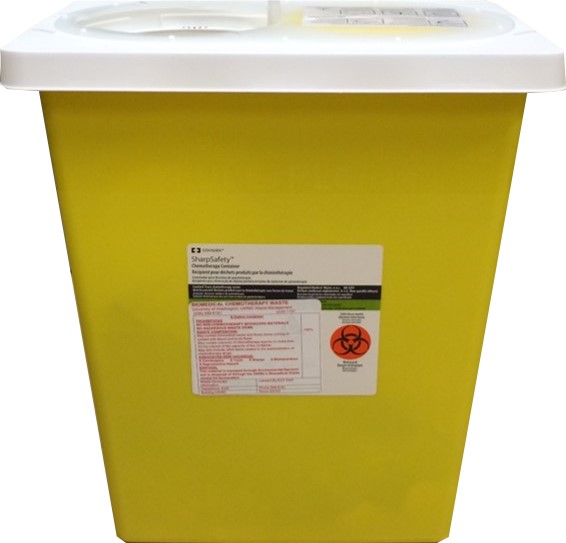
- Sharps Waste: Needles, glass pipettes, and other sharps must be discarded into puncture-resistant containers specifically designed for sharps disposal.
- Liquid Biohazardous Waste: Liquid waste, such as effluent from biological samples or cleaning solutions contaminated with biological material, should be collected in leak-proof, sealed containers.
Containment Protocols
For containment, specialized containers and bags must be used. These items are not only designed to securely hold the waste but also to resist punctures or leakage. For example, solid waste should be collected in autoclavable bags that are moderately thick enough to withstand handling. Sharps containers should be robust and designed to prevent accidental injuries.
2. Decontamination Procedures
Autoclaving
Autoclaving is one of the most reliable methods for decontaminating biohazardous waste. This process uses high-pressure steam at elevated temperatures to sterilize waste materials. The parameters generally require a specific temperature and duration (often around 121°C for 15–30 minutes) to be effective against a broad spectrum of pathogens.
Before autoclaving, ensure that the waste is properly packaged inside containers that are safe for the process. Post-autoclaving, the waste is rendered non-infectious and may often be reclassified as regular non-hazardous waste, subject to local guidelines.
Chemical Disinfection
In cases where autoclaving may not be suitable or as an additional safeguard, chemical disinfection is used. Typically, solutions such as bleach at a final concentration of approximately 10% are employed to disinfect liquid waste or surfaces contaminated with biohazards. The waste must be exposed to the disinfectant for a stipulated period, generally at least 30 minutes, to ensure efficacy.
Certain liquid wastes might also be decontaminated by allowing contact with appropriate disinfectants before safe disposal, such as draining them down a sink with copious amounts of water (under controlled conditions).
3. Packaging, Labeling, and Storage
Packaging Guidelines
Once biohazardous waste is decontaminated (or when it is about to be decontaminated), packaging is the next vital step. Packaging involves placing the waste in appropriate containers with secure lids and closures. For example, solid waste should be enclosed in autoclavable or leak-proof bags and then placed within secondary containment containers that prevent spills.
For sharps, the waste must remain in puncture-resistant containers that are designed to handle the risk of accidental injuries or leaks.
Labeling Requirements
All containers housing biohazardous waste must be clearly marked with the biohazard symbol and any further warnings if necessary. Labels often include information about the type of waste, the date of disposal, and the responsible lab personnel. In some cases, if the waste has undergone decontamination (such as autoclaving), the container might also be marked to denote the treatment. This clarity is particularly beneficial for emergency responders or waste management personnel.
Storage Procedures
Before final disposal, biohazardous waste must be stored securely. It should be kept in designated, restricted-access areas within the lab, reducing the risk of accidental exposure to non-authorized personnel. Temporary storage solutions include dedicated biohazard storage rooms with environmental controls to safeguard the integrity of the waste until proper disposal can be initiated.
4. Transportation and Final Disposal
Safe Transportation Within Facilities
Transportation from the generation point to the designated storage or disposal area should be performed using secondary containment systems. These systems often involve carts or sealed containers that are labeled as biohazard, ensuring that waste is moved without risk of leakage or spillage. Only trained personnel should handle the transportation of biohazardous materials. This minimizes accidental exposures and maintains compliance with regulatory protocols.
During transportation within the facility, clear documentation should be maintained. This documentation acts as a record of waste movement and helps track the integrity of the disposal process.
Final Disposal
The final disposal of biohazardous waste must adhere to local, state, and federal regulations. Often, once waste has been decontaminated, it might be disposed of as non-infectious waste. However, if the waste remains potentially hazardous despite treatment, it must be handled by licensed biohazard waste disposal contractors. These contractors specialize in processing biohazardous materials in compliance with environmental and safety regulations.
Specific practices include:
- Autoclaved Waste: Post-treatment, this can often be discarded as regular solid waste provided it is verified to be non-infectious.
- Liquid Waste: When properly disinfected, it might be safely drained, following protocols with sufficient water for dilution.
- Sharps and Glass: Continued adherence to their special handling requirements remains essential, even after decontamination.
5. Documentation, Training, and Compliance
Record Keeping and Documentation
Comprehensive records must be maintained at all stages of the waste disposal process. Documentation should include records of:
- The generation and segregation of waste
- Decontamination logs (for autoclaving or chemical treatment)
- Transportation and handling records
- Final disposal methods and dates
This systematic record-keeping ensures accountability and provides a traceable path in case of any breach in procedures or inspections.
Training for Laboratory Personnel
It is essential that all personnel involved in handling biohazardous waste receive thorough training. This training generally covers proper segregation techniques, safe handling procedures, emergency response methods in the event of spills, and the correct operation of decontamination equipment such as autoclaves.
Regular refresher courses should also be scheduled to keep everyone updated on the latest safety protocols and compliance regulations. By ensuring that each person is well-informed and properly trained, the risk of accidental contamination is significantly reduced.
Overview Table: Biohazard Disposal Process
| Phase | Key Actions | Method/Tool |
|---|---|---|
| Segregation | Separate biohazard waste from non-hazardous waste; assign dedicated containers | Biohazard bags, sharps containers, designated liquid containers |
| Containment | Secure waste immediately after generation; use leak-proof packaging | Autoclavable bags, secondary containment boxes |
| Decontamination | Neutralize hazardous agents via heat or chemicals | Autoclave (steam sterilization), bleach solutions for chemical disinfection |
| Packaging & Labeling | Package decontaminated waste in secure containers with appropriate labels | Sealed containers, labeled biohazard symbols |
| Transportation | Move waste safely from lab to storage/disposal area | Leak-proof carts, secondary containers, proper documentation |
| Final Disposal | Dispose according to regulatory guidelines or transfer to licensed handlers | Disposal contracts with certified biohazard waste treatment facilities |
| Documentation & Training | Maintain logs and ensure continuous training of lab staff | Record keeping systems, regular safety briefings |
Regulatory Compliance and Best Practices
Biohazard waste management is regulated at multiple levels—including local, state, and federal guidelines. Compliance with these regulations not only protects laboratory personnel but also ensures that environmental and public health standards are met. Many institutions have internal guidelines that supersede standard protocols and provide additional safeguards, such as:
- Mandated inspections of waste storage and disposal areas
- Regular audits of waste management practices
- Emergency response plans in case of accidental exposure or spills
- Employee safety and incident reporting systems
Adhering to these best practices reduces liability and fosters a culture of safety and accountability in the laboratory environment. Effective training programs integrated with updated standard operating procedures (SOPs) help to maintain high safety standards.
Practical Considerations
Risk Mitigation During Waste Handling
Laboratories often deal with a variety of biohazardous materials, each presenting unique risks. Handling these materials in a controlled manner is essential. Tools such as PPE (personal protective equipment) including gloves, lab coats, and face shields provide an additional layer of protection. It is critical to never underestimate the risks associated with improper management—even when waste appears to be decontaminated—as human error remains a significant factor.
Proper ventilation and the use of biosafety cabinets can further reduce the likelihood of exposure to airborne pathogens. When combined with stringent sanitization protocols, these measures form the backbone of a safe laboratory environment.
Contingency and Emergency Response
In the event of a spill or accidental exposure, immediate action and a clear emergency response plan are essential. Laboratories should have spill kits readily available and protocols in place for isolating the affected area. All personnel should be familiar with the emergency steps, including the use of personal decontamination stations and the reporting procedures to supervisory staff.
Regular emergency drills ensure that all staff remain prepared for unforeseen circumstances. Such preparedness is integral to mitigating risks associated with biohazard disposal mishaps.
Training and Continuous Improvement
Training is a continuous process that evolves as technology and best practices develop. Regularly scheduled training sessions ensure that lab staff are up-to-date on new protocols and emerging hazards. Hands-on training complemented by updated guidelines enhances comprehension and adherence.
A culture of continuous improvement where feedback is encouraged fosters an environment where safety protocols can evolve in response to new challenges. Lab managers should regularly review and update waste management policies to incorporate the latest regulatory standards and technological advances.
References
- Biohazardous Waste Disposal Procedures - UNH
- Proper Disposal of Lab Biohazard Waste in Hospitals - Needle Tube
- Safe Disposal of Infectious Laboratory Waste - NCBI
- Biosafety Program - UTK Waste Management
- CDC - Regulated Medical Waste
Recommended Queries for Further Insights
 cdn.vanderbilt.edu
Last updated March 17, 2025