
Biometric Payment Systems: Transforming Digital Transactions
Exploring the Security, Convenience, and Future of Biometric Payments
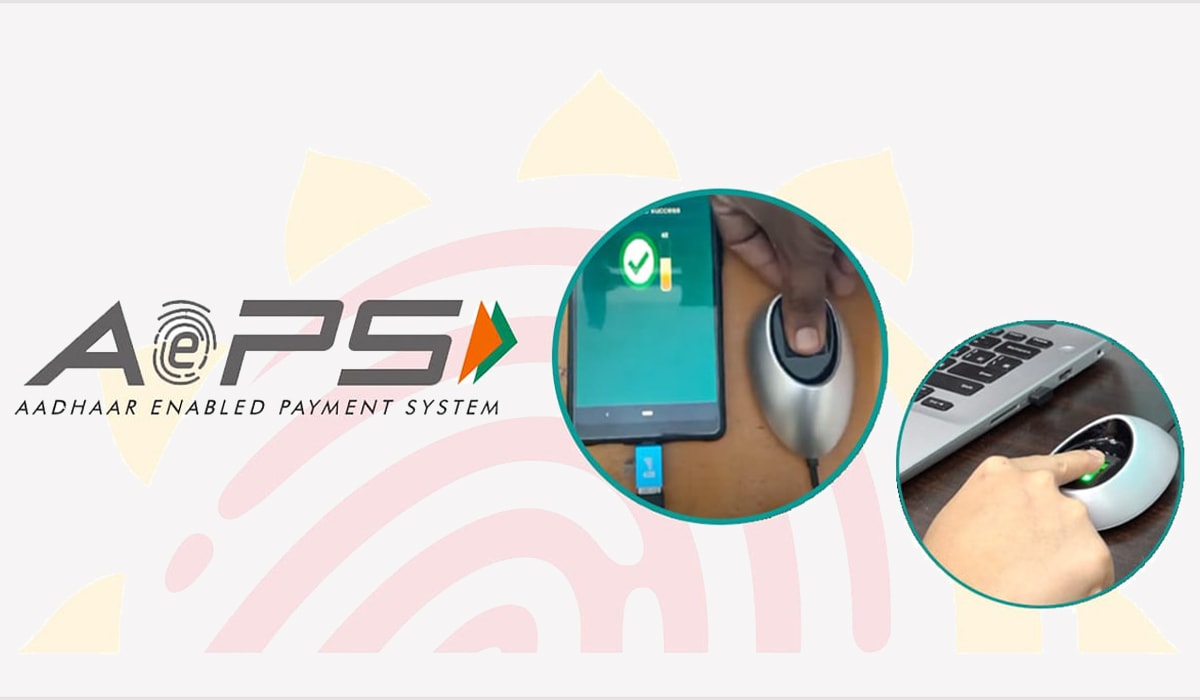
Highlights
- Enhanced Security: Biometric payments use unique physiological traits, making them more resistant to fraud.
- Fast and Convenient: Transactions become streamlined with quick authentication, eliminating the need for cards and PINs.
- Emerging Market Trends: With major companies investing, the technology is poised for broader adoption despite challenges.
Understanding Biometric Payment Systems
Biometric payment systems represent a cutting-edge alternative to traditional credit card transactions by leveraging the unique physical or behavioral characteristics of an individual. These systems use data from fingerprints, facial recognition, palm vein mapping, iris scans, or other biometric identifiers to authenticate a user's identity during a transaction.
What Are Biometric Payment Systems?
At their core, biometric payment systems work by capturing and verifying unique biological data from a user and linking it to their financial account. Unlike credit cards that rely on a physical medium that can be stolen, lost, or cloned, biometric systems rely on immutable features like a user's fingerprint or facial structure and can provide a significantly higher level of security. This technology not only minimizes fraud risks but also enhances the overall transaction process by removing the need for physical cards or remembering PINs.
Key Components of Biometric Payment Systems
There are three primary components that form the backbone of biometric payment systems:
- Registration: Users initially enroll their biometric data through a secure process. This data is then stored, often in encrypted form, for future comparisons.
- Authentication: When making a payment, the user’s live biometric input is captured and compared with the stored data. If the match is verified, the transaction is approved.
- Transaction Processing: Once identification is confirmed, the financial transaction is processed, all of it happening in real time.
Technological Insights and Market Developments
Biometric payment systems are currently at the forefront of payment technology innovation. With the advancement in sensor technology, machine learning algorithms, and data encryption techniques, multiple companies are actively investing in and deploying biometric payment solutions. These developments are primarily driven by the need for safer, faster, and more convenient payment methods.
Major Industry Players and Innovations
Industry leaders in technology and finance are exploring various applications of biometric systems for payments. Some of the noteworthy advances include:
Amazon’s Palm Biometric Payment
Amazon has been a forerunner in developing palm biometric payment systems, which extend beyond retail into sectors such as healthcare. By using palm vein mapping and other hand geometry measurements, Amazon’s system facilitates secure transactions without the granular need for physical cards. Their venture into healthcare highlights the flexibility and security of this method in environments where conventional payment methods might be cumbersome.
JP Morgan and Palm Vein Technologies
JP Morgan has taken notable strides with the development of payment terminals that utilize palm vein biometrics. Although this technology originated from similar implementations in other regions, such as Tencent’s Weixin PalmPay, the adoption in Western markets has been gradual. Nonetheless, the technology promises an enhanced level of security, reducing dependency on traditional cards.
Collaborations for Enhanced Authentication
Partnerships between hardware vendors and biometric solution providers are instrumental in driving adoption. For example, Verifone’s collaboration with PopID aims to integrate facial and palm recognition modules into payment terminals. Such initiatives are geared towards creating a seamless experience for both merchants and consumers, as biometric systems become integral to daily transactions.
Security Advantages
Perhaps the most significant advantage of biometric payment systems is their intrinsic security. Unlike traditional cards that can be subject to skimming, cloning, or theft, biometrics rely on physical identifiers that are either incredibly difficult to replicate or alter.
Unique Features of Biometric Data
Biometric data is inherently unique to each individual. This uniqueness ensures that even if a cybercriminal obtains access to the system, they would face tremendous challenges in fabricating someone's fingerprint, facial attributes, or palm vein patterns. Moreover, biometric systems often incorporate multi-factor authentication by requiring secondary verification during the registration or transactional process.
Fraud Reduction
Fraud is a critical issue in the financial sector, and biometric systems provide a formidable barrier against fraudulent activities. Since biometric traits are naturally distinct and cannot be easily transferred, identity theft becomes significantly more difficult. This represents a major advantage over traditional methods, where lost or stolen credit cards can expose users to outright financial loss.
Encryption and Data Storage
Beyond the uniqueness of the physical traits, robust encryption protocols are utilized to secure stored biometric data. The use of advanced encryption methods ensures that even if data breaches occur, the biometric information remains unusable to cyber attackers. Furthermore, localized storage solutions, where the data remains on the user’s device rather than a centralized database, provide an added layer of security.
Convenience and User Experience
The simplicity and efficiency of biometric payments offer significant improvements over traditional transactions. The modern consumer’s growing expectation for fast, frictionless transactions aligns perfectly with the capabilities of biometric systems.
Streamlined Transaction Processes
Biometric systems eliminate the need for physical cards, PINs, or signatures; a simple scan of a finger or a glance can facilitate the entire payment process. This reduction in steps not only speeds up the transaction but also diminishes the potential for user error or delay.
Enhanced Retail and Service Efficiency
Merchants have started to see the benefits of quicker transaction times. By reducing check-out times, retailers can manage longer lines and improve customer satisfaction. Reduced reliance on physical media (cards) also cuts the associated costs of card maintenance, replacement, and lost-quality disputes.
User Adoption and Everyday Use
The convenience offered by biometric systems is particularly attractive in high-traffic retail situations and for mobile payments. Additionally, this technology can be integrated with wearable devices, further expanding its applicability in the modern, digital ecosystem. With the consolidation of security and speed, consumers are more inclined to adopt biometric systems, despite the initial learning phase that might accompany any new technology.
Comparative Analysis: Biometric Payments Versus Credit Cards
To provide a clear understanding of where biometric payment systems stand in comparison with traditional credit cards, the following table encapsulates their key differences:
| Feature | Biometric Payments | Credit Cards |
|---|---|---|
| Security | High security based on unique, hard-to-replicate biometric data; lower risk of fraud and identity theft | Susceptible to card skimming, cloning, lost or stolen cards |
| Convenience | Rapid authentication without physical cards, improved user experience, shorter transaction times | Requires carrying the card, remembering PINs, and manual entry of details |
| Infrastructure | Emerging hardware support; however, adoption is growing with new innovations across industries | Well-established global infrastructure and widespread merchant acceptance |
| Cost | Potentially lower transaction fees and reduced theft cost; initial system setup can be expensive | Higher transaction fees and risk of fraudulent chargebacks |
The table above illustrates that while the traditional credit card system is underpinned by an expansive and robust infrastructure, biometric systems offer a modern alternative that excels in security and convenience. As advancements reduce initial costs and expand hardware compatibility, it is expected that the gap between infrastructure maturity for credit cards and biometric systems will narrow.
Challenges Facing Biometric Payment Systems
Despite the promising advantages, there are challenges associated with biometric payment technologies that must be addressed to facilitate widespread adoption.
Privacy and Data Security
One of the major concerns surrounding biometric systems is the handling and storage of sensitive personal data. If biometric data falls into the wrong hands due to poor security practices or breaches, the impacts could be more severe than those encountered with stolen credit cards. To mitigate these risks, stringent encryption standards and secure storage protocols must be implemented. Transparent policies and robust regulatory frameworks are needed to build and maintain consumer trust.
Potential for System Hacking
While the intrinsic uniqueness of biometric data reduces the risk of replication-related fraud, technical vulnerabilities can still exist. Nonetheless, continuous innovations in cybersecurity and periodic audits ensure that biometric data is safeguarded against hacking attempts.
Implementation Costs and Infrastructure Challenges
For businesses, one significant barrier is the upfront cost of implementing biometric payment systems. Installing sophisticated sensors, integrating them with existing transaction systems, and staff training require considerable investment. However, these costs might be offset over time by lowered fraud-related losses and improved operational efficiencies. With technology maturing, economies of scale are likely to drive down costs, making the technology more accessible.
Future Trends and Market Outlook
The future of biometric payments is promising. With increased public awareness and ongoing technological advancements, the next few years are expected to see rapid growth in this sector. Major financial institutions, tech giants, and even retail brands are progressively incorporating biometric systems into their payment options.
Expansion Across Industries
While current applications are mainly seen in retail and selective sectors like healthcare, the technology is expected to expand into diverse fields including transportation, financial services, and government services. Each new implementation allows the technology to evolve and offer more customized security solutions, further improving user confidence.
Integration with Mobile and Wearable Devices
One of the most exciting prospects of biometric payments is their integration with mobile devices and wearables. With many smartphones already equipped with fingerprint sensors and facial scanners, implementation of such systems on a larger scale is inevitable. Moreover, wearable devices can continuously validate user identity, enabling not just payments but a spectrum of secure mobile transactions.
Market Growth and Consumer Adoption
As technological adoption increases, consumers are beginning to appreciate the combined benefits of enhanced security and ease of use. Forecasts predict substantial growth in biometric payment markets, with consumer demand accelerating the implementation across multiple continents. Furthermore, as regulatory frameworks evolve to address privacy concerns, biometric systems are poised to become a ubiquitous part of everyday financial interactions.
Industry Comparisons and Developer Insights
Financial institutions and technology companies are sharing insights on best practices for integrating biometric systems into existing payment infrastructures. Developers are emphasizing a balanced approach that harmonizes user convenience with uncompromised security measures. Collaboration between tech innovators and financial regulators is essential to ensure secure, ethical, and scalable growth in the sector.
Developer and Merchant Considerations
Merchants need to assess the compatibility of biometric systems with their legacy systems. Although initial capital investment is a factor, the long-term benefits in reduced fraud and faster checkouts often outweigh these costs. For developers, ensuring seamless integration with mobile payment platforms and robust encryption protocols are key areas of focus. Continuous testing, consumer feedback loops, and iterative improvements are essential for the sustained success of these payment methods.
References
- A Beginner's Guide to Biometric Authentication for Payments - NMI
- Biometric Payments: Shaping the Future of Commerce - Payset
- Biometric Payment Definition - TechTarget
- In-Store Biometric Payments Trends - JP Morgan
- Amazon Expands Palm Biometric Payment to Healthcare - BiometricUpdate
Recommended Queries for Further Insight
Last updated March 6, 2025