
Unveiling BioTE for Low Testosterone: A Comprehensive Guide
Explore the benefits, process, and considerations of BioTE pellet therapy for managing low testosterone, ensuring you're fully informed before treatment.
Key Insights into BioTE Pellet Therapy
- Enhanced Well-being: BioTE pellets are designed to significantly improve energy, mood, cognitive function, and sexual health by providing a consistent release of bioidentical testosterone.
- Personalized Approach: The initial process involves a thorough consultation and extensive blood work to tailor the pellet dosage specifically to your body's needs, followed by a quick, subcutaneous insertion.
- Ongoing Monitoring: Regular follow-up visits and blood tests are crucial to ensure optimal hormone levels, assess treatment effectiveness, and proactively manage any potential side effects.
The Transformative Benefits of BioTE for Low Testosterone
BioTE hormone pellet therapy aims to restore hormonal balance, specifically targeting low testosterone (low T) in men. This approach, using bioidentical hormones, seeks to mimic the body's natural processes, offering a range of potential benefits that can significantly improve quality of life. The consistent release of testosterone from the pellets helps mitigate the "rollercoaster" effect often associated with other hormone replacement methods, leading to more stable and sustained improvements.
Revitalizing Energy and Vitality
One of the most commonly reported benefits is a notable increase in energy levels and overall vitality. Low testosterone can lead to chronic fatigue, making daily tasks feel overwhelming. By optimizing hormone levels, BioTE therapy can help counteract this fatigue, leading to enhanced physical endurance and improved daily functioning.
Boosting Mental Health and Cognitive Clarity
Low T can impact mental well-being, contributing to symptoms of depression, anxiety, and a general feeling of cognitive fog. BioTE therapy is often associated with improved mood, reduced feelings of anxiety or depression, and enhanced mental focus and clarity. Many individuals report feeling sharper, more positive, and more emotionally stable.
Enhancing Sexual Health and Performance
Testosterone plays a crucial role in male sexual health. For men experiencing low T, BioTE can address issues such as decreased libido, erectile dysfunction, and overall sexual performance. The restoration of balanced hormone levels often leads to improved sexual desire and satisfaction.
Optimizing Physical Composition and Well-being
Beyond energy and mood, BioTE therapy can contribute to positive changes in body composition. It may help in reducing stubborn belly fat and improving muscle mass and strength, especially when combined with a healthy lifestyle and regular physical activity. This can lead to a feeling of being younger, healthier, and more robust.
Comprehensive Quality-of-Life Improvements
The cumulative effects of balanced hormones extend to various aspects of life. Patients often report better sleep quality, improved memory, and a general sense of enhanced well-being. By maintaining hormonal equilibrium, BioTE therapy may also play a role in preventing age-related health issues.
Navigating the Initial BioTE Application Process
The journey to beginning BioTE pellet therapy involves a structured and personalized approach, typically overseen by a urologist or a BioTE Certified Provider. This ensures that the treatment is appropriate for your individual needs and health profile.
Bioidentical hormone pellets used in therapy.
Initial Consultation and Comprehensive Evaluation
The process begins with an in-depth consultation. Your urologist will conduct a thorough review of your medical history, discuss your current symptoms related to low T, and perform a comprehensive evaluation. This initial assessment is critical to determine your eligibility for BioTE therapy.
Extensive Blood Work for Personalized Dosing
A key component of the evaluation is extensive lab testing. Blood samples will be drawn to accurately measure your current hormone levels, including testosterone, estradiol, PSA (Prostate-Specific Antigen), and lipid profile. These lab results, combined with your height, weight, age, and activity level, are used to precisely customize the dosage of the BioTE pellets. This personalized dosing is a cornerstone of the BioTE Method, aiming to provide your body with the exact amount of hormone it needs.
The Pellet Insertion Procedure
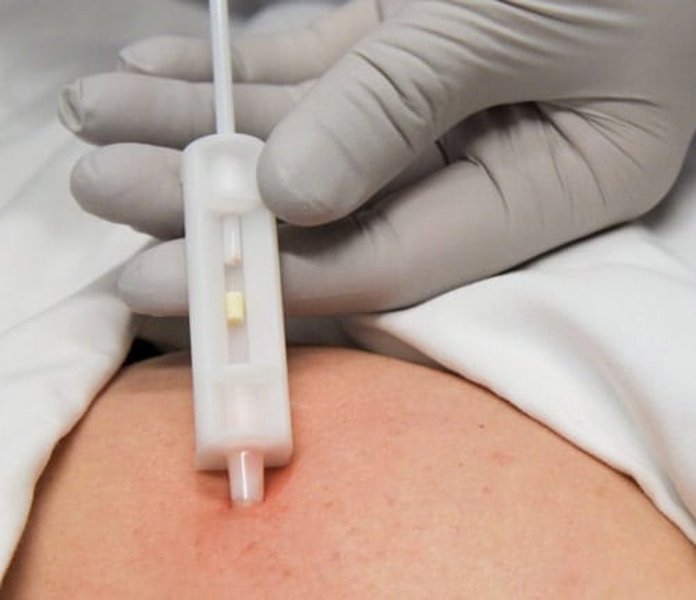
Once your eligibility is confirmed and your personalized dosage is determined, the pellet insertion procedure is scheduled. This is a quick and relatively minor in-office procedure:
- Local Anesthesia: The insertion site, typically in the fatty tissue of the upper buttocks or hip area, is numbed with local anesthesia to ensure comfort.
- Small Incision: A tiny incision, usually no larger than a grain of rice, is made in the skin.
- Pellet Insertion: The bioidentical hormone pellets, which are roughly the size of a grain of rice, are then inserted subcutaneously (just beneath the skin) using a specialized instrument.
- Closure: The incision is typically closed with a small piece of surgical tape or a dissolvable stitch, requiring minimal downtime.
The entire procedure is often completed within a few minutes, allowing for a swift return to most normal activities, with specific post-insertion care instructions provided by your urologist.
The Imperative of Follow-Up and Continuous Monitoring
BioTE therapy is not a one-time treatment; it requires ongoing monitoring to ensure its effectiveness and safety. This involves a combination of regular follow-up visits and consistent blood work.
Scheduled Follow-Up Visits
Yes, follow-up visits are essential. Typically, your first follow-up appointment will be scheduled approximately 4 to 6 weeks after the initial pellet insertion. During this visit, your urologist will assess your response to the therapy, discuss any changes in your symptoms, and potentially repeat some lab tests. Subsequent visits are usually scheduled every 3 to 6 months, depending on your individual response and hormonal needs.
A look at the actual procedure for inserting testosterone pellets.
The Critical Role of Blood Work
While in-person follow-ups are crucial for clinical evaluation and discussions, blood work remains the cornerstone of monitoring BioTE therapy. Regular blood tests are performed to:
- Assess Hormone Levels: Verify that your testosterone levels are within the optimal therapeutic range.
- Evaluate Other Markers: Monitor other relevant markers like estradiol, PSA, and lipid profiles to ensure overall health and identify any potential imbalances or side effects early.
- Adjust Dosage: Based on blood work results and your symptomatic response, your urologist can make informed decisions about adjusting the timing or dosage of future pellet insertions.
Both clinical assessment during follow-up visits and objective data from blood tests are integral to maintaining the effectiveness and safety of your BioTE hormone therapy.
Understanding Potential Effects on Testicular Size
A common concern with testosterone replacement therapy (TRT) is its potential impact on testicular size. This phenomenon, known as testicular atrophy, occurs because the introduction of exogenous testosterone can suppress the body's natural production of testosterone by the testes. When the testes are no longer signaling the brain to produce testosterone, their function diminishes, leading to a reduction in size.
BioTE Pellets vs. Traditional TRT Injections
Traditional TRT injections are often associated with a higher likelihood of testicular atrophy due to their rapid and often fluctuating delivery of testosterone, which can more acutely suppress natural production. BioTE pellet therapy, on the other hand, is designed to provide a more consistent and steady release of bioidentical hormones, aiming to mimic the body's natural endocrine rhythm.
Variability and Individual Response
While some reports suggest that the steady release from BioTE pellets might lead to less pronounced testicular shrinkage compared to the "rollercoaster" effects of injections, it's important to understand that any form of exogenous testosterone can potentially impact the body's natural hormone production pathway. Therefore, some degree of testicular suppression and potential size reduction can still occur with BioTE therapy. Your urologist will monitor this aspect closely and discuss any specific concerns or management strategies.
Potential Risks and Considerations of BioTE Therapy
While BioTE therapy is generally considered safe and effective when administered and monitored by qualified medical professionals, like any medical treatment, it carries potential risks and side effects. The use of bioidentical hormones is believed to minimize some adverse effects compared to synthetic hormones because they are molecularly identical to those naturally produced by the human body.

Diagram illustrating the pellet insertion process.
Common and Localized Side Effects
- Insertion Site Reactions: These are typically minor and localized, including temporary pain, bruising, swelling, or tenderness at the pellet insertion site. In rare cases, infection at the site can occur.
- Hormone Imbalances: If dosing is not perfectly tailored or if individual responses vary, temporary hormone imbalances might lead to symptoms such as acne, hair thinning or loss, fluid retention, or mood fluctuations (e.g., irritability).
Systemic and Long-Term Considerations
- Prostate Health: Testosterone therapy can influence prostate health. Regular monitoring of Prostate-Specific Antigen (PSA) levels is standard practice to detect any potential prostate issues early.
- Cardiovascular Risks: While bioidentical methods are believed to carry fewer risks than some synthetic hormone therapies, the overall impact of long-term testosterone therapy on cardiovascular health is an area of ongoing research. Your urologist will assess your individual cardiovascular risk factors.
- Blood Clots: As with any hormone therapy, there is a theoretical risk of blood clots, though this is generally considered low with bioidentical pellet therapy under medical supervision.
- Regulatory Status: It's important to note that while the bioidentical hormones themselves and their manufacturing processes are regulated, the individualized dosing and the overall "BioTE Method" of pellet insertion are not specifically FDA-approved as a drug administration method. This requires stringent medical oversight and professional judgment.
Open and continuous communication with your urologist about any symptoms or concerns is crucial throughout your BioTE therapy. They will closely monitor your progress and make any necessary adjustments to minimize risks and optimize benefits.
BioTE Therapy: A Multifaceted Analysis
The radar chart above provides a visual representation of the expected benefits and potential challenges associated with BioTE pellet therapy for low testosterone. The "Expected Benefits" dataset highlights areas where patients typically experience significant improvements, such as consistent hormone levels, enhanced sexual health, and increased energy. These are generally rated highly, indicating a strong positive impact. Conversely, "Potential Challenges" illustrates areas where minor issues might arise, such as very slight mood fluctuations or minor localized reactions, which are generally very low due to the bioidentical nature of the hormones and careful monitoring. This chart aims to offer a balanced perspective on what to anticipate during your BioTE journey, emphasizing the strong potential for positive outcomes while acknowledging minimal, manageable considerations.
The Interconnected Aspects of BioTE Therapy
This mindmap visually outlines the key components and interconnected aspects of BioTE pellet therapy for low testosterone. Starting from the central concept of "BioTE Pellet Therapy for Low T," it branches out into major categories: Benefits, Initial Process, Follow-Up & Monitoring, Testicular Impact, and Risks & Considerations. Each category further expands into specific, detailed points, providing a clear and concise overview of what to expect. For instance, "Benefits" highlights areas like increased energy and improved mood, while "Initial Process" details the consultation, blood work, and pellet insertion. The mindmap serves as a quick reference, illustrating how each element of BioTE therapy contributes to the overall treatment experience, from assessment to long-term management and potential side effects.
Summary of BioTE Therapy Key Aspects
| Aspect | Description |
|---|---|
| Benefits | Increased energy, vitality, improved mood, cognitive clarity, enhanced sexual performance, increased muscle mass, better weight management, and consistent hormone levels. |
| Initial Application | Comprehensive evaluation with medical history, extensive blood work for personalized dosing, followed by a quick, subcutaneous pellet insertion. A full physical evaluation is implied within the comprehensive consultation process. |
| Follow-Up & Monitoring | Regular follow-up visits (4-6 weeks post-insertion, then every 3-6 months) are required alongside consistent blood work to monitor hormone levels, assess effectiveness, and adjust dosages. |
| Testicular Impact | Any exogenous testosterone can lead to some testicular atrophy. While BioTE's steady release may cause less severe shrinkage than some TRT injections, it's still a possibility. Discussion with your urologist is key. |
| Risks | Minor localized reactions (pain, bruising) at the insertion site. Potential for temporary hormone imbalances (acne, mood changes). Long-term monitoring for prostate and cardiovascular health is necessary. The procedure itself is not FDA-approved, though the pellets and their manufacturing are regulated. |
This table summarizes the core information regarding BioTE therapy, offering a concise overview of the benefits, the initial process, ongoing monitoring requirements, potential effects on testicular size, and associated risks. It consolidates the key takeaways, allowing for a quick understanding of the multi-faceted nature of this treatment.
Frequently Asked Questions About BioTE Therapy
What is BioTE hormone pellet therapy?
How long do BioTE pellets last?
Is BioTE therapy FDA-approved?
Can I stop BioTE therapy at any time?
How quickly will I feel the effects of BioTE?
Conclusion
BioTE hormone pellet therapy offers a promising approach for men grappling with low testosterone, aiming to restore balance and significantly improve various aspects of their health and well-being. From revitalized energy and improved mood to enhanced sexual performance and better physical composition, the benefits are designed to be comprehensive and sustained due to the consistent hormone release. The process involves a thorough initial evaluation with extensive blood work to ensure personalized dosing, followed by a straightforward subcutaneous pellet insertion. Ongoing monitoring through regular follow-up visits and blood tests is critical to optimize treatment effectiveness, adjust dosages as needed, and proactively manage any potential side effects. While the therapy can lead to some degree of testicular atrophy, careful oversight by your urologist helps mitigate risks. Open communication with your healthcare provider is paramount to ensure BioTE therapy aligns with your health goals and provides a safe and effective path toward improved hormonal balance and overall quality of life.
Recommended Further Exploration
- Understanding the difference between bioidentical and synthetic hormones
- Long-term effects of testosterone replacement therapy on cardiovascular health
- Managing side effects of hormone replacement therapy for men
- Comparison of testosterone delivery methods: injections, gels, and pellets