
Unveiling the Biotech Landscape: A Deep Dive and Primer
Exploring the science, business, and future of a transformative industry.
Key Insights into the Biotech Industry
- Robust Growth: The global biotechnology market is experiencing significant expansion, with projections indicating substantial growth in the coming years.
- Innovation Hub: The industry is characterized by a high degree of innovation, driven by advancements in areas like genomics, molecular biology, and AI integration.
- Diverse Applications: Biotechnology extends beyond healthcare, impacting agriculture, environmental sustainability, and various industrial processes.
What is Biotechnology?
Biotechnology fundamentally involves the use of living organisms, biological systems, or biological processes to develop or create products, processes, or services. This broad definition encompasses a wide range of applications, from ancient practices like brewing and baking to cutting-edge genetic engineering and drug discovery. At its core, biotechnology leverages biological knowledge to address societal challenges and create value.
The industry is heavily reliant on scientific research and development, often pushing the boundaries of what is currently understood about biological systems. This requires a deep understanding of fields such as molecular biology, genetics, biochemistry, and microbiology.
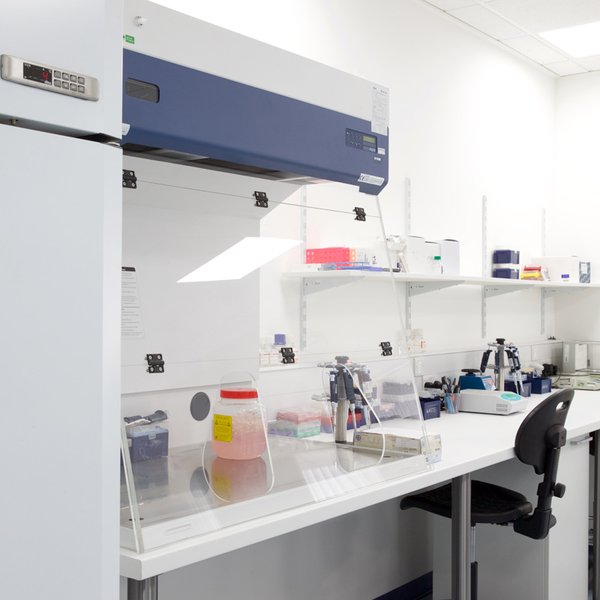
A modern biotechnology laboratory setting.
The Biotechnology Market: Size, Growth, and Drivers
The global biotechnology market is a significant and growing sector. Valued at approximately USD 1.55 trillion in 2023, it is projected to reach around USD 3.54 trillion by 2033, with various reports indicating a compound annual growth rate (CAGR) exceeding 12% in the coming years. This growth is fueled by several factors:
Driving Forces Behind Market Expansion
Government Support and Initiatives:
Favorable government policies, including streamlined regulatory frameworks, improved approval processes, and standardized clinical studies, are providing a fertile ground for market expansion.Rising Prevalence of Diseases:
The increasing incidence of infectious and chronic diseases drives the demand for innovative diagnostic tools and therapeutic interventions developed through biotechnology.Advancements in R&D:
Significant investments in research and development, particularly in areas like genomics, molecular biology, and novel drug discovery techniques, are leading to breakthrough innovations.Personalized Medicine and Orphan Drugs:
The growing focus on personalized medicine and the increasing number of approved orphan drug formulations create new market opportunities for biotechnology companies.Integration of AI:
The increasing integration of Artificial Intelligence in drug discovery and development processes is accelerating research timelines and improving efficiency.
Applications of Biotechnology
Biotechnology's reach extends across numerous sectors, offering solutions to diverse challenges. While often associated with healthcare, its applications are far broader.
Key Application Areas
Healthcare (Red Biotechnology):
This is perhaps the most prominent application, focusing on the development of diagnostics, therapeutics, and preventive measures for diseases. This includes novel drug discovery, vaccine development, gene therapy, cell therapy, and personalized medicine approaches.Agriculture (Green Biotechnology):
Biotechnology is used to improve crop yields, enhance nutritional value, develop pest-resistant crops, and create more sustainable agricultural practices. Genetically modified organisms (GMOs) are a well-known example within this area.Industrial (White Biotechnology):
This involves using enzymes and microorganisms to develop environmentally friendly industrial processes, produce biofuels, create biodegradable materials, and optimize manufacturing.Environmental (Blue Biotechnology):
This area focuses on using marine and aquatic organisms for various applications, such as developing new drugs, studying marine ecosystems, and bioremediation efforts to clean up pollution.Bioinformatics:
The application of computational tools and approaches to analyze biological data, which is crucial for drug discovery, genomic research, and understanding complex biological systems.
Navigating the Biotech Industry: A Primer
For those seeking to understand the biotech industry, a comprehensive approach is necessary. It requires delving into the scientific underpinnings, understanding the business models, and staying abreast of regulatory landscapes and market dynamics.
Key Areas to Explore for a Deep Dive
The Science:
Gain a foundational understanding of the core biological principles that drive biotechnology. This includes cell structure, protein structure, gene expression, genetic variation, genetic engineering, and the human immune response. Resources like "The Biotech Primer" books are specifically designed for non-scientists to grasp these complex topics.Drug Discovery and Development:
Understand the intricate process of identifying potential drug candidates, preclinical testing, clinical trials (phases I, II, and III), and the regulatory approval process by bodies like the FDA. This is a lengthy, expensive, and often risky endeavor.Business Models:
Biotech companies often differ significantly from traditional pharmaceutical companies. Explore their reliance on venture capital, the importance of intellectual property, the role of partnerships and licensing agreements, and the path to market through initial public offerings (IPOs) or acquisitions.Regulatory Landscape:
Familiarize yourself with the regulations and guidelines governing the approval and commercialization of biotech products, which vary by country and application area.Market Dynamics and Trends:
Stay informed about market size projections, growth drivers, emerging technologies (like gene editing and AI), and significant events such as mergers and acquisitions (M&A) and IPO activity.Financial Analysis:
Understanding how to evaluate the financial health and potential of biotech companies can be challenging due to the high-risk nature of drug development and the importance of pipelines. Qualitative analysis, focusing on the science, management, and market potential of a company's products, is crucial.
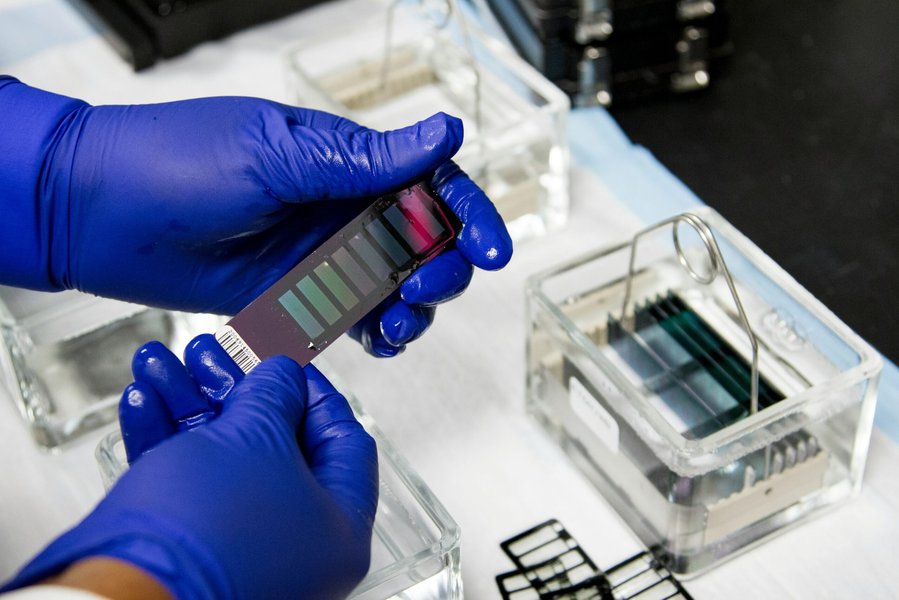
Equipment used in biotechnology research and development.
Resources for Learning
Several resources can aid in a deep dive into the biotech industry:
- Industry reports from research firms like Grand View Research, MarketsandMarkets, and IBISWorld.
- Publications and analysis from organizations like BIO (Biotechnology Innovation Organization).
- Educational materials and training programs offered by entities like Biotech Primer Inc., which specialize in making complex biotech concepts accessible to non-scientists.
- Academic resources, including research papers and university courses in biotechnology and related fields.
- Financial news outlets and investment resources that cover the biotech sector.
Key Trends Shaping the Biotech Future (2024-2025 and Beyond)
The biotechnology industry is in a constant state of evolution, with several key trends expected to shape its trajectory in the near future.
Anticipated Developments
Increased M&A Activity:
Experts anticipate a rise in mergers and acquisitions as companies seek to consolidate and access innovative pipelines, partly driven by upcoming patent expirations for some major drugs.Resurgence of IPOs:
Following a period of caution, the market is seeing a renewed interest in initial public offerings for biotech companies, providing avenues for funding and growth.Advancements in Gene Editing and Cell Therapy:
Technologies like CRISPR-Cas9 continue to mature, holding immense potential for treating genetic diseases and developing novel cell-based therapies.AI in Drug Discovery and Development:
The integration of artificial intelligence and machine learning is accelerating the identification of drug targets, predicting drug efficacy and toxicity, and optimizing clinical trial design.Focus on Advanced Therapies:
There is a growing emphasis on developing complex biological drugs, including antibodies, RNA-based therapies, and personalized cancer treatments.Global Collaboration:
Partnerships between academia, industry, and government bodies are becoming increasingly important for driving innovation and addressing global health challenges.
The industry is also adapting to a "new normal" following the fluctuations experienced during the COVID-19 pandemic, with a focus on sustainable growth and investor confidence.
Biotech vs. Pharma: Understanding the Distinction
While often used interchangeably, biotechnology and pharmaceutical companies have distinct characteristics.
Key Differences
Biotechnology companies typically focus on developing drugs and therapies derived from living organisms or biological systems. They are often smaller, research-driven entities focused on novel discoveries and early-stage development. Their business model often involves significant R&D investment and a reliance on venture capital funding.
Pharmaceutical companies, on the other hand, traditionally focused on chemically synthesized drugs. They are often larger, with extensive manufacturing, marketing, and distribution capabilities. While they increasingly engage in biologics, their historical strength lies in small molecule drugs. Pharmaceutical companies frequently look to acquire promising assets or technologies from biotech firms.
| Feature | Biotechnology Company | Pharmaceutical Company |
|---|---|---|
| Primary Focus | Biologics (drugs from living organisms) | Small Molecule Drugs (chemically synthesized) |
| R&D Stage | Often early-stage, novel discovery | Later-stage development, manufacturing, marketing |
| Size | Typically smaller | Typically larger |
| Funding | Relies heavily on venture capital, IPOs | More established revenue streams |
| Business Model | Innovation-driven, focus on pipeline | Broader portfolio, marketing, distribution |
Challenges and Risks
Despite its potential, the biotechnology industry faces significant challenges and risks.
Navigating the Hurdles
-
High R&D Costs and Failure Rates:
Developing new drugs and therapies is incredibly expensive, and the vast majority of candidates fail during clinical trials. This high-risk environment requires significant investment and patience. -
Regulatory Hurdles:
Navigating the complex and stringent regulatory approval processes can be time-consuming and costly. -
Funding Challenges:
Securing consistent and sufficient funding, especially for early-stage companies, can be difficult. -
Intellectual Property Protection:
Protecting novel discoveries and technologies through patents is critical but can be complex and subject to legal challenges. -
Ethical Considerations:
Certain applications of biotechnology, such as genetic engineering, raise ethical concerns that need careful consideration and regulation. -
Public Perception:
Gaining public acceptance for certain biotech products, particularly in areas like genetically modified crops, can be a challenge.
The Future of Biotechnology
The future of biotechnology appears promising, driven by ongoing scientific advancements and increasing demand for innovative solutions in healthcare, agriculture, and other sectors. Continued integration of technologies like AI, advancements in gene editing, and a focus on personalized medicine are expected to drive significant progress.
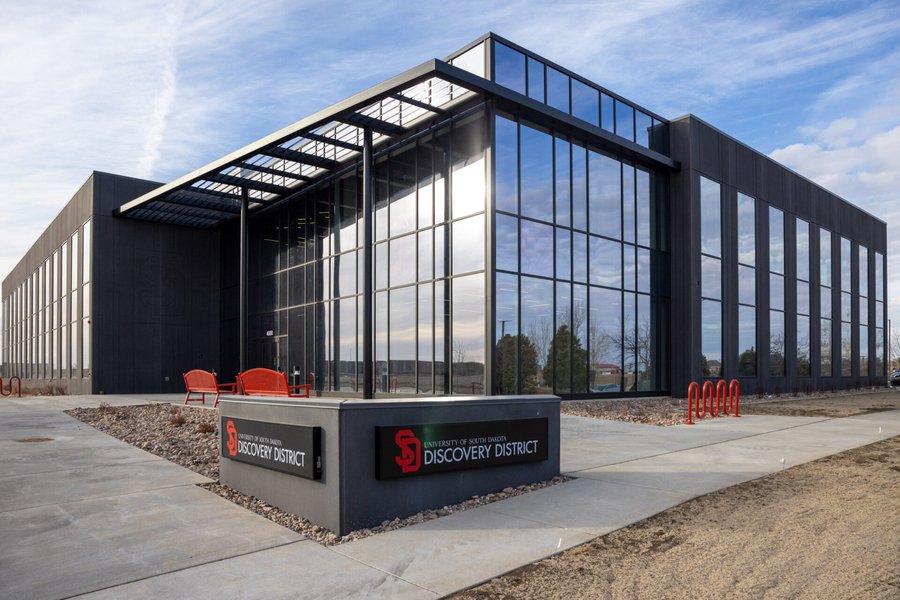
A modern biotechnology research facility.
Collaboration across different sectors and a commitment to addressing ethical considerations will be crucial for unlocking the full potential of this transformative industry.
Frequently Asked Questions (FAQ)
What is the primary focus of the biotechnology industry?
The biotechnology industry primarily focuses on using living organisms, biological systems, or biological processes to develop products, processes, and services across various sectors, including healthcare, agriculture, and industry.
How large is the global biotechnology market?
The global biotechnology market was valued at approximately USD 1.55 trillion in 2023 and is projected to grow significantly, with estimates reaching around USD 3.54 trillion by 2033.
What are some key trends in the biotech industry for 2025?
Key trends for 2025 include increased mergers and acquisitions, a resurgence in IPO activity, continued advancements in gene editing and cell therapy, greater integration of AI in drug discovery, and a focus on advanced therapies.
How does a biotechnology company differ from a pharmaceutical company?
Biotechnology companies typically focus on developing drugs from living organisms (biologics) and are often smaller and research-focused. Pharmaceutical companies traditionally focused on chemically synthesized drugs and are generally larger with extensive manufacturing and marketing capabilities.
What are the main challenges faced by the biotech industry?
Major challenges include high R&D costs and failure rates, complex regulatory processes, securing funding, protecting intellectual property, and addressing ethical considerations.
References

Last updated May 6, 2025