
Metagenome Sequencing and Biotechnological Innovation
Exploring Enzyme Discovery and Sample Preservation Techniques
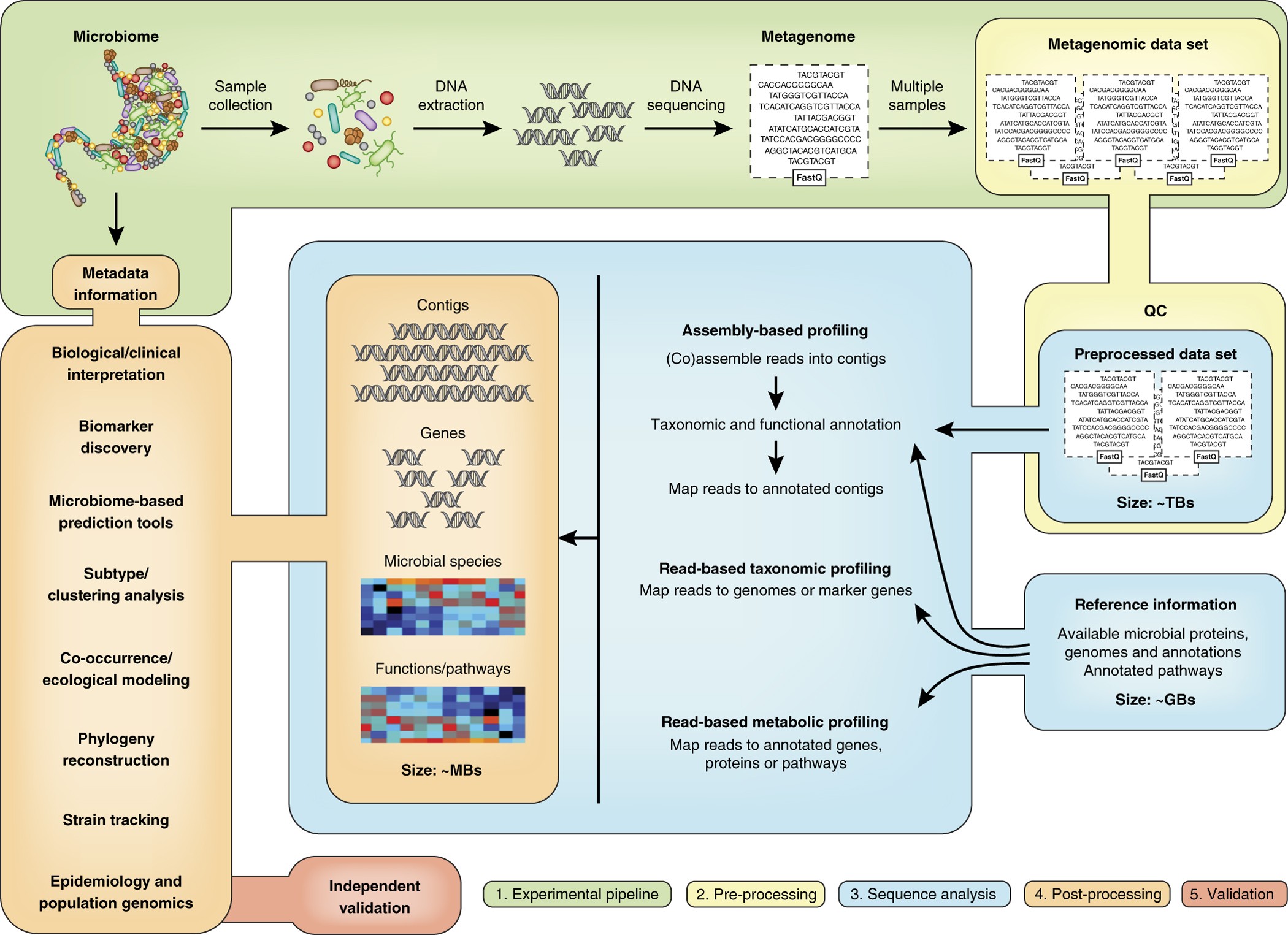
Key Takeaways
- Enzyme Discovery through Metagenomics: Identification of novel enzymes such as MG Orn, which degrades short RNA molecules, opening new avenues for biotechnology.
- Environmental Sample Collection: Meticulous collection and preservation techniques are essential for maintaining the integrity of metagenomic samples from diverse and extreme environments.
- Biotechnological Potential: The discoveries from metagenomic studies can lead to diverse applications, ranging from new biocatalysts for nucleic acid processing to novel antibiotics and biofuels.
Introduction
Metagenome sequencing has revolutionized biotechnology by offering direct access to the genetic material of entire microbial communities without the need for traditional culturing techniques. This innovative approach allows researchers to explore vast reservoirs of genetic diversity found in seemingly ordinary and extreme environments alike. In particular, a study conducted on a metagenomic library derived from the intertidal zone of Svalbard has garnered significant interest. The study identified a gene encoding an enzyme, known as MG Orn, which consists of 184 amino acids and efficiently degrades short RNA molecules. Alongside this fascinating discovery, a rigorous sampling method implemented at intertidal zones in Thrissur, Kerala, India, highlights the importance of effective sample collection and preservation techniques in metagenomic research.
Metagenome Sequencing and Enzyme Discovery
Understanding Metagenomics
Metagenomics is the study of genetic material obtained directly from environmental samples. By bypassing the need for microbial cultivation, researchers can analyze the collective genome of a microbial community, identifying genes, pathways, and enzymes that might otherwise remain undetected. This approach is notably advantageous when studying environments with extreme conditions or high microbial diversity, such as the intertidal zones of polar regions or coastal areas with complex ecological interactions.
The Discovery of MG Orn
In the context of metagenomic research, one of the groundbreaking discoveries is the identification of the gene encoding MG Orn from the intertidal zone of Svalbard. This enzyme, comprised of 184 amino acids, has been biochemically characterized to effectively degrade short RNA molecules. This function is vital as short RNA degradation plays an important role in regulating various cellular processes, including RNA turnover and the recycling of nucleotides. The ability of MG Orn to degrade RNA suggests potential applications in biotechnology, particularly in developing novel tools for nucleic acid processing and manipulation.
Structural and Functional Insights into MG Orn
Detailed studies of the MG Orn enzyme have revealed several key insights:
- The enzyme is composed of 184 amino acids, reflecting an optimal size for rapid substrate interaction and efficient catalytic activity.
- Advanced biochemical assays demonstrated that MG Orn rapidly degrades short RNA oligonucleotides, making it potentially valuable for applications where precise and swift RNA turnover is needed.
- Such enzymes can be leveraged in various fields including genetic engineering, nucleic acid processing for research, and potentially therapeutic applications where regulation of RNA molecules is crucial.
The research exemplifies how metagenomics can uncover proteins with unique functionalities that hold promise for innovative industrial and medical applications. The structural elucidation further supports the enzyme’s role as a biocatalyst, showing that even enzymes from extreme environments such as Svalbard can possess robust and efficient biochemical properties.
Comparative Advantages of Novel Enzymes
Enzymes derived from metagenomic libraries often exhibit unique characteristics compared to traditional enzymes isolated from cultured organisms. MG Orn, for example, demonstrates:
- High Efficiency: It rapidly degrades short RNA substrates, thereby offering potential advantages in processes where quick turnover is necessary.
- Stability: Despite being sourced from a cold and harsh environment like Svalbard, such enzymes can display high salt tolerance and remain effective under variable conditions.
- Adaptability: Their inherent properties, such as heat sensitivity and the requirement of specific structural bonds, provide insights into how enzymes can be optimized for particular industrial processes or modified through protein engineering to enhance performance.
Sample Collection and Preservation
Methodologies for Environmental Sampling
Accurate environmental sampling is pivotal in ensuring the success of metagenome sequencing studies. The quality of the starting material not only affects the reliability of data but also determines the depth of insights that can be gleaned from the analysis. In the study conducted in the intertidal zones of Thrissur, Kerala, India, rigorous protocols were implemented that serve as exemplars for the field.
Sampling Procedures
At each of the two intertidal sites in Thrissur, researchers collected four independent soil samples. These samples were then combined to form a composite sample that is representative of the microbial diversity of that particular location. This composite sampling technique offers several advantages:
- Enhanced Representativeness: By pooling multiple samples, researchers ensure that variations in microbial communities across microenvironments are well captured.
- Reduced Variability: Combining samples minimizes the risk of obtaining an unrepresentative result due to anomalies or localized extremes in microbial composition.
- Optimized Use of Resources: Composite samples are more cost-effective and time-efficient for downstream processing and analysis.
Sterilization and Preservation Techniques
The integrity of environmental samples is paramount for subsequent metagenomic analysis. In the study, all collection vessels were sterilized using standard procedures to eliminate the risk of contamination. Immediately after collection, the samples were transferred to ice-cold containers. This swift transition to low temperatures is critical for several reasons:
- Minimizing Enzymatic Activity: Lower temperatures reduce the activity of endogenous enzymes that could degrade nucleic acids, thereby preserving the quality of genetic material.
- Preventing Microbial Growth: Cooling the samples helps to inhibit the growth of microorganisms that might otherwise alter the composition of the metagenomic sample before processing.
- Maintaining Chemical Stability: Many biochemically relevant compounds are sensitive to temperature changes. Immediate cooling ensures that these molecules remain intact and available for analysis.
Practical Implementation through a Detailed Process Flow
The entire process can be broken down into clearly defined steps ranging from sample collection to processing in the laboratory. The following table summarizes the key stages involved:
| Stage | Description | Key Considerations |
|---|---|---|
| Collection | Four individual samples are collected at each site using sterilized vessels. | Aseptic techniques, representative sampling. |
| Aggregation | Individual samples are combined to form a composite sample to capture variability. | Ensuring even mixing, maintaining diversity. |
| Preservation | Samples are immediately transferred to ice-cold containers. | Minimizing degradation, inhibiting microbial activity. |
| Processing | Samples are processed under controlled conditions to extract high-quality nucleic acids. | Maintaining sample integrity for sequencing. |
Such detailed and standardized procedures ensure that the metagenomic data generated is robust, reliable, and reflective of the true microbial diversity present in the environment.
Biotechnological Applications and Future Perspectives
Expanding the Horizon of Metagenomics
The combined advancements in metagenomic sequencing and stringent sampling methodologies are transforming the landscape of biotechnology. The discovery of unique enzymes like MG Orn is just one example of the broader potential of this field. Beyond RNA degradation, metagenomics paves the way for:
- Pharmaceutical Discovery: Novel enzymes and biosynthetic gene clusters can lead to the development of new antibiotics and therapeutic agents, providing solutions against antibiotic resistance and other health challenges.
- Industrial Biocatalysts: Enzymes with unique properties, such as high salt tolerance or cold-activity, are ideal for industrial processes that require robust catalysts under extreme conditions.
- Biofuel Production: Identification of microbial consortia capable of converting biomass into fuels like ethanol aids in creating sustainable energy alternatives.
- Agricultural Enhancements: Better understanding of soil microbes through metagenomic analysis can improve practices related to nutrient cycling, plant growth promotion, and disease suppression.
Future Research Directions
The field of metagenomics continues to evolve as new technologies and methodologies emerge. Key areas for future focus include:
- Enhanced Sequencing Techniques: Improvements in sequencing technologies and bioinformatic analyses will allow for even deeper insights into the functional potential of microbial communities.
- Function-Driven Exploration: There is a growing need for methods that prioritize the identification of functionalities rather than mere gene sequences, enabling researchers to pinpoint enzymes and other proteins of industrial value directly.
- Integration with Other ‘Omics’ Approaches: Combining metagenomics with proteomics, metabolomics, and transcriptomics will provide holistic insights into microbial ecosystems, offering a comprehensive understanding of environmental interactions and functional capabilities.
- Environmental Sustainability: Insights from metagenomic studies can be used to develop eco-friendly biotechnological processes that reduce environmental impact while enhancing productivity.
Metagenomics Beyond Discovery
While the discovery of novel enzymes is transformative, the practical application of these findings is equally important. Translating research outcomes into industrial or clinical applications necessitates collaboration between microbiologists, biochemists, engineers, and data scientists. The integration of metagenomic discoveries into existing biotechnological processes marks a critical step in addressing global challenges—from healthcare to sustainable energy production. Enabling efficient sample collection and preservation protocols, as evidenced by the methods applied in extreme and diverse environments, is fundamental to acquiring reliable data that drives these innovations.
Conclusion
In summary, metagenome sequencing has emerged as a powerful tool with extensive biotechnological potential. The identification and characterization of enzymes like MG Orn from the intertidal zone of Svalbard demonstrate how exploring microbial diversity can yield enzymes with specialized functions—such as efficient degradation of short RNA molecules—that can be harnessed for various applications. Furthermore, the rigorous methodologies employed for sample collection and preservation, exemplified by the composite sampling approach and immediate cooling procedures practiced in Thrissur, Kerala, underpin the reliability of metagenomic studies. Looking forward, the integration of metagenomics into broader biotechnological research promises to unlock new pathways in pharmaceutical discovery, industrial catalysis, sustainable energy, and agriculture. The continuous refinement of these techniques will undoubtedly foster the development of innovative, efficient, and environmentally friendly applications, thereby bolstering the future landscape of biotechnology.
References
-
PMC Article - NCBI
-
PubMed Study - PubMed
- Wiley Online Library - FEBS
- ResearchGate Publication - ResearchGate
- ProQuest Document - ProQuest
- Proteopedia Page - Proteopedia
More
Last updated February 18, 2025