
Assessing the Likelihood and Mitigation of a Major H5N1 Bird Flu Outbreak
Understanding the Risks and Practical Prevention Measures
Key Highlights
- Risk Evaluation: Current evidence indicates sporadic human cases with low general risk but potential for mutation.
- Preventive Measures: Practical steps including hygiene, vaccination, and use of personal protective equipment are essential.
- Global and Local Actions: Surveillance, public education, and farm management are central to mitigating outbreak risks.
Overview of H5N1 Transmission and Outbreak Likelihood
The H5N1 bird flu virus is primarily a pathogen of birds, causing severe illness and high mortality among affected poultry populations. However, over recent years, there have been instances where the virus has infected mammals – including sporadic human cases – intensifying scientific and public health concerns. The current epidemiological assessments by health authorities state that although the general public is at low risk, the virus’s mutation potential is a matter of ongoing surveillance, as it has the capability to jump the species barrier more efficiently if conditions allow.
The primary route of H5N1 transmission is through direct contact with infected birds or contaminated environments. There is also evidence that certain environmental factors, such as wind and poorly maintained air-intake systems in farms, can facilitate the spread of the virus among poultry. Such conditions are critical in understanding the likelihood of a broader outbreak. Understanding that much of the current concern stems from the virus’s ability to adapt and potentially change its transmission capabilities, health specialists emphasize maintaining vigilance as mutations could lead to enhanced human-to-human transmission.
Key insights from various authoritative sources underscore that while the present risk remains contained and mostly affects people who have close contact with birds (such as poultry workers), any significant mutation that would promote efficient human-to-human spread could transform a localized issue into a major public health crisis. Therefore, the scenario warrants both continual monitoring and proactive measures to mitigate risk.
Practical Steps to Mitigate an H5N1 Outbreak
Mitigating the risk of a major H5N1 outbreak involves coordinated efforts at both individual and community levels. The strategies span from personal hygiene practices to large-scale public health interventions. Below are categorized approaches with detailed steps you can take:
1. Personal and Community Hygiene
Avoidance and Hygiene Practices
Limiting contact with wild birds and infected poultry is the first line of defense. Here are several concrete steps individuals and communities can implement:
- Avoid direct contact: Keep a safe distance from wild birds and avoid feeding them. For communities in rural or farming areas, ensuring that families and workers do not handle wild or sick birds is essential.
- Practice good hygiene: Frequent and thorough handwashing, use of hand sanitizers, and disinfection of surfaces that may come in contact with birds are critical steps. This is especially important for those working in poultry farms or areas where birds are common.
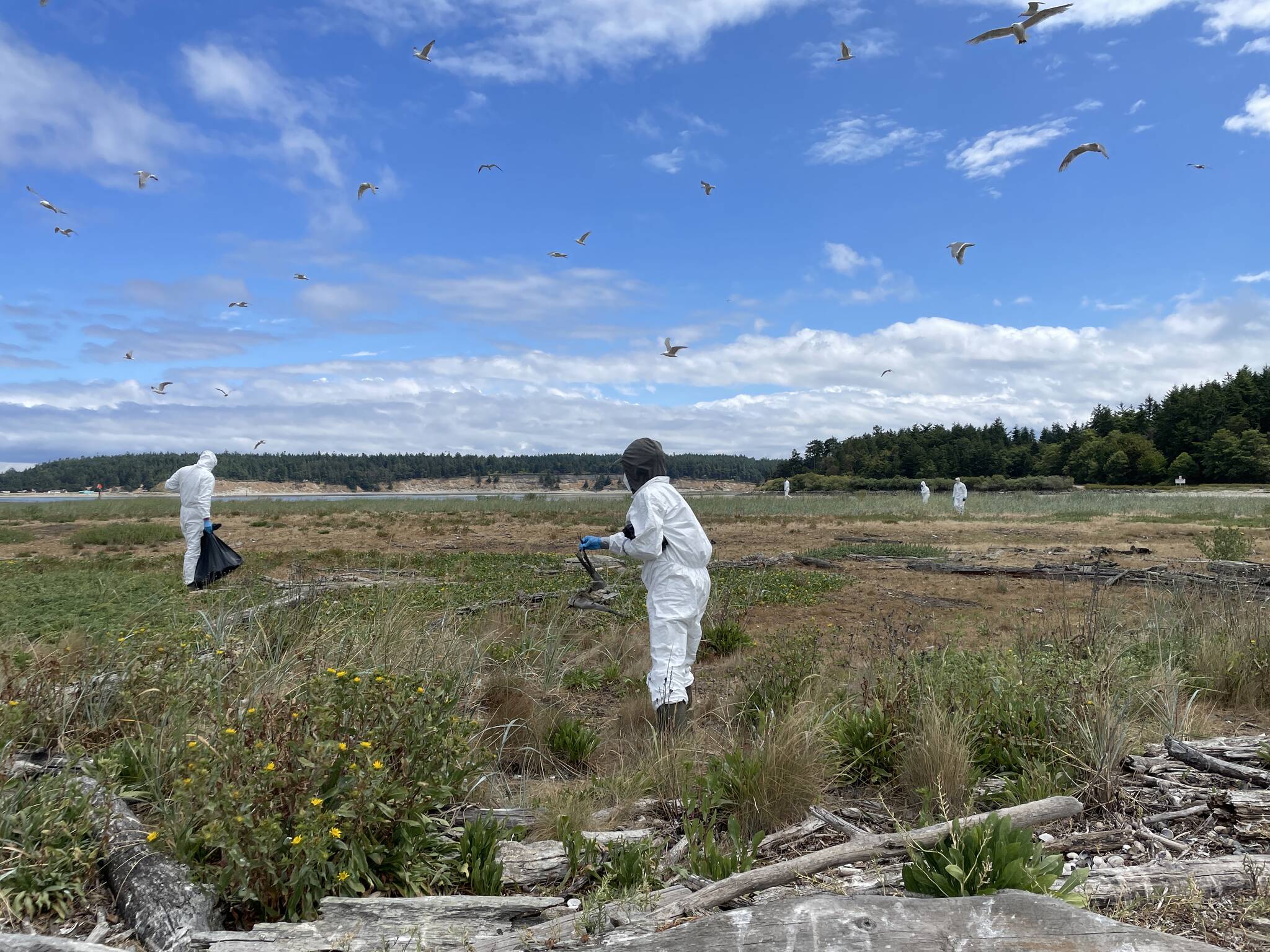
- Protective measures when exposure is unavoidable: If contact with birds or potentially infected materials cannot be avoided, individuals should use proper personal protective equipment (PPE) such as masks, gloves, and eye protection. This minimizes the risk of direct exposure to virus-laden secretions.
2. Food Safety and Nutrition
Safe Consumption Practices
Ensuring that food is safe and free from contamination is another crucial aspect of mitigating the spread of the H5N1 virus. Both poultry and dairy products require special attention:
- Cooking to safe temperatures: Poultry, eggs, and any related products should be cooked thoroughly to internal temperatures that are high enough to neutralize the virus. This directly prevents the transmission of the virus through food consumption.
- Pasteurization: Dairy products should always be consumed pasteurized as raw milk may carry a risk of contamination. Pasteurization is a proven method for eliminating harmful pathogens from milk.
3. Vaccination and Preparedness
Proactive Health Measures
Vaccination plays a pivotal role in public health defense. While a vaccine specifically targeting H5N1 may not be widely available for the general population, several vaccination strategies can support an integrated preventive approach:
- Seasonal Influenza Vaccines: Keeping up with seasonal influenza vaccines is advisable as these can indirectly build immunity that may reduce complications in case of dual infections with influenza viruses. This helps to lower the potential for reassortment that could lead to more virulent strains.
- Targeted H5N1 Vaccination: For high-risk groups such as farm workers, researchers, and individuals with frequent exposure to birds, specific H5N1 vaccines are under development and, when available, should be considered as part of a broader vaccination campaign.
- Pandemic Preparedness: Public health authorities recommend that communities update and rehearse pandemic response plans. Stress-testing healthcare systems and ensuring that emergency supplies are available are crucial steps in mitigating potential crisis scenarios.
4. Enhancing Surveillance and Early Detection
Monitoring and Rapid Response Systems
Effective surveillance systems are crucial in detecting early signs of an outbreak. Continuous monitoring of animal and human populations helps in early identification of the virus and immediate action. Key elements include:
- Enhanced Surveillance: Both local and national public health agencies must strengthen surveillance networks to quickly detect changes in the virus’s behavior. This includes monitoring wild bird populations, poultry farms, and any instances of human infection.
- Diagnostic Tools: Rapid diagnostic tools, such as biosensors that can detect the virus in air samples in under five minutes, provide a promising avenue for early detection. These tools help facilities like farms and poultry processing plants monitor for signs of airborne transmission.
- Data Sharing and Analysis: Coordination between governmental bodies, international health organizations, and research institutions enhances data sharing. This unified approach ensures comprehensive tracking of viral mutations and outbreak patterns.
5. Farm Management and Environmental Controls
Biosecurity Measures
In regions heavily involved in poultry farming, farm managers must implement rigorous biosecurity measures to safeguard animal and, by extension, human health. Specific actions include:
- Improved Ventilation and Filtration: Farms should upgrade and maintain air-intake systems to prevent the virus from spreading via contaminated air currents. Proper ventilation not only minimizes risks but also improves overall animal health.
- Regular Cleaning and Disinfection: Routine disinfection of facilities, equipment, and vehicles used in transporting birds can significantly reduce the contamination risk.
- Controlled Access: Limiting access to poultry farms and ensuring that only individuals with proper training and PPE can enter these environments is essential to limit transmission.
Integrative Table of Risk Mitigation Strategies
| Category | Mitigation Strategy | Practical Application |
|---|---|---|
| Personal Hygiene | Avoid direct contact with wild and sick birds; practice thorough handwashing | Use gloves, masks, and face coverings when unavoidable close contact occurs |
| Food Safety | Cook poultry and eggs to safe internal temperatures; consume pasteurized dairy products | Ensure food preparation practices conform to recommended guidelines |
| Vaccination and Preparedness | Stay updated with seasonal flu vaccines; consider specific H5N1 vaccines for high-risk groups | Implement organized vaccination programs and pandemic planning drills |
| Surveillance | Enhance monitoring of wild birds, poultry, and human cases | Leverage rapid diagnostic tools and biosensors for early detection |
| Farm Biosecurity | Improve farm ventilation, regular disinfection, and controlled access measures | Maintain rigorous biosecurity protocols and train farm personnel |
Addressing Broader Implications and Coordination
In addition to personal and localized actions, addressing a potential H5N1 outbreak requires a robust, coordinated response at the governmental and international levels. Global collaboration is pivotal for the following reasons:
Global Health Coordination
International bodies such as the World Health Organization (WHO) and the Centers for Disease Control and Prevention (CDC) are integral in overseeing the global transmission dynamics of H5N1. Studies and continuous data collection help refine risk assessments and update prevention guidelines. Sharing data on genetic mutations and transmission pathways ensures that vaccine development and antiviral strategies can be accelerated when required.
Governments can also stimulate coordinated research efforts to identify potential threats and implement preemptive measures. This involves investing in vaccine research, expanding diagnostic capacities, and establishing rapid response teams. In regions where agriculture and animal husbandry form substantial portions of the economy, collaborative agreements can help mitigate economic losses by providing timely assistance and resources.
Public Education and Misinformation Management
Clear Communication Channels
Effective public information campaigns play a critical role in preventing panic and ensuring that communities follow recommended safety protocols. Authorities must provide clear, accurate, and timely information about the risks and the steps that individuals can take to protect themselves. These communications need to be culturally sensitive and adapted to local contexts.
Campaigns should also address misinformation, which can exacerbate public fear and impede effective responses. By leveraging social media, public service announcements, and partnerships with community leaders, health organizations can ensure that the information remains accessible and credible.
Technological Innovations and Research
Technological advancements further empower the fight against potential H5N1 outbreaks. New diagnostic tools, such as biosensors that detect airborne viruses rapidly, are being integrated into surveillance networks. These biosensors not only detect the presence of the virus but can also help track environmental factors that contribute to its spread.
Innovations in vaccine production, including scalable manufacturing processes and next-generation vaccine platforms, will enhance preparedness for any emergent strain. Advanced research in understanding viral mutations and transmission pathways continues to improve prediction models, giving policymakers better insights into future risks. These efforts ensure that when a vaccine is required, it can be deployed swiftly and effectively to high-risk populations.
Strategic Considerations for At-Risk Populations
Certain groups, such as farm workers, poultry industry employees, and communities living in close proximity to wild bird migration paths, are at an elevated risk of exposure. Tailored strategies to protect these populations include targeted vaccination, dedicated surveillance programs, and improved on-site biosecurity. Providing training on proper hygiene practices and the correct use of PPE is vital within these groups to lower infection rates.
Equally important is the necessity for governmental and non-governmental organizations to support these communities through education and resources. Financial incentives, emergency response units, and routine health checks can significantly contribute to early detection and treatment. In turn, the strengthened protection of at-risk populations helps reduce the overall likelihood of the virus mutating into a form that could cause a broader outbreak.
References
- H5N1 Bird Flu: Understanding the Risk - Barnstable County
- Will bird flu spark a human pandemic? Scientists say the risk is rising - Nature
- CDC Bird Flu Situation Summary - CDC
- Airborne Transmission of Highly Pathogenic Bird Flu - Forbes
- HHS Moderna Vaccine Contract and Bird Flu Preparedness - STAT News
Recommended Further Queries
Last updated March 11, 2025