
Crafting an Enigmatic Birdhouse Gadget Geocache
Designing a Magnetically-Driven Puzzle for Your Next Geocaching Adventure
Creating a gadget cache, particularly one disguised as a birdhouse with a magnetic puzzle element, offers a truly engaging challenge for geocachers. These caches go beyond simple container hunts, demanding clever problem-solving to access the logbook. Your idea to integrate magnetic attraction and repulsion into a 4-digit combination lock puzzle is an excellent way to enhance the complexity and fun. This guide will walk you through the key considerations for designing, building, and hiding such a unique geocache.
Key Highlights for Your Birdhouse Gadget Cache
- Magnetic Mastery: Develop two distinct magnetic attraction puzzles and two magnetic repulsion puzzles to yield the four digits of your padlock combination.
- Birdhouse Disguise: Ensure your birdhouse container is robust, weather-resistant, and blends naturally into its environment, appearing as a genuine birdhouse.
- Clarity in Complexity: Design puzzles that are challenging but fair, providing sufficient clues on the cache page or at the location to guide finders without giving away the solution.
Understanding Gadget Caches and Their Appeal
The Allure of Interactive Geocaches
Gadget caches are a special breed of geocaches that incorporate a mechanical or electronic element that must be manipulated or solved to gain access to the logbook. They transform a simple find into an interactive experience, often requiring tools of the trade (TOTTs) or critical thinking. From a birdhouse that hides a secret compartment to a device that needs external power, these caches elevate the geocaching experience. Your birdhouse design with a 4-digit combination lock, where each digit is derived from a magnetic puzzle, perfectly embodies the spirit of a gadget cache. This type of cache encourages geocachers to think creatively and apply scientific principles in a real-world setting.
Why a Birdhouse?
Birdhouses are a popular choice for gadget caches due to their natural camouflage and the various ways they can be modified. They can blend seamlessly into wooded areas or parks, appearing innocuous to muggles (non-geocachers) while concealing complex mechanisms. The structure of a birdhouse offers ample space for hidden compartments, magnetic slides, or other puzzle elements that lead to the final prize: the logbook.
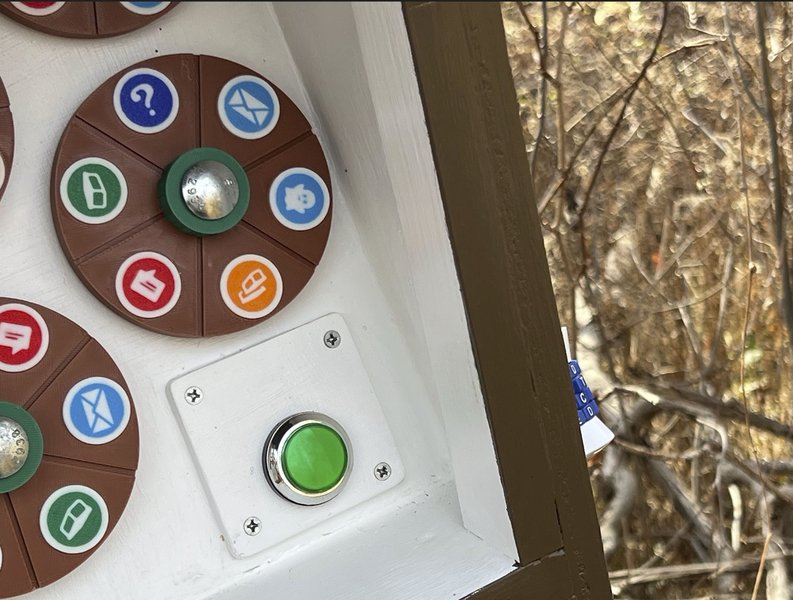
An example of a 3D-printed puzzle component for a gadget cache.
Designing Your Magnetic Puzzles for the 4-Digit Lock
Integrating Magnetic Principles
The core of your gadget cache will be the four magnetic puzzles, each revealing a digit for your padlock. Magnetic attraction and repulsion offer distinct ways to engage the geocacher. For instance, a magnetic attraction puzzle might require the geocacher to use an external magnet (or one provided) to pull a hidden component into view, revealing a number. A repulsion puzzle could involve pushing a component away to uncover a digit. Consider how these interactions will be physically integrated into the birdhouse structure.
Magnetic Attraction Puzzles (Two Digits)
For magnetic attraction, you'll want to design scenarios where bringing a magnet close to a specific point on the birdhouse causes a hidden element to move or appear. Here are two ideas:
- Sliding Panel: Embed a small metal or magnetic plate behind a thin, movable panel on the birdhouse. When a magnet is placed on the outside, it attracts the internal plate, causing the panel to slide open and reveal a digit printed on the interior.
- "Fishing" for a Number: Place a small, lightweight container with a magnet or metal component inside a narrow tube or cavity within the birdhouse. The geocacher would need to use an external magnet (perhaps disguised as a bird perch or a decorative element) to "fish" the container out, revealing the digit printed on it. This concept is similar to caches that require a magnet to manipulate a micro-size container inside a plastic pipe.
Magnetic Repulsion Puzzles (Two Digits)
Magnetic repulsion adds an interesting layer, as it requires careful alignment of polarities. Ensure the magnets used for repulsion are strong enough to visibly move the components, but not so strong that they make the puzzle frustrating or impossible to solve without excessive force.
- Floating Indicator: Create a small, lightweight float or indicator with a magnet embedded in its base, placed within a concealed chamber. Below it, embed another magnet with the same polarity facing upwards. When an external magnet with the same polarity is brought near, it repels the internal magnet, causing the float to rise and display a digit through a small window.
- Push-Away Mechanism: Design a spring-loaded or pivot mechanism where a component, initially held in place by an opposing magnetic force (attraction to another fixed magnet), is pushed away by an external magnet with the same polarity as the fixed magnet, revealing the hidden digit. The external magnet essentially "overpowers" the initial attraction.
The Combination Lock
A 4-digit combination lock is a standard and effective choice for geocaches. You can purchase locks that allow you to set your own combination, making it easy to integrate your puzzle solutions. The combination should be sturdy and weather-resistant, as it will be outdoors. Ensure the lock is securely attached to the birdhouse to prevent theft or tampering.
The lock itself can be a small padlock securing a compartment, or it can be integrated into the design of the birdhouse, perhaps securing a sliding drawer or a hinged door that contains the logbook.
Constructing Your Birdhouse Gadget Cache
Materials and Durability
The longevity of your geocache depends heavily on the materials used. Wood is a common choice for birdhouses, but it needs to be treated to withstand the elements. Consider using marine-grade plywood or exterior-grade lumber, sealed with outdoor paint or varnish. Alternatively, 3D-printed materials can be used for puzzle components or even the entire birdhouse, offering precision and durability against weather and potential muggle interference. Many 3D models for geocache puzzles are available online, including magnetic puzzle boxes.
Securing Your Cache
How you secure the birdhouse is crucial. Nailing it directly to a tree is generally discouraged as it can harm the tree. Instead, consider using methods that allow for tree growth, such as a wire wrapped around the trunk/branch or a sturdy strap. If attaching to a pole or post, ensure it is firmly anchored to prevent theft or displacement.
This video demonstrates how to build a unique birdhouse gadget cache, offering valuable insights for your project.
Internal Mechanisms and Integration
The key to a successful gadget cache lies in its seamless integration. The magnetic puzzles should feel like natural parts of the birdhouse, not simply tacked on. Think about how the internal components will be protected from moisture and debris. Small, waterproof containers for the magnetic elements and logbook are essential. For the magnetic mechanisms, ensure they are smooth and easy to operate once the correct magnetic interaction is applied.
Geocaching Considerations and Best Practices
Setting the Difficulty and Terrain Ratings
Your birdhouse gadget cache will likely have a higher difficulty rating due to the puzzle element. A 4-digit combo lock that requires solving four distinct magnetic puzzles will push the difficulty. Consider how apparent the magnetic interaction will be. If it requires a specific "tool of the trade" (TOTT) like a powerful external magnet, state that on the cache page. Terrain rating will depend on the physical accessibility of the birdhouse's hiding spot.
Crafting the Cache Page
The cache page on Geocaching.com is your opportunity to guide finders. Provide a compelling story or theme for your birdhouse. Include clear instructions or hints for the puzzles, without revealing the solution. For instance, you could hint at "the forces of attraction and repulsion" or "seek the hidden pull/push." Mentioning that a magnet might be required, or that the puzzles involve magnetic principles, is helpful.
Here's a table outlining key considerations for your cache page:
| Element | Description | Guidance for Your Cache |
|---|---|---|
| Cache Name | Engaging and indicative of the cache's nature. | "The Avian Anomaly: A Magnetic Mystery" |
| Difficulty Rating | Reflects the complexity of the puzzle. | Likely 3.5 to 4.5 stars (out of 5) due to multi-stage magnetic puzzle. |
| Terrain Rating | Indicates the physical challenge of reaching the cache. | Depends on location (e.g., 1.5 for easily accessible, higher for off-trail). |
| Cache Description | A narrative that sets the scene and provides initial clues. | Introduce the birdhouse and hint at its magnetic secrets. |
| Puzzle Hints | Subtle guidance on how to approach the magnetic challenges. | "Explore the house for forces that attract and repel," "A hidden number awaits a gentle pull." |
| Required Tools | If a specific item is needed (e.g., a magnet not provided). | "A strong magnet may prove useful in this endeavor." |
| Coordinates | The physical location where the birdhouse is hidden. | Clearly state the coordinates for the birdhouse. |
| Combination Lock Info | Mention the type of lock and how the digits are found. | "Four magnetic challenges will reveal the digits for the padlock." |
Maintenance and Community Engagement
Gadget caches often require more maintenance than traditional hides due to their moving parts and potential for wear and tear. Be prepared to check on your cache regularly, especially after severe weather, to ensure all mechanisms are functioning correctly and the logbook remains dry. Engaging with finders through logs and messages can provide valuable feedback on the puzzle's clarity and enjoyment.
Complexity and Enjoyment Factor
Assessing Your Cache's Attributes
To give you a visual representation of how your proposed birdhouse gadget cache might rank across various attributes, here's a radar chart. This chart reflects an opinionated analysis of its potential based on the design concepts discussed. Higher scores indicate a stronger presence of that attribute.
As you can see from the radar chart, your concept scores highly in puzzle difficulty and creativity, indicating a truly unique and challenging geocache. It also has strong thematic cohesion by integrating the birdhouse aesthetic with a nature-inspired puzzle. The "Required Tools of the Trade" score is moderate, implying that a magnet might be needed, which you can specify. Durability and muggle resistance are factors you'll need to actively address during construction to ensure your cache lasts and isn't easily discovered by chance.
Frequently Asked Questions (FAQ)
What kind of magnets should I use?
How can I make sure the combination lock is secure?
What if a geocacher can't solve the puzzle?
How can I protect the internal mechanisms from weather?
Conclusion
Designing a birdhouse gadget cache with magnetism as the central puzzle mechanism is an ambitious and exciting endeavor that promises to be a memorable find for any geocacher. By carefully planning your magnetic attraction and repulsion puzzles, selecting durable materials, and thoughtfully crafting your cache page, you can create a truly outstanding geocache that blends seamlessly into its environment while offering a captivating challenge. Remember to prioritize durability and clarity in your design, ensuring that while the puzzle is difficult, it is also fair and enjoyable to solve. Your creativity will undoubtedly add a unique gem to the geocaching world.
Recommended Further Exploration
- Explore more creative geocache hiding ideas beyond birdhouses.
- Delve into advanced geocaching puzzle types and their solutions.
- Learn best practices for weatherproofing your geocache containers.
- Discover detailed instructions for building various DIY gadget cache mechanisms.
References
 amazon.com
Last updated May 21, 2025