
Investment Opportunity Analysis: Bitcoin
A comprehensive look at Bitcoin's potential over the coming weeks
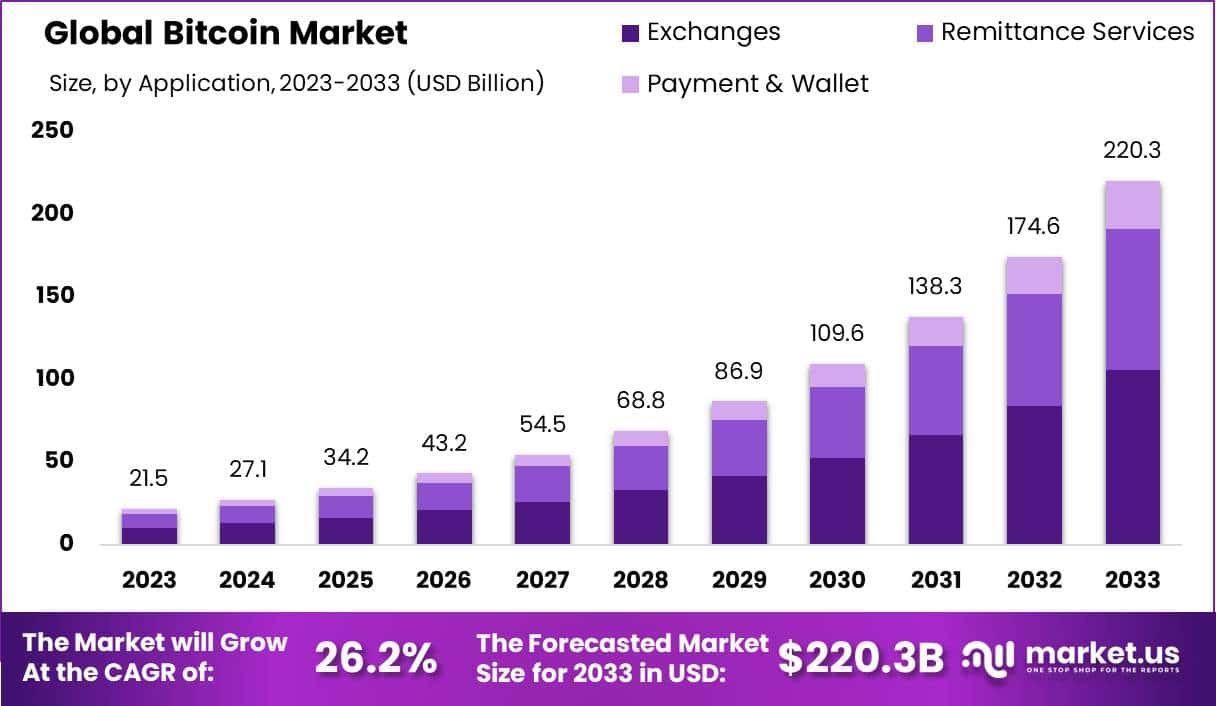
Highlights of the Analysis
- Short-Term Volatility: Expect significant price fluctuations driven by technical factors and market sentiment.
- Macro and Technical Influences: Global liquidity trends, regulatory shifts, and key technical indicators will play pivotal roles.
- Long-Term Prospects: While near-term trading may be choppy, structural factors like institutional adoption promise a bullish longer-term outlook.
Overview of Bitcoin's Current Situation
Bitcoin has long been viewed as both a technological breakthrough and a high-stakes investment opportunity. As of early March 2025, Bitcoin's price is subject to significant short-term volatility combined with several deep-rooted factors that shape its medium- to long-term trajectory. While the cryptocurrency market is known for its dramatic price swings, the underlying trends offer insights into potentially lucrative investment opportunities. In the next few weeks, investors can expect evolving market dynamics where both technical signals and macroeconomic factors serve as determinants of price movements.
Short-Term Market Dynamics
Price Fluctuation and Volatility
Bitcoin’s trading behavior over the past few weeks reflects a high degree of volatility marked by rapid changes. Daily price movements indicate that Bitcoin oscillates between strong support and resistance levels, typically moving within a well-defined trading range. Recent analyses show Bitcoin trading near the $82,000 to $83,000 mark, with technical indicators hinting at a possible bounce from support levels such as $78,375, and resistance being identified around $85,000. However, this range has been accompanied by short-term fluctuations reflective of its inherent market volatility.
The daily price volatility, which can hover around 8-9%, indicates that price swings are not unusual. Such volatility, while challenging, also presents opportunities for active traders. Investors employing strategies like day trading or swing trading can potentially capitalize on this rapid movement. Nonetheless, for those with a longer-term horizon, it is essential to remain vigilant about short-term market noise.
Technical Analysis and Indicators
The technical landscape for Bitcoin is characterized by several key indicators. The 50-day moving average, a popular measure among analysts, is showing an upward slope, suggesting a likely support level should the market test lower boundaries. Additionally, the Relative Strength Index (RSI) typically remains within neither oversold nor overbought regions, suggesting that Bitcoin is currently balanced in its trading sentiment.
Moreover, significant technical events, such as the reversal from critical support levels (for example, around $78,375) indicate that after a short-term correction, Bitcoin could experience a rebound. However, caution is advised as a falling trend in parts of the chart may hint at further short-term corrections or temporary dips in price.
Understanding Volatility Risks and Opportunities
The short-term outlook for Bitcoin is highly dependent on both market sentiment and external economic realities. Analysts have noted that Bitcoin’s volatility could be attributed to several overlapping factors:
- Market Sentiment: News flow relating to global regulation, Federal Reserve policy shifts, and global liquidity trends play a vital role in influencing daily price movements.
- Technical Indicators: Inherent chart patterns and the behavior of moving averages suggest that if Bitcoin finds stable support, a rebound could be imminent, but caution is required as short-term corrections continue.
- Macro Trends: A strengthening U.S. dollar and other macroeconomic pressures can occasionally suppress Bitcoin’s price, though they could also set up a rebound scenario if markets adjust.
Macro and Fundamental Influences
Global Liquidity and Regulatory Environment
Bitcoin's performance is not solely a product of technical charts; instead, it is significantly influenced by global economic trends and regulatory changes. In recent market considerations, analysts have identified that global liquidity trends, particularly those influenced by major central banks, can provide the necessary impetus for Bitcoin price surges. It is expected that even subtle shifts in these trends could produce a ripple effect across the entire market.
Additionally, evolving regulatory stances across various countries tend to impact investor confidence. When governments or regulatory bodies announce crypto-friendly policies or approve institutional products, it is observed that Bitcoin experiences positive momentum. Conversely, any restrictive measures or ambiguous policy guidance may trigger selling pressure.
Institutional Investment and Technological Advancements
The momentum behind Bitcoin is also driven by rising institutional adoption. Major financial institutions and asset managers are increasingly integrating Bitcoin into their portfolios, viewing it as a hedge against inflation and a diversified asset class. This institutional validation contributes positively to Bitcoin's long-term prospects.
On the technological front, ongoing improvements in blockchain infrastructure and the anticipation of future halving events generate additional bullish sentiment. Halving events, which reduce the supply of new Bitcoin entering the market, have historically been followed by sustained upward trends in price. Furthermore, advancements in Bitcoin’s underlying network efficiency further strengthen these technical and fundamental arguments.
Strategic Opportunities for Investors
Short-Term Trading vs. Long-Term Holding
Investors approaching Bitcoin in the near term must carefully weigh the benefits of active trading against those of a long-term holding strategy. The short-term environment, characterized by rapid fluctuations, might be best exploited by those specializing in technical trading:
- Active Trading: Utilizing technical analysis can allow traders to exploit rapid upward or downward movements. Tactics such as day trading, scalping, or swing trading might generate returns if market timing is precise.
- Long-Term Holding: For investors less inclined to monitor daily market fluctuations, adopting a long-term perspective might be beneficial. Dollar-cost averaging is a sound strategy, as it permits gradual accumulation at different price points, potentially reducing the risks associated with volatile entry points.
Dollar-Cost Averaging and Hedging Strategies
Given the unpredictable short-term trajectory of Bitcoin, many investors prefer the concepts of dollar-cost averaging and hedging. For dollar-cost averaging, rather than trying to time the market perfectly, investors commit fixed amounts at regular intervals. This systematic approach mitigates the effect of volatility by lowering the average purchase price over time.
Additionally, hedging strategies—such as diversifying across other asset classes like stocks, bonds, or commodities—can reduce exposure to potential declines in Bitcoin’s value. Combining both approaches allows investors to enjoy the growth potential of Bitcoin while keeping risks manageable.
Comprehensive Technical and Fundamental Indicators
Integrated Analysis Table
The following table integrates several key technical and fundamental indicators relevant to Bitcoin’s short-term and long-term outlook.
| Indicator | Current Trend/Value | Implication |
|---|---|---|
| Price Level | \( \$82,000 - \$83,000 \) | Within trading range; potential support/resistance near \( \$78,375 \) and \( \$85,000 \) |
| Moving Average | 50-day upward trending | Acts as support; signals a possible rebound if tested |
| RSI | Neutral | Market not in overbought or oversold zone; suggests balance |
| Volatility | Daily variations of around 8-9% | Reflects short-term risk and opportunity for quick trades |
| Global Liquidity Effects | Fluctuating | Potential surge if liquidity remains favorable |
| Institutional Interest | Increasing | Boosts long-term confidence and supports upward trends |
Strategic Considerations for the Coming Weeks
Market Preparation and Risk Management
In anticipation of short-term volatility, proactive risk management becomes essential. Investors should prepare for a landscape that may present both intervals of rapid gains and sudden downturns. Key approaches include:
- Regularly monitoring market news and regulatory updates to stay informed about shifts in policy or sentiment.
- Implementing stop-loss orders when engaging in active trading to help safeguard capital during adverse market moves.
- Diversifying across multiple asset classes, thereby reducing the impact of Bitcoin's volatile fluctuations on an investor's overall portfolio.
By understanding that short-term drops may, in fact, present buying opportunities, investors can position themselves to take advantage of potential rebounds while limiting exposure during downturns.
Bearing the Long-Term Outlook in Mind
While the next few weeks may exhibit significant market fluctuations, the long-term outlook for Bitcoin appears promising. Many analysts forecast that Bitcoin’s price will appreciate substantially over the coming years, citing factors such as increased institutional involvement, technological advancements in blockchain, and favorable regulatory developments.
Some predictions even suggest that, over the medium term, Bitcoin could traverse higher price thresholds as global economic conditions evolve, enhancing its narrative as a hedge against inflation and a digital asset class with disruptive potential.
Investment Strategies and Recommendations
For the Risk-Tolerant Trader
Traders with a high tolerance for risk may consider short-term trading strategies to leverage rapid market moves. By employing technical analysis tools, these traders can aim to capture gains during temporary market corrections. However, it is crucial to set clear risk management parameters, such as profit targets and stop-loss orders, to safeguard against unexpected downturns.
For the Long-Term Investor
Investors with a longer time horizon are likely to benefit more from accumulating Bitcoin gradually. Adopting a dollar-cost averaging strategy allows continued accumulation despite short-term volatility. This approach mitigates the impact of large price swings and positions investors to benefit from the potential long-term upward trend driven by institutional adoption and global acceptance of digital assets.
Monitoring Key Developments
Regardless of the strategy chosen, staying alert to both macroeconomic indicators and technical signals is essential. Investors should:
- Track significant technical thresholds, including support levels and resistance zones, using reliable charting platforms.
- Monitor economic data releases, Fed policy updates, and other market-moving news that could impact liquidity and investor sentiment.
- Remain updated on global macro trends and regulatory changes, as these factors directly influence market confidence.
Such diligence helps investors adapt to market surprises—be they sudden price spikes or corrections—and adjust their positions accordingly.
References
- Bitcoin Price Prediction - Binance
- Bitcoin Price Prediction for March 2025 - Coinpedia
- Bitcoin Price Forecast - Changelly
- Analysts Predict Bitcoin Surge - MSN
- Bitcoin Forecast Analysis - Coinlore
Recommended Related Queries
Last updated March 12, 2025