
Exploring Bitcoin Mining Costs in 2025
A detailed overview of factors, estimates, and profitability insights
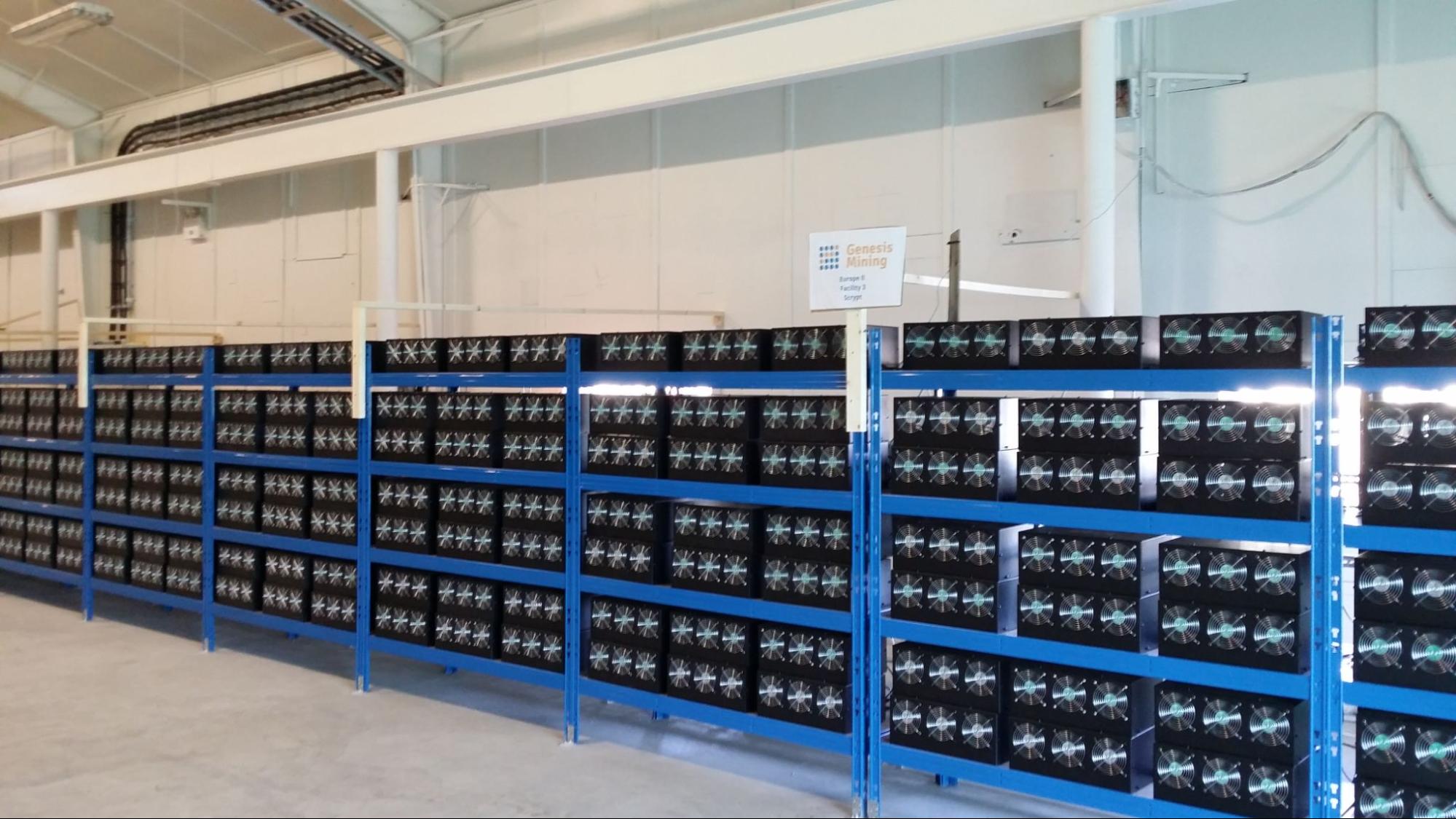
Key Insights
- Cost Influences: Electricity, hardware, maintenance, and local conditions drive Bitcoin mining costs.
- Estimation Variability: Large operations may mine a Bitcoin closer to $27,000-$28,000 while small setups or less efficient operations could exceed $100,000.
- Market Dynamics: Changing mining difficulty, halving events, and market price dynamics continuously affect profitability.
Detailed Analysis of Bitcoin Mining Costs
Overview
Bitcoin mining costs have always been a dynamic mix of multiple factors, and as of early 2025, they have become even more multifaceted. The production cost of Bitcoin is influenced by equipment acquisition, electricity expenses, cooling and facility infrastructure, labor, and other additional fees. While larger mining operations are benefiting from economies of scale and efficient energy usage, smaller miners often face significantly higher costs.
Factors Influencing the Cost
1. Electricity Costs
Electricity remains one of the most critical components in the cost of mining Bitcoin. As mining hardware consumes tremendous amounts of energy, geographical location plays a significant role. For instance, some regions like Lebanon have very low electricity costs (as low as a few hundred dollars per Bitcoin mined), whereas other areas with high electricity rates, such as parts of Ireland or Japan, can experience extremely high operational costs. This variance directly influences overall profitability.
2. Hardware and Equipment
The price to purchase and maintain specialized hardware, such as ASIC miners, represents another major expense. Investments in hardware can range from $10,000 to $20,000 or more for a small mining setup. For larger operators, efficient and often custom-built systems may reduce the per Bitcoin production cost substantially. As technology advances, newer models often provide better efficiency, though they come with higher initial costs.
3. Cooling and Infrastructure
To ensure the efficient functioning of mining hardware, substantial investment in cooling systems and facilities is needed. This includes the cost of setting up data centers or rented spaces equipped with the necessary cooling and safety measures. Cooling costs can add several hundred to a couple of thousand dollars per year depending on the scale of the operation.
4. Network and Pool Fees
Understanding associated fees is crucial. These include network transaction fees and pool fees if a miner chooses to join a mining pool. Pool fees may range between 0.5% to 2% of the block reward. Additional costs such as network fees, although relatively minor compared to electricity and hardware, compound over time and need consideration.
5. Market and Mining Difficulty
Bitcoin’s mining difficulty increases as more miners join the network, and recent halving events have also led to adjustments. The latest halving in 2024, which reduced the block reward to 3.125 BTC per block, has had a considerable impact on the economics of mining. In scenarios where Bitcoin's market values are lower than the cost to mine, even technically efficient operations might see reduced profitability.
Cost Estimates: Small vs Large Operations
Estimates for the cost to mine one Bitcoin vary widely based on the size and efficiency of the operation:
| Cost Component | Estimated Range | Remarks |
|---|---|---|
| Electricity Costs | Varies widely (as low as a few hundred dollars to over $300,000 in high-cost regions) |
Major influence on overall cost |
| Hardware Purchase | $10,000 - $20,000+ initial investment | Cost depends on efficiency and scale |
| Maintenance & Cooling | $500 - $2,000 per year | Essential for stable operation |
| Additional Fees (Network, Pool, Facility) | Approximately $100 - $500 per year each | Generally lower than other costs |
| Total Cost for Large Operations | $27,000 - $28,000 per Bitcoin | With economies of scale |
| Total Cost for Small / Inefficient Setups | Potentially over $100,000 per Bitcoin | Higher due to lack of scale and efficiency |
Cost Dynamics in the Current Market
Market conditions amplify the cost challenges. As of early 2025, reports have indicated that while the average for larger mining operations might be around $27,000 to $28,000 per Bitcoin, some sources show an average production cost nearing $106,000 when considering many smaller or less efficient setups. This contrast is largely due to the differences in hardware efficiency, electricity prices, and overall operational scale.
Moreover, as Bitcoin's mining difficulty continues to rise and block rewards get halved periodically, miners are forced to continually optimize their operations either by investing in better hardware or opting for locations with the cost advantage regarding energy consumption. For instance, regions with abundant renewable energy sources can significantly lower the ongoing expense.
The Economic Landscape of Bitcoin Mining
Profitability Considerations
Ultimately, the profitability of Bitcoin mining hinges on more than just the nominal cost per Bitcoin mined. As market dynamics fluctuate, the price of Bitcoin on exchanges is determined by supply and demand, which may diverge from the mining cost. Miners must assess:
- Maintenance of competitive edge: Staying ahead by calibrating energy consumption and hardware performance is crucial.
- Market volatility: A sharp drop in the market price of Bitcoin could render even efficient mining unprofitable for some operations.
- Regulatory environment: Regional policies regarding energy use and cryptocurrency regulation can tilt the balance in favor of or against mining viability.
Diversification and Additional Revenue Streams
To mitigate risks, some miners are diversifying their revenue streams. For example, leasing data center capacity to AI companies has been explored as a method to offset the high costs associated with maintaining a mining operation. This diversification can provide a buffer against periods of unfavorable bitcoin market prices or increased mining difficulty.
Practical Considerations for Potential Miners
For those contemplating entry into Bitcoin mining in 2025, it is essential to perform a comprehensive cost-benefit analysis:
Geographic Considerations
Selecting a location with lower energy costs and favorable regulatory conditions can dramatically influence profitability. Regions that invest in renewable energy sources also stand out as attractive locations for establishing mining operations.
Investment in Infrastructure
A substantial initial investment in specialized hardware and cooling infrastructure is required. This is often the most significant barrier for small-scale operations but is also where large-scale operations can realize savings through bulk purchases and economies of scale.
Monitoring Market Trends
Continuous monitoring of Bitcoin’s market price and mining difficulty is crucial. Opportunities for optimizing or expanding operations emerge as these factors fluctuate, often necessitating reinvestment in more efficient technology.
Comparative Summary of Cost Metrics
The table below provides a comparative summary of key cost metrics for Bitcoin mining in 2025:
| Category | Large-Scale Operations | Small/Individual Setups |
|---|---|---|
| Electricity Costs | Optimized rates, often negotiated or subsidized | Highly variable, often leading to higher per-unit cost |
| Hardware Investment | $10,000 - $20,000 initial investment per cluster | Higher cost per unit due to lower bulk efficiencies |
| Maintenance & Cooling | Lower overall costs when scaled | Relatively higher, affecting total profitability |
| Overall Cost per Bitcoin | \( \$27,000 \) to \( \$28,000 \) | Could exceed \( \$100,000 \) based on inefficiencies |
References
- How to Mine Bitcoin at Home in 2025 - Crypto News
- Bitcoin Mining Profitability - Asic Marketplace
- Bitcoin Mining Economics Expected to be Stable - Coindesk
- Bitcoin Mining in 2025: Process and Potential - TechnoSports
- Bitcoin Mining Calculator - CoinWarz
Recommended Related Queries
Last updated March 23, 2025