
Bitcoin Price Prediction for the Next 12 Months
Analyzing Trends and Expert Forecasts for Bitcoin's Future
Key Takeaways
- Bitcoin is generally expected to increase in value in the next year, with various experts forecasting significant growth due to factors like institutional adoption and regulatory improvements.
- Multiple factors impact Bitcoin's price, including economic climate, technological advancements, market sentiment, and competition from other cryptocurrencies, leading to potential volatility.
- Price predictions vary widely, ranging from $75,500 to $250,000, reflecting both bullish and bearish outlooks influenced by different market forces and expert opinions.
Bitcoin's Price Predictions for 2025
Overview of Expert Forecasts
As of February 9, 2025, Bitcoin (BTC) maintains its position as the leading cryptocurrency, with a majority of experts providing bullish price predictions for the next twelve months. According to predictions from various analysts and financial advisors, Bitcoin's price is expected to see substantial growth, driven by a combination of institutional adoption, regulatory improvements, and macroeconomic factors.
Bullish Predictions
Many experts project Bitcoin’s price to rise significantly by 2025. Predictions from credible sources suggest that Bitcoin could reach between $100,000 and $250,000 within the next year. Notable forecasts include:
- Forbes.com anticipates that Bitcoin could achieve a price range of $180,000 to $200,000 by the end of 2025, citing increased institutional adoption, favorable regulatory environments, and Bitcoin's potential role as a reserve asset.
- Cryptonews.com forecasts an average price of $160,000, with potential highs reaching $200,000 and lows dropping to $87,000 within the year.
- Tom Lee from CNBC predicts that Bitcoin could reach $250,000, making it one of the highest price points in Bitcoin’s history.
- Matthew Sigel of VanEck forecasts Bitcoin could hit $180,000 by 2025, driven by sustained bullish sentiment and market dynamics.
- AllianceBernstein predicts Bitcoin will reach $200,000 by September 2025, backed by strong institutional investment and liquidity growth.
- Tim Draper, a well-known venture capitalist, believes Bitcoin will reach $250,000 in 2025, driven by mainstream acceptance and technological advancements.
- Standard Chartered projects Bitcoin could reach $200,000 by year-end, fueled by Bitcoin halvings and increased adoption in corporate treasuries.
- Presto Research projects Bitcoin to reach $210,000, highlighting factors like technological improvements and market expansion.
Bearish Predictions and Challenges
Despite the predominantly bullish outlook, some experts caution about potential downward pressures on Bitcoin’s price. These bearish predictions consider the inherent volatility of the cryptocurrency market and potential negative factors, such as:
- Regulatory Constraints: Stricter regulations could limit Bitcoin’s adoption and usage, negatively impacting its price.
- Market Volatility: Bitcoin's price is highly susceptible to market sentiment and can experience significant fluctuations based on global economic conditions.
- Technological Challenges: Any setbacks in Bitcoin’s technological development, such as scalability issues or security vulnerabilities, could erode investor confidence.
- Competition from Other Cryptocurrencies: The rise of alternative blockchain technologies could divert investment away from Bitcoin.
- Macroeconomic Factors: Changes in global monetary policies, inflation rates, and economic stability can influence Bitcoin prices unpredictably.
As a result, some experts foresee Bitcoin trading in a range between $41,759 to $66,163 by the end of 2025, although these are less commonly held views.
Short-Term Fluctuations
In addition to long-term trends, Bitcoin is expected to experience short-term price movements due to immediate market dynamics. For example, forecasts for February 2025 suggest an average trading price around $108,576.67, subject to fluctuations influenced by market sentiment and macroeconomic events.
Short-term movements can be influenced by various factors such as:
- Market Sentiment: Positive or negative news can lead to rapid price changes.
- Global Events: Geopolitical tensions or economic crises can cause uncertainty, affecting Bitcoin's stability.
- Technical Indicators: Traders often use technical analysis to predict short-term movements, which can sometimes become self-fulfilling prophecies.
Factors Influencing Bitcoin's Price
Economic Climate
The global economic environment plays a crucial role in Bitcoin's price trajectory. Factors such as global monetary policies, inflation rates, and economic uncertainty can influence investor behavior. For instance, if traditional currencies face devaluation, Bitcoin may gain attractiveness as a hedge against inflation, driving up its demand and price. Conversely, a stable economic climate with low inflation might reduce Bitcoin's appeal as a store of value.
Regulatory Developments
Regulatory frameworks across different regions significantly impact Bitcoin’s market performance. Positive regulatory developments, such as the approval of Bitcoin ETFs and supportive policies from governments, can enhance institutional adoption and legitimacy of Bitcoin, thus increasing its price. Conversely, stringent regulations or outright bans can suppress demand and negatively affect Bitcoin’s value. Additionally, clear regulations can reduce uncertainty, attracting more investors and fostering a stable investment environment.
Institutional Adoption
The involvement of institutional investors is a key driver of Bitcoin’s price growth. Increased participation from big financial institutions and corporations can lead to higher liquidity and stability in the market. The introduction of new financial products, such as Bitcoin futures and ETFs, makes it easier for institutional investors to gain exposure to Bitcoin, thereby boosting its market capitalization and price. Institutional adoption also lends credibility to Bitcoin, encouraging more mainstream investors to participate.
Technological Advancements
Improvements and upgrades to the Bitcoin network can enhance its scalability, security, and usability. For example, advancements in layer-2 solutions like the Lightning Network and integration with traditional financial systems can improve transaction efficiency and reduce costs, thereby making Bitcoin more appealing to a broader audience. Such technological developments can increase user confidence and support price appreciation. Additionally, ongoing research into quantum-resistant technologies could safeguard Bitcoin against future security threats.
Market Sentiment and Speculation
Investor sentiment and speculative trading are major factors contributing to Bitcoin’s price volatility. Positive news, endorsements by influential figures, or widespread social media traction can drive rapid price increases. Conversely, negative news, such as security breaches or critical regulatory announcements, can lead to sharp declines in Bitcoin's price. The speculative nature of crypto trading means that sentiment can change swiftly, causing significant price movements. Sentiment analysis tools and social media monitoring are often used by traders to gauge market mood.
Competing Cryptocurrencies
The emergence of alternative cryptocurrencies (altcoins) and new blockchain technologies presents both challenges and opportunities for Bitcoin. While competition can divert investment and attention away from Bitcoin, leading to potential price stagnation or decline, it can also drive innovation and reaffirm Bitcoin’s position as the original and most established cryptocurrency. The balance between competition and Bitcoin’s dominant market position will influence its price direction. Additionally, interoperability between different blockchain platforms can enhance the overall crypto ecosystem, potentially benefiting Bitcoin indirectly.
Bitcoin Halving Cycle
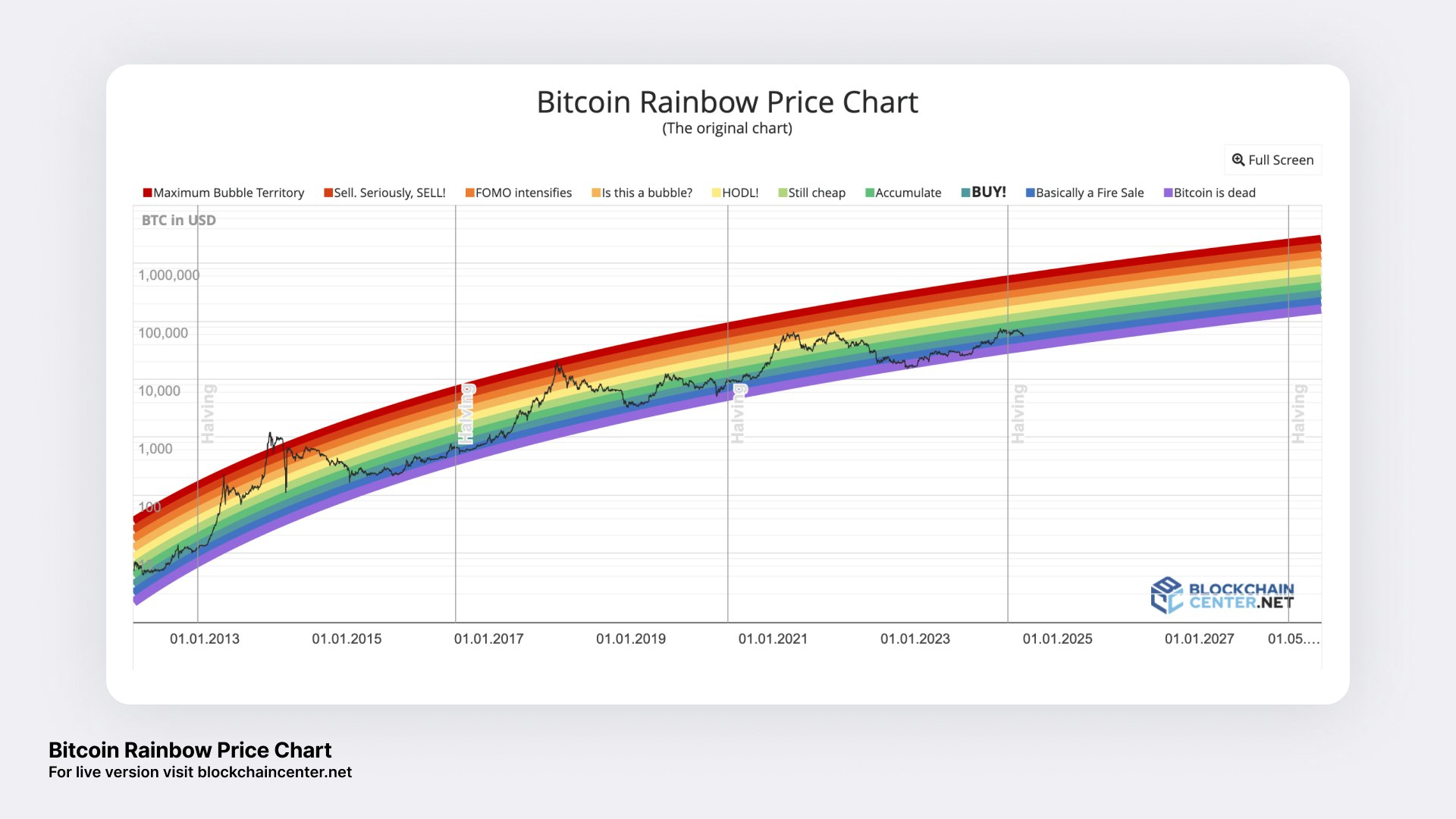
The Bitcoin halving event, which reduces the reward for mining new blocks by half, is a crucial factor influencing Bitcoin's price. Historically, halving events have led to reduced supply and increased scarcity, contributing to price increases over time. The next halving event is expected to further limit Bitcoin’s supply, potentially driving up prices if demand remains strong. The halving also impacts miner profitability, which can influence the overall health and security of the Bitcoin network.
Geopolitical Events
Geopolitical tensions, economic sanctions, and global conflicts can create uncertainty in traditional financial markets, prompting investors to seek alternative assets like Bitcoin. For instance, if a major economy experiences instability, Bitcoin may be viewed as a digital safe haven, increasing its demand and price. Conversely, improved geopolitical stability and strengthened international relations can bolster confidence in traditional currencies, potentially reducing Bitcoin's appeal.
Environmental Concerns
Bitcoin mining's environmental impact has become a significant concern. As awareness of climate change and sustainability grows, there is increasing scrutiny on the energy consumption associated with Bitcoin mining. Efforts to shift towards renewable energy sources and more efficient mining technologies can mitigate these concerns, potentially enhancing Bitcoin's public image and increasing its adoption. However, failure to address environmental issues could lead to regulatory crackdowns and reduced institutional interest.
Comprehensive Analysis of Price Predictions
Bullish Consensus
The consensus among multiple sources is that Bitcoin is poised for significant price growth within the next twelve months. Factors such as institutional adoption, regulatory support, and the impact of the Bitcoin halving event underpin these optimistic predictions. Experts like Tom Lee and organizations like Standard Chartered provide strong bullish forecasts, suggesting that Bitcoin could reach as high as $250,000, while others like Forbes anticipate prices around $180,000 to $200,000.
Bearish and Neutral Views
Despite the bullish outlook, there are cautionary voices that emphasize the volatility and unpredictability of the cryptocurrency market. Potential regulatory hurdles, technological setbacks, and macroeconomic instability could pose downward risks to Bitcoin’s price. Some sources project lower price ranges and anticipate periods of stability rather than significant growth, highlighting the need for investors to remain cautious and conduct thorough research.
Middle Ground and Range Predictions
Many experts offer range-based predictions to account for Bitcoin's volatility. For example, some forecasts suggest Bitcoin could trade between $85,500 and $200,000, reflecting both optimistic and conservative scenarios. By providing a range, these predictions acknowledge the uncertainty in the market while still leaning towards a generally positive price trend.
Analytical Insights
Analyzing the combined insights from various sources reveals a pattern where Bitcoin's potential for growth is closely tied to its adoption rate and external economic factors. The interplay between supply and demand, driven by factors like halving and institutional investments, forms the backbone of the bullish forecasts. On the other hand, external pressures such as regulatory changes and market competition introduce elements of risk that could offset the positive factors.
Historical Performance and Future Projections
Bitcoin's historical performance shows a pattern of significant growth following halving events, supported by increasing adoption and market maturity. If historical trends continue, the upcoming halving could serve as a catalyst for price increases. Future projections based on historical data suggest that Bitcoin could experience exponential growth if current conditions remain favorable, although past performance is not always indicative of future results.
Mathematical Considerations
Considering the impact of the Bitcoin halving cycle, the relationship between Bitcoin’s price (P), its current supply (S), and the rate of adoption (A) can be modeled as:
$$P = k \cdot \frac{A}{S}$$
Where:
-
P = Bitcoin's price
-
k = Constant representing market sentiment and external factors
-
A = Adoption rate
-
S = Supply of Bitcoin
This simplified formula indicates that as adoption increases and supply decreases (due to halving), the price of Bitcoin is expected to rise, assuming k remains positive and stable.
Strategic Considerations for Investors
Understanding Risk and Volatility
Bitcoin remains one of the most volatile investment assets in the market. While the potential for high returns is significant, so is the risk of substantial losses. Investors should assess their risk tolerance and consider diversifying their investment portfolios to mitigate potential downturns in Bitcoin’s price. Employing strategies such as dollar-cost averaging can help manage volatility by spreading investments over time.
Importance of Staying Informed
Given the rapid changes in the cryptocurrency landscape, staying informed about the latest developments is crucial for making informed investment decisions. Following credible news sources, understanding regulatory changes, and keeping abreast of technological advancements in the blockchain space can provide valuable insights into Bitcoin's price movements.
Long-Term vs. Short-Term Investing
Investors should distinguish between long-term and short-term investment strategies. Bitcoin's long-term potential may be driven by its adoption as a store of value and its integration into the global financial system. In contrast, short-term investments may be more susceptible to market sentiment and volatility, making them riskier but potentially more lucrative if timed correctly.
Regulatory Compliance and Security
Ensuring compliance with regulatory requirements and adhering to best security practices is essential for safeguarding Bitcoin investments. Investors should use reputable exchanges, employ secure wallets, and stay updated on relevant legal obligations to protect their assets from theft, fraud, and other security threats.
Diversification and Portfolio Management
Diversifying investment portfolios beyond Bitcoin can help reduce risk and enhance overall returns. Including a mix of cryptocurrencies, traditional assets like stocks and bonds, and other alternative investments can provide a balanced approach to wealth management, cushioning against potential downturns in any single asset class.
Tax Implications
Investors should be aware of the tax implications associated with cryptocurrency investments. Depending on the jurisdiction, Bitcoin transactions may be subject to capital gains tax, income tax, or other forms of taxation. Proper record-keeping and understanding local tax laws are essential to ensure compliance and optimize tax liabilities.
Future Outlook and Potential Scenarios
Optimistic Scenario
In an optimistic scenario, Bitcoin continues to gain mainstream acceptance, with increasing institutional adoption and supportive regulatory environments. This would likely drive Bitcoin's price to the higher end of predictions, potentially reaching or surpassing $200,000 by the end of 2025. Advancements in blockchain technology and effective integration with traditional financial systems could further bolster Bitcoin's value proposition.
Pessimistic Scenario
Conversely, a pessimistic scenario could unfold if adverse factors such as strict regulations, significant technological setbacks, or a major economic downturn occur. These factors could lead to decreased demand for Bitcoin, resulting in price stagnation or decline. Prices could then fall towards the lower end of the forecasted range, with some experts predicting valuations below $100,000.
Balanced Scenario
A balanced scenario would see Bitcoin experiencing both upward and downward movements influenced by market sentiment and external factors. In this case, Bitcoin’s price might fluctuate within the mid to high range of predictions, demonstrating growth but tempered by periodic corrections and volatility driven by macroeconomic and industry-specific events.
Technological Breakthroughs
Significant breakthroughs in blockchain technology, such as improvements in scalability and transaction speeds, could enhance Bitcoin’s usability and adoption. Innovations like the integration of smart contracts or interoperability with other blockchains could expand Bitcoin's functionality, attracting a broader user base and driving price increases.
Regulatory Evolution
The evolution of regulatory frameworks will play a pivotal role in shaping Bitcoin’s future. Progressive regulations that provide clear guidelines for cryptocurrency operations can foster a more secure and stable investment environment. On the other hand, restrictive regulations could pose significant challenges, limiting Bitcoin’s accessibility and growth potential.
Global Economic Integration
Bitcoin's integration into the global economy, including its acceptance by more businesses and financial institutions, could enhance its legitimacy and stability. Partnerships with payment processors, integration into financial products, and acceptance by retailers would increase Bitcoin's utility, thereby positively influencing its price.
Bitcoin Price Predictions Table
| Source | Predicted Price Range for 2025 | Predicted High | Predicted Low |
|---|---|---|---|
| Cryptonews.com | $87,000 - $200,000 | $200,000 | $87,000 |
| Coinpedia.org | Up to $169,046 | $169,046 | $100,000 |
| Forbes.com | $180,000 - $200,000 | $200,000 | $180,000 |
| CoinCodex.com | $97,683 - $177,384 | $177,384 | $97,683 |
| CoinMarketCap.com | Up to $250,000 | $250,000 | $100,000 |
| InvestingHaven.com | $75,500 - $180,000 | $180,000 | $75,500 |
| CNBC.com | Up to $250,000 | $250,000 | $100,000 |
| Standard Chartered | Up to $200,000 | $200,000 | $100,000 |
| VanEck (Matthew Sigel) | $180,000 | $180,000 | $100,000 |
| Presto Research | $210,000 | $210,000 | $150,000 |
Strategic Considerations for Investors
Understanding Risk and Volatility
Bitcoin remains one of the most volatile investment assets in the market. While the potential for high returns is significant, so is the risk of substantial losses. Investors should assess their risk tolerance and consider diversifying their investment portfolios to mitigate potential downturns in Bitcoin’s price. Employing strategies such as dollar-cost averaging can help manage volatility by spreading investments over time.
Importance of Staying Informed
Given the rapid changes in the cryptocurrency landscape, staying informed about the latest developments is crucial for making informed investment decisions. Following credible news sources, understanding regulatory changes, and keeping abreast of technological advancements in the blockchain space can provide valuable insights into Bitcoin's price movements.
Long-Term vs. Short-Term Investing
Investors should distinguish between long-term and short-term investment strategies. Bitcoin's long-term potential may be driven by its adoption as a store of value and its integration into the global financial system. In contrast, short-term investments may be more susceptible to market sentiment and volatility, making them riskier but potentially more lucrative if timed correctly.
Regulatory Compliance and Security
Ensuring compliance with regulatory requirements and adhering to best security practices is essential for safeguarding Bitcoin investments. Investors should use reputable exchanges, employ secure wallets, and stay updated on relevant legal obligations to protect their assets from theft, fraud, and other security threats.
Diversification and Portfolio Management
Diversifying investment portfolios beyond Bitcoin can help reduce risk and enhance overall returns. Including a mix of cryptocurrencies, traditional assets like stocks and bonds, and other alternative investments can provide a balanced approach to wealth management, cushioning against potential downturns in any single asset class.
Tax Implications
Investors should be aware of the tax implications associated with cryptocurrency investments. Depending on the jurisdiction, Bitcoin transactions may be subject to capital gains tax, income tax, or other forms of taxation. Proper record-keeping and understanding local tax laws are essential to ensure compliance and optimize tax liabilities.
Future Outlook and Potential Scenarios
Optimistic Scenario
In an optimistic scenario, Bitcoin continues to gain mainstream acceptance, with increasing institutional adoption and supportive regulatory environments. This would likely drive Bitcoin's price to the higher end of predictions, potentially reaching or surpassing $200,000 by the end of 2025. Advancements in blockchain technology and effective integration with traditional financial systems could further bolster Bitcoin's value proposition.
Pessimistic Scenario
Conversely, a pessimistic scenario could unfold if adverse factors such as strict regulations, significant technological setbacks, or a major economic downturn occur. These factors could lead to decreased demand for Bitcoin, resulting in price stagnation or decline. Prices could then fall towards the lower end of the forecasted range, with some experts predicting valuations below $100,000.
Balanced Scenario
A balanced scenario would see Bitcoin experiencing both upward and downward movements influenced by market sentiment and external factors. In this case, Bitcoin’s price might fluctuate within the mid to high range of predictions, demonstrating growth but tempered by periodic corrections and volatility driven by macroeconomic and industry-specific events.
Technological Breakthroughs
Significant breakthroughs in blockchain technology, such as improvements in scalability and transaction speeds, could enhance Bitcoin’s usability and adoption. Innovations like the integration of smart contracts or interoperability with other blockchains could expand Bitcoin's functionality, attracting a broader user base and driving price increases.
Regulatory Evolution
The evolution of regulatory frameworks will play a pivotal role in shaping Bitcoin’s future. Progressive regulations that provide clear guidelines for cryptocurrency operations can foster a more secure and stable investment environment. On the other hand, restrictive regulations could pose significant challenges, limiting Bitcoin’s accessibility and growth potential.
Global Economic Integration
Bitcoin's integration into the global economy, including its acceptance by more businesses and financial institutions, could enhance its legitimacy and stability. Partnerships with payment processors, integration into financial products, and acceptance by retailers would increase Bitcoin's utility, thereby positively influencing its price.
Conclusion
Bitcoin's price in the upcoming twelve months appears poised for significant movement, with a predominantly bullish outlook supported by expert predictions and favorable market conditions such as increased institutional adoption, regulatory improvements, and the impact of the Bitcoin halving event. However, the cryptocurrency's inherent volatility and potential negative factors, including regulatory challenges and market competition, introduce elements of uncertainty. Investors should approach Bitcoin with a clear understanding of the associated risks and potential rewards, ensuring informed decision-making through thorough research and strategic portfolio management.
References
Last updated February 9, 2025