
Exploring BitPower and DigiByte’s Multi-Algorithm Approach
How Bitcoin's Hash Power and DigiByte’s Architecture Complement Cyberspace Security
Key Highlights
- BitPower as a Security Asset: Lowery's thesis underscores Bitcoin’s proof-of-work hash power as a digital security mechanism.
- DigiByte’s Multi-Algorithm Design: Offering diverse mining protocols, DigiByte mitigates risk and boosts decentralization.
- Synergistic Potential: The combination of Bitcoin’s energy-intensive security model and DigiByte’s speedy, resilient architecture may bolster cyberspace defenses.
Understanding Lowery’s Thesis on BitPower
Foundational Elements of BitPower
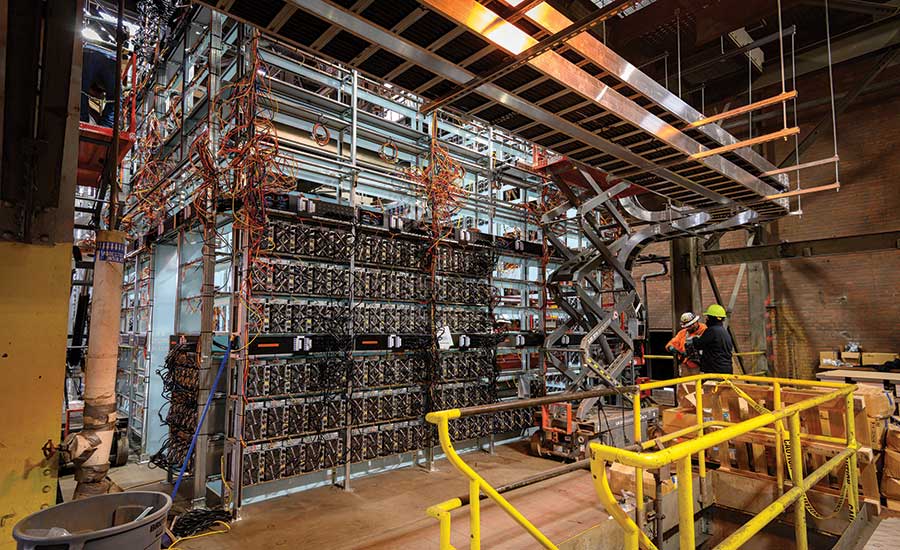
Jason Lowery’s thesis, expounded in "Softwar: A Novel Theory on Power Projection and the National Strategic Significance of Bitcoin," builds on the idea that Bitcoin’s robust proof-of-work (PoW) acts not only as a mechanism for transaction validation but also as an essential tool in digital security. The significant energy consumption and computational intensity—referred to as "BitPower"—create a situation in which an adversary would need to expend massive resources to successfully compromise the network. This energy-driven cost acts as a deterrent against cyber attacks and hostile digital incursions.
At its heart, Lowery's concept rests on the physical and economic realities involved in operating a network like Bitcoin. The high costs linked to acquiring and maintaining substantial hash power translate into real-world expenses that can disincentivize potential attackers. Here, BitPower becomes a proxy for national defense in cyberspace. This method of securing the network reflects an innovative strategic approach where digital security is directly tied to the tangible physical input of energy and computational work.
Energy-Intensive Security and National Defense
The idea is that the immense amount of energy used in Bitcoin mining renders the network more resistant to various forms of cyber threats. An entity attempting to manipulate or disrupt the network must match or exceed the existing hash power, effectively raising the barrier for attacks. This directly aligns with national security paradigms where resources are dedicated to ensuring the stability and predictability of defense measures.
DigiByte’s Architectural Strengths as a Complementary System
Overview of DigiByte’s Multi-Algorithm Approach
While Bitcoin’s security largely stems from its concentrated and energy-intensive mining mechanism, DigiByte (DGB) introduces a different architectural philosophy. Rather than relying on a single mining algorithm, DigiByte integrates a multi-algorithm approach, employing five distinct protocols: SHA-256, Scrypt, Skein, Qubit, and Odocrypt. This diversified approach not only enhances decentralization but also significantly increases network resilience by distributing the mining effort across varied computational techniques.
DigiByte’s design ethos is engineered to address some of the limitations present in Bitcoin’s model. For instance, Bitcoin’s hash power, while formidable in creating network security, can also lead to risks if centralized control emerges. Conversely, DigiByte’s multi-algorithm mining system works to reduce the likelihood of a single entity gaining overwhelming control, thereby preserving the democratic and decentralized nature of the network.
Faster Block Generation and Adaptive Difficulty
Another key feature distinguishing DigiByte from Bitcoin is its block time. With blocks occurring every 15 seconds compared to Bitcoin’s approximately 10 minutes, DigiByte offers substantially improved transaction throughput. This speed not only increases efficiency but also reduces the window of opportunity for malicious actors to interfere with transactions. Additionally, DigiByte incorporates mechanisms such as DigiShield, which allow the network to adjust mining difficulty in real-time. The adaptive difficulty mechanism is crucial in keeping the network secure and stable, ensuring that as the computational power fluctuates, the protocol continues to adapt and enforce consistent security standards.
Synergizing BitPower and DigiByte’s Multi-Algorithm Design
Although at first glance Bitcoin’s proof-of-work might appear at odds with DigiByte’s more diversified approach, a synthesis of the two systems could yield significant advantages. Lowery’s thesis focuses on energy-cost imposition as the core method for assault deterrence via BitPower. Meanwhile, DigiByte offers enhanced decentralization and operational agility. When combined, these systems may provide complementary layers of security:
- Enhanced Resilience through Diversification: Bitcoin’s singular focus on SHA-256 and its inherent energy costs provide a robust deterrent. However, DigiByte’s use of multiple mining algorithms ensures that even if one algorithm encounters vulnerabilities or becomes centralized, the network continues to operate securely through its alternate protocols.
- Rapid Transaction Verification: DigiByte’s faster block times mean that transactions are validated much more quickly, reducing the potential attack window. This characteristic complements Bitcoin’s heavier, yet more resilient, security model.
- Scalable Security: As digital economies expand, the need for scalable security becomes paramount. Bitcoin’s BitPower offers a high barrier for attacks. DigiByte, with its ability to quickly adapt mining difficulty and diversify mining protocols, can serve as a supplementary layer of security that responds more flexibly to changes in network load and external threats.
Combining Approaches: A Comprehensive Security Framework
Integrating the two security models to form a broader defense ecosystem could be envisioned as a multi-tiered strategy. At the foundation, Bitcoin’s substantial hash power establishes a deep-rooted, energy-intensive barrier against cyber intrusions—a system where the tangible cost of an attack is exceedingly high. Building on top of this, DigiByte’s network contributes agility, rapid transaction processing, and resilience through its multi-algorithm approach. Combining these strategies produces a layered defense mechanism, where different components of the system address distinct aspects of cybersecurity:
| Aspect | Bitcoin (BitPower) | DigiByte (Multi-Algorithm) |
|---|---|---|
| Core Mechanism | Proof-of-Work via SHA-256 with heavy energy reliance | Multiple mining algorithms ensuring decentralization |
| Block Time | Approximately 10 minutes per block | Approximately 15 seconds per block |
| Security Approach | Energy cost and computational power deter attacks | Diverse mining methods reduce centralization risk and enhance speed |
| Adaptive Mechanisms | Relies on global hash power for deterrence | DigiShield and adaptive difficulty mitigate transaction vulnerabilities |
Implementing a Synergistic Security Framework
Potential Integration Strategies
While direct integration of Bitcoin’s existing infrastructure with DigiByte’s distinct protocol poses significant challenges, conceptually combining the unique strengths of both systems could lead to innovative security paradigms. One possibility is adopting a dual-layer model where Bitcoin’s network provides a “backbone” of security through its immutable and energy-intensive protocol, while DigiByte’s rapid, adaptive system handles transaction verification and light-weight defenses.
In such a framework, DigiByte could act as a “security accelerator.” For example, critical transactions or data exchanges might be validated swiftly on the DigiByte network, reducing latency and exposure time before being anchored periodically into the Bitcoin blockchain, thereby benefiting from both the speed of DigiByte and the formidable security of Bitcoin’s hash power.
Modifications for Greater Synergy
To bridge these two systems, researchers and developers could explore modifications like introducing secondary mining protocols or hybrid consensus models. Such a model might entail:
- Incorporating a Proof-of-Work component into DigiByte’s protocol that mimics some aspects of Bitcoin’s energy expenditure, ensuring the network benefits from both energy-based deterrence and multi-algorithm resilience.
- Leveraging DigiByte’s adaptive difficulty adjustments (such as DigiShield) to dynamically manage security thresholds based on real-time network assessments.
- Creating interoperability layers or bridges which allow for secure communication between Bitcoin and DigiByte, ensuring that processes or transactions can be cross-validated across both platforms.
Implications for Cybersecurity and National Defense
The correlation between digital security and national defense has grown in importance as cyberspace becomes a contested domain. Lowery’s thesis outlines an approach centered on the strategic value of BitPower—where substantial investments in energy and computation serve as the basis for defense. However, integrating this concept with a system that is inherently agile, like DigiByte, could redefine the future of cyber defense.
By supplementing Bitcoin’s model with DigiByte’s versatile, multi-algorithm architecture, nations and organizations might develop a composite defense system that enjoys both the brute force deterrence offered by energy-intensive operations and the quick-reacting updates provided by rapid block processing and diversified mining strategies. This dual-pronged approach could lead to a more resilient cyberspace infrastructure, one where the strengths of each system are not mutually exclusive but rather work in tandem to preempt and counter sophisticated cyber threats.
Recommended Areas for Further Exploration
- Deeper Analysis of PoW and Hybrid Models: Investigate how mixed consensus models can combine elements of PoW from Bitcoin with adaptive mining techniques.
- Interoperability Between Blockchains: Explore secure integration layers enabling cross-chain validation between Bitcoin and multi-algorithm systems like DigiByte.
- National Cyber Defense Strategies: Research governmental policy implications of adopting blockchain-based defense mechanisms in cyberspace.
References
- Softwar - Projection of National Strategic Significance - Amazon
- A Look at Jason Lowery’s Softwar Thesis - Bitfinex Blog
- DigiByte Official Website - DigiByte.org
- DigiByte Overview - CoinMarketCap
- DigiByte’s Mining and Security - Coinswitch
Recommended Queries for Further Insight


Last updated March 18, 2025