
The Black Death: A Comprehensive Analysis of History's Most Devastating Pandemic
Exploring the Origins, Impact, and Legacy of the 14th Century Plague
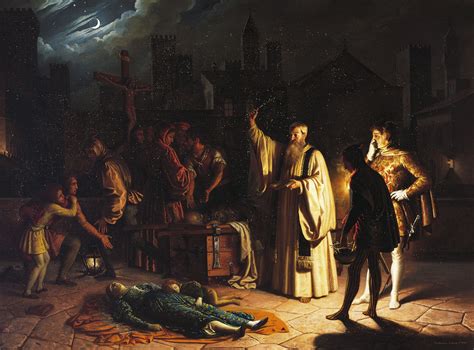
Key Takeaways
- Origins and Transmission: The Black Death originated in Central Asia and spread to Europe via trade routes, primarily through fleas on black rats.
- Socio-Economic Transformation: The pandemic led to the decline of the feudal system, rise of wage labor, and significant economic restructuring.
- Cultural and Religious Shifts: The widespread mortality challenged the authority of the Church, spurred artistic expressions focused on mortality, and led to increased persecution of minority groups.
Introduction
The Black Death, also known as the Bubonic Plague, stands as one of the most catastrophic pandemics in human history. Between 1347 and 1351, it decimated approximately one-third of Europe's population, leading to profound and lasting changes in societal structures, economic systems, and cultural paradigms. This essay delves into the origins, spread, human toll, socio-economic consequences, cultural and religious impacts, medical advancements, and the enduring legacy of the Black Death.
Origins and Spread of the Black Death
Geographical and Biological Origins
The Black Death is believed to have originated in Central Asia, particularly in the steppes of modern-day Mongolia and China. The causative agent, Yersinia pestis, a bacterium responsible for plague, primarily affects rodents but can transmit to humans through the bites of infected fleas. These fleas often infested black rats, which were common passengers on merchant ships, facilitating the rapid dissemination of the disease along established trade routes.
Transmission Mechanisms
The pandemic reached Europe in 1347 when Genoese trading ships arrived at the Sicilian port of Messina, carrying infected rats and fleas. From this point, the plague spread swiftly across the continent, propelled by the interconnectedness of medieval trade networks and exacerbated by the unsanitary living conditions prevalent in urban areas. The disease manifested in three primary forms:
| Form of Plague | Characteristics | Mortality Rate |
|---|---|---|
| Bubonic | Characterized by swollen lymph nodes or "buboes," high fever, chills, and muscle aches. | 30-60% |
| Pneumonic | Involves lung infection, leading to severe respiratory symptoms and airborne transmission. | Higher than bubonic, often fatal within days |
| Septicemic | Systemic infection affecting the blood, causing severe symptoms like bleeding under the skin. | High mortality, often fatal before external symptoms appear |
The Human Toll
Demographic Impact
The Black Death wreaked unprecedented devastation on Europe's population, with estimates of deaths ranging from 25 to 50 million people, equating to roughly one-third of the continent's population at the time. Entire villages were obliterated, urban centers saw significant depopulation, and the societal fabric was torn apart by the sheer scale of mortality.
Social Disruption
The massive loss of life led to profound social upheaval. Communities were overwhelmed by the death toll, leading to the establishment of mass graves and a breakdown of traditional burial practices. The psychological impact was immense, as survivors grappled with the unpredictability of death, leading to shifts in religious fervor, increased despair, and in some cases, indulgence in hedonistic behaviors as people sought to make the most of their uncertain futures.
Labor Shortages and Economic Upheaval
The sudden decline in population created significant labor shortages. Agricultural fields remained untended, and various industries experienced disruptions, leading to economic instability. Surviving laborers found themselves in higher demand, which empowered them to negotiate better wages and working conditions, challenging the entrenched feudal systems that had dominated medieval Europe.
Social and Economic Consequences
Decline of Feudalism
The labor shortages resulting from the Black Death undermined the feudal system. Peasants and serfs, previously bound to the land and subject to the authority of landowners, now had greater bargaining power. Many demanded higher wages and better living conditions, leading to a gradual erosion of feudal hierarchies and the rise of a more market-oriented economy.
Rise of Wage Labor and Urbanization
With the scarcity of labor, wages increased significantly, and many peasants moved to urban areas in search of better opportunities. This migration contributed to the growth of cities, which became centers of economic activity and innovation. However, the rapid urbanization also brought challenges, including overcrowding and the continued spread of diseases due to inadequate sanitation.
Economic Transformation and the Birth of Capitalism
The economic landscape of Europe underwent a significant transformation in the aftermath of the Black Death. The decline of feudalism and the rise of wage labor laid the groundwork for the emerging capitalist economies of the Renaissance. Landowners, facing reduced incomes due to abandoned farmland and declining rents, began to adopt more diversified and efficient agricultural practices. Additionally, the surplus of resources and improved living standards for survivors fostered entrepreneurial ventures and increased investment in trade and industry.
Cultural and Religious Impact
Crisis of Faith and the Church
The widespread death and suffering caused by the Black Death led many to question the authority and benevolence of the Catholic Church. The inability of religious leaders to provide explanations or remedies for the plague eroded trust in spiritual institutions. This skepticism paved the way for various religious movements that challenged the Church's dominance, such as the Lollards in England and the Hussites in Bohemia, ultimately contributing to the Protestant Reformation.
Scapegoating and Persecution
In times of crisis, societies often seek scapegoats to blame for their misfortunes. During the Black Death, Jewish communities were unjustly accused of poisoning wells and spreading the disease, leading to widespread persecution and massacres. These acts of anti-Semitism exacerbated social tensions and deepened cultural divides within European societies.
Artistic Expressions of Mortality
The omnipresence of death during the Black Death profoundly influenced European art and literature. The "Danse Macabre" (Dance of Death) became a prevalent motif, symbolizing the inevitability of death regardless of one's social status. Literary works, such as Giovanni Boccaccio's Decameron, reflected the trauma and existential anxieties of the time, blending narratives of love, loss, and resilience amidst the backdrop of the plague.
Medical and Scientific Advancements
Quarantine and Public Health Measures
The Black Death necessitated the development of rudimentary public health measures. Venice, for example, established the first known quarantine laws in 1348, requiring ships to anchor offshore for 40 days before docking. These early quarantine practices laid the foundation for modern public health systems, highlighting the importance of disease containment and sanitation.
Shift from Theoretical to Empirical Medicine
Medieval medical practices were largely based on the Galenic theory of humors, which proved ineffective against the plague. The pandemic spurred a gradual shift towards more empirical approaches to medicine, emphasizing observation and documentation of symptoms. This transition played a crucial role in the eventual emergence of modern medical science during the Renaissance and the Scientific Revolution.
Long-Term Consequences
Demographic and Agricultural Changes
The demographic collapse resulting from the Black Death led to significant changes in land use and agricultural practices. With fewer people to work the land, large estates were often broken up, and less fertile areas were abandoned. This shift contributed to the decline of manorialism and the rise of more diversified agricultural economies, enhancing overall productivity and sustainability.
Foundation for the Renaissance and Modern Europe
The socio-economic transformations triggered by the Black Death set the stage for the Renaissance. The rise of the middle class, increased urbanization, and the emphasis on individualism and humanism were direct outcomes of the pandemic's impact. Additionally, the weakening of the Church's authority and the acceptance of empirical scientific inquiry paved the way for the Scientific Revolution, fundamentally reshaping European society and its trajectory into the modern era.
Conclusion
The Black Death was not merely a catastrophic pandemic that resulted in immense loss of life; it was a pivotal event that catalyzed profound transformations across various facets of medieval Europe. From undermining feudal structures and spurring economic innovation to challenging religious authority and influencing cultural expressions, the pandemic's legacy is multifaceted and enduring. The Black Death serves as a stark reminder of humanity's vulnerability to infectious diseases, while also illustrating the resilience and adaptability of societies in the face of unprecedented adversity. Understanding the complexities and consequences of the Black Death provides invaluable insights into both historical and contemporary responses to pandemics, highlighting the intricate interplay between health crises and societal evolution.
References
- Review Essay: The Black Death - University of California, Berkeley
- The Black Death Essay - Bartleby.com
- History of the Plague: An Ancient Pandemic for the Age of COVID-19 - PMC
- The Black Death, Essay Example - Essays.io
- Black Death Essays - 123 Help Me
- Black Death - World History Encyclopedia
- The Black Death | Archiving History
- Black Death - Wikipedia
- The Black Death: A Timeline of the Gruesome Pandemic - HISTORY
- Black Death ‑ Causes, Symptoms & Impact - HISTORY
- Black Death Key Facts - Encyclopedia Britannica
- The Black Death in Europe affected 19th centuries economics, population, and literature - Bartleby.com
- Impact of the Black Death - IvyPanda.com
- Black Death Articles - PapersOwl.com
- The Final Focus - EduBirdie.com
Last updated January 18, 2025