
High Oxygen Saturation and Lung Tissue Damage After Bleomycin Therapy
Understanding the Critical Interaction Between Oxygen Levels and Chemotherapeutic Pulmonary Toxicity
Key Takeaways
- Mechanistic Synergy: High oxygen levels amplify bleomycin-induced reactive oxygen species (ROS), exacerbating lung tissue damage.
- Clinical Risks: Elevated oxygen saturation in patients treated with bleomycin significantly increases the risk of pneumonitis, fibrosis, and acute respiratory distress syndrome (ARDS).
- Preventative Strategies: Implementing controlled oxygen therapy and vigilant monitoring can mitigate pulmonary toxicity in bleomycin-treated individuals.
Introduction
Good morning, esteemed colleagues. Today, we delve into a critical aspect of oncological care: the interplay between high oxygen saturation and lung tissue damage in patients undergoing bleomycin therapy. Bleomycin, a cornerstone chemotherapeutic agent, is indispensable in treating various malignancies; however, its association with pulmonary toxicity poses significant clinical challenges, particularly when oxygen levels are not meticulously managed.
Overview of Bleomycin
Mechanism of Action
Bleomycin is a glycopeptide antibiotic primarily employed in the treatment of Hodgkin’s lymphoma, testicular cancer, and certain squamous cell carcinomas. Its antineoplastic efficacy stems from its ability to induce DNA strand breaks, leading to apoptosis in rapidly dividing cancer cells. However, this mechanism is a double-edged sword, as it also facilitates the generation of reactive oxygen species (ROS) in the presence of iron and molecular oxygen.
Bleomycin-Induced Pulmonary Toxicity
Pathophysiology
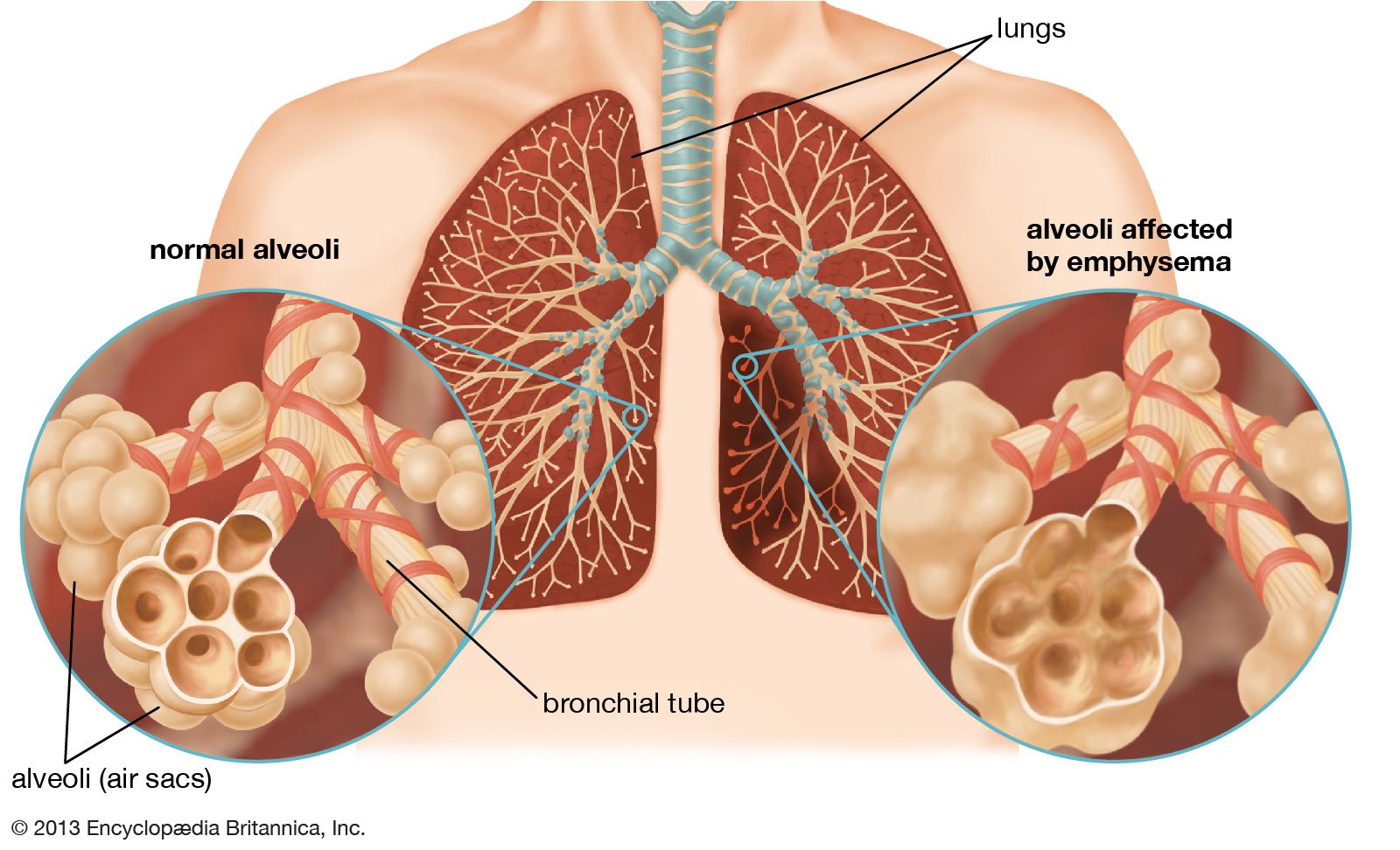
Pulmonary toxicity is the most significant adverse effect associated with bleomycin therapy, occurring in approximately 10-25% of patients. This toxicity manifests in various forms, including pneumonitis, interstitial fibrosis, and, in severe cases, acute respiratory distress syndrome (ARDS). The lungs are particularly susceptible due to their low levels of bleomycin hydrolase, the enzyme responsible for metabolizing bleomycin, leading to prolonged drug accumulation and sustained oxidative stress in lung tissues.
Clinical Manifestations
Patients may present with progressive shortness of breath, dry cough, and hypoxemia. Radiological imaging often reveals ground-glass opacities, interstitial thickening, and fibrosis. Pulmonary function tests typically show a reduction in diffusing capacity for carbon monoxide (DLCO), serving as an early indicator of subclinical lung damage.
The Role of Oxygen Saturation
Oxidative Stress Amplification
Oxygen plays a pivotal role in the exacerbation of bleomycin-induced lung damage. High oxygen saturation levels lead to increased production of ROS, including superoxide radicals, hydrogen peroxide, and hydroxyl radicals. These ROS exert cytotoxic effects by causing lipid peroxidation, DNA damage, and activation of pro-inflammatory cytokines such as TNF-α and IL-6, which further drive inflammatory cascades and tissue fibrosis.
Synergistic Mechanisms
The synergy between bleomycin and elevated oxygen levels creates a vicious cycle of oxidative damage. While bleomycin-generated ROS initiate cellular injury, supplementary oxygen amplifies this effect, leading to heightened endothelial and epithelial cell apoptosis, increased vascular permeability, and recruitment of inflammatory cells. This cascade culminates in irreversible lung scarring and compromised respiratory function.
Clinical Evidence
Preclinical Studies
Animal models have consistently demonstrated that exposure to high inspired oxygen fractions (FiO2 > 0.30) significantly exacerbates bleomycin-induced lung pathology. These studies reveal increased mortality rates, more severe histopathological changes, and accelerated progression to fibrosis compared to controls maintained on lower oxygen levels.
Human Case Reports
Clinical observations corroborate these findings, with numerous case reports documenting acute respiratory failure in patients with a history of bleomycin therapy who received supplemental oxygen. These cases underscore the persistent sensitivity of lung tissues to oxygen even years after cessation of bleomycin treatment, emphasizing the need for long-term vigilance.
Risk Factors
Modifiable Risk Factors
Among the modifiable risk factors, high oxygen exposure stands paramount. Maintaining inspired oxygen fractions above 0.30, especially in perioperative settings, can significantly increase the risk of pulmonary toxicity. Prolonged duration of high oxygen therapy further compounds this risk, necessitating strict control and minimization of supplemental oxygen use.
Non-Modifiable Risk Factors
Patient-specific factors such as advanced age, pre-existing pulmonary conditions, cumulative bleomycin doses exceeding 450 mg, and history of smoking or radiation therapy also elevate the risk of oxygen-exacerbated lung damage. These factors must be considered in the risk stratification and management plans for patients undergoing bleomycin therapy.
Clinical Management Strategies
Optimizing Oxygen Therapy
The cornerstone of managing oxygen-induced pulmonary toxicity in bleomycin-treated patients is optimizing oxygen therapy. This involves titrating oxygen to the lowest effective concentration that maintains adequate tissue oxygenation (SaO2 ≥ 89-90%). Regular monitoring of oxygen saturation levels is imperative to avoid inadvertent hyperoxia.
Pulmonary Function Monitoring
Conducting baseline and periodic pulmonary function tests (PFTs), particularly measuring DLCO, can help in early detection of subclinical lung damage. Early intervention can prevent progression to more severe forms of toxicity.
Pharmacological Interventions
In cases where pulmonary toxicity is identified, pharmacological interventions such as corticosteroids may be employed to reduce inflammation and manage symptoms. Antioxidants are also being explored for their potential role in mitigating oxidative stress, although their efficacy requires further validation.
Prevention Strategies
Minimizing Oxygen Exposure
Proactively minimizing oxygen exposure during and after bleomycin therapy is crucial. This includes using alternative anesthetic techniques that require lower oxygen concentrations and implementing controlled oxygen delivery systems in perioperative care.
Patient Education
Educating patients about the risks associated with high oxygen levels, even years after bleomycin treatment, empowers them to communicate their medical history effectively in various healthcare settings. This awareness is vital for preventing inadvertent high oxygen exposure.
Individualized Care Plans
Developing individualized care plans that consider both modifiable and non-modifiable risk factors ensures that each patient receives tailored management. This personalized approach enhances the efficacy of preventive measures and optimizes overall patient outcomes.
Case Studies
Case Study 1: Acute Respiratory Distress Syndrome
A 50-year-old male with a history of Hodgkin’s lymphoma treated with bleomycin presented with sudden onset dyspnea and hypoxemia. He was administered supplemental oxygen at 2 L/min, but his condition deteriorated rapidly, progressing to ARDS. High-resolution CT scans revealed extensive ground-glass opacities and interstitial fibrosis. Despite aggressive management, the patient succumbed to respiratory failure, highlighting the lethal potential of oxygen-exacerbated bleomycin toxicity.
Case Study 2: Subclinical Pulmonary Fibrosis
A 45-year-old female previously treated with bleomycin for testicular cancer underwent elective surgery. During anesthesia induction, she received high FiO2 (0.60), after which she developed mild hypoxemia and showed reduced DLCO on postoperative PFTs. Early recognition allowed for the adjustment of oxygen therapy, preventing progression to severe fibrosis. This case underscores the importance of vigilant monitoring and early intervention.
Prevention and Management Recommendations
Oxygen Therapy Guidelines
- Titrate Oxygen Levels: Administer the minimal necessary supplemental oxygen to achieve target oxygen saturation.
- Monitor Continuously: Use pulse oximetry to monitor oxygen saturation levels in real-time.
- Limit Duration: Avoid prolonged periods of high oxygen administration unless absolutely necessary.
Pulmonary Function Assessments
- Baseline Testing: Perform PFTs before initiating bleomycin therapy to establish baseline lung function.
- Regular Monitoring: Schedule periodic PFTs to detect early signs of pulmonary impairment.
Pharmacological Interventions
- Corticosteroids: Consider corticosteroids in managing acute pneumonitis to reduce inflammation.
- Antioxidants: Ongoing research into antioxidants may provide future therapeutic avenues for mitigating oxidative stress.
Conclusion
In summary, the interaction between high oxygen saturation and bleomycin therapy is a critical consideration in oncology practice. Elevated oxygen levels significantly amplify bleomycin-induced pulmonary toxicity through sustained oxidative stress and inflammatory pathways. Implementing stringent oxygen management protocols, coupled with regular pulmonary monitoring and patient education, is paramount in mitigating these risks. As oncologists, our commitment to balancing effective cancer therapy with the minimization of adverse effects ensures the holistic well-being of our patients. Thank you for your attention, and I welcome any questions or discussions on this vital topic.
References
- Oxygen-Exacerbated Bleomycin Pulmonary Toxicity - Mayo Clinic Proceedings
- Effect of oxygen on bleomycin-induced lung damage - Cleveland Clinic Journal of Medicine
- Bleomycin and perioperative care: A case report - PMC
- Bleomycin‐Induced Lung Injury - Hindawi
- Reactivation of Bleomycin Lung Toxicity following Oxygen - CHEST Journal
- Understanding Oxygen Toxicity - St. Luke's Health
- Bleomycin‐Induced Lung Injury - Wiley Online Library
- Bleomycin-Induced Lung Injury - ScienceDirect
- Cancer Care Ontario - Bleomycin Side Effects
- ATS Journals - Bleomycin and Oxygen Toxicity
Last updated January 24, 2025