
Unlocking Transparency: Blockchain's Role in Government Spending
Exploring academic insights and the DigiByte blockchain's potential impact
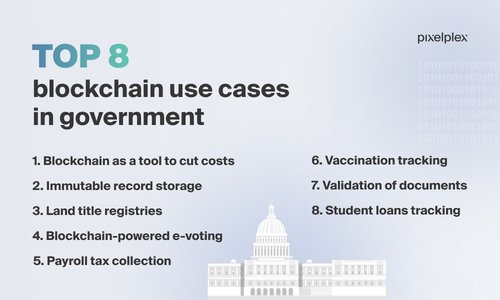
Key Highlights
- Immutable, Transparent Ledger: Blockchain creates an unchangeable record for tracking government transactions in real time, reducing corruption and fraud.
- Enhanced Accountability and Efficiency: With automated contracts and streamlined processes, blockchain supports efficient public spending and civic oversight.
- DigiByte’s Unique Attributes: DigiByte, known for its speed, security, and decentralized architecture, could potentially adapt to governmental requirements.
Overview of Blockchain in Enhancing Government Spending Transparency
Extensive academic literature has focused on how blockchain technology can transform government spending by introducing transparency, accountability, and agility into financial systems. The fundamental principle lies in blockchain’s immutable ledger—an unalterable record of financial transactions that is accessible and verifiable by the public. This distributed ledger technology offers a real-time view of government expenditures, potentially curtailing corruption, fraud, and inefficiencies typically found in conventional financial systems.
Key processes such as procurement, contract management, and budgeting can benefit significantly from blockchain’s inherent features. As transactions are continuously recorded and updated in real time, public funds can be monitored by citizens, auditors, and regulatory watchdogs alike. This model not only encourages responsible financial management but also promotes citizen engagement in public governance.
Core Concepts from Academic Research
Immutability and Transparency
A recurring theme in scholarly studies is the importance of an immutable ledger. Once a transaction is recorded on the blockchain, it cannot be modified or deleted. This provides a tamper-proof system that builds a foundation of trust among stakeholders. Government departments can utilize such technology to manage budgets, ensuring that every expenditure is logged and publicly verifiable.
Efficiency in Public Financial Management
Blockchain enables real-time tracking of transactions, which allows for immediate auditing and oversight. By automating government processes with smart contracts, administrative overhead is reduced and the risk of errors is minimized. Enhanced efficiency ensures that funds are allocated and spent as intended, making the entire governmental spending cycle more transparent and accountable.
Civic Engagement Through Public Oversight
One of the most compelling arguments in favor of blockchain is its ability to foster civic engagement. When government spending data is open and accessible on a public blockchain, citizens can participate in oversight and decision-making processes. This empowerment leads to more informed political participation and reinforces democratic principles.
Integrating DigiByte within Transparency Initiatives
Although most academic literature addresses generic blockchain systems, DigiByte emerges as an innovative case study, thanks to its unique design parameters:
DigiByte’s Technical and Functional Attributes
DigiByte is recognized for its fast transaction speeds and multi-algorithm mining. The blockchain achieves a high degree of decentralization and network security by utilizing five different mining algorithms, which enhances its robustness against potential attacks. Such technical excellence posits DigiByte as a competent platform that could be integrated into governmental financial systems for enhanced transparency.
While specific academic studies focusing exclusively on DigiByte's application in government spending transparency are relatively sparse, its underlying features align well with the requirements outlined in the broader literature:
| DigiByte Feature | Description | Potential Government Application |
|---|---|---|
| Immutable Ledger | Provides a tamper-proof record of transactions. | Ensures that all government expenditures are permanently recorded and verifiable. |
| Fast Transaction Speeds | Facilitates near real-time processing of transactions (approx. 15 seconds block time). | Allows immediate tracking and monitoring of government spending, enabling real-time audits. |
| Multi-Algorithm Security | Utilizes five mining algorithms to enhance network security and decentralization. | Provides robust protection against data breaches and fraudulent alterations, critical for sensitive public data. |
| Decentralized Infrastructure | Operates on an open-source, community-driven model. | Fosters an environment of transparency and trust, reducing reliance on central authority control. |
Application Prospects for DigiByte
Leveraging DigiByte for enhancing governmental transparency involves aligning its technical benefits with the structured needs of public financial management:
- Real-Time Recording: DigiByte’s fast block times enable continuous and immediate logging of transactions, aiding in rapid governance and fiscal oversight.
- Security and Decentralization: The multi-algorithm security structure reinforces the integrity of financial data, a critical factor for government expenditure transparency.
- Interoperability Challenges: Although promising, integrating DigiByte into existing government systems requires addressing interoperability issues, ensuring smooth deployment alongside traditional finance management infrastructures.
- Institutional Readiness: Successful applications also depend on clear regulatory frameworks and a digitally literate public sector that can exploit blockchain effectively.
Overall, while DigiByte presents significant strengths in speed, security, and transparency, its practical application in the public sector must overcome challenges related to integration with legacy systems and the establishment of supportive legal frameworks.
Challenges and Considerations for Government Implementation
Regulatory Frameworks and Digital Infrastructure
For blockchain technology, including platforms like DigiByte, to be effectively adopted in government spending, there must be concerted efforts in establishing robust regulatory environments. Policymakers need to set clear guidelines, standardize protocols for blockchain implementation, and invest in the necessary digital infrastructure.
Governments should craft legal parameters that protect data integrity and citizen privacy while simultaneously fostering innovation. An environment conducive to blockchain deployment would also address cross-jurisdictional challenges, especially where multi-agency interactions and international collaborations are involved.
Scalability and Public Trust
Scalability constitutes another essential consideration. While DigiByte’s rapid transaction processing is a strong advantage, large-scale adoption within government bodies requires the ability to handle high volumes of transactions uniformly. This demands an optimized blockchain infrastructure capable of supporting continuous and multifaceted government activities.
Equally important is building and maintaining public trust. Governments must ensure that blockchain implementations are transparent and that citizens have accessible tools to audit public spending. Educating the public on the benefits and functionalities of blockchain could further increase civic engagement, enhancing overall confidence in public administration.
Implementation Case Studies from Literature
Several conceptual models and prototype studies cited in existing research illustrate the potential for blockchain in government spending transparency:
- Procurement and Contract Transparency: Studies have proposed models where blockchain is used to record government procurement processes, ensuring contracts are executed as agreed and funds are spent appropriately.
- Budget Tracking Systems: Academic projects demonstrate how blockchain can offer a transparent ledger for monitoring budget allocations, thus providing real-time insights into public spending.
- Anti-Corruption Measures: Research shows that blockchain’s immutable records act as a deterrent to corrupt practices, as any unauthorized alterations in transactions are immediately evident.
These case studies, although not always specifically discussing DigiByte, offer valuable frameworks that could be adapted. DigiByte, with its technical advantages, might function as the underlying platform for such implementations, standing as a viable candidate for government systems seeking to adopt blockchain for enhanced fiscal transparency.
Bridging Academic Insights with Real-World Applications
Synthesis of Findings
In synthesizing the comprehensive academic literature, several convergent themes emerge. Firstly, blockchain is overwhelmingly supported as a transformative tool for ensuring accountability in government spending. Its capability to record real-time transactions on a tamper-proof ledger is central to its potential impact. Secondly, while numerous blockchain platforms offer these features, DigiByte is noted for its high speed and robust security protocols, which could exactly meet many of the public sector’s needs.
Furthermore, academic discussions underline the necessity for an amalgamation of technical innovation and regulatory reform. The role of DigiByte, or any other blockchain platform, hinges upon its ability not just to deliver on speed and security, but also on how effectively it can be integrated with governmental digital infrastructures and legal frameworks. The interplay of technological efficiency and institutional adaptability is critical to harnessing blockchain’s full potential.
Practical Implications and Future Directions
Looking ahead, research advocates for pilot projects and incremental scaling of blockchain systems within government processes. Such initiatives can serve as testing grounds for identifying pragmatic challenges and refining strategies for broader adoption. While current literature offers a promising blueprint, further empirical research is essential, especially in adapting platforms like DigiByte to fit the complex dynamics of public financial management.
Successful implementations may yield transformative benefits: real-time financial oversight, strengthened public trust, reduced administrative delays, and a proactive approach to corruption prevention. These outcomes would not only streamline budgeting practices but also drive greater levels of civic participation in governance.
References
- Can blockchain fix government spending issues? - TheCryptoRadio
- Leveraging Blockchain for Transparent Government Transactions - DAP Network
- Tracking Government Spending with Blockchain - GBA Global
-
Blockchain-based Research on Government Spending - Science Direct
- DigiByte Official Website - DigiByte
Recommended Queries for Further Exploration
Last updated March 26, 2025