
Blockchain Concepts
An in-depth guide to understanding blockchain fundamentals and applications
Highlights
- Decentralization & Security: Learn how distributed ledgers and cryptography ensure data integrity and trust.
- Immutability & Consensus: Understand why blockchain transactions cannot be altered and how consensus mechanisms operate.
- Smart Contracts & Applications: Discover automated processes and innovative uses ranging from cryptocurrencies to supply chain tracking.
Understanding Blockchain Architecture
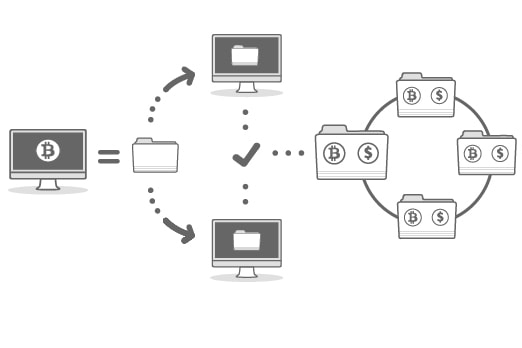
Blockchain technology is a revolutionary system that records transactions through a decentralized, distributed ledger. Unlike traditional databases that rely on centralized servers, a blockchain is maintained by multiple nodes (computers) connected in a peer-to-peer network. Each node holds an identical copy of the ledger, ensuring that the system is robust against tampering and central points of failure.
Core Elements of Blockchain Structure
Blocks
Transactions on the blockchain are bundled into units known as blocks. Each block comprises a list of transactions and contains vital data elements, including:
- Transaction Data: Detailed records of transferred assets or executed contracts.
- Timestamp: The precise time the block was created, helping to maintain chronological order.
- Previous Block Hash: A unique digital fingerprint of the preceding block, linking all blocks together into a chain.
- Nonce and Hash: Cryptographic values that are determined by algorithms, ensuring the block can be validated through consensus.
Chain of Blocks
The chain is formed as each newly created block is added sequentially. This chaining mechanism is crucial because altering any block would require recalculating the cryptographic hashes for all subsequent blocks, making tampering extremely challenging without network consensus.
Decentralized Network
In a blockchain, every participant has equal authority in maintaining the ledger. This decentralization eliminates the need for a central authority, increases transparency, and helps prevent fraud. The system's security is further augmented by the fact that no single actor has complete control over the entire network.
Security and Trust in Blockchain
One of the most celebrated features of blockchain technology is its security, established through advanced cryptographic techniques. Public-key cryptography ensures that each participant is verified uniquely and that transactions are authentic. Additionally, by distributing copies of the ledger across several nodes, blockchain minimizes the risk of data loss or corruption.
Cryptography and Hashing
Each block in a blockchain contains a cryptographic hash of the previous block, which ensures that even a minor change in a block's contents would lead to a significantly different hash. This characteristic creates a robust deterrent against tampering:
- Immutable Records: Once data is written, it is nearly impossible to change without altering every subsequent block—a process that demands consensus across the network.
- Data Integrity: Hash functions secure and verify the accuracy and consistency of data, ensuring that the information remains unchanged during transmission.
Consensus Mechanisms
Consensus protocols allow nodes to agree on a single version of the truth, ensuring the reliability and consistency of the blockchain. There are multiple consensus algorithms in use:
- Proof of Work (PoW): This method involves solving computational puzzles to validate transactions. It is the original consensus algorithm used by Bitcoin, where miners compete to solve complex mathematical problems.
- Proof of Stake (PoS): Instead of computational work, validators are selected based on the quantity of cryptocurrency they hold and are willing to stake, reducing energy consumption.
Regardless of the mechanism, the result is a system where any change to historical data is immediately evident and requires broad network approval.
Smart Contracts and Their Role
Smart contracts represent a groundbreaking advancement that automates and streamlines contractual agreements on the blockchain. They are self-executing agreements with the terms directly written into code, which automatically enforce and execute the given conditions without the need for intermediaries.
How Smart Contracts Work
When predefined conditions are met, the contract triggers the execution of contractual clauses. For example, a smart contract can automatically transfer funds from one party to another once a service is delivered, circumventing traditional manual checks and reducing administrative overhead.
Benefits of Smart Contracts
- Efficiency: They reduce the need for legal intermediaries and manual oversight, accelerating transaction times.
- Trust and Transparency: Once deployed on the blockchain, the contract's code is visible and verifiable by all network participants, creating an environment of mutual trust.
- Cost Savings: By automating the enforcement of pre-defined conditions, smart contracts significantly decrease transaction costs.
- Innovation: They play a pivotal role in the evolution of decentralized applications (dApps), covering areas from decentralized finance (DeFi) to supply chain management.
Diverse Applications of Blockchain Technology
Beyond its origins in cryptocurrency, blockchain technology offers versatile applications across multiple industries. The decentralized framework not only enhances security but also drives transparency and efficiency in various sectors.
Industries Leveraging Blockchain
Finance and Cryptocurrencies
Perhaps the most well-known application of blockchain is in the realm of cryptocurrencies, with Bitcoin being the pioneering example. Additionally, Ethereum introduced the concept of programmable contracts, which allowed for the creation of decentralized finance (DeFi) ecosystems. These applications are changing how transactions happen on a global scale.
Supply Chain Management
Blockchain can enhance transparency in supply chains by providing a verifiable record of every transaction. This helps companies track the origin of products, ensure ethical sourcing, and streamline logistics.
Healthcare
In healthcare, blockchain is used to secure patient records and ensure data integrity during transfers. The decentralized nature of blockchain protects sensitive personal health information while allowing for authorized access and interoperability among providers.
Voting Systems
The secure, transparent, and immutable nature of blockchain makes it an ideal candidate for building more trustworthy voting systems. With blockchain, every vote can be traced and verified without compromising anonymity.
Intellectual Property and Digital Rights
Blockchain can be used to track copyrights and manage digital rights. Smart contracts enable automatic royalty distributions and provide protection against infringement, ensuring that creators are fairly compensated.
These diverse applications illustrate the transformative potential of blockchain technology across various fields, driving a new era of secure and efficient digital transactions.
Comparative Overview of Blockchain Types
There are several types of blockchains based on their access permissions and governance structures. The primary categories include public, private, and consortium blockchains.
| Type | Description | Examples/Use Cases |
|---|---|---|
| Public Blockchain | Fully decentralized and accessible to anyone worldwide. Transparency is a key feature, but it can be slower due to the need for network consensus. | Bitcoin, Ethereum |
| Private Blockchain | Access is restricted to a defined group, often within a single organization. It offers greater privacy and control while sacrificing some of the decentralization benefits. | Hyperledger Fabric, Ripple |
| Consortium Blockchain | A hybrid model controlled by a group of organizations. It aims to combine the advantages of public and private systems, offering a balance between transparency and controlled access. | R3 Corda, Energy Web Foundation |
Steps to Master Blockchain Concepts
To thoroughly understand blockchain technology, it is advisable to follow a well-structured learning path that covers the theoretical and practical aspects of the technology. Here are several recommended steps:
Foundational Learning
Start with the Basics
Begin your journey by studying the fundamental elements of blockchain technology such as its architecture, the role of cryptography, and the concept of decentralization. A good understanding of these basics forms the backbone for more advanced topics.
Explore Consensus and Trust
Focus on understanding how consensus mechanisms such as Proof of Work (PoW) and Proof of Stake (PoS) secure the blockchain and maintain data integrity. Familiarize yourself with the steps involved in achieving consensus and why immutability is a core strength of blockchain.
Practical Hands-On Experience
Experiment with Smart Contracts
Experimenting with platforms that support smart contracts, such as Ethereum, can help bridge theory and practice. Use development tools and frameworks to write and deploy your own smart contracts. This hands-on experience is invaluable for understanding how such contracts automate processes and manage digital assets.
Build a Mini Blockchain
Several online tutorials and courses guide you through constructing a simple blockchain from scratch. Such projects often involve programming in languages like Python or JavaScript, where you create blocks, design a consensus algorithm, and simulate transactions. This exercise deepens your practical understanding of how blockchain networks function.
Keep Abreast of Current Developments
Follow Industry News
The blockchain field is continuously evolving. Staying updated with industry news, attending blockchain conferences, and participating in online communities can provide insights into the latest innovations and applications.
Further Research and Studies
Engage with academic papers, detailed case studies, and webinars offered by industry leaders. This ongoing research helps expand your understanding of advanced topics such as blockchain scalability, the integration of Internet of Things (IoT), and emerging consensus models.
Additional Resources and Learning Platforms
For those looking to delve deeper into blockchain technology, many educational resources are available ranging from online courses to detailed tutorials.
Courses & Tutorials
Platforms such as Coursera, edX, and Codecademy offer specialized courses that cover blockchain fundamentals, smart contract development, and cryptographic security. These courses often include real-world projects that allow learners to apply theoretical concepts.
Books & Articles
Comprehensive articles on Investopedia and detailed textbooks available through publishers like O'Reilly provide additional context and case studies for further learning. These resources can help clarify complex topics and provide enhanced insight into emerging trends.
Table: Key Blockchain Concepts Overview
| Concept | Description | Key Benefit |
|---|---|---|
| Decentralization | Data is distributed among nodes, eliminating the need for a centralized authority. | Enhanced security and resilience |
| Immutability | Once recorded, the data in a block is extremely difficult to alter, ensuring historical accuracy. | Trust and fraud prevention |
| Consensus Mechanisms | Protocols like PoW and PoS allow network participants to agree on the ledger’s state. | Data integrity and uniformity |
| Smart Contracts | Self-executing contracts that automate and enforce agreements when conditions are met. | Efficiency and reduced reliance on intermediaries |
| Transparency | The ledger is open to all participants, enhancing public trust. | Improved accountability |
| Cryptography | Utilizes advanced algorithms to validate transactions and safeguard data. | Robust security |
References
- Blockchain Tutorial - GeeksforGeeks
- What Is Blockchain? - IBM
- Blockchain Explanation - Investopedia
- Understanding Blockchain - AWS
- Blockchain Concepts - 101 Blockchains
Recommended Related Queries
 aws.amazon.com

Last updated March 15, 2025