
Blockchain Technology: The Decentralized Future of Data
Discover how blockchain reshapes trust, security, and transparency in modern digital systems
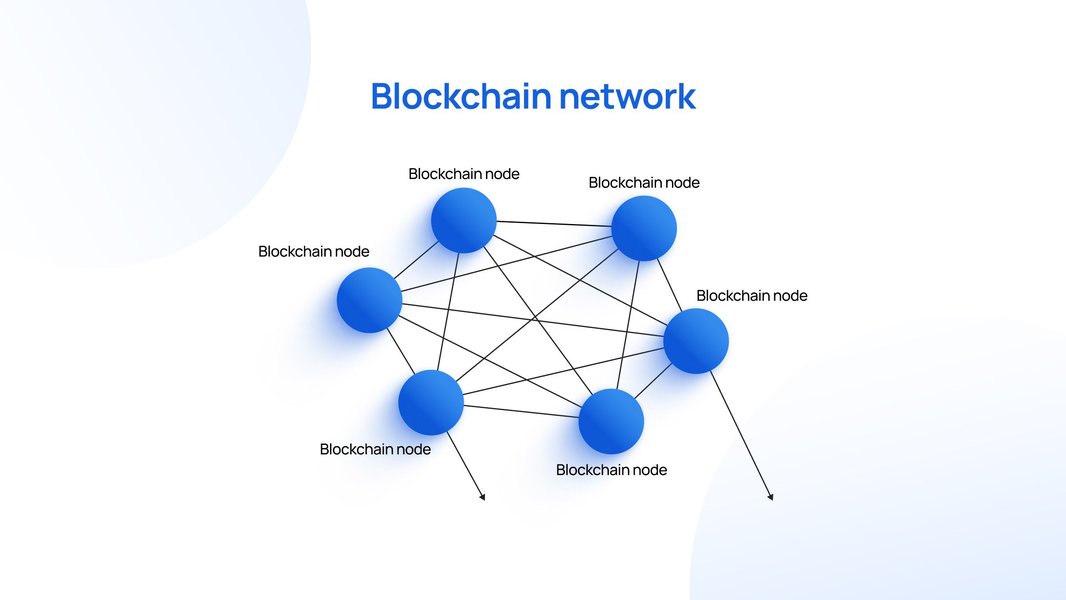
Essential Insights
- Decentralization: Blockchain technology decentralizes data storage across multiple nodes, eliminating a single point of failure.
- Immutability & Transparency: Once transactions are recorded, they become tamperproof and visible, ensuring trust and auditability.
- Diverse Use Cases: Beyond cryptocurrencies, blockchain revolutionizes industries such as supply chain, healthcare, finance, real estate, and energy.
Understanding Blockchain Technology
Blockchain technology is a cutting-edge, decentralized digital ledger that records transactions across a network of independent computers. Unlike traditional centralized databases, blockchain distributes data across many individual nodes, ensuring that no single entity has control over the entire ledger. This distributed nature makes blockchain exceptionally resilient to tampering and provides a high degree of transparency.
At its core, blockchain operates by storing data in blocks, which are then chained together using cryptographic hashes. Each block typically includes transaction data, a timestamp, and the hash of the previous block—thereby interlinking the chain in such a way that altering any single block invalidates all subsequent blocks. This immutability is one of the main features that instills confidence in blockchain systems; once data is added, it remains unchanged, creating an indisputable history of events.
Key Components of Blockchain
1. Decentralization and Distributed Ledger
In contrast to centralized systems where a single authority governs data integrity, blockchain relies on a network of nodes that share and verify all transactions collaboratively. Each node retains an identical copy of the ledger; hence, consensus among the nodes is required whenever new data is added. This robust design ensures the entire network remains accurate and resistant to fraudulent manipulations.
2. Blocks and Cryptographic Hashing
Data is stored in blocks that form a chain. Every block contains a distinct cryptographic hash created from its data and the previous block’s hash. This linking mechanism guarantees that any change in a previous block would require recalculating hashes for all subsequent blocks—a computationally prohibitive task—thus ensuring the data remains immutable.
3. Consensus Mechanisms
For a new block to be added into the blockchain, the majority of nodes must agree that the transaction is legitimate. Various protocols such as Proof of Work (PoW), Proof of Stake (PoS), and Delegated Proof of Stake (DPoS) are employed to verify transactions. These consensus mechanisms not only secure the network from fraudulent activities but also allow the blockchain to function without centralized control.
4. Security and Transparency
Blockchain employs advanced cryptographic techniques which ensure that all recorded transactions are secure and transparent to all participants. The transparency of blockchain allows participants to verify and audit transactions independently, while its security measures protect data from unauthorized access or alteration.
Applications and Use Cases of Blockchain
While blockchain technology gained early prominence with cryptocurrencies like Bitcoin, its applications have diversified significantly. Organizations across industries are leveraging blockchain for various purposes:
Financial Services
In the financial sector, blockchain facilitates secure and fast cross-border payments, reduces transaction costs by eliminating intermediaries, and offers the foundation for decentralized finance (DeFi) applications. These innovations are enabling a more inclusive financial ecosystem.
Supply Chain Management
Transparency in supply chains is greatly enhanced by blockchain, which allows for end-to-end traceability of goods. This ensures that every product can be tracked from its origin to its destination, thereby reducing fraud, improving inventory management, and building consumer trust.
Healthcare
Blockchain technology is revolutionizing healthcare by ensuring that patient records are securely stored and accessible only to authorized personnel. This capability enhances data privacy, streamlines processes, and enables the development of integrated health systems that improve patient care.
Digital Identity
Digital identity management is another vital area of blockchain application. Personal identification records can be maintained in a secure and tamper-proof manner, aiding in reducing identity fraud and streamlining authentication processes across various platforms.
Real Estate and Energy
In real estate, blockchain minimizes fraud and streamlines property transactions by reducing the reliance on intermediaries. Similarly, in the energy sector, blockchain enables decentralized energy trading platforms where households can sell surplus energy directly, eliminating traditional distribution challenges.
Technical Architecture and Mechanisms
The underlying architecture of blockchain consists of several intricate components working together to ensure secure, reliable, and efficient data management. Understanding these mechanisms enhances appreciation of how blockchain upholds trust in an untrusted digital environment.
Data Structures and Block Components
Each block in a blockchain is composed of:
- Transaction Data: This includes all details of the financial, contractual, or informational transaction that occurred.
- Timestamp: Each block captures the exact time of its creation, ensuring a chronological order of transactions.
- Previous Block Hash: Linking each block to the previous one creates an unbreakable chain, securing the ledger against tampering.
Consensus Protocols
Blockchain networks adopt various consensus protocols to validate new transactions. The most well-known method is Proof of Work (PoW), where participants (miners) solve complex cryptographic puzzles to add a new block. Alternatively, Proof of Stake (PoS) assigns the responsibility of validation to nodes based on their stake in the network. Both methods are designed to ensure that the network reaches an agreement on valid transactions without needing a centralized figure.
Smart Contracts
Smart contracts are self-executing scripts stored on a blockchain that automatically enforce the terms and conditions of an agreement when predefined criteria are met. These contracts reduce the need for intermediaries and enable frictionless, trustless transactions across various sectors.
Different Types of Blockchains
Blockchains can be classified mainly into:
- Public Blockchains: Open networks where anyone can participate and view transactions. Bitcoin and Ethereum are prime examples.
- Private Blockchains: Restricted networks designed for specific organizations. They are optimized for privacy and speed.
- Consortium Blockchains: These are semi-decentralized systems managed by a group of organizations, ideal for industries that depend on inter-organizational trust.
- Hybrid Blockchains: Combining attributes of both public and private blockchains, these systems aim to balance transparency and control.
Visualizing Blockchain Concepts
To enhance understanding, the following visual tools provide a structured view of how blockchain operates, its key components, and its wide-ranging applications.
Mindmap Overview of Blockchain
The mindmap below illustrates the core concepts of blockchain technology in a clear and hierarchical structure. It highlights the intertwined nature of decentralization, consensus mechanisms, and diverse applications.
Blockchain Radar Chart Analysis
The following radar chart provides a comparative analysis of various aspects of blockchain technology, including decentralization, immutability, transparency, scalability, and security. Each dataset reflects an evaluative perspective highlighting the strengths and challenges associated with these features.
Blockchain Technology: A Comparative Perspective
Arrays of industries are harnessing blockchain’s decentralized framework to overcome inherent shortcomings of conventional systems. The table below provides a comparative overview of different blockchain networks and their key characteristics:
| Type of Blockchain | Access | Consensus Mechanism | Primary Use Cases |
|---|---|---|---|
| Public | Open, Permissionless | PoW, PoS | Cryptocurrencies, Open Finance |
| Private | Restricted, Permissioned | Custom (Centralized) | Enterprise Data Management, Intranet Applications |
| Consortium | Selected Participants | Collaborative Consensus | Inter-organizational Processes, Supply Chain |
| Hybrid | Combination of Open & Restricted | Mixed Consensus | Real Estate, Energy Trading |
This comparative table offers a succinct view of how different blockchain architectures cater to diverse practical requirements by balancing aspects of transparency, privacy, and efficiency.
Additional Resources and Multimedia
To gain more insights into blockchain technology, the following video provides a concise yet comprehensive explanation of its core principles and practical applications. It is a useful resource for both beginners and those looking to understand the transformative potential of blockchain.
FAQ
References
- What is Blockchain? - AWS
- What is Blockchain? - McKinsey
- Blockchain Guide - BuiltIn
- Blockchain Explained - Blockchain Council
- Blockchain Overview - Oracle
Recommended
 aws.amazon.com
Last updated March 30, 2025