
How Blockchain is Transforming Global Payments
An in-depth look into blockchain-driven revolution in global payment systems
Key Highlights
- Efficiency & Cost Reduction: Blockchain minimizes intermediaries, reducing fees and accelerating transaction times.
- Enhanced Security & Transparency: Decentralized ledgers create tamper-proof records, boosting trust and compliance.
- Financial Inclusion & Innovation: Opens new avenues for unbanked populations, drives real-time cross-border payments, and fosters integration with modern fintech solutions.
Introduction
The rapid evolution of blockchain technology is greatly influencing the global payments system. By leveraging decentralized ledgers and advanced cryptography, blockchain offers transformative benefits such as reduced costs, faster settlement speeds, improved security, and heightened transparency. This innovation not only challenges the traditional banking infrastructure but also offers novel solutions for cross-border transactions and financial inclusion. As the payments industry moves further into the digital future, blockchain's role becomes increasingly integral in reshaping how financial exchanges occur across borders.
Efficiency and Cost Reduction
One of the most profound impacts of blockchain on global payments is the dramatic enhancement in efficiency and reduction of costs. Traditional banking systems often involve multiple intermediaries that not only complicate the process but also drive up fees. Blockchain technology addresses these challenges by facilitating direct peer-to-peer transactions. By bypassing intermediary banks and payment processors, blockchain-based transfers can reduce fees by as much as 40% to 80%.
Reduction in Intermediaries
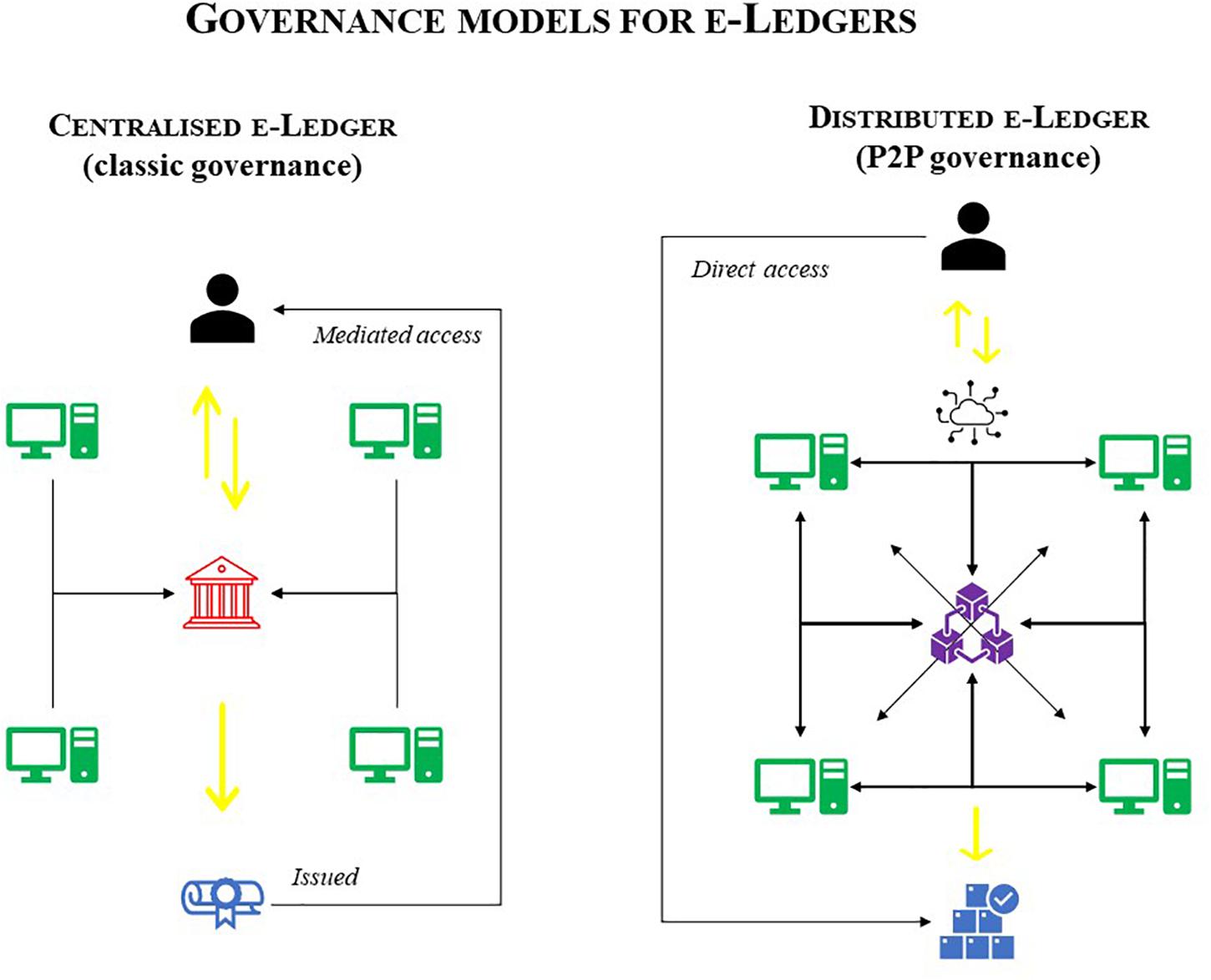
Traditionally, cross-border payments require several layers of intermediaries such as correspondent banks, clearinghouses, and settlement agents. Each intermediary not only adds time to the transaction but also a layer of fees. Blockchain eliminates many of these functions by allowing the direct transfer of digital assets between parties, thereby significantly reducing the cost and complexity of the transaction chain.
Speed of Transactions
Time is of the essence in global financial transactions. With legacy systems, international payments can take several days to clear as they rely on batch processing and manual verification. In contrast, blockchain-enabled systems can settle transactions almost instantaneously. This near real-time processing is crucial for businesses that require immediate liquidity and reduces the overall waiting time inherent in traditional payment systems.
Impact on Cross-Border Transactions
Cross-border transactions have traditionally been subjected to delays stemming from different time zones and complex regulatory environments. Blockchain's technology allows for a seamless transfer of assets, harmonizing discrepancies between different banking hours and reducing delays. The efficiency and speed gained significantly influence global commerce, especially in trade-heavy industries where timely payments are crucial.
| Aspect | Traditional Payments | Blockchain Payments |
|---|---|---|
| Transaction Speed | Days | Minutes/Seconds |
| Cost Efficiency | High fees due to intermediaries | 40%-80% cost reduction |
| Intermediaries | Multiple | Minimal to none |
| Transparency | Limited due to private ledgers | Highly transparent public ledgers |
Security and Transparency
Security in financial transactions is paramount, and blockchain excels in this area. The distributed ledger technology (DLT) that underpins blockchain ensures that every transaction is recorded in a tamper-resistant and immutable format. This significantly mitigates risks associated with fraud and data manipulation.
Tamper-Proof Ledger
Each transaction on a blockchain is cryptographically linked to preceding transactions, forming a chain that is nearly impossible to alter without consensus from the network. This structural integrity not only provides robust security but also reinforces trust among participants. As every transaction is recorded on an open ledger, transparency is maintained throughout the entire payment process.
Fraud Reduction and Compliance
Transparency in transaction records serves as a formidable deterrent against fraudulent activities. Regulators and financial institutions benefit from the ability to audit transactions anytime without having to request additional documentation, as the records are permanently accessible on the blockchain. This ease of auditability is particularly useful in preventing money laundering and ensuring compliance with international financial regulations.
Enhanced Trust and Security Protocols
Blockchain employs advanced cryptographic algorithms that safeguard transaction data against unauthorized access. Public and private keys are used for authentication, ensuring that only authorized parties can initiate or verify transactions. Additionally, consensus mechanisms such as Proof-of-Work or Proof-of-Stake further secure the network by validating transactions through decentralization.
Accessibility and Financial Inclusion
Beyond cost reduction and security, blockchain technology is paving the way for greater accessibility in financial services. In many parts of the world, especially in developing regions, traditional banking infrastructure is either insufficient or completely absent. Blockchain has the potential to democratize payments by providing financial services to the unbanked.
Reaching Unbanked Populations
Blockchain-based payment systems do not require users to have bank accounts, as transactions occur directly between digital wallets. This characteristic is instrumental in promoting financial inclusion for millions of people who previously lacked access to formal banking systems. As digital identities and secure digital wallets become more widespread, barriers to entry in the financial ecosystem are further reduced.
Decentralized Finance (DeFi) Applications
The decentralized nature of blockchain has given rise to a range of innovative financial applications collectively known as decentralized finance, or DeFi. These applications offer a variety of banking services—such as lending, borrowing, and earn-yield investments—without relying on traditional financial intermediaries. As DeFi continues to mature, its integration with global payment systems is expected to drive an even greater level of financial inclusion.
Real-Time Settlement and Options for Direct Currency Conversions
One prominent advantage of blockchain is its capability to perform direct currency conversions with minimal cost and near-instantaneous settlement. This is particularly beneficial in cross-border scenarios where exchange rate fluctuations and high conversion fees have historically stifled economic activity. Furthermore, the immediate settling of transactions helps in reducing counterparty risks often associated with deferred settlements.
Impact on Cross-Border Payments
The transformation blockchain brings to cross-border payments is among its most celebrated benefits. Global commerce regularly involves the movement of money across borders and jurisdictions, and blockchain can streamline these processes dramatically.
Instantaneous Transaction Settlement
Traditional methods for international money transfers are notoriously slow, sometimes taking several days to complete due to intermediary delays and varying regulatory requirements across countries. With blockchain, transactions can be settled in real time, largely independent of geographical limitations or time zones. This not only enhances the velocity of commerce but also provides businesses with a clear and immediate picture of their cash flows.
Greater Transparency for International Trade
The inherent transparency of blockchain systems ensures that all parties involved in an international transaction have equal visibility into the transaction process. This is particularly beneficial in cases where trust is paramount, such as trade finance and international supply chain management. Furthermore, the permanent nature of blockchain records assists in dispute resolution and regulatory oversight, reducing the likelihood of misinterpretations or fraudulent claims.
Adapting to Global Regulatory Environments
While blockchain introduces new efficiencies, adapting to diverse regulatory frameworks remains a challenge. Many countries are in the process of establishing regulatory guidelines that acknowledge the benefits of blockchain while mitigating potential risks. As regulatory environments evolve, blockchain is expected to play a key role in ensuring that cross-border transactions comply with international standards.
Innovation in Payment Solutions
Blockchain is fueling a wave of innovation within the payments industry by providing a technological foundation that supports new business models and payment solutions. One significant area of innovation is the integration of blockchain technology into existing payment systems, enabling the realization of real-time payments, enhanced interoperability, and streamlined regulatory compliance.
Central Bank Digital Currencies (CBDCs)
Several central banks around the world are exploring the potential of issuing digital versions of their currencies using blockchain technology. CBDCs offer a modern alternative to physical cash and can potentially allow for more efficient and secure cross-border payments. The integration of blockchain into these digital currencies may lead to a highly efficient, transparent, and secure ecosystem, revolutionizing both domestic and international monetary policies.
Integrating Legacy Systems and Blockchain
A critical challenge for financial institutions is the integration of blockchain technology with existing legacy systems. Innovative solutions are emerging that enable hybrid models where traditional banking services and blockchain-based systems work in tandem. This approach allows banks to offer improved payment services without completely overhauling their existing infrastructure. With interoperability increasingly becoming a focus, future systems are likely to provide a smoother transition for traditional banks and fintech companies alike.
Empowering Businesses with Programmable Money
The concept of programmable money—where transactions can be automatically executed under predetermined conditions—is gaining traction with blockchain technology. Smart contracts, a cornerstone of many blockchain platforms, enable businesses to mesh payment processes with contractual terms, thereby automating routine tasks and reducing operational risks. This heightened programmability not only improves efficiency but also allows for more dynamic and customized payment solutions tailored to the specific needs of businesses and consumers.
Environmental Considerations and Future Trends
As blockchain continues to evolve, environmental considerations and sustainability have gained prominence, especially as the technology scales. While some early blockchain models were heavily criticized for their environmental footprint due to energy-intensive consensus mechanisms like Proof-of-Work, more modern approaches are increasingly adopting Proof-of-Stake and other energy-efficient protocols.
Sustainable Blockchain Protocols
New protocols not only reduce energy consumption but also maintain a high level of security and transaction speed. This shift towards environmentally friendly blockchain practices is crucial for ensuring the long-term viability of blockchain solutions in global payments.
Market Growth and Adoption
The market for blockchain technology is expanding rapidly with projections indicating significant growth in the coming years. As blockchain-based payment solutions continue to gain traction, more financial institutions and fintech innovators are expected to integrate these systems into their operations. This expansion is a testament not only to the technology's capabilities but also to its potential in transforming the global economy.
Future Outlook for Global Payments
Looking ahead, blockchain is poised to not only augment but potentially dominate the global payments landscape. With enhanced security, cost efficiencies, and the ability to foster financial inclusion, blockchain-driven systems may become the standard for handling both domestic and international transactions. As regulatory frameworks and interoperability protocols mature, blockchain's role is set to expand, integrating seamlessly with emerging technologies such as artificial intelligence and cloud computing to further innovate payment processing.
Case Studies and Notable Implementations
Several industry players and financial institutions have pioneered the integration of blockchain technology into their payment systems. These case studies not only highlight the practical benefits of blockchain but also illustrate its adaptability across varying financial contexts.
Global Finance Institutions Innovating with Blockchain
Major banks and payment networks have begun piloting blockchain-based solutions to address global payment inefficiencies. Financial giants are leveraging blockchain to create networks that facilitate near real-time settlements across borders, which has led to significant improvements in liquidity management and overall operational efficiency. These initiatives provide compelling evidence of blockchain's potential to standardize and streamline payments on a global scale.
Emerging Fintech Solutions
A host of fintech companies are also at the forefront of this transformation. By integrating blockchain, they are developing platforms that offer enhanced crypto-to-fiat payment gateways, improved remittance solutions, and innovative digital wallets tailored for global commerce. These platforms not only simplify the transaction process but also reduce the risk of fraud through enhanced cryptographic security measures.
Ripple and the Integration of Blockchain
One of the most notable implementations is seen in the use of blockchain by payment service providers that streamline cross-border transactions. Platforms based on blockchain technology offer the possibility of bypassing the conventional network of banks, thereby enabling a direct and efficient transfer of funds across international borders. This not only accelerates payment processing but also significantly cuts down on the intermediary fees that are otherwise common in traditional banking.
Regulatory Landscape and Challenges
While blockchain technology holds tremendous promise for transforming the payments industry, it does face a variety of regulatory challenges. Governments and regulatory bodies across the globe are in different stages of crafting appropriate policies that balance innovation with the prevention of illicit activities.
Global Regulatory Considerations
As blockchain blurs traditional boundaries in finance, regulators are tasked with ensuring compliance with local and international laws. This includes monitoring anti-money laundering practices, safeguarding data privacy, and assuring consumer protection. Although blockchain’s transparency helps regulatory bodies track transactions and verify compliance, the decentralized nature of blockchain also complicates the enforcement of uniform regulatory standards.
Balancing Innovation and Regulation
Striking a balance between encouraging technological innovation and enforcing regulatory standards is a delicate process. Many regulators are now adopting a more open approach, seeking engagement with technology experts to develop frameworks that can keep pace with rapid technological advancements. Regulatory sandboxes have emerged in various jurisdictions, allowing fintech companies to test blockchain solutions in a controlled environment with temporary regulatory relaxations.
The Path Forward
For blockchain technology to achieve its full potential in the realm of global payments, continued dialogue between industry stakeholders and regulators is essential. The evolution of compliant, secure, and efficient blockchain-based solutions depends on the collaborative efforts of governments, financial institutions, and technology innovators.
Conclusion
In conclusion, blockchain technology is clearly transforming the landscape of global payments. By delivering efficiencies that traditional systems have long struggled to achieve, blockchain reduces costs, enhances security, and provides unparalleled transparency in financial transactions. The removal of intermediaries, acceleration of transaction processing, and the promise of nearly instantaneous settlements all point to a future where financial transactions are simpler, more inclusive, and universally accessible.
Furthermore, blockchain’s impact extends beyond mere transactional benefits. Through its inherent features such as the tamper-proof ledger, enhanced fraud prevention, and the ability to support decentralized finance applications, blockchain is not only reshaping how payments are processed but also redefining the broader financial ecosystem. The integration of blockchain into the payment systems of major financial institutions, along with innovative fintech solutions, exemplifies the powerful synergy between technology and finance in addressing longstanding inefficiencies in global commerce.
As we move further into a digitally dominated market landscape, the success of blockchain in the realm of global payments will likely spur further innovations, encouraging more sustainable and efficient financial practices. This evolution supports a future in which secure, transparent, and universally accessible payment platforms become the norm, and in doing so, empowers economic participation on a truly global scale.
References
- Impact of Blockchain Technology in Cross-Border Payments - Financial Services Review
- Blockchain in Global Payments: 4 Key Insights - Ripple
- Ripple Driving Global Payments with Blockchain - FinTech Magazine
- How Blockchain is Shaking the Global Payments System - Finance Monthly
- How Blockchain is Driving the Next Era of Global Payments Networks - FT
- 10 Top Payments Trends for 2025 and Beyond - Mastercard
Recommended
Last updated February 22, 2025