
Crafting Excellence: Editorial Guidelines for the Jeremiah Darwin Inc. Blog
Defining our voice, ensuring quality, and connecting with our audience through consistent, high-impact content.
Key Pillars of Our Content Strategy
- Audience Centricity: Every piece of content must be crafted with a deep understanding of our target audience, addressing their needs, challenges, and interests directly.
- Unwavering Quality & Consistency: We uphold the highest standards for accuracy, originality, clarity, and style, ensuring a cohesive and trustworthy brand voice across all publications.
- Strategic Impact: Our content aims not just to inform, but to establish thought leadership, enhance brand authority, drive engagement, and support Jeremiah Darwin Inc.'s overall objectives through SEO and value delivery.
Defining Our Purpose: Blog Goals & Vision
The Jeremiah Darwin Inc. blog serves as a vital platform for sharing insights, establishing authority, and engaging with our community. Our primary goals are:
- To establish Jeremiah Darwin Inc. as a thought leader within our specific niche.
- To provide valuable, reliable, and actionable information that educates and empowers our readers.
- To build brand awareness, trust, and reputation.
- To enhance Search Engine Optimization (SEO) performance, driving organic traffic.
- To potentially generate leads or guide readers toward relevant conversions, where appropriate and valuable.
Our vision is to create a go-to resource known for its insightful, well-researched, and engaging content, reflecting the expertise and values of Jeremiah Darwin Inc.
Understanding Our Readers: Target Audience
Who Are We Writing For?
Defining our audience is paramount. All content must be tailored to resonate with our ideal reader personas. We need to understand their:
- Demographics: Consider age range, profession, industry, and level of expertise.
- Interests & Needs: What topics are they searching for? What are their professional challenges or aspirations?
- Pain Points: What problems can our content help them solve?
- Information Seeking Behavior: How do they consume content? What formats do they prefer?
By deeply understanding our audience, we can create content that truly connects, provides value, and builds a loyal readership. All writers should familiarize themselves with our defined audience personas before drafting content.
Crafting Our Voice: Tone, Style & Brand Personality
Defining the Jeremiah Darwin Inc. Voice
Consistency in voice and tone is crucial for building a recognizable and trusted brand identity. Our desired voice can be described as:
- Authoritative yet Accessible: We demonstrate expertise without being overly academic or exclusive.
- Professional but Engaging: Our tone should be polished and credible, yet conversational and interesting to read.
- Confident and Insightful: We share perspectives with conviction, backed by evidence or experience.
- Helpful and Empowering: We aim to provide practical value and inspire action.
Avoid overly casual slang, excessive jargon (unless clearly defined), negativity, or overly promotional language that detracts from reader value.
Style and Grammar Guidelines
Language and Mechanics
- Language: Use American English consistently for spelling, grammar, and punctuation.
- Clarity & Conciseness: Prioritize clear sentence structure and concise wording. Avoid ambiguity and unnecessary complexity.
- Active Voice: Employ active voice whenever possible to make writing more direct and dynamic.
- Grammar & Punctuation: Adhere to standard grammatical rules. Use tools and careful proofreading to eliminate errors.
- Inclusivity: Use inclusive and respectful language, avoiding biases related to gender, race, age, or other characteristics.
Content Pillars: Topics & Formats
Core Topics
Our blog focuses on themes relevant to Jeremiah Darwin Inc.'s expertise and our audience's interests. Key topic areas include [Placeholder: Insert specific core topic areas relevant to Jeremiah Darwin Inc., e.g., business innovation, leadership strategies, industry technology trends, sustainable practices, etc.]. Writers are encouraged to propose new topics within these areas, ensuring alignment with our goals and audience needs. Avoid topics outside this defined scope.
Preferred Content Formats
We utilize a variety of formats to keep our content fresh and engaging:
- How-to Guides & Tutorials: Practical, step-by-step instructions.
- Industry News & Analysis: Timely commentary on relevant developments.
- Thought Leadership & Opinion Pieces: Unique perspectives and insights.
- Case Studies: Real-world examples demonstrating success or lessons learned.
- Listicles: Engaging, scannable lists (e.g., "Top 5 Strategies...").
- Interviews: Conversations with experts or industry leaders.
- Multimedia Posts: Articles incorporating videos, infographics, or audio elements.
Content Type Comparison
Different content formats serve different purposes and audience needs. This table provides a quick comparison:
| Content Type | Primary Goal | Typical Length | Audience Suitability | Key Feature |
|---|---|---|---|---|
| How-to Guide | Educate, Solve Problem | 1500-3000+ words | Seeking practical solutions | Actionable steps |
| Case Study | Build Authority, Demonstrate Value | 1000-2000 words | Evaluating solutions/vendors | Real-world results |
| Thought Leadership | Establish Expertise, Spark Discussion | 1200-2500 words | Seeking insights, trends | Unique perspective |
| Listicle | Engage, Drive Traffic (SEO) | 1000-2000 words | Looking for quick takeaways | Scannable format |
| Industry Analysis | Inform, Position as Current | 800-1500 words | Staying updated on trends | Timely insights |
Structuring for Success: Post Anatomy & Formatting
A clear and logical structure enhances readability and engagement.
Essential Post Elements
- Compelling Headline: Must be attention-grabbing, accurately reflect content, and ideally include the primary keyword. Aim for clarity and intrigue (max ~12 words).
- Engaging Introduction: The first paragraph should hook the reader, state the post's main idea or problem, and briefly outline what will be covered. Use concise, punchy language.
- Well-Organized Body:
- Use descriptive H2 and H3 subheadings to break up text and guide the reader. Incorporate keywords naturally within headings.
- Keep paragraphs relatively short (2-5 sentences) to improve scannability.
- Utilize bullet points and numbered lists for clarity and visual appeal.
- Ensure each section logically flows into the next.
- Employ effective use of white space.
- Strong Conclusion: Summarize the key takeaways or main points. Provide a clear Call to Action (CTA) if applicable (e.g., encourage comments, share the post, download a related resource).
- Strategic Linking:
- Include relevant internal links to other posts or pages on the Jeremiah Darwin Inc. site to improve navigation and SEO.
- Link to credible, authoritative external sources to back up claims, data, or provide further reading. Ensure links open in a new tab.
- Use clear and descriptive anchor text for all links.
Formatting Best Practices
- Font & Size: Use the blog's standard font styles and sizes for consistency.
- Emphasis: Use bold for emphasis on key terms or phrases; use italics sparingly for titles or nuances.
- Readability: Ensure content is easy to scan and read on both desktop and mobile devices.
- Word Count: While quality trumps quantity, aim for lengths appropriate to the topic and format (often 1500-3000 words for in-depth posts), ensuring substantial value.
Amplifying Reach: SEO & Discoverability
Optimizing content for search engines is critical for reaching our target audience.
SEO Best Practices for 2025 and Beyond
- Keyword Strategy:
- Conduct thorough keyword research to identify relevant terms (primary and long-tail) your audience is searching for.
- Integrate keywords naturally into the title, headings (H1, H2s, H3s), introduction, body text, conclusion, image alt text, and meta description. Avoid keyword stuffing.
- Meta Description: Write compelling meta descriptions (under 160 characters) that accurately summarize the post and entice users to click through from search results.
- Mobile-Friendliness: Ensure content is formatted and structured for optimal viewing on mobile devices.
- Readability: Use tools to assess readability; aim for clear, accessible language.
- Voice Search Optimization: Consider question-based headings and conversational language to align with voice search queries.
- Content Freshness: Regularly update existing content to maintain accuracy and relevance.
Visual Storytelling: Images & Multimedia
Visuals are essential for breaking up text, illustrating concepts, and enhancing engagement.
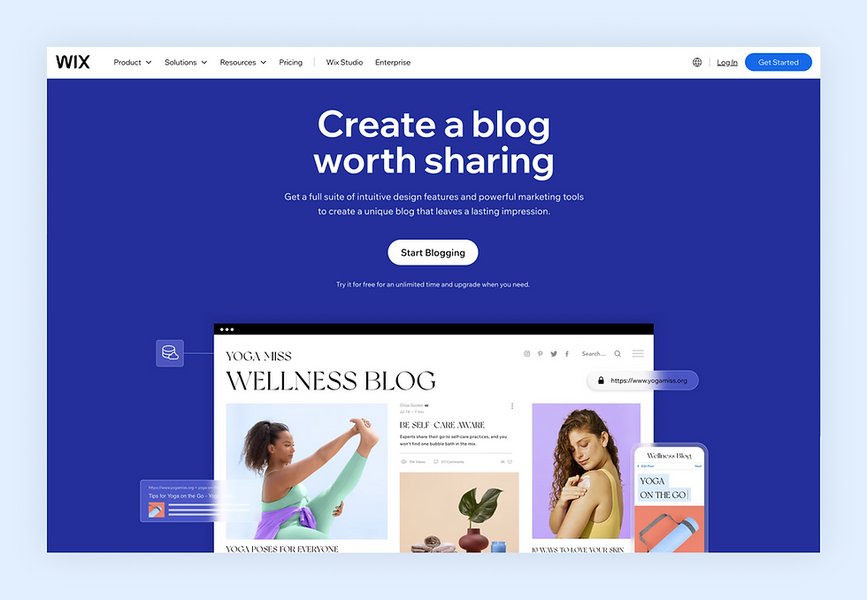
Visuals, like this example blog design, break up text and improve reader engagement.
Guidelines for Visuals
- Relevance: All images and multimedia must be directly relevant to the content.
- Quality: Use high-resolution, clear, and professional-looking visuals.
- Sourcing & Attribution: Use licensed stock photos, original graphics, or images with appropriate permissions. Always provide proper attribution/credit where required (e.g., "Image source: [Name/Website]").
- Formatting: Adhere to specified dimensions and file sizes for optimal loading speed.
- Alt Text: Provide descriptive alt text for all images for accessibility and SEO.
- Multimedia Integration: If using video or audio, ensure seamless embedding and provide context or transcripts where appropriate.
Visualizing Content Quality Standards
Achieving high-quality content involves balancing multiple factors. This chart visualizes the target emphasis for key quality attributes in our blog posts. We aim for high scores across the board, with particular focus on originality, readability, and authority, while ensuring strong SEO and visual appeal support the overall engagement.
Upholding Integrity: Sourcing, Ethics & Legal
Maintaining trust requires adherence to strict ethical and legal standards.
- Accuracy & Fact-Checking: All factual claims, data, and statistics must be verified and accurate. Cite credible sources for all data points.
- Originality: All submitted content must be 100% original work. Plagiarism in any form is strictly prohibited and will not be tolerated. Use plagiarism detection tools if necessary.
- Sourcing & Attribution: Properly cite all sources for quotes, ideas, data, and images. Use clear in-text citations or a dedicated reference list as appropriate.
- Transparency: Disclose any potential conflicts of interest, sponsorships, or affiliate relationships clearly and conspicuously.
- Respect & Fairness: Avoid inflammatory, discriminatory, offensive, or overly biased language. Treat subjects and sources fairly.
- Privacy: Respect privacy and confidentiality, especially when using examples or case studies. Obtain consent where necessary or use anonymized data.
Ensuring Excellence: Editorial Process & Workflow
A structured editorial process ensures consistency and quality.
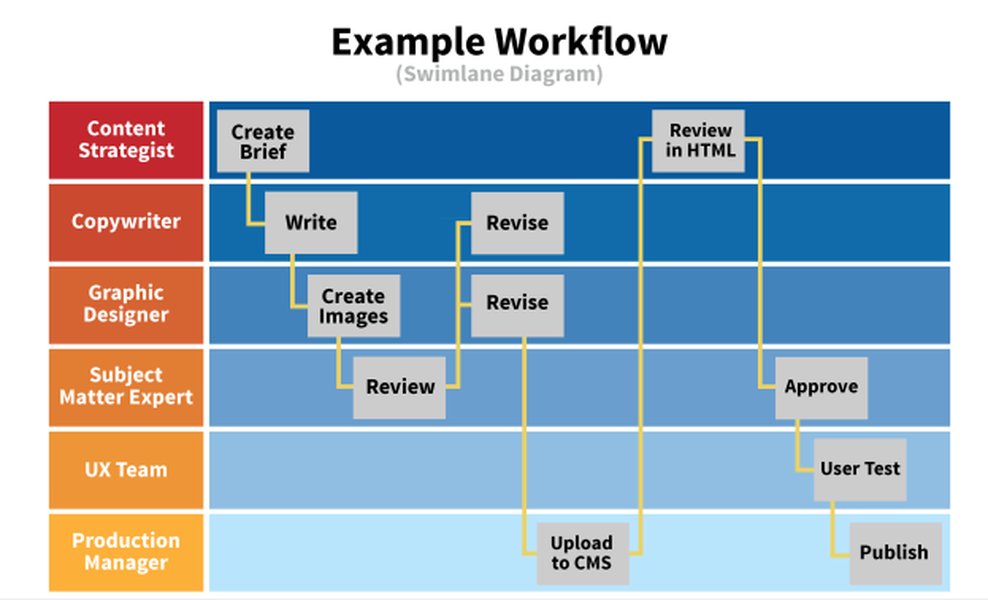
A defined workflow, similar to the example above, streamlines content production.
Our Workflow Steps
- Topic Ideation & Assignment: Ideas are generated, approved, and assigned to writers.
- Drafting: Writer creates the initial draft following these guidelines.
- Submission: Draft submitted to the editorial team via the designated platform.
- Review & Editing: Editor reviews for guideline adherence (tone, style, structure, SEO, accuracy, grammar), clarity, and overall quality. Feedback is provided.
- Revision: Writer incorporates feedback and revises the draft.
- Final Approval: Editor gives final approval for publication.
- Formatting & Publishing: Post is formatted in the CMS, visuals added, SEO elements finalized, and scheduled/published.
- Promotion: Post is shared across relevant channels (social media, newsletter, etc.).
Clear roles, responsibilities, and timelines will be communicated for each stage.
Guideline Structure Overview
This mindmap provides a visual overview of the core components covered in these editorial guidelines, illustrating how each element contributes to our overall content strategy.
Editorial Guidelines"] id1["Purpose & Goals"] id1a["Thought Leadership"] id1b["Audience Value"] id1c["Brand Building"] id1d["SEO & Traffic"] id2["Target Audience"] id2a["Persona Definition"] id2b["Needs & Pain Points"] id2c["Interests"] id3["Voice & Tone"] id3a["Authoritative & Accessible"] id3b["Professional & Engaging"] id3c["Style Guide (e.g., AmE)"] id3d["Grammar & Clarity"] id4["Content Strategy"] id4a["Core Topics"] id4b["Content Formats"] id4c["Content Calendar"] id5["Structure & Formatting"] id5a["Headline & Intro"] id5b["Body & Subheadings"] id5c["Conclusion & CTA"] id5d["Linking (Internal/External)"] id5e["Readability"] id6["SEO & Discoverability"] id6a["Keyword Research"] id6b["On-Page Optimization"] id6c["Meta Descriptions"] id6d["Mobile & Voice Search"] id7["Visuals & Multimedia"] id7a["Image Quality & Relevance"] id7b["Sourcing & Attribution"] id7c["Alt Text"] id7d["Video/Audio Integration"] id8["Ethics & Legal"] id8a["Accuracy & Fact-Checking"] id8b["Originality (No Plagiarism)"] id8c["Citations & Sources"] id8d["Transparency"] id9["Editorial Process"] id9a["Workflow (Draft, Review, Edit, Publish)"] id9b["Roles & Responsibilities"] id9c["Timelines"] id10["Performance & Updates"] id10a["Analytics Tracking"] id10b["Content Optimization"] id10c["Regular Updates"]
Maintaining Relevance: Updates & Analytics
Our content strategy is dynamic. We must monitor performance and adapt.
- Performance Tracking: Regularly use analytics tools (e.g., Google Analytics) to track key metrics (page views, time on page, bounce rate, conversions, keyword rankings).
- Data-Informed Decisions: Use performance data to understand what resonates with our audience, identify successful content types/topics, and pinpoint areas for improvement.
- Content Updates: Periodically review and update existing blog posts to ensure information remains accurate, relevant, and optimized. Refreshing content can significantly boost SEO performance.
- Guideline Review: These editorial guidelines will be reviewed and updated periodically (e.g., annually or semi-annually) to reflect evolving best practices, industry trends, and business goals.
Staying Ahead: Embracing Future Trends
The digital landscape is constantly evolving. We must stay informed about emerging trends and tools:
- AI-Powered Tools: Explore AI tools for research, outlining, grammar checks, and idea generation, but always ensure human oversight, editing, and originality. AI should assist, not replace, human creativity and critical thinking.
- Hyper-Personalization: Consider strategies for delivering more personalized content experiences based on user behavior or preferences, where feasible.
- Interactive Media: Explore incorporating quizzes, polls, calculators, or other interactive elements to boost engagement.
- Evolving SEO: Stay updated on search engine algorithm changes and adapt SEO strategies accordingly (e.g., emphasis on E-E-A-T: Experience, Expertise, Authoritativeness, Trustworthiness).
- Multimedia Dominance: Continue to prioritize high-quality visuals, and increasingly integrate video and audio content where it adds significant value.
Video Insight: Writing Compelling Content
Creating truly engaging blog posts goes beyond just following rules; it involves understanding how to connect with readers. This video offers valuable tips on making your writing more compelling, aligning perfectly with our goal of producing high-impact content.
Joshua Fields Millburn shares tips for compelling blog writing.
Key takeaways from sources like this emphasize starting strong, maintaining focus, providing unique value, and writing with clarity – all principles embedded within these guidelines.
Frequently Asked Questions (FAQ)
Why do we need editorial guidelines?
Editorial guidelines are essential for ensuring consistency in quality, tone, style, and messaging across all blog content. They help maintain brand identity, streamline the content creation process, improve efficiency, onboard new writers, and ensure all content aligns with the strategic goals of Jeremiah Darwin Inc.
Who is the primary target audience for the blog?
Our primary audience consists of [Placeholder: Briefly reiterate the defined target audience, e.g., professionals in X industry, entrepreneurs seeking growth strategies, individuals interested in Y topic]. All content should be created with their specific needs, interests, and expertise level in mind. Refer to the detailed audience personas for more information.
What happens if I disagree with an editor's feedback?
The editorial process is collaborative. If you disagree with specific feedback, please discuss it constructively with the editor. Explain your reasoning, referencing these guidelines or specific points. The goal is always to produce the best possible content that aligns with our standards and objectives. Final editorial decisions rest with the designated editor.
How often will these guidelines be updated?
These guidelines will be reviewed periodically (e.g., semi-annually or annually) to ensure they remain relevant and reflect current best practices, evolving SEO trends, audience feedback, and the strategic direction of Jeremiah Darwin Inc. Significant updates will be communicated to all contributors.
Recommended Next Steps & Further Reading
- Explore how to develop detailed buyer personas tailored to your blog's niche.
- Discover advanced SEO techniques specifically for blog content in the current digital landscape.
- Learn about the key metrics used to effectively measure blog content performance and return on investment.
- Find best practices for creating compelling visuals, such as infographics, to enhance your blog posts.
References
 wordpress.com

Last updated May 5, 2025