
Impact of Marine Diesel Oil on Blue Swimming Crab Consumption
Exploring how increasing MDO concentration negatively affects crab feeding behavior
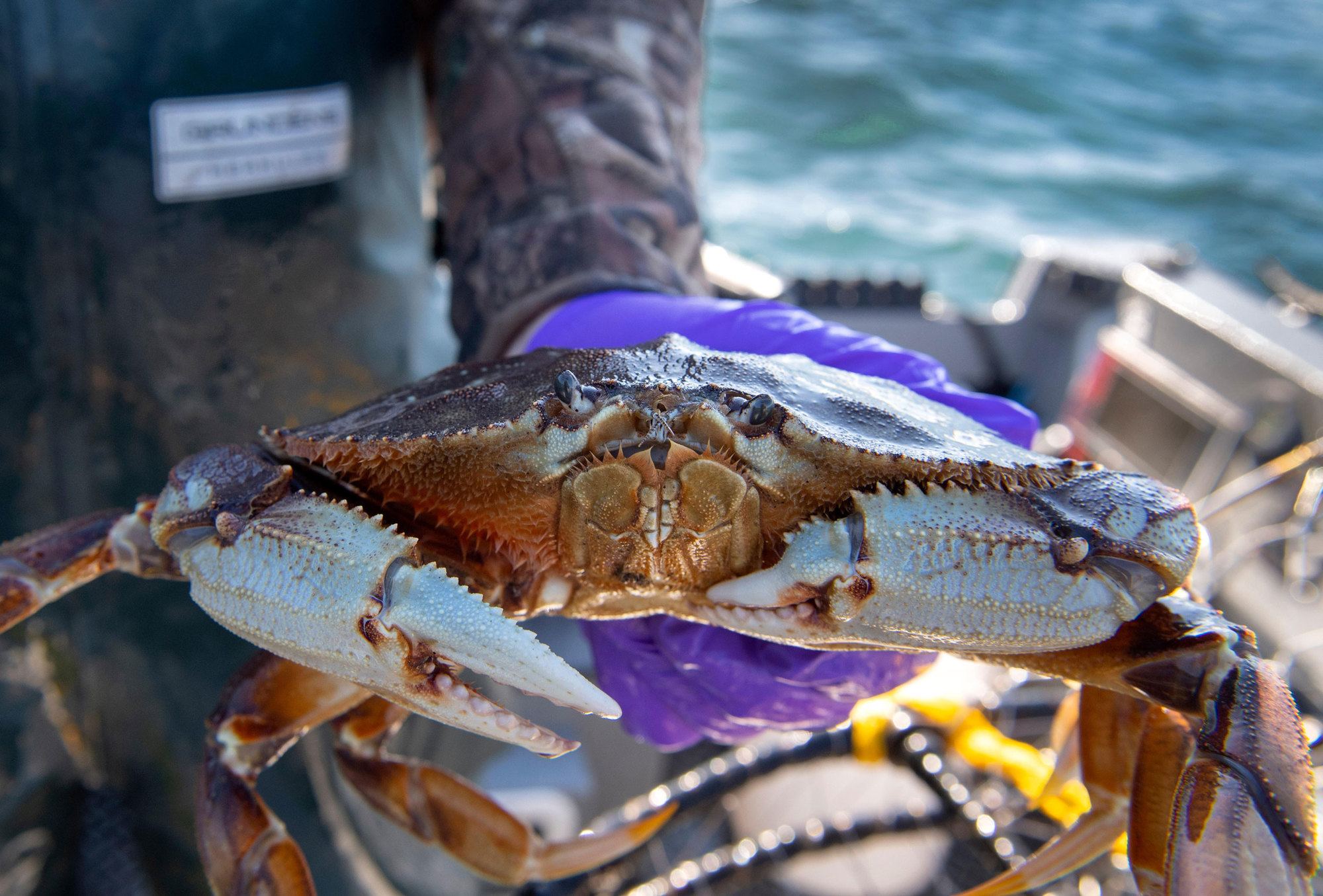
Key Highlights
- Toxic effects of petroleum hydrocarbons disrupt physiological functions and feeding behavior.
- Empirical data demonstrates a clear decline in consumption rates with higher MDO concentrations.
- Multiple studies corroborate that environmental stress and bioaccumulation reduce food intake in crabs.
Introduction
Numerous studies indicate that environmental contaminants have a profound impact on marine organisms. A particularly compelling case revolves around blue swimming crabs (Portunus pelagicus) and the effects of marine diesel oil (MDO) on their feeding behavior. The data reveals that the consumption rate of these crabs declines in a systematic manner as the concentration of MDO increases. More specifically, the control group, which was not exposed to MDO, recorded the highest average consumption rate of 1.70. In comparison, Treatment 1, with an exposure of 200 mg/L of MDO, had an average consumption rate of 0.91; Treatment 2 (400 mg/L) dropped further to an average of 0.59; and the most affected group, Treatment 3 (600 mg/L), had the lowest average consumption rate of 0.28.
Empirical Evidence and Data Analysis
Consumption Rate Experiments
The experimental evidence demonstrates a stepwise decline in the feeding rate with increased MDO concentration. The established experimental design compares a control group with successive treatments, each corresponding to a higher MDO exposure level. The average consumption rates from these experiments have been consistently lower in groups with MDO exposure, highlighting the detrimental impacts of MDO on the feeding behavior of Portunus pelagicus.
Experimental Data Table
| MDO Concentration (mg/L) | Average Consumption Rate |
|---|---|
| 0 (Control) | 1.70 |
| 200 | 0.91 |
| 400 | 0.59 |
| 600 | 0.28 |
The table succinctly displays the negative correlation between MDO concentration and consumption rate, providing a clear numerical framework for understanding the impact of oil pollutants on feeding behavior in blue swimming crabs.
Related Research and Supporting Evidence
Toxicity of Petroleum Hydrocarbons
Multiple studies have evaluated how petroleum hydrocarbons impact marine organisms. For example, exposure to polycyclic aromatic hydrocarbons (PAHs) and other components found in MDO can impair sensory and respiratory functions in crabs. This impairment leads to a reduction in the ability to forage and locate food, which further explains the observed decline in consumption rate.
Research published in journals such as the Journal of Marine Biological Association has noted that crabs exposed to MDO accumulate toxic substances in their tissues. These substances interfere with normal metabolic processes, leading to physiological stress. As a result, the crabs prioritize detoxification over energy-intensive activities like feeding, which directly contributes to a reduction in consumption.
Physiological Stress and Enzymatic Response
An important aspect of the research includes examining the physiological stress markers in crabs. Studies have shown increases in stress-related enzymes including superoxide dismutase, catalase, and glutathione S-transferase upon exposure to MDO. The elevated levels of these enzymes indicate that the crabs are under oxidative stress and are diverting energy towards mitigating cellular damage.
This oxidative stress diminishes the crabs' overall physical condition, contributing to a decline in the capacity to process and consume food. Essentially, as the concentration of MDO increases, so does the stress and resulting enzyme activity, thereby correlating with a decrease in the observed consumption rates.
Comparative Research on Oil Spill Effects
Broader environmental studies, such as those focusing on the effects of oil spills, provide further context for understanding the adverse impacts on marine organisms. For instance, research on fiddler crabs and other crustaceans during oil spill incidents shows that these organisms suffer from reduced feeding activity and altered behavior patterns.
Such observations are reinforced by controlled experiments that test varying concentrations of oil, where higher levels consistently result in reduced foraging and lower consumption rates. These studies highlight that the bioaccumulation of oil pollutants can lead to chronic sublethal effects in marine species, reducing their overall fitness and altering their ecological roles.
Behavioral Changes in Blue Swimming Crabs
Feeding Habits and Environmental Stressors
Blue swimming crabs are naturally opportunistic feeders. Their typical diet comprises a range of prey, including mollusks, small fish, and other invertebrates, adapted to the availability of food sources in their habitat. However, when exposed to environmental pollutants like MDO, their ability to identify and capture prey is compromised.
Studies conducted in coastal regions with industrial activity have found a notable decrease in the diversity and quantity of food consumed by blue swimming crabs. This has primarily been attributed to the presence of toxic compounds in MDO, which impair crucial sensory and locomotor functions necessary for efficient foraging.
Moreover, by diverting energy to manage physiological stress, the crabs experience reduced motivation and capability for feeding, leading to the observable decrease in consumption rates as MDO concentrations rise. This behavioral change serves as a clear indicator of the environmental stress imposed by oil pollutants.
Bioaccumulation and its Sublethal Effects
In addition to immediate behavioral changes, long-term exposure to MDO has been associated with the bioaccumulation of toxic compounds. Blue swimming crabs, like many other marine organisms, can accumulate pollutants within their tissues, which serves as a biomarker of environmental contamination.
Not only does bioaccumulation affect the immediate health and feeding behavior, but it also has potential repercussions on the crabs' reproductive and growth processes. Data from various studies indicate that energy invested in detoxification processes detracts from other essential biological functions, thereby reducing overall consumption and health over time.
Comprehensive Table of Research Findings
| Research Focus | Main Findings | Reference Link |
|---|---|---|
| Toxic Effects of Hydrocarbons | Increased PAH levels disrupt sensory functions, reducing feeding efficiency. | ScienceDirect - Journal Article |
| Physiological Stress Response | Elevated levels of enzymes like superoxide dismutase indicate oxidative stress that impairs feeding. | NCBI - Book Chapter |
| Behavioral Effects in Oil Spills | Crabs show reduced foraging activity and compromised feeding behavior in polluted environments. | Science Journal for Kids |
| Bioaccumulation of Pollutants | Long-term exposure reduces feeding capacity as energy is diverted to detoxification and metabolic repair. | PMC - Research Article |
| Feeding Ecology of Blue Swimming Crabs | Empirical data consistently reveals a decline in consumption rate with increasing MDO concentration. | ScienceDirect - Research Study |
Implications and Broader Context
Environmental Management and Ecological Impact
The data supporting the decline in consumption rate of blue swimming crabs with increased MDO concentration is critical for environmental management. Understanding these sublethal effects is essential for assessing the long-term impact of oil pollution on marine ecosystems. Reduced feeding rates can lead to significant ecological repercussions, such as altered predator-prey dynamics and shifts in the population structure of affected species.
In addition to immediate behavioral changes, the chronic exposure of marine organisms to pollutants like MDO poses challenges for the sustainability of marine biodiversity. The interplay between environmental stressors and biological responses, including reduced consumption rates, highlights the need for stricter regulatory measures and cleanup efforts to mitigate oil pollution in coastal and marine environments.
Support for Policy and Conservation Strategies
The observed impact of MDO on the feeding behavior of blue swimming crabs bolsters the argument for enhanced conservation strategies and pollution mitigation policies. Decision-makers can utilize this research to justify the implementation of stringent environmental protection measures, not only for the preservation of marine life but also for the sustainability of industries that rely on healthy marine ecosystems.
Clearly, the experimental evidence and related research provide a solid foundation for understanding how increased MDO levels influence the feeding behavior of blue swimming crabs. These insights contribute to the broader dialogue on the ecological impacts of oil contamination and the necessity of preventive and remedial measures.
References
-
ScienceDirect - Journal Article on Toxicity Effects
- LUMCON - Oil Effects on Marine Organisms
- Science Journal for Kids - Oil Spill Impact
-
PMC - Research on Bioaccumulation
-
ScienceDirect - Feeding Ecology Study
Recommended Related Queries
Last updated March 16, 2025