
Unlocking the Complex Engineering Behind Your BMW X3's Smooth Ride
A comprehensive breakdown of every component in your 2016 BMW X3 2.0d X-Drive's rear suspension system
Key Insights About BMW X3 Rear Suspension
- Multi-link Design: The 2016 BMW X3 2.0d X-Drive utilizes a sophisticated multi-link rear suspension system rather than traditional MacPherson struts.
- 11 Critical Components: The rear suspension contains at least 11 essential components working in harmony to provide the signature BMW driving experience.
- Damper Distinction: Unlike the front suspension, the rear system uses separate shock absorbers and springs rather than integrated strut assemblies.
Understanding BMW X3's Rear Suspension Architecture
The 2016 BMW X3 2.0d X-Drive features a sophisticated multi-link rear suspension system that differs significantly from conventional strut designs. While many refer to the rear damping components as "struts," technically speaking, the X3 employs separate shock absorbers and springs rather than true strut assemblies in the rear. This design choice provides superior handling characteristics, especially for the xDrive all-wheel-drive system.
Primary Components of the Rear Suspension System
The rear suspension system of your BMW X3 consists of several precisely engineered components that work in concert to provide the vehicle's renowned ride quality and handling precision:
1. Rear Shock Absorbers
These hydraulic damping devices control the movement of the springs and prevent excessive oscillation after encountering road imperfections. In the BMW X3, the rear shock absorbers are often available in both standard and electronic damping control (EDC) versions, depending on the trim level.
2. Coil Springs
The coil springs support the vehicle's weight and absorb impacts from the road surface. They are typically progressive-rate springs, meaning they provide varying levels of resistance depending on compression levels, balancing comfort and handling.
3. Upper Strut Mounts
These components connect the shock absorber assembly to the vehicle's chassis. They typically include rubber or polyurethane bushings that help reduce vibrations and noise transmitted from the road to the cabin.
4. Bump Stops
These rubber or polyurethane components prevent metal-to-metal contact when the suspension is fully compressed, protecting the vehicle from damage during extreme compression events.
5. Dust Boots
Also known as dust shields or bellows, these flexible covers protect the shock absorber shaft from dirt, debris, and moisture, prolonging the life of the internal seals and components.
6. Spring Seats
These components provide a secure mounting point for the coil springs and ensure proper alignment within the suspension assembly.
7. Rear Control Arms
The BMW X3 features multiple control arms in its multi-link setup, including toe arms, trailing arms, and guide rods. These components connect the wheel assembly to the vehicle's subframe and allow for controlled vertical movement while maintaining proper wheel alignment.
8. Sway Bar Links
These components connect the suspension to the anti-roll bar (sway bar), which helps reduce body roll during cornering by transferring force from one side of the vehicle to the other.
9. Rear Suspension Cross-member Bushings
These rubber or polyurethane components isolate the rear suspension cross-member from the chassis, reducing noise and vibration while allowing controlled movement of the suspension components.
10. Mounting Hardware
Various specialized bolts, nuts, and washers secure the suspension components together. This includes suspension strut bolts and torx bolts with washers, which are designed to maintain precise torque specifications.
11. Sensors (on equipped models)
Some X3 models feature electronic damping control, which includes sensors that monitor suspension movement and adjust damping rates accordingly for optimal ride and handling balance.
Visual Component Analysis
Suspension Component Comparison Matrix
| Component | Function | Material | Replacement Interval | Symptom of Failure |
|---|---|---|---|---|
| Shock Absorbers | Dampen spring oscillations | Steel body with hydraulic fluid | 80,000-100,000 km | Bouncy ride, fluid leakage |
| Coil Springs | Support vehicle weight | High-tensile steel | 150,000+ km | Sagging ride height, cracking |
| Upper Strut Mounts | Connect to chassis | Steel with rubber isolation | 80,000-120,000 km | Clunking noises, increased vibration |
| Control Arms | Maintain wheel alignment | Aluminum or steel | 100,000-120,000 km | Uneven tire wear, wandering steering |
| Sway Bar Links | Connect to anti-roll bar | Steel with rubber bushings | 60,000-80,000 km | Rattling, excessive body roll |
| Bushings | Isolate vibration | Rubber or polyurethane | 80,000-100,000 km | Creaking, alignment issues |
| Dust Boots | Protect shock shafts | Rubber or thermoplastic | With shock replacement | Torn, allowing contamination |
Understanding Rear Suspension Performance
The multi-link rear suspension design of the BMW X3 represents a perfect balance of comfort, handling, and durability. Here's how its performance characteristics compare to other suspension designs:
Component Integration Mindmap
The following mindmap illustrates how the various components of the rear suspension system integrate with each other to form a complete working system:
Video Guide: Rear Suspension Components and Replacement
This detailed video demonstrates the process of replacing rear shock absorbers in a BMW X3 F25 (2011-2017), which shares the same platform as the 2016 model. The video shows the various components of the rear suspension and provides valuable insight into how they work together:
In this video, you can clearly see how the shock absorbers interact with the coil springs and other suspension components. Note how the technician handles each component during disassembly and reassembly, which provides excellent visual reference for understanding the rear suspension architecture.
Rear Suspension Component Images
Below are images of key components from the 2016 BMW X3's rear suspension system:
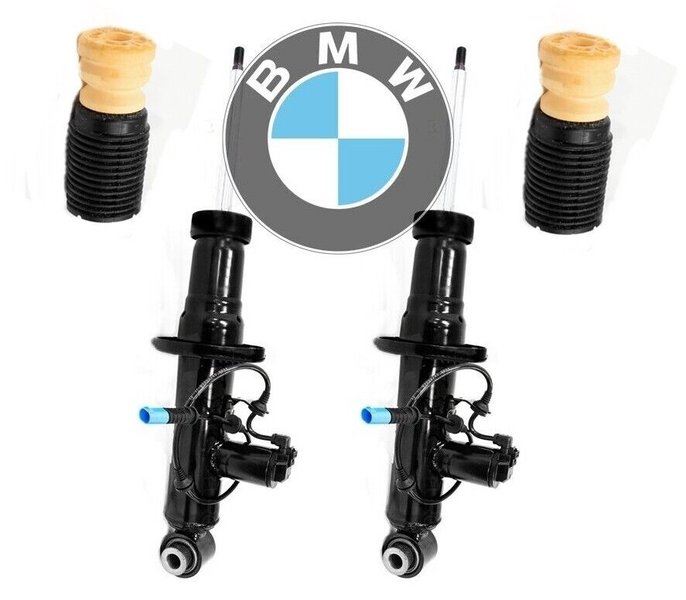
Electronic Damping Control (EDC) Rear Shock Absorbers
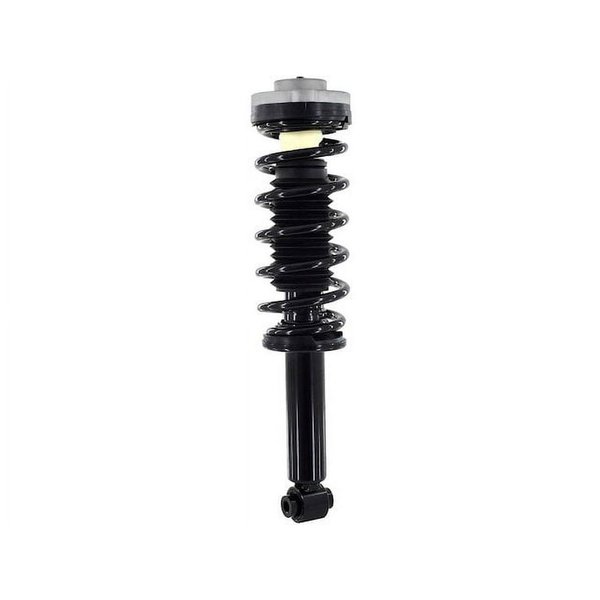
Complete Rear Shock and Spring Assembly
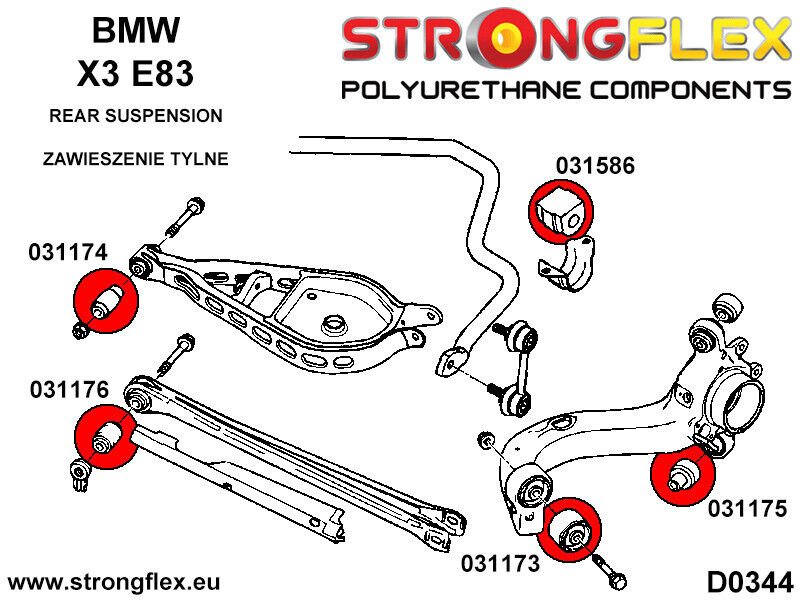
Polyurethane Rear Suspension Bushing Kit
Frequently Asked Questions
References
- Suspension Components for 2016 BMW X3 - BMW Parts Wholesale
- BMW X3 F25 (2011-2017) - Suspension & Steering - Pelican Parts
- BMW X3 Shock and Struts Parts - FCP Euro
- 2016 BMW X3 Shocks and Struts - AutoZone
- 2016 BMW X3 xDrive28d Rear Suspension Components - Get BMW Parts
-
Shocks and Struts for 2016 BMW X3 - O'Reilly Auto Parts
Recommended Searches

Last updated April 5, 2025