
Understanding the Body's First Line of Defense
Exploring the key barriers that protect us from infections
Key Takeaways
- The skin and mucous membranes serve as primary physical barriers against pathogens.
- Chemical secretions like saliva and stomach acid provide additional protection by neutralizing harmful organisms.
- Beneficial microbiota and mechanical structures like cilia play crucial roles in inhibiting pathogen establishment.
Introduction
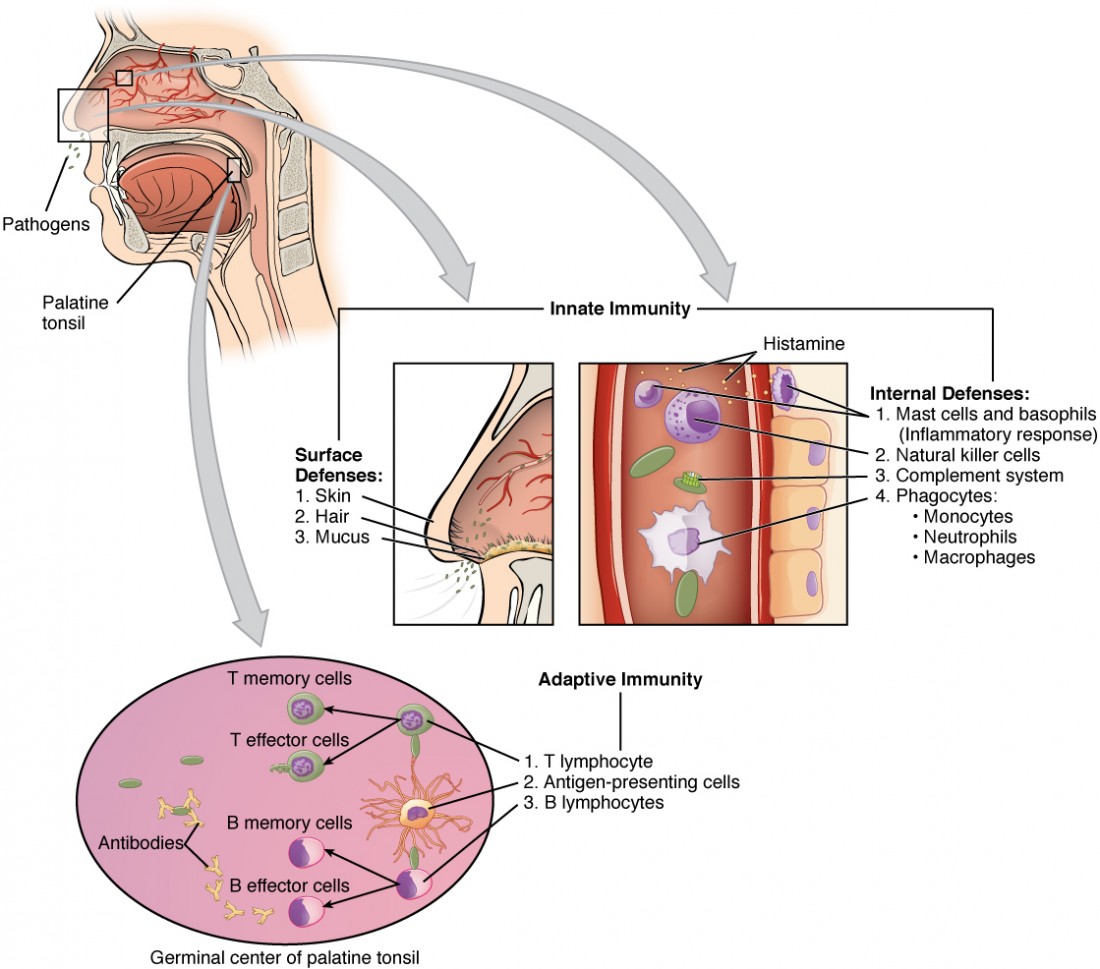
The human body is constantly exposed to a myriad of potential pathogens, including bacteria, viruses, fungi, and parasites. To maintain health and prevent infections, the body has evolved a sophisticated defense system. The first line of defense is integral to the innate immune system, providing immediate and non-specific protection against invading microorganisms. This comprehensive barrier system comprises physical, chemical, and biological mechanisms that work in concert to prevent pathogens from entering and establishing infections within the body.
Physical Barriers
1. The Skin
The skin is the body's largest organ and serves as a formidable physical barrier against pathogens. Its outer layer, the epidermis, is composed primarily of keratin, a protein that provides strength and resilience. This tough, continuous surface effectively blocks microbial invasion. Additionally, the skin maintains a slightly acidic pH, creating an environment hostile to many microorganisms. The presence of sweat glands in the skin also contributes to defense by secreting substances that can deter pathogen growth.
2. Mucous Membranes
Mucous membranes line the internal passages of the body, including the respiratory, gastrointestinal, and genitourinary tracts. These membranes secrete mucus, a viscous fluid that traps pathogens and particulate matter, preventing them from reaching deeper tissues. The mucus not only acts as a physical trap but also contains antimicrobial substances that can neutralize or kill invading microorganisms. This dual function makes mucous membranes a critical component of the first line of defense.
Chemical Barriers
1. Protective Secretions
The body produces various secretions that contribute to its chemical defense mechanisms. These include:
-
Tears and Saliva: Both tears and saliva contain enzymes like lysozyme, which can break down bacterial cell walls, effectively killing bacteria before they can cause infection.
-
Gastric Juices: The stomach secretes hydrochloric acid, creating a highly acidic environment (low pH) that destroys many ingested pathogens, preventing gastrointestinal infections.
-
Sweat and Vaginal Secretions: These fluids contain antimicrobial peptides and maintain acidic pH levels that inhibit the growth of certain microbes.
2. Acidity and Enzymatic Action
The acidic environments created by various secretions serve as chemical barriers by denaturing proteins and disrupting metabolic processes of pathogens. Enzymatic actions, such as those performed by lysozyme in tears and saliva, specifically target and degrade essential components of microbial cell walls, leading to their destruction.
Biological Barriers
1. Beneficial Microbiota
The human body hosts a diverse community of beneficial bacteria, commonly referred to as microbiota, on its skin and within various mucosal surfaces. These microorganisms play a pivotal role in preventing pathogen colonization by competing for nutrients and space. By occupying potential niches that pathogens might exploit, beneficial microbiota effectively reduce the likelihood of harmful microbes establishing infections.
2. Cilia in the Respiratory Tract
In the respiratory system, cilia are tiny hair-like structures that continuously move in coordinated waves. Their primary function is to transport mucus, laden with trapped pathogens and particles, out of the airways. This mechanical sweeping action not only removes debris but also prevents pathogens from reaching the delicate tissues of the lungs, thereby reducing the risk of respiratory infections.
Additional Protective Mechanisms
1. Urine Flow
The continuous flow of urine through the urinary tract serves as a flushing mechanism that helps expel pathogens from the body. By regularly removing waste and potential microbial invaders, urine flow minimizes the risk of urinary tract infections.
2. Neutrophils
While primarily part of the second line of defense, neutrophils play a supporting role by monitoring for breaches in the first line of defense. These white blood cells can swiftly respond to and eliminate pathogens that manage to bypass the initial barriers, thereby maintaining the integrity of the body's defenses.
Comprehensive Overview of First Line Defenses
| Barrier Type | Components | Function |
|---|---|---|
| Physical | Skin, Mucous Membranes | Provide a continuous barrier to block pathogen entry |
| Chemical | Tears, Saliva, Stomach Acid, Sweat | Contain enzymes and acidic environments that kill or inhibit pathogens |
| Biological | Beneficial Microbiota, Cilia | Compete with pathogens and physically remove them from the body |
| Mechanical | Urine Flow | Flushes out pathogens from the urinary tract |
Integration and Synergy of Defense Mechanisms
The effectiveness of the body's first line of defense lies in the seamless integration of its various components. Physical barriers like the skin and mucous membranes provide the initial shield against pathogens, preventing their entry. Chemical secretions add an extra layer of defense by actively neutralizing or destroying microbes that come into contact with these barriers. Biological components, including beneficial microbiota and cilia, further enhance protection by competing with pathogens and removing them from the body.
This multi-faceted approach ensures that even if one barrier is compromised, others can compensate to maintain overall protection. For instance, if the skin is breached, the rapid response of mucus secretion and enzymatic action can prevent pathogens from establishing an infection while the immune system mobilizes more specific defenses.
Factors Influencing the Efficiency of the First Line of Defense
1. Physical Integrity
The integrity of physical barriers is paramount. Cuts, abrasions, or conditions that compromise the skin or mucous membranes can significantly increase susceptibility to infections. Maintaining skin health through proper hygiene and protecting against mechanical damage are essential for preserving these defenses.
2. Chemical Environment
The chemical barriers rely on specific conditions, such as acidic pH and enzyme activity, to function effectively. Factors that alter these conditions, like prolonged use of antibiotics or certain medications, can disrupt the balance and reduce the efficacy of chemical defenses.
3. Microbiota Balance
A healthy balance of beneficial microbiota is crucial for preventing pathogen colonization. Disruptions caused by antibiotic use, illness, or poor diet can diminish beneficial populations, allowing opportunistic pathogens to thrive.
4. Environmental Exposures
Exposure to pollutants, toxins, and extreme temperatures can weaken physical and chemical barriers. Protecting the body from harsh environmental conditions helps maintain the integrity and functionality of the first line of defense.
Strengthening the First Line of Defense
1. Proper Hygiene Practices
Regular bathing, handwashing, and maintaining clean living environments reduce the burden of pathogens and support the effectiveness of physical barriers like the skin.
2. Balanced Diet
A diet rich in vitamins, minerals, and probiotics supports the health of mucous membranes and beneficial microbiota, enhancing the body's natural defenses.
3. Adequate Hydration
Staying well-hydrated ensures optimal production of protective secretions like saliva and mucus, which are vital for trapping and neutralizing pathogens.
4. Avoiding Harmful Substances
Limiting exposure to harmful substances, such as excessive alcohol, tobacco, and environmental pollutants, preserves the integrity of physical and chemical barriers.
Conclusion
The body's first line of defense is a complex and highly effective system designed to protect against a wide array of pathogens. By combining physical barriers like the skin and mucous membranes with chemical and biological mechanisms, the body ensures immediate and non-specific protection. Maintaining the health and integrity of these barriers through proper hygiene, nutrition, and lifestyle choices is essential for preventing infections and promoting overall well-being. Understanding these defense mechanisms not only highlights the body's resilience but also underscores the importance of adopting practices that support and enhance these natural protections.
References
Last updated February 15, 2025