
Analysis of a Classic James Bond Casino Scene
Dissecting the tension, style, and character dynamics in high-stakes espionage
Highlights
- Tense Casino Atmosphere: The scene masterfully uses the backdrop of a casino to create an atmosphere of suspense and high stakes.
- Character Dynamics: The interaction between James Bond and La Vipère highlights core traits such as sophistication, authority, and strategic brilliance.
- Intricate Narration: The dialogue interweaves themes of gambling, national security, and seduction into a layered narrative that extends beyond mere chance.
Introduction
The passage presented is an exemplary depiction of a classic James Bond casino encounter, rich in the themes of espionage, high-stakes gambling, and subtle psychological manipulation. Drawing on well-established tropes of the franchise, the scene interlaces elements of danger, charm, and intellectual strategy, thereby encapsulating the essence of what has come to define the Bond series. This detailed analysis will unpack the various components of the scene, exploring its narrative structure, the techniques employed in developing its tense atmosphere, and the profound character dynamics that bring the dialogue to life.
Scene Setting and Atmosphere
The Casino as a Microcosm of Espionage
The setting of a casino is far from random—it serves as a metaphorical and literal battleground where high stakes often mirror the risks inherent in espionage. In this scene, the hum of conversation, the murmur of gambling, and the subtle cues of wealth and danger create a backdrop that blurs the line between entertainment and lethal confrontation. The casino environment is one of calculated risks, not just through the games being played, but through the symbolically charged interactions that unfold. Casinos in Bond films have historically been used to foreground the dual nature of gambling, where financial risks can often be a prelude to more significant, intimate dangers.
The scene’s setting, with its constant background murmur, serves as the perfect canvas for suspense. The ambient noise, combined with the visual cues of a well-appointed casino, demands that both the character and audience focus on the subtext that lies beneath the smooth surface of card games and wealth. In this controlled chaos, every whispered word and even the silken sound of a voice carries a weight that hints at underlying motives and potential conflicts.
Utilization of Tension and Environment
Tension in the scene is not solely derived from dialogue but is compounded by the deliberate pacing of interactions. As James Bond’s voice cuts through the background quiet, the reader is immediately drawn to his presence. This is a deliberate narrative choice that highlights Bond’s ability to dominate his surroundings through sheer charisma and assertiveness. The atmosphere is charged with the anticipation of what might unfold—every gesture, every glance is a prelude to the shifting balance of power.
Symbolism of the Casino Equipment
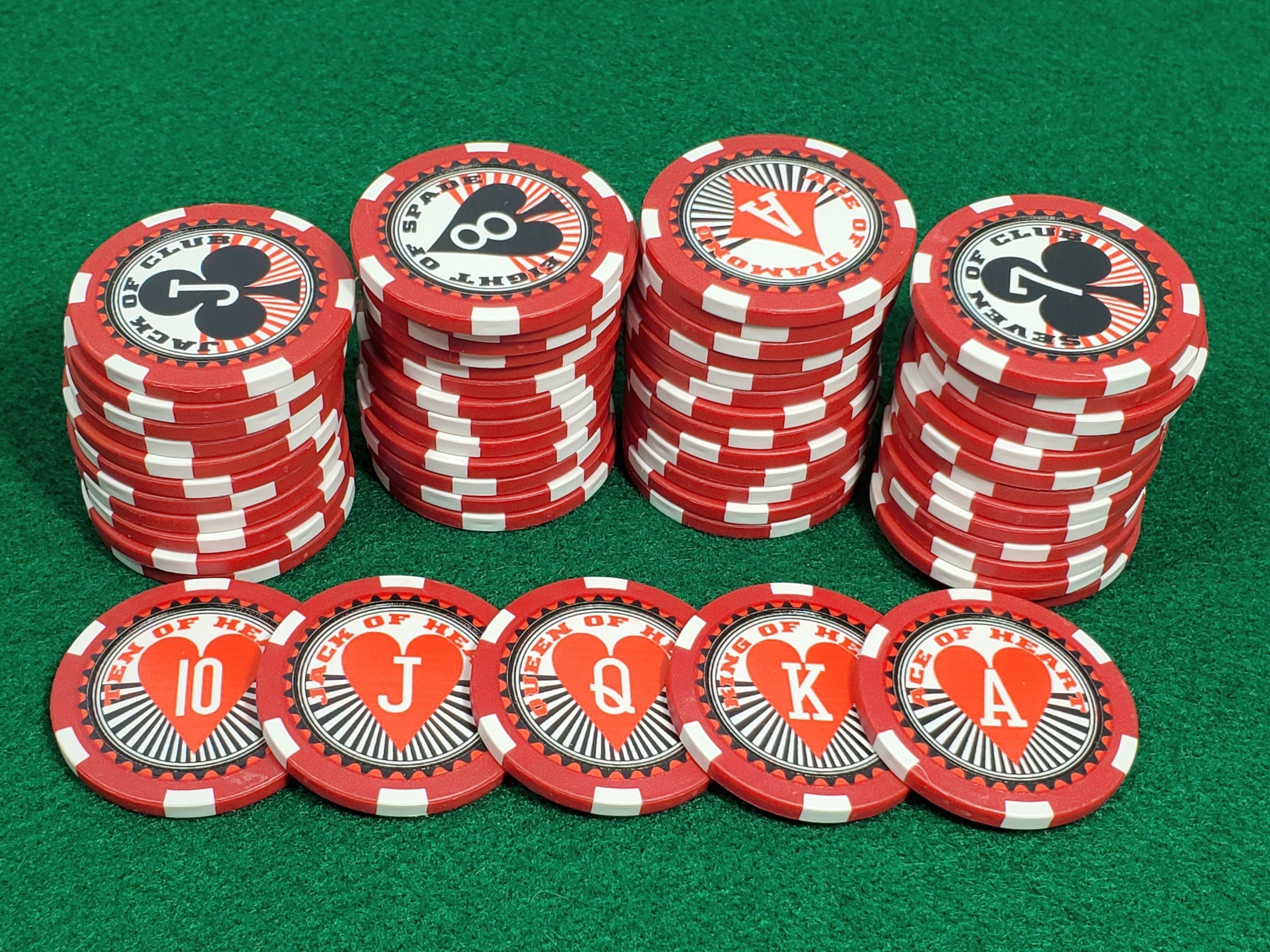
The choice of using cards, particularly in the context of baccarat or another high-stakes game, is symbolic. Cards are instruments of chance, yet they are manipulated by those who understand the game’s subtleties. In this scene, the cards serve as both literal and metaphorical tokens. La Vipère’s revealing of the two and seven of hearts, which together yield a nine—the highest score in some game variations—underscores her attempt to unsettle Bond by exhibiting mastery over the game. However, Bond’s measured response and his introduction of a data chip as an additional wager transform the encounter. The data chip is a tangible representation of high-stakes leverage that transcends mere money, signifying intelligence and national secrets.
Character Dynamics and Dialogue Analysis
Decoding the Characters
At the forefront of this scene are two primary figures: the suave and calculating James Bond and the enigmatic La Vipère. Their interaction encapsulates the fine line between seduction and confrontation—a hallmark of the Bond series. The dialogue is carefully orchestrated to showcase Bond’s habitual blend of charm, wit, and tactical acumen. His greeting, "Mademoiselle," not only underlines his respectful yet flirtatious tone but also positions him as someone used to operating in spheres where etiquette and subtle dominance prevail.
La Vipère, on the other hand, is portrayed as a formidable adversary whose intentions are shrouded in the mystery of espionage. The subtle cruelty in her smile and her retort underscores a character that is both alluring and dangerous. Her attitude is not merely antagonistic but speaks to a layered persona with her own strategic game to play. The interplay of power between Bond and La Vipère is thus reminiscent of a carefully choreographed dance, where every move could either lead to an alliance or a betrayal.
The Art of Subtext in Dialogue
Dialogue in the James Bond franchise is an art form, where what is unsaid is often as important as the spoken word. In this particular scene, Bond’s mention of “something that belongs to Her Majesty’s government” introduces a dual-level conversation. On the surface, it appears as a simple recognition of duty, but simultaneously it conveys a deeper narrative of espionage and national security. The stakes are expanded from a mere game of cards to an intricate deal involving life, liberty, and valuable state secrets.
La Vipère’s response, emphasizing her interest in the cards versus national intrigue, cleverly frames the game within a context that is both a literal and figurative wager. Her retort not only acts as a rejection but also a challenge, inviting Bond to show his mastery not in the realm of government secrets, but in the game of chance itself. This interplay is a fine example of how the Bond series uses dialogue to layer multiple dimensions of conflict and attraction.
Shifting Power Dynamics
Throughout the passage, the subtle shifts in power dynamics are evident. Bond’s declaration, “I’m raising the stakes considerably,” is not merely a statement of intent—it’s an act of defiance and control. By laying down a small, unmarked data chip on the table, Bond transitions the conversation from one about cards to one about espionage, asserting his authority and introducing a new variable into the game. This data chip is emblematic of high-stakes risk-taking; while it might seem insignificant in a casual gambling match, it carries the weight of national security, effectively turning the game into a battle of wits and nerve.
Metaphor of the Data Chip
The data chip is quite significant. Traditionally, gambling scenes in Bond films are centered around the use of money, where the risk is understood in financial or reputational terms. However, by substituting currency with an object that holds crucial intelligence, the narrative shifts to a realm where every move could have profound geopolitical implications. This is reflective of Bond's character—a man who operates on multiple levels and is ever-ready to transform conventional situations into moments of strategic brilliance.
Stylistic Elements and Cinematic Influences
Visual and Auditory Imagery
The passage does an exceptional job of invoking both visual and auditory images that are crucial to the Bond mythology. Bond's voice, described as "cutting through the background murmur," and his eyes, "like chips of ice," serve as vivid portrayals of his inner calmness and sharp focus. These descriptions communicate more than just physical attributes; they emphasize his unflappable resolve and his ability to dominate even in the most chaotic of environments.
In cinema, such imagery translates to meticulously composed shots that focus on facial expressions and subtle details, ensuring that every glance and every intonation is laden with meaning. The ambiance of the casino, coupled with the sound design, reinforces the idea that even in a room filled with distractions, Bond remains entirely in control, his senses finely attuned to every nuance.
Narrative Tension and Pacing
Pacing is another critical element that enhances the tension of the scene. The narrative deliberately slows down as the dialogue unfolds, giving the reader—and by extension, the viewer—a moment to absorb the stakes at play. The brief pauses, the deliberate choice of words, and the build-up of the final wager all contribute to a crescendo of suspense. This methodical escalation mirrors the structure seen in many iconic Bond films, where each scene is crafted to heighten the stakes and deepen the narrative complexity.
The Power of Suggestion in Cinematic Storytelling
The scene is imbued with the power of suggestion. No explicit actions are described in expository detail; rather, the dialogue and brief, evocative descriptions allow the reader to infer the broader context—a world where every gesture is laden with potential danger and promise. Such cinematic techniques are instrumental in maintaining the audience’s engagement, as they are encouraged to read between the lines and explore the undercurrents of betrayal, loyalty, and seduction.
Comparative Analysis
Casino Settings in the Bond Universe
The use of casinos and similar high-stakes environments has been a recurring motif throughout the James Bond franchise. Casino settings not only serve as alluring backdrops but also encapsulate the essence of risk and unpredictability that defines Bond's world. Much like the renowned scenes in films such as Casino Royale, this passage utilizes the casino as a microcosm for exploring themes of chance, control, and destiny.
Beyond the physical setting, the casino becomes a stage where characters reveal their true nature—whether through a subtle smile, a measured glance, or a well-timed bet. In this scene, every detail, from the specific choice of cards to the introduction of a seemingly innocuous data chip, reinforces the duality of Bond’s universe: one where superficial elegance belies deeper, life-altering stakes.
Interwoven Themes of Espionage and Gambling
At the heart of the narrative lies a merging of themes that, on the surface, might appear disparate: espionage and gambling. However, both domains are characterized by unpredictability, risk, and the constant interplay between chance and calculated strategy. The act of gambling inherently implies a surrendering to fate and probabilities, much like the decisions faced by spies in the field. Bond, as a confluence of these two realms, navigates his environment by capitalizing on both his intimate understanding of chance and his exacting strategic acumen.
This amalgamation of themes is artfully underscored by the transformation from a traditional monetary bet to the wager of a data chip—a representation of powerful intelligence. The decision to use an object of national importance as a bet elevates the stakes and draws a direct parallel between the uncertainty of a card game and the high risks inherent in international espionage.
A Comparative Table of Key Elements
| Element | Description | Symbolic Significance |
|---|---|---|
| Casino Setting | A lively environment with the constant hum of conversation and the mystique of high-stakes gambling. | Represents risk, unpredictability, and the blurred line between entertainment and danger. |
| Cards and Gambling | Use of high-value cards to establish stakes, with the two and seven of hearts symbolizing a perfect score. | Embodies chance and skill, serving as a metaphor for the calculated risks in espionage. |
| Data Chip | An unmarked chip introduced as a bet, symbolizing intelligence and secret information. | Elevates the stakes from financial to national security, emphasizing strategic depth. |
| Dialogue | Sharp, layered exchanges that hint at a deeper narrative beyond the immediate game. | Underscores themes of seduction, confrontation, and unspoken alliances in the world of espionage. |
Integration of Espionage and Character Complexity
The Dual Nature of Risk
Analyzing the scene further brings to light the interplay between risk and reward—a central theme in both the domains of gambling and espionage. James Bond epitomizes this duality as he navigates scenarios where every decision carries significant implications. His choice to raise the stakes by offering a data chip not only reflects his intrinsic understanding of risk but also his willingness to engage in an unpredictable game where outcomes are uncertain.
The narrative subtly hints at the fact that in the world of espionage, risk is omnipresent and meticulously calculated. Whether it is the gamble inherent in playing a high-stakes card game or the leap of faith into a confrontation with a cunning adversary, every move is laden with the potential for both success and catastrophic failure. This constant balancing act between risk and control is what makes the Bond persona both captivating and formidable.
Psychological Insights and the Use of Subtext
Another compelling aspect of the scene is its reliance on psychological subtext. The verbal sparring between Bond and La Vipère conveys more than just their immediate objectives; it reflects a broader battle of wits and psychological fortitude. When Bond’s voice "cuts through the background murmur," it symbolizes his unfaltering focus and his ability to command the narrative despite external distractions.
Moreover, La Vipère’s playful yet dangerous suggestion to "raise the stakes" accentuates her own psychological acumen. Her character is portrayed with nuances that signal both attraction and danger—a duality that is common among Bond’s adversaries. This layered depiction is a testament to the narrative's ability to infuse depth into what might otherwise be a mere physical confrontation.
Thematic Legacy and Cinematic Impact
Enduring Archetypes in James Bond Films
The exchange recapitulates the timeless archetypes epitomized by the James Bond franchise: the suave hero, the dangerously alluring antagonist, and an environment that is as much a character as it is a setting. The casino, with its rich tapestry of chance and calculated risk, is not merely a backdrop but a vibrant participant in the unfolding drama.
Through this scene, modern audiences are reminded that Bond’s allure does not solely rest on his ability to navigate violent conflicts but also on his aptitude for turning seemingly mundane moments, such as a card game, into critical high-stakes encounters. This synthesis of style, suspense, and raw intelligence is what continues to redefine and elevate the spy genre.
Impact on Audience Engagement
One of the key reasons why scenes like this captivate audiences is their ability to merge the aesthetic with the narrative. The combination of luxurious settings, enigmatic dialogue, and startling twists keeps the audience invested in the storyline. Each element—from the choice of words to the strategic placement of an object as innocuous as a data chip—serves to deepen the emotional and intellectual involvement of the viewer.
In cinematic storytelling, details that evoke strong sensory impressions are pivotal. The whispered tensions, the cool demeanor of Bond, and the provocative allure of La Vipère orchestrate a multi-layered narrative that resonates not just with fans of the series, but also with anyone drawn to tales of intrigue and high-risk decisions.
Conclusion and Final Thoughts
In conclusion, the passage exemplifies the nuanced interplay between risk, strategy, and seduction that lies at the heart of James Bond’s cinematic universe. The casino setting elevates the action from a simple card game into a battleground where fortunes and national security hang in the balance. Bond’s tactful manipulation of the situation—introducing a data chip as a gambit—illustrates his profound ability to operate on multiple levels of threat and opportunity simultaneously.
Meanwhile, La Vipère’s character is both a mirror and a foil to Bond, reflecting themes of danger and allure while simultaneously challenging his authority. Through concise yet layered dialogue, both characters demonstrate the intellectual and emotional control that defines their roles. The scene brilliantly integrates classic Bond elements such as sophisticated dialogue, understated visual cues, and a tension-filled atmosphere to create a rich tapestry of narrative intrigue.
Ultimately, this analysis underscores the enduring legacy of the James Bond franchise in its ability to transform a setting as commonplace as a casino into a high-octane arena for espionage, personal valor, and strategic brilliance. The fusion of auditory, visual, and psychological elements ensures that every encounter is not just a game of chance, but a carefully orchestrated spectacle of charm, danger, and intellectual vigor.
References
- The Best Casino Scenes With James Bond - Genendit
- Five best casino scenes in James Bond movies - Suffolk Gazette
- The Five Best Casino Scenes from James Bond Films - The Movie Blog
- Top 3 James Bond Movies With Exceptional Casino Scenes - Universal Exports
Recommended Queries
 amazon.com
Last updated February 21, 2025