
Book Review: "When Perfect Isn't Good Enough"
A Comprehensive Analysis of Perfectionism and Strategies for Overcoming It
Key Takeaways
- Perfectionism is Rooted in Fear and Self-Criticism: Understanding the psychological underpinnings of perfectionism is crucial for addressing its impact on mental health.
- Cognitive-Behavioral Strategies are Effective in Overcoming Perfectionism: Implementing structured CBT techniques can significantly reduce perfectionistic tendencies.
- Embracing Imperfection Enhances Mental Well-being: Accepting flaws and setting realistic goals leads to personal growth and improved relationships.
Introduction
"When Perfect Isn't Good Enough" by Martin M. Antony and Richard P. Swinson is an insightful exploration into the debilitating effects of perfectionism. This comprehensive guide delves into the psychological roots of perfectionistic behavior, its pervasive impact on various aspects of life, and offers practical strategies grounded in cognitive-behavioral therapy (CBT) to help individuals overcome these destructive patterns. The authors adeptly balance theoretical explanations with actionable exercises, making the book both informative and highly applicable for those seeking personal growth and mental well-being.
Understanding Perfectionism
Defining Perfectionism
Perfectionism is often misconstrued as a pursuit of excellence or high standards. However, Antony and Swinson clarify that true perfectionism is characterized by an unrelenting need for flawlessness, coupled with excessive self-criticism and fear of failure. This form of perfectionism is not about striving to achieve one’s best but rather about meeting unrealistic and often unattainable standards that lead to chronic dissatisfaction and stress.
Root Causes and Characteristics
The authors explore various factors contributing to perfectionism, including genetic predispositions, upbringing, societal pressures, and personal experiences. Perfectionists often exhibit traits such as all-or-nothing thinking, catastrophizing minor setbacks, and overgeneralizing negative outcomes. These cognitive distortions create a cycle of perpetual dissatisfaction and hinder personal and professional development.
Distinguishing Between Healthy Striving and Perfectionism
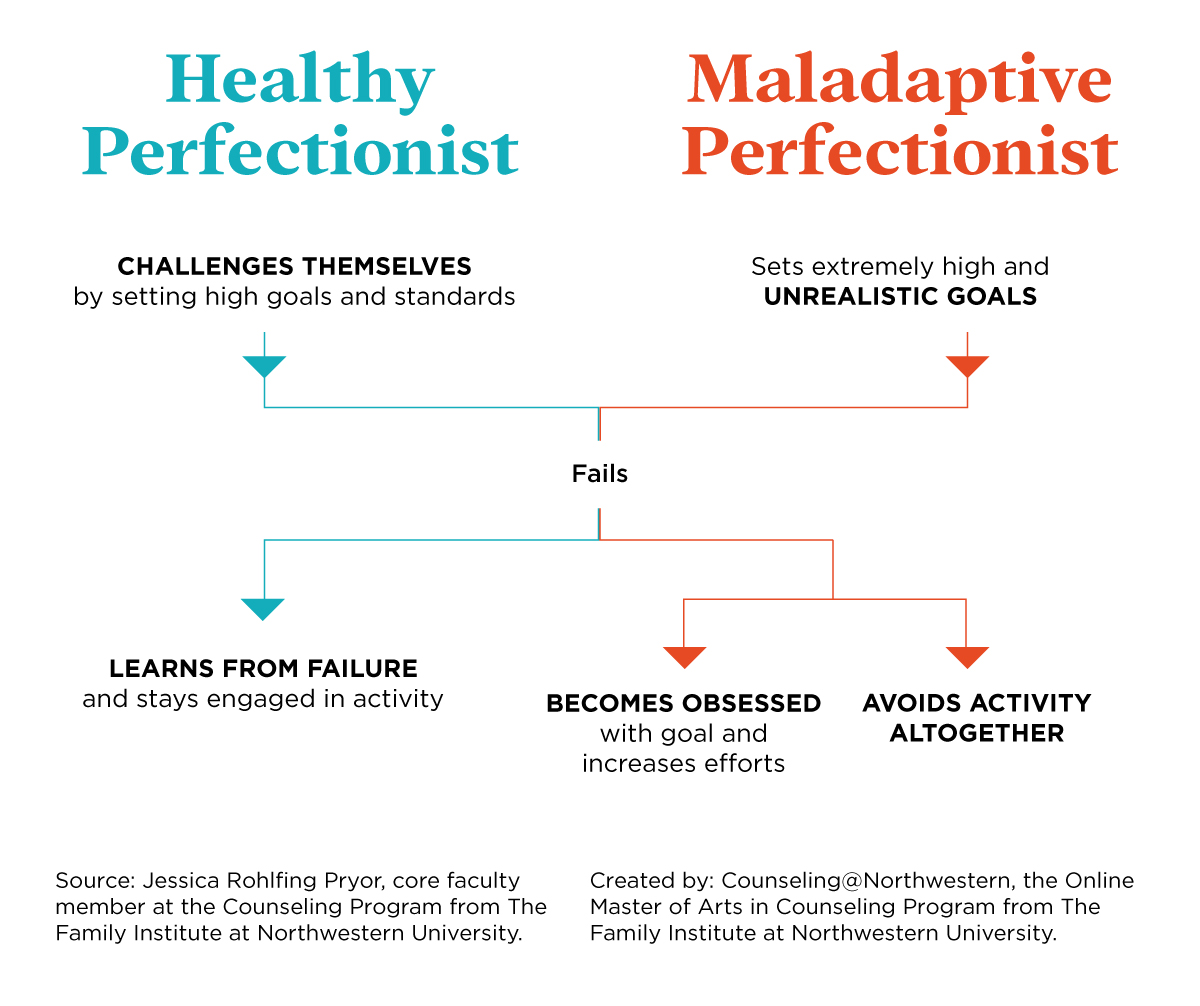
Healthy striving involves setting ambitious but achievable goals, with an emphasis on personal growth and learning from mistakes. In contrast, perfectionism is driven by a fear of failure and an incessant need to avoid any form of imperfection. This distinction is crucial as it highlights the detrimental nature of perfectionism, which often masquerades as a positive trait but ultimately leads to negative mental health outcomes.
Cognitive-Behavioral Strategies to Overcome Perfectionism
Challenging Irrational Beliefs
A cornerstone of the book is the emphasis on identifying and challenging irrational beliefs that underpin perfectionistic behavior. By recognizing thoughts like "I must never make mistakes" or "Everything I do must be perfect," individuals can begin to reframe their thinking patterns. The authors provide structured exercises to help readers critically evaluate these thoughts and replace them with more balanced and realistic perspectives.
Setting Realistic Goals
Setting achievable and specific goals is another key strategy discussed. The authors advocate for breaking down larger tasks into manageable steps, which helps reduce the overwhelming pressure to perform flawlessly. This approach not only enhances productivity but also fosters a sense of accomplishment, thereby diminishing the anxiety associated with perfectionism.
Gradual Exposure to Imperfection
The book introduces the concept of gradual exposure, where individuals intentionally engage in activities that challenge their need for perfection. By deliberately making small mistakes or accepting less-than-perfect outcomes, readers can desensitize themselves to the fear of failure and build resilience against perfectionistic tendencies.
Practical Coping Techniques
Self-Compassion
Developing self-compassion is pivotal in overcoming perfectionism. The authors highlight the importance of treating oneself with the same kindness and understanding that one would offer to a friend. This shift from self-criticism to self-compassion helps mitigate the harsh judgment that perfectionists often impose on themselves, fostering a healthier self-image and emotional well-being.
Mindfulness and Acceptance
Mindfulness practices are integrated as a means to cultivate present-moment awareness and acceptance of one’s thoughts and feelings without judgment. By embracing mindfulness, individuals can observe their perfectionistic tendencies without becoming entangled in them, thereby reducing the emotional distress associated with the pursuit of perfection.
Behavioral Experiments and Exercises
The book is replete with interactive exercises designed to help readers implement the strategies discussed. These include journaling prompts, behavioral experiments, and thought challenging tasks that encourage active engagement with the material. Such exercises facilitate the practical application of theoretical concepts, enabling individuals to make meaningful changes in their behavior and thought patterns.
Impact of Perfectionism on Life Aspects
Perfectionism significantly affects various areas of life, including personal relationships, professional endeavors, and overall mental health. The authors detail how perfectionistic tendencies can lead to chronic stress, anxiety, depression, and strained relationships due to unrealistic expectations imposed on oneself and others. By addressing perfectionism, individuals can enhance their quality of life, improve interpersonal dynamics, and achieve a more balanced and fulfilling existence.
Personal Relationships
In relationships, perfectionism can manifest as excessive criticism or unrealistic standards for partners, leading to conflicts and dissatisfaction. The book offers strategies to cultivate more supportive and accepting relationships by fostering open communication and mutual understanding.
Professional Life
In the workplace, perfectionism may result in procrastination, burnout, and decreased productivity due to the relentless pursuit of flawlessness. The authors suggest practical approaches to enhance work performance without succumbing to perfectionistic traps, such as prioritizing tasks and recognizing the value of incremental progress.
Mental Health
The relentless nature of perfectionism is closely linked to various mental health issues, including anxiety disorders, depressive symptoms, and obsessive-compulsive behaviors. By addressing perfectionism through the strategies outlined in the book, individuals can alleviate these symptoms and promote overall mental well-being.
Lessons Learned from the Book
Strive for Progress, Not Perfection
One of the central messages of the book is the importance of valuing progress over perfection. By shifting the focus from achieving flawless results to making consistent improvements, individuals can reduce the emotional burden associated with perfectionism and foster a more sustainable path to personal and professional growth.
The Freedom of Letting Go
Letting go of the need for perfection opens up opportunities for creativity, resilience, and joy. Embracing imperfection allows individuals to take risks, learn from failures, and develop a more flexible and adaptive mindset, ultimately leading to a richer and more fulfilling life experience.
Managing Self-Talk
The book emphasizes the power of internal dialogue and the necessity of transforming negative self-talk into positive and supportive statements. By cultivating a more compassionate inner voice, individuals can enhance their self-esteem and reduce the self-imposed pressure that fuels perfectionistic tendencies.
Understanding the Paradox of Perfectionism
Pursuing perfection often leads to decreased productivity and satisfaction, creating a paradox where the quest for flawlessness hinders overall success and happiness. Recognizing this paradox encourages individuals to seek a balanced approach, where excellence is pursued without the detrimental effects of perfectionism.
Specific Priorities Over Universal Standards
The authors advocate for identifying and prioritizing personal values and achievable goals over conforming to universal or external standards of perfection. By focusing on what genuinely matters, individuals can alleviate the pressure to meet unrealistic expectations and cultivate a more meaningful and purpose-driven life.
Conclusion
"When Perfect Isn't Good Enough" serves as an invaluable resource for anyone grappling with the often crippling effects of perfectionism. Antony and Swinson provide a thorough understanding of the psychological mechanisms that drive perfectionistic behavior and offer a robust framework of cognitive-behavioral strategies to mitigate its impact. The book's emphasis on self-compassion, realistic goal-setting, and the acceptance of imperfection is particularly impactful, fostering a path toward improved mental health and enhanced personal relationships. Through its combination of theoretical insights and practical exercises, the book empowers readers to break free from the constraints of perfectionism and embrace a more balanced and fulfilling life.
References
Last updated January 24, 2025