
Unlock Your Body's Defenses: The Ultimate Guide to Boosting Your Immune System Naturally
Discover evidence-based strategies combining diet, lifestyle, and preventive care to enhance your natural immunity and stay resilient.
Highlights: Key Strategies for Immune Resilience
- Nourish Your Defenses: A balanced diet rich in fruits, vegetables, lean proteins, healthy fats, and probiotics provides essential vitamins and minerals crucial for immune cell function and gut health.
- Lifestyle is Foundational: Regular moderate exercise, 7-9 hours of quality sleep per night, effective stress management, and staying hydrated are cornerstones of a robust immune system.
- Prevention is Paramount: Avoiding harmful habits like smoking and excessive alcohol consumption, coupled with staying up-to-date on recommended vaccinations, significantly strengthens your body's ability to fight off pathogens.
Understanding Your Immune System: Your Body's Natural Guardian
Your immune system is a complex network of cells, tissues, and organs working tirelessly to protect you from harmful invaders like bacteria, viruses, fungi, and toxins. Think of it as your personal defense force. Boosting your immune system isn't about making it hyperactive, but rather about supporting its optimal function through healthy habits. A well-functioning immune system can effectively identify and neutralize threats, helping you stay healthy and recover faster when you do get sick. The most effective approach is holistic, integrating various aspects of healthy living rather than relying on single "quick fixes."
Fueling Your Immunity: The Power of Nutrition
Eat the Rainbow: Vitamins, Minerals, and Antioxidants
A diverse diet packed with colorful fruits and vegetables is fundamental for a strong immune system. These foods are rich sources of essential vitamins, minerals, and antioxidants that support various immune functions.
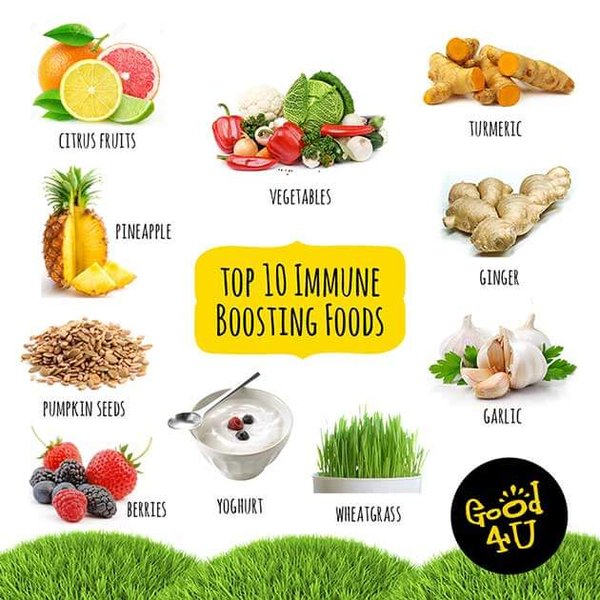
A diet rich in diverse, colorful whole foods provides the nutrients needed for optimal immune function.
Essential Nutrients for Immunity
- Vitamin C: Found abundantly in citrus fruits (oranges, grapefruit), strawberries, bell peppers, broccoli, and kiwi. It's crucial for stimulating the production and function of white blood cells, which are key players in fighting infections.
- Vitamin D: Often called the "sunshine vitamin," it plays a vital role in regulating immune responses and enhancing the pathogen-fighting effects of immune cells. Sources include fatty fish (salmon, mackerel), fortified foods (milk, cereals), and moderate sun exposure. Supplementation might be necessary, especially in regions with limited sunlight, but consult a doctor first.
- Zinc: Essential for the development and communication of immune cells. Good sources include lean meats, shellfish, legumes (beans, lentils), nuts, seeds, and whole grains.
- Vitamin E: A powerful antioxidant found in nuts, seeds, and spinach, helping protect cells from damage.
- Selenium: Found in Brazil nuts, seafood, and lean meats, it plays a role in lowering oxidative stress.
- Protein: Adequate protein intake (from sources like fish, poultry, beans, nuts, and eggs) is necessary for building and repairing body tissues and producing antibodies and immune cells.
- Omega-3 Fatty Acids: Found in fatty fish, flaxseeds, and walnuts, these fats help regulate inflammation and enhance immune cell function.
Gut Health: The Immune System's Second Brain
A significant portion of your immune system resides in your gut. Maintaining a healthy gut microbiome is therefore crucial for overall immunity. Fermented foods containing live cultures (probiotics), such as yogurt, kefir, sauerkraut, and kimchi, can introduce beneficial bacteria that help regulate immune responses and crowd out harmful pathogens.
Limit Added Sugars and Processed Foods
Excessive intake of added sugars and highly processed foods can contribute to chronic inflammation and conditions like obesity and type 2 diabetes, which are known to impair immune function. Prioritizing whole, unprocessed foods helps keep inflammation in check and supports a healthier immune response.
Key Immune-Boosting Foods Table
Incorporating a variety of nutrient-dense foods is the best way to ensure you're getting the vitamins, minerals, and antioxidants needed for a robust immune system. Here’s a table summarizing some key foods and their benefits:
| Food Group | Examples | Key Nutrients/Compounds | Immune Benefit |
|---|---|---|---|
| Citrus Fruits | Oranges, Grapefruit, Lemons, Limes | Vitamin C | Boosts white blood cell production. |
| Berries | Blueberries, Strawberries, Raspberries | Antioxidants (Flavonoids), Vitamin C | Reduce inflammation and cell damage. |
| Leafy Greens | Spinach, Kale, Swiss Chard | Vitamins A, C, E, K, Folate, Iron | Support overall immune cell function. |
| Cruciferous Vegetables | Broccoli, Brussels Sprouts, Cabbage | Vitamins C, K, Sulforaphane | Enhance detoxification and antioxidant pathways. |
| Red Bell Peppers | Red Bell Peppers | Vitamin C (higher than citrus), Beta-carotene | Strong antioxidant and immune support. |
| Garlic & Ginger | Garlic, Ginger | Allicin (Garlic), Gingerol (Ginger) | Anti-inflammatory and antimicrobial properties. |
| Yogurt & Fermented Foods | Yogurt (with live cultures), Kefir, Kimchi | Probiotics, Vitamin D (fortified yogurt) | Support gut health and regulate immune responses. |
| Nuts & Seeds | Almonds, Sunflower Seeds, Walnuts, Brazil Nuts | Vitamin E, Zinc, Selenium, Omega-3s | Provide antioxidants and essential minerals. |
| Fatty Fish | Salmon, Mackerel, Tuna | Omega-3 Fatty Acids, Vitamin D | Reduce inflammation, enhance immune cell activity. |
| Lean Protein | Poultry, Fish, Beans, Lentils | Protein, Zinc, Vitamin B6 | Essential for building immune cells and antibodies. |
| Green Tea | Green Tea | EGCG (Antioxidant) | Supports immune function, antioxidant properties. |
| Turmeric | Turmeric | Curcumin | Potent anti-inflammatory effects. |
Lifestyle Factors: Building a Foundation for Immunity
Move Your Body: The Role of Exercise
Regular, moderate physical activity is a powerful immune booster. Exercise improves circulation, allowing immune cells and substances to move through the body more efficiently and perform their functions effectively. It can also help reduce inflammation, manage stress, and improve sleep quality – all contributing to better immune health.

Regular moderate exercise enhances the circulation and function of immune cells.
Finding the Right Balance
- Aim for Moderation: Engage in activities like brisk walking, cycling, swimming, jogging, or yoga for about 30-60 minutes most days of the week.
- Avoid Overtraining: While moderate exercise is beneficial, prolonged or excessively intense exercise can temporarily suppress the immune system. Listen to your body and allow for adequate rest and recovery.
Prioritize Sleep: Rest and Repair
Sleep is crucial for immune function. During sleep, your body undergoes vital repair processes and releases proteins called cytokines, some of which help promote sleep while others are needed to fight infection and inflammation. Chronic sleep deprivation (less than 7 hours per night for adults) can weaken your immune system, making you more susceptible to illnesses and potentially reducing the effectiveness of vaccines.
Tips for Quality Sleep
- Stick to a Schedule: Go to bed and wake up around the same time each day, even on weekends.
- Create a Restful Environment: Keep your bedroom dark, quiet, and cool.
- Limit Screen Time Before Bed: The blue light emitted by screens can interfere with melatonin production.
- Manage Stress: Practice relaxation techniques before bed.
Manage Stress: Protect Your Defenses
Chronic stress takes a toll on your immune system. When you're stressed, your body releases hormones like cortisol, which, over prolonged periods, can suppress immune function and increase inflammation. Finding healthy ways to manage stress is essential for maintaining immune resilience.
Stress Management Techniques
- Mindfulness and Meditation: Practices like deep breathing and meditation can lower stress hormone levels.
- Yoga and Tai Chi: Combine physical movement with mindful breathing.
- Spending Time in Nature: Even short walks outdoors can reduce stress.
- Hobbies and Social Connection: Engaging in enjoyable activities and maintaining strong social ties are effective stress buffers.
- Humor: Anticipating or experiencing laughter can positively impact immune cells.
Stay Hydrated: Essential for Function
Water is vital for nearly every bodily function, including immunity. Staying hydrated helps transport nutrients to your cells, flush out waste products and toxins, and maintain healthy mucous membranes in your respiratory and digestive tracts, which act as a first line of defense against pathogens. Aim for adequate fluid intake throughout the day, primarily from water.
Avoid Harmful Habits
- Quit Smoking: Smoking damages lung tissue and impairs immune cells, significantly increasing the risk of infections, especially respiratory ones.
- Limit Alcohol Intake: Excessive alcohol consumption weakens the immune system and makes you more vulnerable to illness. If you drink, do so in moderation.
Proactive Protection: Vaccinations and Supplements
The Role of Vaccinations
Vaccines are one of the safest and most effective ways to "boost" your immune system against specific diseases. They work by introducing a harmless part of a pathogen (or instructions to make one) to your immune system, training it to recognize and fight the actual germ if you encounter it later. Staying up-to-date on recommended vaccinations, including annual flu shots and COVID-19 vaccines/boosters, provides crucial protection against serious illnesses.
Supplements: A Supporting Role, Not a Substitute
While a healthy diet should always be the primary source of nutrients, some supplements *may* offer additional support, particularly if dietary intake is insufficient or during times of increased need. Common supplements mentioned for immune support include:
- Vitamin C
- Vitamin D
- Zinc
- Elderberry
- Echinacea
- Medicinal Mushrooms (e.g., Reishi, Shiitake)
Important Note: There's no magic pill for immunity. Supplements should not replace a healthy lifestyle. Always consult with a healthcare provider before starting any new supplement, as they can interact with medications or have side effects, and excessive intake of certain vitamins can be harmful.
Visualizing Immune Support: Lifestyle Factor Impact
Different lifestyle factors contribute varying degrees to overall immune health. While all are important, some foundational elements like diet and sleep often have a broader impact. This radar chart provides a conceptual visualization of the relative importance of key factors in supporting a robust immune system, based on current scientific understanding. Higher scores indicate a greater perceived impact.
This chart highlights that while specific actions like vaccinations provide targeted defense, foundational habits like maintaining a balanced diet and getting sufficient sleep have a broad and significant positive impact on overall immune resilience.
Mapping Your Path to Immunity
Boosting your immune system involves integrating multiple healthy habits into your daily life. This mindmap provides a visual overview of the core strategies discussed, showing how different elements connect to support overall immune health.
(Fruits, Veggies, Colors)"] id1a1["Vitamins (C, D, E)"] id1a2["Minerals (Zinc, Selenium)"] id1a3["Antioxidants"] id1b["Gut Health"] id1b1["Probiotics (Yogurt, Fermented Foods)"] id1c["Lean Proteins & Healthy Fats"] id1d["Limit Added Sugars"] id2["Lifestyle Habits"] id2a["Regular Moderate Exercise"] id2a1["Improved Circulation"] id2a2["Reduced Inflammation"] id2b["Quality Sleep (7-9 hours)"] id2b1["Cytokine Production"] id2b2["Immune Cell Repair"] id2c["Stress Management"] id2c1["Meditation, Yoga"] id2c2["Hobbies, Nature"] id2d["Hydration"] id2e["Avoid Harmful Habits"] id2e1["Quit Smoking"] id2e2["Limit Alcohol"] id3["Preventive Measures"] id3a["Vaccinations"] id3a1["Flu Shot"] id3a2["COVID-19"] id3a3["Other Recommended"] id4["Supplements (Consult Doctor)"] id4a["Vitamin D, C, Zinc"] id4b["Elderberry, Echinacea"] id4c["Not a Substitute for Lifestyle"]
Expert Insights: Immune-Boosting Foods
Understanding which foods provide the most benefit can help you make smarter dietary choices. This video features a doctor explaining specific foods known to support immune health, aligning with the nutritional strategies discussed earlier.
The video emphasizes the importance of a balanced diet incorporating foods like citrus fruits, garlic, ginger, yogurt, and leafy greens, reinforcing the idea that whole foods are the best source of immune-supporting nutrients.
Frequently Asked Questions (FAQ)
Can you quickly "boost" your immune system? ▼
The concept of instantly "boosting" immunity is largely a myth promoted by marketing. Building a strong, resilient immune system is a long-term process that relies on consistent healthy habits like a balanced diet, regular exercise, adequate sleep, and stress management. While certain nutrients might offer support during illness, there are no shortcuts to robust immunity.
Are immune-boosting supplements necessary? ▼
For most healthy individuals eating a balanced diet, supplements are generally not necessary for immune health. It's best to get vitamins and minerals from whole foods. Supplements might be beneficial for individuals with specific deficiencies (like Vitamin D) or certain health conditions, but it's crucial to consult a healthcare provider before taking them. They cannot replace a healthy lifestyle.
How does stress impact immunity? ▼
Chronic stress negatively impacts the immune system. It triggers the release of stress hormones like cortisol, which, over time, can suppress immune cell activity, increase inflammation, and make you more susceptible to infections and slow down recovery from illness.
Which type of exercise is best for immunity? ▼
Regular, moderate-intensity exercise is most beneficial for the immune system. This includes activities like brisk walking, jogging, cycling, swimming, or dancing for about 30-60 minutes most days. Very high-intensity or prolonged exercise without adequate recovery can sometimes temporarily suppress immune function, so balance is key.
Is gut health really linked to the immune system? ▼
Yes, there is a strong connection. A large portion of the immune system is located in the gut (Gut-Associated Lymphoid Tissue or GALT). The gut microbiome (the trillions of bacteria living in your digestive tract) plays a critical role in training and regulating immune responses. A balanced microbiome, supported by fiber-rich foods and probiotics, helps maintain immune balance and protect against pathogens.
Recommended
- What specific foods are highest in vitamin D for immune support?
- How does chronic stress specifically affect different types of immune cells?
- What are the differences in immune benefits between moderate and intense exercise routines?
- What is the detailed role of probiotics and prebiotics in supporting gut health and immunity?
References

Last updated May 4, 2025