
Fortifying Your Fortress: Comprehensive Strategies to Enhance Your Immune System
Unlocking Your Body's Natural Defenses for Optimal Health and Resilience
Your immune system is an intricate and remarkable network of cells, tissues, and organs that diligently works to protect your body from harmful invaders like bacteria, viruses, and other pathogens. It's your body's natural shield against illness, constantly adapting and responding to threats. While the concept of "boosting" the immune system might sound like a simple fix, it's more accurately about optimizing its performance through a holistic approach to lifestyle and nutrition. This comprehensive guide will explore the most effective and scientifically-backed ways to strengthen your immune system, ensuring it operates at its peak capacity to keep you healthy and resilient.
Key Pillars of Immune Strength: Essential Insights
- Nutrient-Rich Diet: Consuming a diverse diet rich in fruits, vegetables, whole grains, lean proteins, and healthy fats provides essential vitamins, minerals, and antioxidants crucial for optimal immune cell function.
- Holistic Lifestyle Practices: Regular exercise, adequate sleep, effective stress management, and proper hydration are fundamental lifestyle habits that profoundly influence your immune system's ability to respond to threats.
- Vaccination Vigilance: Staying up-to-date with recommended vaccinations is a powerful way to prime your immune system against specific diseases, offering a proactive defense against various infections.
Nourishing Your Defenses: The Power of Diet
A well-balanced, nutrient-rich diet is arguably the cornerstone of a robust immune system. It provides the essential building blocks and fuel for immune cells to function efficiently. While no single "superfood" offers a magic bullet, a diverse intake of whole foods supplies a synergy of vitamins, minerals, and antioxidants that work together to bolster your body's natural defenses.
Essential Nutrients for Immune Health
Specific vitamins and minerals play critical roles in immune function. Ensuring adequate intake of these can significantly impact your body's ability to fight off illness.
Vitamin C: The Immune Champion
Vitamin C is a powerful antioxidant that encourages the production of white blood cells, which are vital for fighting infections. It also protects these immune cells from damage and strengthens the skin's barriers against pathogens. Excellent sources include:
- Citrus fruits (oranges, grapefruits, lemons)
- Red bell peppers (surprisingly, they often have more Vitamin C than oranges!)
- Broccoli
- Spinach
- Strawberries and other berries
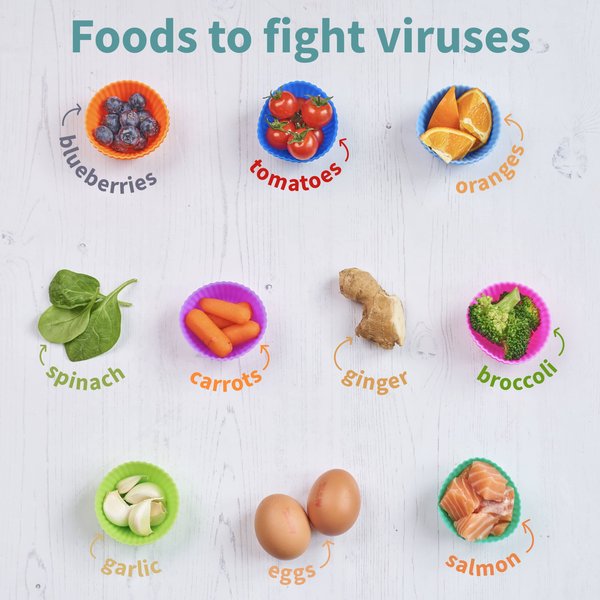
A vibrant selection of fruits and vegetables, rich in vitamins and antioxidants, crucial for immune support.
Vitamin D: The Immune Regulator
Often associated with bone health, Vitamin D also plays a crucial role in regulating the immune system and enhancing the body's natural defenses against diseases. Many people are deficient in Vitamin D, especially during colder months when sun exposure is limited. Sources include:
- Fatty fish (salmon, tuna, mackerel)
- Eggs
- Fortified milk and juices
- Mushrooms
Zinc: The Immune Modulator
Zinc is a mineral essential for the proper functioning of immune cells. It's involved in the development and function of white blood cells and helps regulate inflammation. Our bodies do not store or produce zinc, making dietary intake vital. Good sources include:
- Oysters (highest food content)
- Shellfish (crab, clams, lobster)
- Poultry (chicken, turkey)
- Red meat
- Beans and fortified cereals
Beta-Carotene: The Antioxidant Powerhouse
Beta-carotene is converted into Vitamin A in the body, which is vital for maintaining healthy mucous membranes, a crucial first line of defense against pathogens. It also acts as an antioxidant, protecting cells from damage. Foods rich in beta-carotene include:
- Sweet potatoes
- Carrots
- Spinach
- Broccoli
- Mangoes
Probiotics: Gut Health and Immunity
The gut microbiome plays a significant role in immune function. A healthy balance of gut bacteria can influence immune responses. Probiotic-rich foods introduce beneficial bacteria to your gut. Consider incorporating:
- Yogurt with live and active cultures
- Kefir
- Kombucha
- Tempeh
- Some cheeses
Immune-Boosting Food Highlights
Beyond specific nutrients, certain foods offer a combination of beneficial compounds that support overall immune health. Here's a table summarizing some top choices:
| Food Category | Key Nutrients/Compounds | Immune Benefits |
|---|---|---|
| Citrus Fruits (Oranges, Grapefruits) | Vitamin C | Increases white blood cell production, acts as antioxidant. |
| Red Bell Peppers | Vitamin C, Beta-Carotene | Potent antioxidant, supports mucous membrane health. |
| Broccoli | Vitamins A, C, E, Antioxidants | Packed with vitamins and antioxidants, anti-inflammatory. |
| Garlic | Allicin (sulfur compounds) | Contains compounds with immune-boosting properties, anti-infectious. |
| Ginger | Gingerol (bioactive compounds) | Anti-inflammatory, may help with sore throats and inflammation. |
| Spinach | Vitamin C, Beta-Carotene, Antioxidants | Rich in antioxidants, supports infection-fighting ability. |
| Yogurt (with live cultures) | Probiotics, Vitamin D (fortified) | Supports gut health, which influences immune responses. |
| Almonds | Vitamin E, Zinc | Antioxidant, supports immune cell function. |
| Fatty Fish (Salmon, Tuna) | Omega-3 Fatty Acids, Vitamin D | Reduces inflammation, increases activity of white blood cells. |
| Turmeric | Curcumin | Powerful anti-inflammatory and antioxidant properties. |
Lifestyle: Beyond the Plate
While diet is crucial, a holistic approach to immune health extends far beyond what you eat. Lifestyle choices profoundly impact your immune system's resilience and effectiveness.
The Rest Factor: Prioritizing Sleep
Sleep is not merely a period of inactivity; it's a vital time for your body to repair and restore itself. During sleep, your body releases proteins called cytokines, which are essential for immune function. Chronic sleep deprivation can weaken your immune response, making you more susceptible to infections. Aim for 7 to 9 hours of quality sleep every night.
Movement and Immunity: The Benefits of Exercise
Regular, moderate physical activity can significantly enhance your immune system. Exercise increases the circulation of immune cells throughout your body, allowing them to detect pathogens more quickly. It also helps reduce stress and can improve sleep quality, indirectly benefiting immunity. Aim for 30 to 60 minutes of moderate-intensity exercise most days of the week, such as brisk walking, jogging, or cycling. However, extreme or prolonged high-intensity exercise can temporarily suppress the immune system, so balance is key.
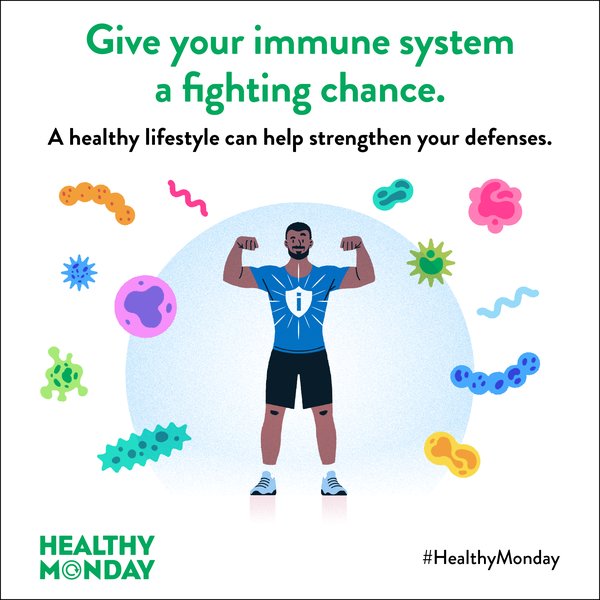
Promoting a balanced approach to immune health through regular exercise, sufficient rest, and nutritious eating.
Conquering Stress: Its Impact on Immunity
Chronic stress can have a detrimental effect on your immune system. When stressed, your body produces hormones like cortisol, which can suppress immune function over time. Finding healthy ways to manage stress is vital for immune health. Techniques include:
- Mindfulness and meditation
- Yoga or tai chi
- Spending time in nature
- Engaging in hobbies or activities you enjoy
- Maintaining strong social connections
Hydration: The Unsung Hero
Proper hydration is crucial for overall bodily functions, including those of the immune system. Water helps produce lymph, which carries white blood cells and other immune cells throughout the body. It also ensures that immune-boosting nutrients can reach the cells where they are needed most. Aim to drink plenty of fluids throughout the day, including water, herbal teas, and high-water-content foods like fruits and vegetables.
Radar Chart: The Synergy of Immune Support Factors
The immune system's strength is a result of a harmonious interplay of various factors. This radar chart visually represents how different lifestyle components contribute to overall immune resilience. It emphasizes that while diet is a strong pillar, neglecting other areas can create vulnerabilities.
Vaccination: A Proactive Immune Strategy
While diet and lifestyle support overall immune health, vaccination is a specific and highly effective way to prime your immune system against particular diseases. Vaccines work by introducing a weakened or inactive form of a pathogen, or parts of it, allowing your immune system to develop antibodies and memory cells without causing illness. This prepares your body to mount a swift and effective response if it encounters the actual pathogen in the future. Staying up-to-date on recommended vaccines, including annual flu shots and COVID-19 boosters, is a crucial component of immune protection.
A Mayo Clinic Minute video explaining how to maintain a healthy immune system, highlighting proactive measures.
This video from the Mayo Clinic Health System provides a concise overview of how the body's immune system functions and offers practical tips for maintaining its health. It underscores the importance of a balanced approach, encompassing healthy eating, regular physical activity, and other lifestyle factors, to bolster your body's natural defenses against various infections and harmful elements. The video emphasizes that a well-supported immune system is better equipped to protect you from illness.
Factors to Approach with Caution
It's important to differentiate between genuinely supportive practices and those that might be misleading or ineffective. The idea of "boosting" the immune system sometimes leads to misconceptions, particularly regarding supplements.
Supplements: Not a Magic Bullet
While certain vitamins and minerals are crucial for immune function, taking high doses of supplements without a proven deficiency is generally not recommended and can sometimes be harmful. A healthy, balanced diet is the best way to obtain these nutrients. Most research suggests that supplements are only truly beneficial if you have a known deficiency. Products claiming to offer a "magic" immune boost should be approached with skepticism, as the immune system is a complex network that thrives on balance, not overstimulation.
Avoiding Harmful Habits
Just as healthy habits can strengthen your immune system, detrimental ones can weaken it. To optimize your immune response, it's advisable to:
- Avoid smoking: Smoking compromises immune function and increases susceptibility to infections.
- Limit alcohol consumption: Excessive alcohol intake can impair immune responses.
- Maintain a healthy weight: Obesity can be linked to impaired immune function and chronic inflammation.
Frequently Asked Questions (FAQ)
What is the most effective way to boost immunity?
Can certain foods truly make my immune system stronger?
Are immune-boosting supplements necessary?
How does stress affect my immune system?
Is exercise always good for immunity?
Conclusion
Cultivating a strong immune system is an ongoing commitment to a healthy lifestyle rather than a quick fix. By prioritizing a diverse and nutrient-rich diet, engaging in regular physical activity, ensuring adequate sleep, effectively managing stress, and staying hydrated, you empower your body's natural defenses to function optimally. Coupled with proactive measures like staying current on vaccinations, these comprehensive strategies create a resilient internal environment, allowing your immune system to effectively protect you from illness and promote overall well-being. Remember, balance and consistency across all these areas are key to unlocking your body's full immune potential.
Recommended Further Exploration
- Explore the intricate connection between gut health and immune system function.
- Investigate how prolonged stress influences the body's defensive mechanisms.
- Discover the specific physiological advantages of balanced physical activity for immunity.
- Delve deeper into the micronutrients that are indispensable for a robust immune system.
References
Last updated May 21, 2025