
Fortifying Your Fortress: A Comprehensive Guide to Bolstering Your Immune System
Unlocking Your Body's Natural Defenses for Optimal Health and Resilience
Key Highlights for Immune System Enhancement
- Holistic Lifestyle is Paramount: The most effective strategies for immune support revolve around a balanced lifestyle, encompassing nutritious eating, regular exercise, adequate sleep, and effective stress management, rather than relying on quick fixes or excessive supplementation.
- Nutrition as Foundation: A diet rich in a variety of fruits, vegetables, whole grains, lean proteins, and healthy fats provides the essential vitamins, minerals, and antioxidants necessary for robust immune function.
- Beyond Diet: Physical activity, sufficient rest, and stress reduction are equally critical. These elements work synergistically to maintain the delicate balance and harmony required for your immune system to perform optimally.
Your immune system is an intricate and remarkable network of organs, cells, proteins, and chemicals constantly working to defend your body against disease-causing microorganisms like bacteria and viruses. It acts as your body's natural shield against illness, adapting and evolving as you encounter various microbes throughout your life. While there's no single "magic pill" or quick fix to instantly supercharge your immunity, adopting a holistic approach to your health can significantly strengthen your body's natural defenses and enhance its ability to ward off infections and maintain overall well-being. This comprehensive guide will explore the most effective, evidence-backed strategies to boost your immune system, focusing on sustainable lifestyle changes rather than unproven remedies.
Nourishing Your Immune System: The Power of Diet
Fueling Your Defenses with Intentional Eating
A well-balanced, nutrient-rich diet is the cornerstone of a strong immune system. The foods you consume provide the vital vitamins, minerals, and antioxidants your body needs to produce infection-fighting white blood cells and support overall immune function. While no single food can "boost" immunity on its own, a diverse diet contributes significantly to your body's resilience.
 A diverse array of colorful fruits and vegetables, signifying a healthy diet essential for bolstering the immune system.
Essential Vitamins and Minerals for Immune Health
- Vitamin C: Known for increasing the production of white blood cells, vitamin C is a powerful antioxidant. Citrus fruits, red bell peppers, broccoli, spinach, and papaya are excellent sources. Since your body doesn't produce or store it, daily intake is crucial.
- Vitamin D: This fat-soluble nutrient is essential for immune system health and functioning. While some is available in dairy and eggs, supplements are often recommended, especially in winter. Fortified yogurts can also be a good source.
- Zinc: Vital for immune cell development and function, zinc can be found in lean meats, nuts (like almonds and walnuts), seeds (like sunflower seeds), and whole grains.
- Vitamin A: Important for the integrity of mucous membranes, which serve as a first line of defense against pathogens. Foods rich in vitamin A include leafy green vegetables and brightly colored vegetables.
- B Vitamins (especially B6 and B12): These play a role in various metabolic functions, including those supporting immune cell production. Fish, lean poultry, and beef are good sources.
Immune-Boosting Food Categories
Aim for five to nine servings of fruits and vegetables daily to provide these essential nutrients. Incorporate a wide variety to ensure a broad spectrum of benefits.
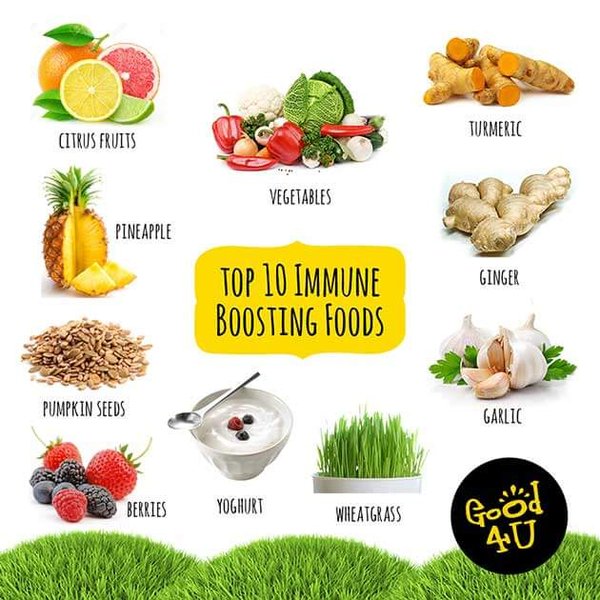
- Citrus Fruits: Oranges, grapefruits, lemons, and limes are packed with Vitamin C.
- Red Bell Peppers: Surprisingly, they contain more Vitamin C than citrus fruits.
- Broccoli: Rich in vitamins A, C, and E, as well as fiber and antioxidants.
- Garlic: Contains sulfur-containing compounds like allicin, known for their immune-boosting properties.
- Ginger: Possesses anti-inflammatory and immune-modulating effects.
- Spinach: High in Vitamin C, antioxidants, and beta-carotene.
- Yogurt and Fermented Foods: Look for "live and active cultures" as they improve gut health, which is intricately linked to immune function. Kefir and other fermented foods also contribute to a healthy gut microbiome.
- Almonds: A good source of Vitamin E, another powerful antioxidant.
- Fish (Salmon, Tuna, Mackerel): High in Omega-3 fatty acids, which can increase the activity of white blood cells that fight infection.
- Nuts and Seeds: Provide vitamins (B-6), and minerals (magnesium, phosphorus, selenium) that regulate and maintain your immune system.
- Olive Oil: A healthy fat that supports overall health, including immune function.
The Crucial Role of Lifestyle Habits
Beyond the Plate: Pillars of Immune Resilience
While diet is foundational, a robust immune system thrives on a combination of healthy lifestyle choices. These habits work in concert to support your body's natural defenses.
The Power of Physical Activity
Regular, moderate exercise significantly contributes to general good health and, consequently, to a healthy immune system. Exercise increases blood circulation, which helps immune cells move through the body more efficiently, potentially detecting germs more quickly. It also helps reduce stress and maintain a healthy weight, both of which positively impact immunity.
 Engaging in regular physical activity, a cornerstone of a robust immune system.
Aim for moderate intensity exercise for around 30 to 60 minutes several days a week. Examples include brisk walking, steady cycling, jogging, swimming, and light hiking. It's important to note that prolonged, intense exercise can temporarily suppress the immune system, so moderation is key.
The Restorative Magic of Sleep
Adequate sleep is paramount for immune function. When you sleep, your body has a chance to restore and boost the production of its natural defenses. Chronic sleep deprivation can weaken your immune system, making you more susceptible to infections like colds and respiratory illnesses. Adults should aim for 7 to 9 hours of quality sleep every night.
Conquering Stress for Better Immunity
Chronic stress can significantly weaken your immune system by reducing the number of infection-fighting cells in your body. Finding effective ways to manage stress is vital for immune health. Strategies include:
- Meditation and mindfulness
- Listening to music
- Journaling
- Spending time in nature
- Engaging in hobbies and activities you enjoy
- Maintaining strong social connections and nurturing relationships
Factors That Can Weaken Your Immune System
Avoiding Habits That Undermine Your Defenses
Just as healthy habits can boost immunity, certain practices can compromise it. Being aware of these can help you make informed choices for your health:
- Smoking: Smoking significantly weakens the immune system and makes individuals more susceptible to various infections.
- Excessive Alcohol Consumption: Alcohol can impair immune function and disrupt the body's ability to fight off pathogens.
- Processed Foods and Poor Diet: A diet high in processed foods, sugar, and unhealthy fats can lead to inflammation and nutrient deficiencies that hinder immune responses.
- Lack of Sleep: Insufficient or poor-quality sleep consistently weakens the body's defenses.
- Chronic Stress: Prolonged stress elevates cortisol levels, which can suppress immune activity.
- Unhealthy Weight: Carrying excess weight places additional stress on various bodily systems, including the immune system.
This video from "Immune System Busters - 4 Things That Can Weaken Your..." highlights key factors that can compromise your immune system, emphasizing the importance of avoiding harmful habits to maintain strong defenses.
The Role of Vaccination and Hygiene
Proactive Measures for Immune Protection
Beyond lifestyle, proactive measures play a critical role in supporting your immune system and preventing illness.
Vaccinations: Priming Your Defenses
Vaccines are one of the most effective ways to prime your immune system to fight off specific infections before they take hold. Staying up-to-date on recommended vaccinations, such as the annual flu shot and COVID-19 boosters, is crucial. Vaccines introduce a weakened or inactivated form of a pathogen, allowing your immune system to develop antibodies without experiencing the full illness.
Practicing Good Hygiene
Preventing germs from entering your body in the first place is a simple yet powerful way to protect your immune system. Key hygiene practices include:
- Frequent Handwashing: Wash your hands thoroughly with warm, soapy water for at least 20 seconds, especially after coughing, sneezing, using the restroom, and before eating.
- Using Hand Sanitizer: If soap and water aren't available, use an alcohol-based hand sanitizer.
- Avoiding Touching Face: Minimize touching your eyes, nose, and mouth to prevent germ entry.
- Disinfecting Surfaces: Regularly clean and disinfect frequently touched surfaces.
- Avoiding Sick Individuals: Maintain distance from people who are ill to prevent transmission.
Understanding Supplements and Immunity
The Realities of Immune-Boosting Supplements
While many products claim to "boost" immunity, the scientific community generally agrees that there's no magic supplement that can drastically enhance your immune response beyond what a healthy diet and lifestyle provide. For individuals with nutritional deficiencies, supplements like vitamin C, vitamin D, and zinc can be beneficial, but for most healthy individuals, obtaining these nutrients from whole foods is always preferred. Taking high doses of vitamins or herbal remedies can sometimes be harmful, so always consult a healthcare professional before taking any supplements.
A Snapshot of Immune-Boosting Strategies
Comparing Different Approaches
To better understand the relative impact of various immune-boosting strategies, consider the following radar chart, which provides an opinionated analysis of their effectiveness and foundational importance. This chart is based on the aggregated insights from multiple health resources, highlighting that while some factors have a direct and powerful effect, others provide essential foundational support.
As illustrated in the radar chart, a nutrient-rich diet, regular exercise, adequate sleep, effective stress management, and staying up-to-date on vaccinations are depicted as having the highest impact on immune system strength. While hygiene practices and maintaining a healthy weight also play significant roles, the core lifestyle factors form the strongest foundation for robust immunity.
Summary of Immune-Boosting Habits
A Consolidated View of Best Practices
The following table summarizes the key strategies for maintaining a strong immune system, detailing their primary benefits and practical applications.
| Strategy | Primary Benefits for Immunity | Practical Application |
|---|---|---|
| Balanced Diet | Provides essential vitamins, minerals, and antioxidants; supports white blood cell production; aids gut health. | Eat a wide variety of fruits, vegetables (5-9 servings daily), whole grains, lean proteins, and healthy fats. Focus on Vitamin C, D, A, Zinc, and B vitamins. |
| Regular Exercise | Increases circulation of immune cells; reduces stress; helps maintain healthy weight. | Aim for 30-60 minutes of moderate exercise several days a week (e.g., brisk walking, jogging, cycling). |
| Adequate Sleep | Allows the body to restore and boost natural defenses; prevents immune suppression. | Get 7-9 hours of quality sleep nightly for adults. Establish a consistent sleep schedule. |
| Stress Management | Reduces cortisol levels that suppress immunity; promotes overall well-being. | Practice mindfulness, meditation, yoga, hobbies; nurture social connections; seek professional help if needed. |
| Vaccinations | Primes the immune system to fight specific infections before they take hold. | Stay up-to-date on recommended vaccines, including annual flu shots and COVID-19 boosters. |
| Good Hygiene | Prevents entry of harmful pathogens into the body. | Wash hands frequently, avoid touching face, disinfect surfaces, avoid close contact with sick individuals. |
| Maintain Healthy Weight | Reduces systemic stress on the body; supports overall immune function. | Combine healthy eating with regular exercise to achieve and maintain a healthy body mass index. |
| Moderate Alcohol Intake | Prevents immune system impairment caused by excessive alcohol. | If you drink alcohol, do so in moderation. |
| Quit Smoking | Eliminates a major factor that weakens the immune system. | Seek support to quit smoking; consult a healthcare professional for guidance. |
Frequently Asked Questions About Immune System Boosting
Does taking vitamin supplements truly boost my immune system?
Can stress really impact my immune system?
Is intense exercise better for immunity than moderate exercise?
Are there "magic foods" that can instantly make my immune system stronger?
How important is sleep for immune health?
Recommended Further Exploration
- Explore the intricate science behind how the human immune system functions.
- Delve deeper into the fascinating connection between gut health and a robust immune response.
- Discover advanced strategies and emerging research in immune system support.
- Learn how managing chronic inflammation can significantly benefit your immune system.
References
Last updated May 21, 2025