
Best Ways to Boost Your Immune System
Comprehensive Strategies for Enhancing Immune Health
Key Takeaways
- Balanced Nutrition: Incorporating a variety of fruits, vegetables, and whole grains provides essential vitamins and antioxidants that support immune function.
- Regular Physical Activity: Engaging in moderate exercise enhances lymphatic circulation and stimulates the production of immune cells.
- Adequate Sleep and Stress Management: Ensuring 7-9 hours of quality sleep and managing stress through mindfulness practices are crucial for maintaining a robust immune system.
1. Nutrition: Foundation of Immune Health
Essential Nutrients and Their Sources
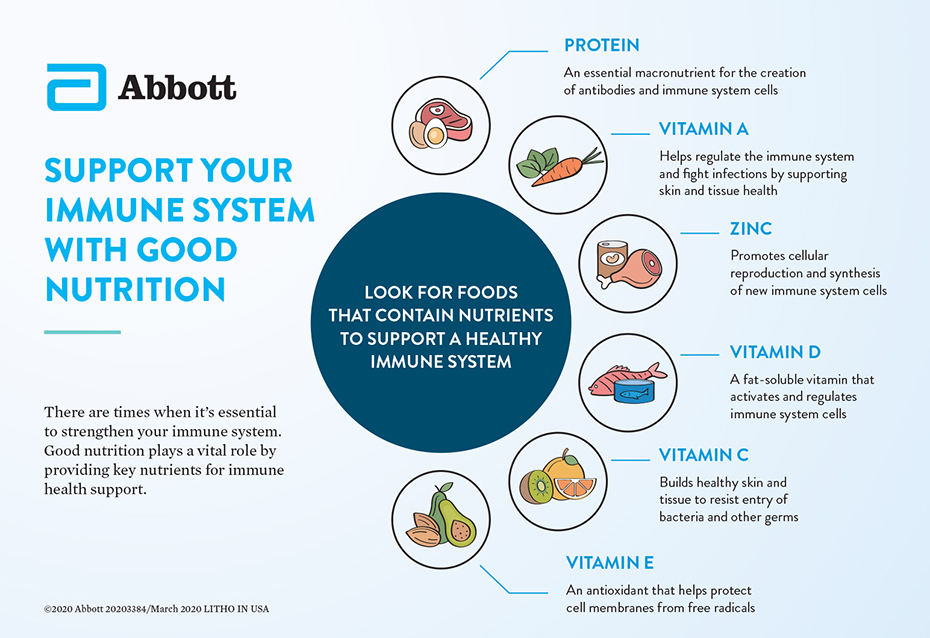
A well-balanced diet is pivotal in fortifying the immune system. Key nutrients play specific roles in immune defense mechanisms:
| Vitamin/Mineral | Role in Immune Function | Food Sources |
|---|---|---|
| Vitamin C | Enhances the production of white blood cells and acts as an antioxidant. | Citrus fruits, strawberries, bell peppers, broccoli |
| Vitamin D | Modulates the immune response and reduces inflammation. | Sunlight exposure, fortified dairy products, fatty fish |
| Vitamin E | Protects cell membranes from oxidative damage. | Nuts, seeds, spinach, broccoli |
| Zinc | Crucial for the development and function of immune cells. | Meat, shellfish, legumes, seeds |
| Beta-Carotene | Converts to vitamin A, supporting skin and mucous membrane integrity. | Sweet potatoes, carrots, leafy greens |
| Antioxidants | Combat oxidative stress and reduce inflammation. | Berries, dark chocolate, pecans, artichokes |
Immune-Boosting Foods
Incorporating specific foods known for their immune-enhancing properties can provide additional support:
- Citrus Fruits: High in vitamin C, they boost the production of white blood cells.
- Leafy Greens: Rich in vitamins C and E, as well as beta-carotene.
- Garlic and Ginger: Possess anti-inflammatory and antimicrobial properties.
- Probiotic Foods: Yogurt, kombucha, and sauerkraut support gut health, which is linked to immune function.
- Fatty Fish: Salmon and tuna provide omega-3 fatty acids that reduce inflammation.
- Nuts and Seeds: Sources of vitamin E and essential fatty acids.
2. Regular Physical Activity
Benefits of Moderate Exercise
Engaging in regular physical activity is not only beneficial for overall health but specifically enhances the immune system by:
- Increasing lymphatic circulation, facilitating the movement of immune cells throughout the body.
- Stimulating the production of antibodies and white blood cells.
- Reducing inflammation and promoting a healthy stress response.
Types of Effective Exercises
Incorporating a mix of cardiovascular and strength training exercises ensures comprehensive immune support:
- Cardio Exercises: Brisk walking, cycling, and swimming for heart health and lymphatic flow.
- Strength Training: Weight lifting and resistance exercises to maintain muscle mass and metabolic health.
- Flexibility and Balance: Yoga and tai chi to enhance mental well-being and reduce stress.
3. Adequate Sleep and Stress Management
Importance of Quality Sleep
Sleep is a critical component of immune health, as it allows the body to repair and regenerate immune cells. Key aspects include:
- Sleep Duration: Aim for 7-9 hours per night to ensure optimal immune function.
- Sleep Quality: Maintain a regular sleep schedule and create a restful environment to enhance sleep quality.
- Impact of Sleep Deprivation: Increases susceptibility to infections and impairs immune response.
Effective Stress Management Techniques
Chronic stress can suppress the immune system, making effective stress management essential:
- Meditation: Practices such as mindfulness meditation can reduce stress hormones and improve immune function.
- Yoga: Combines physical poses with breathing exercises to alleviate stress and enhance well-being.
- Deep Breathing: Helps activate the parasympathetic nervous system, promoting relaxation and immune support.
- Journaling: Writing about feelings and experiences can help process emotions and reduce stress.
- Engaging in Hobbies: Activities that bring joy and relaxation can mitigate stress levels.
4. Hydration and Lifestyle Habits
Staying Hydrated
Proper hydration is essential for maintaining bodily functions, including immune responses:
- Water Intake: Aim for at least 8 glasses of water daily to support nutrient transport and toxin elimination.
- Hydrating Foods: Incorporate fruits and vegetables with high water content, such as cucumbers and watermelon.
- Avoid Dehydrants: Limit consumption of caffeine and alcohol, which can lead to dehydration.
Healthy Lifestyle Choices
Adopting healthy habits contributes significantly to immune health:
- Avoid Smoking: Tobacco use impairs the immune system and increases vulnerability to infections.
- Limit Alcohol Consumption: Excessive alcohol can weaken immune defenses and hinder recovery from illnesses.
- Maintain a Healthy Weight: Obesity is linked to impaired immune function and increased inflammation.
- Good Hygiene Practices: Regular handwashing, proper sanitation, and personal cleanliness reduce exposure to pathogens.
- Stay Up-to-Date on Vaccines: Immunizations are crucial for preventing specific diseases and training the immune system.
5. Supplements and Preventive Measures
Supplementation
While a balanced diet is the best source of nutrients, certain supplements can provide additional immune support:
- Vitamin C Supplements: Can enhance the immune response, especially during periods of stress or illness.
- Vitamin D Supplements: Important for individuals with limited sun exposure, as vitamin D plays a role in immune modulation.
- Zinc Supplements: May reduce the duration of common cold symptoms and support immune cell function.
- Probiotics: Support gut health, which is closely linked to immune function.
- Consult Healthcare Providers: Always seek professional advice before starting any supplement regimen to avoid interactions and ensure proper dosing.
Preventive Healthcare
Engaging in preventive measures can proactively bolster the immune system:
-
Vaccinations: Stay current with recommended vaccines to protect against specific pathogens.
-
Regular Health Check-ups: Monitor and manage chronic conditions that may impair immune function.
-
Environmental Hygiene: Ensure living and working spaces are clean to minimize exposure to infectious agents.
Conclusion
Enhancing the immune system involves a multifaceted approach that includes maintaining a balanced and nutrient-rich diet, engaging in regular physical activity, ensuring adequate sleep, managing stress effectively, and adopting healthy lifestyle habits. Additionally, staying hydrated, avoiding harmful substances, practicing good hygiene, and considering appropriate supplements can further support immune health. By integrating these strategies into daily routines, individuals can strengthen their body's natural defenses and improve overall well-being.
References
Last updated February 11, 2025