
Best Ways to Boost Self-Confidence
Unlock Your Potential with Proven Strategies
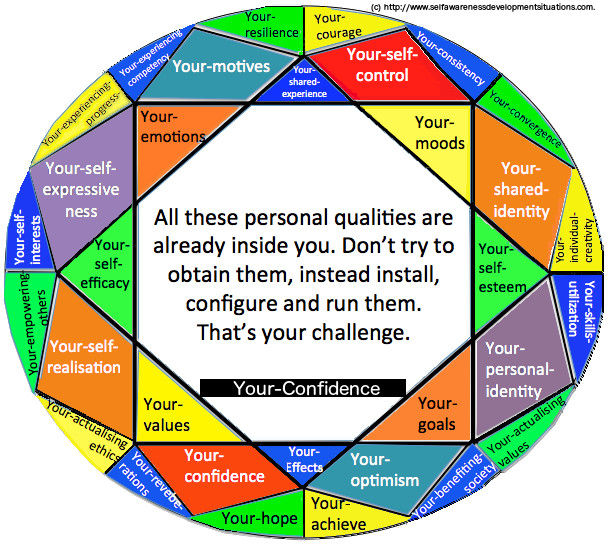
Key Takeaways
- Positive Mindset: Cultivating self-compassion and challenging negative thoughts forms the foundation of self-confidence.
- Goal Achievement: Setting realistic goals and celebrating small victories enhance your sense of accomplishment.
- Support Systems: Building a network of supportive relationships and engaging in self-care practices significantly boost self-esteem.
1. Cultivating a Positive Mindset
1.1. Practicing Self-Compassion
Self-compassion involves treating yourself with the same kindness and understanding that you would offer a friend. It means acknowledging your imperfections and recognizing that making mistakes is a natural part of the human experience. By adopting a self-compassionate approach, you reduce harsh self-criticism and create a supportive inner environment that fosters growth and resilience.
1.2. Challenging Negative Self-Talk
Negative self-talk can undermine your confidence by reinforcing limiting beliefs about yourself. To combat this, become aware of your inner dialogue and actively replace negative statements with positive or realistic affirmations. For example, if you catch yourself thinking, "I always fail," you can reframe it to, "I have succeeded in the past, and I can learn from my experiences."
2. Setting and Achieving Goals
2.1. Setting Realistic Goals
Establishing clear, achievable goals provides direction and purpose. Break down larger objectives into smaller, manageable tasks to create a sense of progression. This incremental approach allows you to experience regular successes, which can boost your confidence and motivate you to pursue more ambitious goals.
2.2. Celebrating Successes
Recognizing and celebrating your accomplishments, no matter how small, reinforces your sense of achievement and self-worth. Take time to acknowledge your efforts and the progress you've made. This positive reinforcement encourages continued perseverance and strengthens your belief in your abilities.
3. Enhancing Physical Wellbeing
3.1. Regular Physical Activity
Engaging in regular exercise has numerous benefits for both physical and mental health. Physical activity releases endorphins, which are natural mood lifters, and can improve your overall sense of well-being. Choose activities that you enjoy, whether it's walking, yoga, or sports, to make exercise a sustainable part of your routine.
3.2. Nutrition and Sleep
Maintaining a balanced diet and ensuring adequate sleep are crucial for optimal brain function and emotional stability. Proper nutrition fuels your body and mind, while restful sleep enhances cognitive performance and mood regulation. Prioritize eating nutritious foods and establish a consistent sleep schedule to support your confidence-building efforts.
4. Building Supportive Relationships
4.1. Surrounding Yourself with Positive People
The company you keep can significantly influence your self-esteem. Surround yourself with individuals who uplift you, provide constructive feedback, and encourage your growth. Positive relationships create a supportive environment that fosters confidence and personal development.
4.2. Seeking Mentors and Communities
Engaging with mentors and joining supportive communities can offer valuable guidance and perspectives. Mentors can provide insights based on their experiences, while communities offer a sense of belonging and shared goals. These connections can bolster your confidence by providing encouragement and a platform for growth.
5. Developing Skills and Competence
5.1. Continuous Learning
Committing to ongoing education and skill development enhances your competence and self-confidence. Whether pursuing professional certifications, taking up a new hobby, or engaging in workshops, expanding your skill set provides a sense of accomplishment and reinforces your belief in your abilities.
5.2. Mastering New Skills
Learning new skills not only broadens your capabilities but also demonstrates your adaptability and resilience. Mastering a skill, no matter how simple, boosts your self-esteem by showcasing your capacity to set goals and achieve them.
6. Practicing Assertiveness and Setting Boundaries
6.1. Developing Assertiveness
Assertiveness involves expressing your needs and opinions confidently and respectfully. Learning to communicate assertively helps you advocate for yourself, reduces feelings of helplessness, and reinforces your sense of self-worth. Start by practicing small acts of assertiveness in low-stakes situations to build your confidence over time.
6.2. Setting Healthy Boundaries
Establishing clear boundaries is essential for maintaining your self-respect and emotional well-being. Define what behaviors you will and won't tolerate from others, and communicate these boundaries effectively. Healthy boundaries protect your energy and ensure that your interactions are respectful and supportive.
7. Engaging in Mindfulness and Meditation
7.1. Mindfulness Practices
Mindfulness involves being present in the moment without judgment. Practicing mindfulness can help you become more aware of your thoughts and feelings, promoting greater self-acceptance and reducing anxiety. Incorporate mindfulness techniques such as deep breathing, body scans, or mindful walking into your daily routine to enhance your self-confidence.
7.2. Meditation Techniques
Meditation can cultivate a calm and focused mind, which is instrumental in building self-confidence. Regular meditation practice helps manage stress, improve concentration, and foster a positive mindset. Experiment with different meditation styles to find what works best for you, whether it's guided meditation, transcendental meditation, or loving-kindness meditation.
8. Stepping Out of Your Comfort Zone
Facing your fears and embracing new challenges can significantly enhance your self-confidence. Stepping out of your comfort zone encourages personal growth, builds resilience, and demonstrates your ability to overcome obstacles. Start with small, manageable challenges and gradually take on more significant tasks as your confidence strengthens.
9. Tracking Progress and Journaling
Keeping a journal to document your achievements, positive experiences, and areas for improvement can provide valuable insights into your personal growth. Tracking your progress helps you recognize patterns, celebrate successes, and identify areas that may need additional focus. Regular journaling reinforces positive self-perception and keeps you motivated on your confidence-building journey.
10. Enhancing Physical Presence and Body Language
10.1. Dressing Confidently
The way you dress can influence your self-perception and how others perceive you. Wearing clothes that make you feel good and reflect your personal style can boost your confidence and improve your self-image. Choose outfits that are comfortable and appropriate for the occasions you attend to enhance your presence.
10.2. Adopting Power Poses
Body language plays a crucial role in conveying confidence. Adopting power poses—postures that open up your body and take up space—can enhance your perceived confidence and reduce feelings of anxiety. Practice standing tall with your shoulders back and maintaining open gestures to project self-assurance.
11. Helping Others and Volunteering
Engaging in acts of kindness and volunteering can boost your self-esteem by providing a sense of purpose and fulfillment. Helping others allows you to make meaningful contributions, fosters a sense of community, and reinforces your value. These positive interactions contribute to an overall increase in self-confidence.
12. Seeking Professional Help and Counseling
If self-confidence issues are deeply rooted or significantly impacting your life, seeking professional help can be beneficial. Therapists and counselors can offer personalized strategies to overcome limiting beliefs and unhealthy patterns. Cognitive Behavioral Therapy (CBT), for example, is effective in challenging and changing negative thought processes, leading to improved self-esteem.
13. Comprehensive Strategies Overview
| Strategy | Description | Benefits |
|---|---|---|
| Positive Self-Talk | Replace negative thoughts with positive affirmations. | Reduces self-doubt and fosters a positive self-image. |
| Goal Setting | Create and achieve realistic, manageable goals. | Enhances sense of accomplishment and direction. |
| Regular Exercise | Engage in physical activities you enjoy. | Boosts mood and overall well-being through endorphin release. |
| Supportive Relationships | Surround yourself with positive and encouraging people. | Provides emotional support and reinforces self-worth. |
| Mindfulness and Meditation | Practice being present and managing stress. | Enhances self-awareness and emotional regulation. |
| Skill Development | Learn and master new skills. | Builds competence and adaptability, increasing confidence. |
| Assertiveness Training | Learn to communicate your needs and set boundaries. | Reinforces self-respect and personal boundaries. |
| Volunteering | Engage in community service or helping others. | Provides a sense of purpose and fulfills altruistic desires. |
Conclusion
Boosting self-confidence is a multifaceted journey that involves nurturing a positive mindset, setting and achieving meaningful goals, enhancing physical and emotional well-being, and building a supportive network. By integrating these strategies into your daily life, you can cultivate a resilient and enduring sense of self-esteem. Remember, self-confidence develops through consistent effort and self-compassion, so be patient with yourself as you embark on this transformative path.
References
Last updated February 5, 2025