
Unlock Unshakeable Self-Belief: Your Ultimate Guide to Boosting Confidence
Discover actionable strategies rooted in psychology and expert advice to build lasting self-assurance.
Essential Insights
- Mindset is Foundational: Cultivating positive self-talk, practicing self-compassion, and challenging negative beliefs are crucial first steps.
- Action Breeds Confidence: Setting achievable goals, stepping outside your comfort zone, and developing new skills provide tangible proof of your capabilities.
- Holistic Well-being Matters: Prioritizing physical health through exercise, diet, and sleep significantly impacts how you feel about yourself.
Understanding and Cultivating Self-Confidence
Self-confidence is the trust you have in your own abilities, qualities, and judgment. It's not about arrogance or feeling superior to others; rather, it's a realistic and appreciative view of yourself. While often linked with self-esteem (your overall sense of self-worth), self-confidence specifically relates to your belief in your capacity to meet life's challenges and succeed. Building it is an active, ongoing process involving mindset shifts, behavioral changes, and self-care.
The Power of Mindset: Reshaping Your Inner Dialogue
Your internal narrative profoundly shapes your confidence levels. Shifting this dialogue from critical to supportive is a cornerstone of building self-assurance.
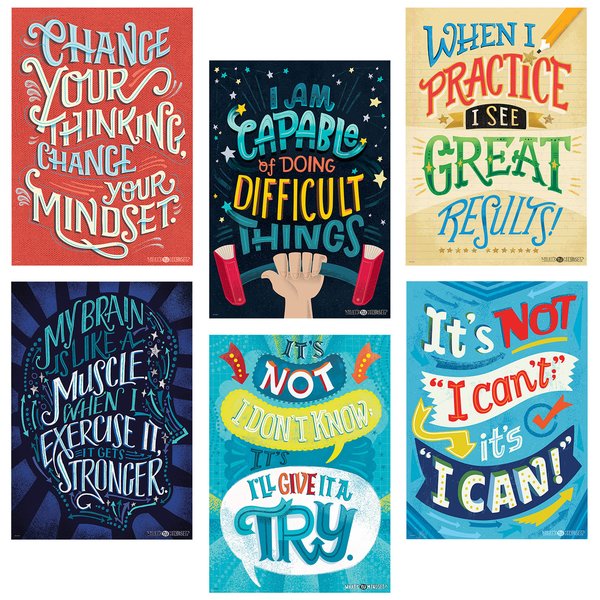
Inspirational posters emphasizing the power of a positive mindset.
Practice Self-Compassion
Treat yourself with the same kindness, concern, and support you’d offer a good friend facing challenges. Acknowledge that imperfection is part of being human. Self-compassion involves being mindful of your suffering, recognizing that suffering is a shared human experience, and being kind to yourself during difficult times. This reduces harsh self-criticism, a major confidence drain.
Master Positive Self-Talk
Become aware of your internal monologue. Negative self-talk often involves overly critical thoughts ("I always mess up," "I'm not smart enough"). Actively challenge these thoughts: Are they truly accurate? What evidence contradicts them? Replace them with balanced, encouraging, and realistic affirmations. Instead of "I can't do this," try "This is challenging, but I can learn and improve," or "I will do my best."
Challenge Limiting Beliefs
Many people hold deep-seated negative beliefs about themselves (e.g., "I'm not worthy," "I'm incapable"). These often stem from past experiences but may no longer be true. Identify these beliefs, question their origins and validity, and actively seek evidence that disproves them. Recognizing your strengths and past successes directly counters these limitations.
Stop Unhelpful Comparisons
Constantly comparing yourself to others, especially through the curated lens of social media, is detrimental to self-confidence. Everyone is on their own unique journey with different strengths, weaknesses, and circumstances. Focus on your own progress, goals, and values. Celebrate your achievements without measuring them against others'.
Taking Action: Building Confidence Through Experience
Confidence isn't just built through thinking; it's solidified through doing. Taking specific actions demonstrates your capabilities to yourself and builds a foundation of self-trust.
Set and Achieve Realistic Goals
Accomplishment is a powerful confidence booster. Start by setting small, specific, measurable, achievable, relevant, and time-bound (SMART) goals. Breaking down large ambitions into manageable steps prevents overwhelm and provides frequent opportunities for success.
Celebrate Every Victory
Acknowledge and celebrate your progress, no matter how small. Did you tackle a task you were avoiding? Did you speak up in a meeting? Recognize these as wins. Keeping a success journal where you list daily or weekly accomplishments can reinforce your sense of capability.
Step Outside Your Comfort Zone
Growth and confidence rarely happen within the confines of what feels easy and familiar. Gradually expose yourself to situations that provoke mild anxiety or discomfort. This could mean trying a new hobby, initiating conversations, volunteering for a challenging task, or public speaking.
Embrace Imperfection and Learn from Setbacks
Fear of failure often paralyzes action. Reframe mistakes and setbacks not as reflections of your inadequacy, but as valuable learning opportunities. Each time you try something new, even if you don't succeed perfectly, you build resilience and gather information for future attempts.
Develop Competence and Master New Skills
Feeling capable is intrinsically linked to confidence. Invest time in learning and practicing skills relevant to your goals or interests. Whether it's a professional skill, a creative pursuit, or a practical ability, mastering something new provides concrete evidence of your capacity to learn and grow.
Practice Assertiveness and Confident Body Language
How you communicate and carry yourself influences both how others perceive you and how you feel internally. Practice expressing your needs, opinions, and boundaries respectfully and clearly. Stand tall, maintain appropriate eye contact, use open gestures, and speak with a clear, steady voice. Sometimes, "acting" confident can actually help you *feel* more confident (often referred to as 'embodied cognition').
Mindmap: Key Areas for Confidence Building
This mindmap provides a visual overview of the interconnected strategies discussed for enhancing self-confidence, highlighting the multifaceted nature of this journey.
The Role of Physical Well-being
Your physical state has a direct impact on your mental and emotional state, including your self-confidence. Prioritizing your health is a form of self-respect that fuels self-belief.
Harness the Power of Exercise
Regular physical activity is consistently linked to improved mood, reduced anxiety, and enhanced self-esteem. Exercise releases endorphins, improves body image (regardless of actual changes), and fosters a sense of accomplishment and discipline.
Nourish Your Body
A balanced, nutrient-dense diet provides the energy needed to tackle challenges and supports overall brain health, impacting mood and cognitive function. Feeling physically strong and healthy translates to feeling more capable and confident.
Prioritize Sleep
Lack of quality sleep impairs emotional regulation, increases stress, and negatively affects cognitive performance, all of which can erode confidence. Aim for consistent, restful sleep to maintain emotional balance and mental clarity.
Attend to Your Appearance
While confidence is internal, feeling good about your external presentation can provide a boost. This isn't about conforming to societal standards, but about personal grooming and wearing clothes that make *you* feel comfortable, authentic, and put-together. Taking care of your appearance signals self-respect.
Leveraging Your Social Environment
The people you surround yourself with can either build you up or tear you down. Cultivating a positive social sphere is vital for nurturing confidence.
Surround Yourself with Supportive People
Seek out relationships with friends, family, mentors, or peers who are positive, encouraging, and believe in you. A strong support system provides validation, perspective, and encouragement during times of self-doubt.
Limit Exposure to Negativity
Distance yourself from individuals who are consistently critical, pessimistic, or undermining. Protect your energy and self-esteem by setting boundaries or reducing contact with those who drain your confidence.
Comparing Confidence-Building Strategies
Different strategies can impact confidence levels in various ways. This chart offers a conceptual look at the potential impact and effort involved across key areas. Note that individual experiences may vary, and these areas often work synergistically.
The chart suggests that while stepping out of your comfort zone and shifting your core mindset might require more effort, they often yield a high impact on confidence. Achieving goals and developing skills offer tangible proof of capability, while physical well-being and social support provide a crucial foundation.
Expert Insights on Building Self-Esteem
Understanding the psychological underpinnings of confidence can provide deeper insights. This video features a doctor discussing key secrets to building self-esteem, aligning with many of the strategies outlined above.
Doctor explaining practical secrets for building self-esteem and confidence.
The video delves into aspects like understanding the inner critic, the importance of self-acceptance, and practical techniques derived from clinical experience. It reinforces the idea that building confidence is an internal job that involves both psychological understanding and consistent practice of healthy habits and thought patterns.
Actionable Steps Table
To make these strategies more concrete, here's a table outlining specific actions you can take for each key area:
| Strategy Area | Actionable Step | Example |
|---|---|---|
| Positive Self-Talk | Identify & Reframe Negative Thoughts | Catch yourself thinking "I'm going to fail." Reframe to "This is a challenge, but I've prepared and can handle it." |
| Self-Compassion | Acknowledge Difficulty Kindly | Instead of harsh self-criticism after a mistake, say "This was tough, and it's okay that I struggled. What can I learn?" |
| Goal Setting | Break Down Large Goals | If your goal is to run a 5k, start with a goal of running for 5 minutes without stopping this week. |
| Celebrate Wins | Keep a Success Journal | At the end of each day, write down one thing you accomplished, no matter how small. |
| Comfort Zone Expansion | Take Small Social Risks | Initiate a brief conversation with a colleague you don't know well or ask a question in a group setting. |
| Skill Development | Dedicate Practice Time | Set aside 30 minutes three times a week to practice a new language, instrument, or software skill. |
| Physical Well-being | Schedule Exercise | Block out time in your calendar for a 20-minute walk, gym session, or home workout 3-4 times per week. |
| Assertiveness | Practice Saying "No" | Politely decline a request that overextends you or doesn't align with your priorities. |
| Social Support | Connect with Positive People | Schedule a coffee or call with a supportive friend or mentor this week. |
| Mindfulness | Practice Daily Awareness | Spend 5 minutes focusing on your breath or observing your thoughts without judgment. |
Integrating these small, consistent actions into your daily or weekly routine is key to building sustainable self-confidence over time.
Frequently Asked Questions (FAQ)
Recommended
- How does exercise specifically impact self-esteem and confidence?
- What are some effective techniques for challenging negative self-talk?
- Can mindfulness meditation help build long-term self-confidence?
- How to set achievable goals that actually boost confidence?
References
Last updated May 5, 2025