
Boredom Proneness and Psychological Distress: The Role of Age
Exploring the Complex Interplay Between Boredom, Psychological Well-Being, and Age
Key Insights
- Boredom Proneness Varies with Age: Although the link between boredom proneness and psychological distress remains strong across ages, the propensity to experience boredom itself tends to decrease as individuals grow older.
- Complex Multifactorial Relationships: While age influences boredom proneness, the relationship between boredom and negative psychological outcomes like anxiety and depression is more closely tied to individual traits and situational factors.
- Importance of Context and Life Stages: Life transitions and neurological development, rather than age alone, play critical roles in shaping an individual’s experience of boredom and associated distress.
Introduction
The relationship between boredom proneness and psychological distress is a subject of significant interest within the field of psychology. A prevailing discussion has emerged around the influence of age on these phenomena. Some views argue that neither boredom proneness nor the degree of psychological distress is notably influenced by age. However, current research indicates that while the association between boredom proneness and forms of psychological distress—such as anxiety, depression, and stress—remains robust across all ages, the tendency to experience boredom does indeed change as individuals age.
This in-depth exploration will synthesize findings from recent research to provide clarity on this topic. In doing so, it will highlight how boredom proneness shifts with age, the complexities associated with psychological distress, and the roles various moderating factors play in this relationship. The discussion is structured to elaborate on key theoretical frameworks, relevant empirical findings, and methodological considerations, thereby offering a comprehensive analysis of this intricate subject.
Understanding Boredom Proneness Across the Lifespan
Defining Boredom Proneness
Boredom proneness is defined as a tendency to experience boredom—a state characterized by feelings of restlessness, dissatisfaction, and a perceived lack of stimulation—across various situations. The experience of boredom is not merely a byproduct of idle moments; rather, it is intertwined with an individual’s personality, cognitive capacity, and the nature of their environment. Psychological distress is often related to this experience, manifesting as heightened anxiety, depression, and overall stress.
Age-Related Changes in Boredom Proneness
Research indicates that boredom proneness is subject to change with age. Notably, younger individuals, particularly adolescents and young adults, tend to report higher levels of boredom. These age-related differences are thought to be influenced by several factors:
Neurological Development
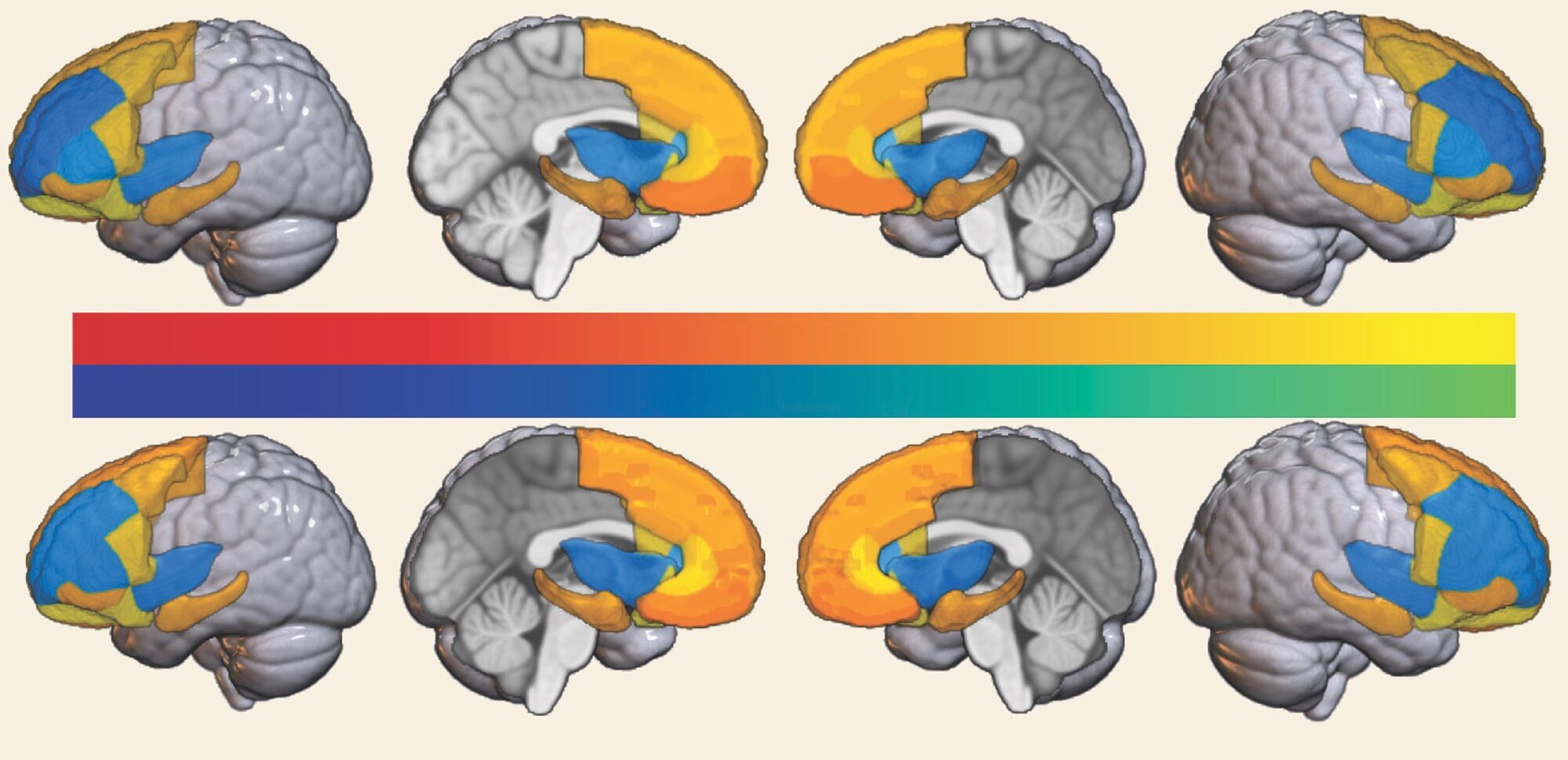
The maturation of brain regions, particularly the frontal cortex, plays a significant role in regulating attention and impulses. During adolescence and early adulthood, the development of these areas is still in progress. This incomplete maturation can increase susceptibility to boredom, as young individuals are still developing strategies to engage with their environment in personally meaningful ways.
Life Transitions and Environmental Factors
Life experiences and transitions significantly impact boredom proneness. For instance, the final stages of formal education, career beginnings, or changes in social roles can lead to varied experiences of boredom. These environmental factors may provide either increased stimulation and engagement or, conversely, lead to feelings of stagnation and restlessness. For older adults, increased responsibilities or a more established routine often follow from these transitions, which can result in decreased boredom proneness. Yet, it is important to note that reduced boredom in older adults does not automatically imply lower psychological distress.
Personal and Situational Differences
Beyond neurological development and life transitions, personal traits such as resilience, interest in new experiences, and prior coping strategies play crucial roles. While age can moderate some of these aspects, personal differences often have a more pronounced effect on boredom. For a comprehensive understanding, studies frequently examine boredom proneness in the context of individual assessments and situational analyses, revealing nuances in how different life stages shape one's experiences.
Boredom Proneness and Psychological Distress: The Interplay
Linking Boredom to Psychological Outcomes
A robust body of research illustrates that boredom proneness is significantly correlated with various forms of psychological distress. This correlation is observed across different age groups. Psychological distress includes elements such as anxiety, depression, stress, and loneliness. It is important, however, to distinguish between the influence of boredom proneness itself and the role that age plays in this dynamic.
The positive correlation between boredom proneness and psychological distress remains consistent regardless of age. That is, individuals who are more prone to feeling bored are also more likely to experience psychological discomfort. However, the driving factors behind these experiences are multifaceted.
Dissecting the Role of Age in Psychological Distress
There is a frequently debated notion that age might either amplify or attenuate the psychological impacts of boredom. Several aspects warrant discussion:
Age as a Moderator of Boredom Levels
Studies have repeatedly found that while the relationship between boredom proneness and psychological distress is stable, the level of boredom experienced tends to modify with age. Younger individuals, who report higher levels of boredom proneness, may also face more prominent episodes of psychological distress. Conversely, older individuals exhibit lower boredom proneness, which might seem to suggest lower psychological distress. However, older adults may face different, yet significant, sources of distress related to later life challenges such as health issues or social isolation. The complexity arises because boredom proneness is only one contributor among many to overall psychological distress.
Confounding Variables and Individual Differences
A critical aspect of studying boredom and psychological distress is the identification of confounding variables. Personal factors like socioeconomic status, social engagement, health, and life circumstances often have a more profound impact than age alone. For instance, an older adult with a robust social network and engaging hobbies may experience far less distress than a younger individual facing significant academic or career pressure—even if both have similar levels of boredom proneness.
Furthermore, the methods used to assess boredom proneness, such as self-reporting scales or behavioral tasks, highlight that the subjective nature of the experience plays a significant role in determining psychological outcomes. This underscores the importance of considering a holistic set of variables when examining the interplay of boredom, distress, and age.
Empirical Evidence and Theoretical Models
Empirical research into boredom proneness and psychological distress provides insights that bridge theoretical models with practical observations. Several studies have employed cross-sectional and longitudinal designs to explore these relationships, offering a nuanced picture:
| Aspect | Observation | Implication |
|---|---|---|
| Boredom Proneness | Tends to decrease with age. | Neurological maturity and stable routines contribute to lower boredom in older adults. |
| Psychological Distress | Positively linked with boredom for all ages. | Interventions that address boredom may benefit mental health across the lifespan. |
| Confounding Variables | Social connections, employment status, and physical health. | These factors can modulate the impact of both boredom and psychological distress. |
The evidence from these studies establishes that while age may influence the frequency and intensity of boredom proneness, it does not fundamentally alter the strong correlation between boredom and psychological distress. This suggests that interventions aimed at reducing distress by addressing boredom might be effective across various age groups, albeit potentially requiring customization to account for the specific needs of different life stages.
Complex Interrelations and Nuances
Indirect Effects of Age
Although some arguments in the debate suggest that boredom proneness and psychological distress are not significantly influenced by age, modern research indicates that age exerts its influence indirectly. For example, transitional life phases such as entering adulthood, career shifts, or retirement can alter an individual’s daily routines, access to social support, and the nature of cognitive engagements. These changes, in turn, affect how boredom is experienced and managed.
It is crucial to appreciate that age-related changes in boredom do not exist in isolation. Rather, they interact with other dynamic variables which directly contribute to psychological distress. For example, a younger adult coping with academic pressures might report high boredom alongside significant anxiety, while an older adult might report lower boredom yet encounter different stressors related to health or social loss.
Intervention Strategies Tailored by Life Stage
Recognizing that boredom proneness remains a significant predictor of psychological distress across different ages calls for interventions that are nuanced and adaptable. Intervention strategies should address:
Cognitive Engagement and Skill Building
For individuals prone to boredom, enhancing cognitive engagement through hobbies, educational opportunities, and creative pursuits can prove very effective in reducing psychological distress. Structured programs that foster new learning and skill development have shown promise in alleviating both boredom and its psychological repercussions.
Social Connectivity and Support Systems
Social support remains a critical buffer against both boredom and its negative psychological effects. For younger individuals, fostering peer relationships and community involvement can help reduce feelings of isolation. Similarly, for older adults facing social isolation, community centers and social clubs provide opportunities for meaningful interactions that decrease boredom and associated distress.
Lifestyle and Routine Adjustments
Tailoring lifestyle and daily routines according to one’s stage in life is equally important. Younger adults may benefit from flexible routines that allow exploration and novelty, whereas older adults might need structured activities that provide a sense of purpose and stability. It is this customization based on individual circumstances rather than chronological age that makes interventions more effective.
Methodological Considerations in Research
Measurement Challenges
One of the main challenges in studying boredom proneness and psychological distress is the variability in measurement tools. Self-report questionnaires, although commonly used, are subject to biases such as social desirability and recall inaccuracies. In contrast, experimental tasks that attempt to induce or measure boredom might not fully encapsulate the subjective experience as perceived by different individuals.
Additionally, the diversity in research designs—from cross-sectional studies that offer snapshot insights to longitudinal studies examining changes over time—introduces variability in findings. By considering these measurement challenges, researchers advocate for a multifaceted approach that integrates both subjective and objective measures to yield a comprehensive understanding.
Statistical Controls and Confounding Factors
In analyzing the impact of age on boredom proneness and psychological distress, it is imperative to control for confounding factors such as socioeconomic status, education, employment status, and health. These factors can mediate or moderate the relationships under investigation, often diminishing the apparent direct effects of age. Advanced statistical techniques, such as structural equation modeling and regression analyses with multiple controls, are typically employed to isolate the unique contributions of boredom proneness and age-related variables.
This methodological rigor ensures that conclusions drawn reflect the complex interplay among various determinants, rather than a simplistic age-based effect. In practice, results consistently demonstrate that while age modulates boredom levels, the association between boredom and psychological distress is enduring and significant across diverse populations.
Integrating Theoretical Perspectives and Practical Implications
A Multidimensional Approach
The convergence of multiple theoretical perspectives highlights the necessity of adopting a multidimensional approach when interpreting the relationship between boredom proneness, psychological distress, and age. From a developmental standpoint, age-related changes in cognitive capacities and social responsibilities naturally influence one’s propensity to experience boredom. Nevertheless, the persistent link between boredom and psychological distress necessitates a broader lens, one that captures the contributions of personality traits, cognitive styles, and environmental contexts.
For instance, self-determination theory suggests that autonomy, competence, and relatedness are critical for engagement and motivation. When these needs are unmet, boredom and subsequent distress can arise, regardless of age. Similarly, from the perspective of positive psychology, fostering engagement and cultivating resilience can serve as protective factors against the adverse effects of chronic boredom.
Practical Applications in Mental Health Support
In clinical and counseling contexts, understanding these dynamics is invaluable. Mental health professionals can develop tailored interventions that not only address the symptoms of psychological distress but also mitigate the underlying boredom that may exacerbate these conditions. Whether through cognitive-behavioral therapy techniques that challenge maladaptive thought patterns or through behavioral activation strategies that encourage proactive engagement in fulfilling activities, practitioners benefit from a nuanced appreciation of these relationships.
Moreover, community and educational programs can integrate strategies to foster meaningful engagement. By designing programs that are sensitive to the needs of different age groups, policymakers can help reduce the prevalence of both boredom and associated psychological distress. For example, youth programs might focus on creative expression and peer support, while senior centers might emphasize lifelong learning and social connectivity.
Synthesizing Research Findings: A Comprehensive Perspective
Summary of Key Findings
Bringing together divergent research observations leads to a comprehensive understanding of the topic:
- Boredom proneness is generally higher in younger populations possibly due to ongoing neurological development and the fluidity of life transitions.
- Psychological distress, including anxiety, depression, and stress, is consistently linked with the experience of boredom across age groups.
- Age, while influencing the intensity and frequency of boredom, does not significantly alter the association between boredom proneness and psychological distress.
- Individual differences and external factors such as socio-economic status, social support, and overall life circumstances play a more decisive role than age alone in moderating these experiences.
Comprehensive Model
To summarize the interplay, consider the following framework:
Let B represent boredom proneness, D represent psychological distress, and A represent age. While studies suggest that B is inversely related to A (i.e., as age increases, boredom proneness generally decreases), the coefficient linking B to D remains relatively stable across different age groups. This model indicates that interventions designed to reduce B might lead to corresponding reductions in D, independent of age.
Implications for Research and Policy
Further research should aim to elucidate the mechanisms underlying the inverse relationship between age and boredom, while also exploring the consistency of the boredom-distress link across diverse populations. Policymakers should consider developing age-inclusive mental health programs that target boredom as a modifiable risk factor for psychological distress. By emphasizing engagement and resilience-building, such programs can offer benefits regardless of an individual’s stage in life.
Conclusion and Final Thoughts
In conclusion, while there may be an initial appearance that age does not significantly influence the relationship between boredom proneness and psychological distress, a closer examination reveals substantial nuances. Younger individuals typically experience higher levels of boredom due in part to ongoing neurological development, evolving life circumstances, and less established coping mechanisms. However, the strength of the association between boredom proneness and psychological distress—marked by symptoms such as anxiety, depression, and stress—persists across the lifespan.
It is clear that interventions aimed at reducing psychological distress should not overlook the role of boredom. Rather than relying solely on chronological age as a determinant, effective strategies must incorporate individual differences, environmental contexts, and adaptive engagement techniques. By doing so, mental health practitioners, educators, and policymakers can develop more targeted interventions that address not only the symptoms of distress but also its underlying drivers.
Ultimately, the research underscores the importance of a multifaceted approach in understanding and mitigating psychological distress. By exploring the complex interplay between boredom proneness and other influencing factors, we can craft more effective, evidence-based interventions that serve individuals across the entire age spectrum.
References
- What is Boredom Proneness? A Comparison of Three Characterizations - ResearchGate
-
Examining connections between boredom proneness, resilience, mental health - ScienceDirect
- Boredom Across the Lifespan - British Psychological Society
-
PMC Article on Boredom and Psychological Distress - PubMed Central
- Study on Boredom and Psychological Outcomes - SpringerLink
Recommended Further Queries
Last updated February 20, 2025