
Beyond the Grind: Are You Ready to Boss Up Your Work-Life Balance and Truly Win?
Discover actionable strategies for employees and organizations to conquer work-life challenges and cultivate a thriving, balanced professional life.
Chapter Highlights: Bossing Up Your Balance
- Mastering Boundaries: Learn how establishing and communicating clear boundaries is fundamental for both employees and organizations to protect personal time and enhance focus in an always-on world.
- The Organizational Imperative: Understand why fostering a culture of flexibility, trust, and genuine support for work-life balance is no longer a perk but a critical component of organizational success, talent retention, and productivity.
- From Balance to Harmony: Explore the shift from striving for a perfect, often elusive, "balance" towards a more fluid and sustainable "work-life integration" or harmony, where professional ambitions and personal well-being coexist and reinforce each other.
Introduction: Redefining Success in the Modern Workplace
In the dynamic professional landscape of 2025, the concept of work-life balance has transcended its status as a mere buzzword to become an indispensable pillar of both individual well-being and organizational triumph. As remote and hybrid work models become increasingly prevalent, and digital connectivity blurs the lines between our professional and personal spheres, the quest for equilibrium is more critical—and more complex—than ever. This chapter delves into the multifaceted challenges of achieving and maintaining work-life balance. It aims to equip both employees and organizations with actionable strategies to not just cope, but to "boss up" their approach. This means proactively taking control, fostering supportive environments, and integrating work and family demands in a way that leads to greater fulfillment, enhanced productivity, and sustainable success. Winning in the workplace today means winning at life, too.
Work-life balance, or perhaps more accurately, work-life integration, refers to the skillful management of one's time and energy between professional responsibilities and personal life—encompassing family, health, hobbies, and rest. It's not about a perfect 50/50 split, which is often unrealistic, but about achieving a sense of control and satisfaction across different life domains. The modern workplace, characterized by its flexibility and constant connectivity, presents both opportunities and pitfalls. Successfully navigating this landscape is essential, as a healthy work-life dynamic is intrinsically linked to reduced stress, lower rates of burnout, and higher levels of engagement and productivity. This chapter will explore how individuals and organizations can collaboratively "boss up" to create a workplace experience where professional achievements and personal well-being don't just coexist, but actively enrich one another.
The Evolving Challenges of Work-Life Balance in 2025
The journey to achieving a harmonious work-life dynamic is paved with numerous obstacles, many of which have been amplified by contemporary work practices and societal pressures. Understanding these challenges is the first step towards effectively "bossing up" and overcoming them.
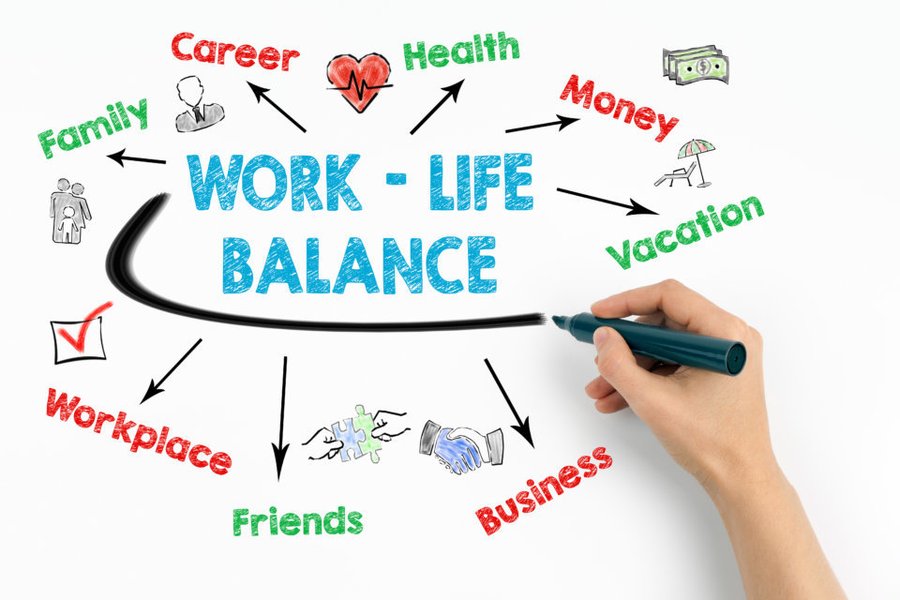
Visual representation of the delicate act of balancing professional and personal life.
The Pervasive Impact of Technology and Constant Connectivity
One of the most significant modern challenges is the "always-on" culture fostered by ubiquitous digital technology. Smartphones, laptops, and constant notifications can make it incredibly difficult to disconnect from work, leading to an erosion of personal time and the blurring of boundaries between professional and private life. This constant connectivity can result in increased stress, mental fatigue, and a diminished sense of presence in non-work activities.
Escalating Workloads and Unrealistic Expectations
Many employees find themselves grappling with ever-increasing workloads and the pressure to meet high expectations. This can stem from organizational demands for higher productivity, understaffing, or a competitive work environment. When workloads become unmanageable, they inevitably spill over into personal time, disrupting family life and opportunities for rest and rejuvenation.
Boundary Erosion: The Blurring Lines
The Home as the Office
For remote and hybrid workers, the physical separation between work and home has dissolved. While offering flexibility, this can also mean that work is perpetually accessible, making it harder to switch off. The home environment, once a sanctuary, can become a constant reminder of work obligations.
Cultural Pressures
Some organizational cultures implicitly or explicitly expect employees to be available outside of standard working hours. This "work-first" mentality can create an environment where employees feel guilty for prioritizing personal needs or fear negative career consequences if they don't remain constantly connected.
Diverse Family Dynamics and Caregiving Responsibilities
Modern family structures are diverse, and many employees juggle work with significant caregiving responsibilities, whether for children, elderly parents, or other family members. These demands can add substantial pressure, making it even more challenging to find time for personal well-being and professional development.
Socioeconomic Factors and Resource Accessibility
Low-wage workers often face compounded difficulties in achieving work-life balance. Limited access to affordable childcare, transportation challenges, and inflexible job schedules can make it nearly impossible to manage work and family demands effectively. This disparity highlights the need for systemic solutions that address these inequities.
The Toll of Imbalance: Burnout and Reduced Well-being
Chronic work-life imbalance is a leading cause of employee burnout, characterized by emotional exhaustion, cynicism, and reduced professional efficacy. Beyond burnout, poor balance can contribute to a range of physical and mental health issues, strained relationships, and decreased overall life satisfaction. Recognizing these challenges is crucial for both individuals and organizations aiming to create a healthier, more productive, and "bossed up" work environment.
Employee Empowerment: Strategies to "Boss Up" Your Personal Balance
While organizational support is crucial, employees possess significant agency in shaping their work-life experience. Taking proactive steps and adopting intentional strategies can empower individuals to navigate the complexities of modern work and "boss up" their personal balance, leading to greater fulfillment both on and off the job.

An individual finding joy and balance between her work and personal life in a flexible setting.
1. Architect Your Boundaries
Define Your Workday
Establish clear start and end times for your work. Communicate these hours to your colleagues, supervisors, and even your family. Creating a "shutdown ritual" at the end of the workday can help mentally transition from professional to personal mode.
Protect Your Personal Time
Resist the urge to check work emails or engage in work-related tasks outside your designated hours. If your role allows, turn off notifications after work. Remember, your personal time is essential for rest, rejuvenation, and pursuing personal interests.
2. Master Your Time and Priorities
Ruthless Prioritization
Not all tasks are created equal. Use techniques like the Eisenhower Matrix (urgent/important) to identify what truly needs your attention. Focus on high-impact activities and learn to delegate or defer less critical tasks.
Strategic Scheduling
Block out time in your calendar not just for work meetings, but also for focused work, breaks, exercise, and family commitments. Treat these personal appointments with the same importance as professional ones.
3. Embrace and Advocate for Flexibility
If your organization offers flexible work arrangements (e.g., remote work, flextime, compressed workweeks), utilize them to better align your work schedule with your personal and family needs. If such options aren't formally available, don't hesitate to discuss your needs with your manager; often, mutually beneficial solutions can be found.
4. Prioritize Non-Negotiable Self-Care
Physical and Mental Well-being
Incorporate regular physical activity, adequate sleep, and healthy eating habits into your routine. Make time for activities that reduce stress and promote mental wellness, such as mindfulness, meditation, or hobbies.
Take Your Breaks
Regular short breaks throughout the workday are crucial for maintaining focus and preventing mental fatigue. Step away from your workstation, stretch, or do something unrelated to work. Don't forget to use your vacation time to fully disconnect and recharge.
5. The Power of "No" and Wise Technology Use
Strategic Declination
Learn to politely decline non-essential tasks, meetings, or commitments that would overextend you or significantly impinge on your personal time. Protecting your time is not selfish; it's essential for sustained performance.
Technology as a Tool, Not a Tyrant
Utilize productivity tools and apps to manage your tasks and schedule efficiently. However, also set boundaries with technology. Consider dedicated "tech-free" times or zones, especially during family meals or before bedtime.
6. Seek Support and Communicate Proactively
Don't be afraid to ask for help when you're feeling overwhelmed, whether from colleagues, your manager, family, or friends. Openly communicate your challenges and needs regarding work-life balance with your employer. Constructive dialogue can lead to supportive adjustments.
By adopting these strategies, employees can take significant strides in "bossing up" their work-life balance, transforming it from a source of stress into a foundation for a more engaged, productive, and fulfilling life.
Organizational Responsibility: Cultivating a "Bossed Up" Culture of Balance
While employees have a personal role to play, organizations bear a significant responsibility in creating an environment where work-life balance is not just an aspiration but a reality. A "bossed up" workplace is one that actively fosters a culture of support, flexibility, and respect for employees' lives beyond their job descriptions. This isn't just good for employees; it's a strategic imperative for attracting and retaining top talent, boosting productivity, and enhancing overall organizational health.

A workplace that supports flexibility and well-being is key to organizational success.
1. Champion True Flexibility and Autonomy
Embrace Diverse Work Models
Offer and genuinely support flexible work arrangements such as remote work, hybrid models, flextime, and compressed workweeks. Focus on outcomes and results rather than micromanaging hours or physical presence. Trust employees to manage their time effectively.
Promote Employee Autonomy
Empower employees with as much control as possible over their work schedules and how they accomplish their tasks. Autonomy is a powerful driver of job satisfaction and can significantly improve work-life integration.
2. Lead by Example: Setting and Respecting Boundaries
Management Modeling
Leadership must actively model healthy work-life boundaries. This includes disconnecting after hours, taking vacations, and openly discussing the importance of personal time. When leaders prioritize their own balance, it sends a powerful message to the entire organization.
Discourage After-Hours Communication
Implement policies or guidelines that discourage non-urgent work communication outside of standard working hours. Encourage the use of scheduled sending for emails or clear communication protocols for urgent matters.
3. Invest in Employee Well-being and Support Systems
Comprehensive Wellness Programs
Provide resources that support holistic employee well-being, including mental health services (e.g., Employee Assistance Programs, counseling), physical wellness initiatives (e.g., gym memberships, fitness challenges), and stress management workshops.
Support for Caregivers
Recognize the challenges faced by employees with caregiving responsibilities. Consider offering benefits such as subsidized childcare, elder care resources, or flexible leave policies to support these employees.
4. Foster a Culture of Open Communication and Feedback
Regular Check-ins
Encourage managers to have regular, open conversations with their team members about workload, stress levels, and work-life balance challenges. These "company temperature checks" can help identify issues early and co-create solutions.
Train Managers
Equip managers with the skills to recognize signs of burnout, support their team's flexible work needs, and facilitate constructive conversations about workload and balance.
5. Rethink Performance and Reward Systems
Move away from a culture that glorifies overwork or long hours as proxies for dedication or productivity. Instead, recognize and reward efficiency, smart work, and sustainable performance. Celebrate employees who achieve results while maintaining a healthy work-life balance.
6. Ensure Realistic Workloads and Adequate Resources
Regularly assess workloads to ensure they are realistic and manageable. Provide adequate staffing and resources to prevent chronic overwork. This may involve re-evaluating processes, leveraging technology for efficiency, or redistributing tasks.
By proactively implementing these strategies, organizations can "boss up" their workplace culture, creating an environment where employees feel supported, valued, and empowered to thrive both professionally and personally. This commitment is a hallmark of a truly modern and successful organization.
Visualizing Key Factors in Work-Life Balance Success
To effectively "boss up" the workplace experience concerning work-life balance, both employees and organizations must contribute. The following radar chart illustrates key influential factors, comparing hypothetical levels of employee empowerment and organizational support. Ideally, both lines would be further out, indicating high levels across all factors. Discrepancies highlight areas where one party might need to increase efforts or where collaborative improvements are most needed.
This chart helps visualize the interplay between individual agency and systemic support. For instance, high 'Proactive Self-Care Initiatives' by employees might be less effective if 'Access to Wellness Resources' provided by the organization is low. Conversely, excellent 'Flexible Work Policies' need employees who are skilled in 'Effective Time Management' and 'Boundary Setting' to be truly beneficial.
From Balancing Act to Integrated Harmony
The traditional notion of "work-life balance" often evokes an image of a precarious seesaw, where work and life are separate, competing entities. However, in the context of "bossing up" the workplace experience, a more empowering and sustainable approach is to strive for work-life integration or harmony. This perspective acknowledges that work and personal life are not always neatly divisible and that success lies in finding ways for them to coexist and enrich each other fluidly, while still maintaining essential boundaries for well-being.

Achieving a harmonious blend where work and personal life elements support each other.
Key Principles of Work-Life Integration:
- Flexibility: Demands from work and personal life fluctuate. Integration emphasizes adapting schedules and approaches to meet these changing needs, rather than rigidly adhering to a fixed division of time.
- Authenticity: Encouraging employees to bring their whole selves to work, acknowledging their personal lives and commitments, can reduce emotional labor and foster a more inclusive environment.
- Purposeful Blending: This might involve strategically scheduling personal appointments during a flexible workday, or, conversely, dedicating focused work blocks during traditionally personal time if it aligns with peak productivity and personal needs, always with clear boundaries.
- Shared Understanding: Open communication within families and teams about commitments and needs is vital. Shared calendars or regular check-ins can facilitate this.
Practical Strategies for Integration:
- Design Shared Calendars: Use digital or physical calendars that integrate work commitments, family activities, and personal appointments. This provides a holistic view and helps in planning.
- Incorporate Buffer Time: Schedule short transition periods between work tasks and personal activities, or between different types of commitments, to reduce stress and allow for mental shifting.
- Align Personal and Professional Goals: Where possible, find ways that personal interests or skills can complement professional development, or vice versa. For example, volunteering for a cause you're passionate about could also develop leadership skills.
- Leverage Technology Mindfully: Use technology to streamline tasks and stay connected, but also implement digital detox periods to ensure quality time for personal life and relationships.
Moving towards work-life harmony means recognizing that a fulfilling life includes both meaningful work and a rich personal existence. It's about making conscious choices and creating systems, both individually and organizationally, that support this holistic vision of success.
Mapping the Path to Work-Life Harmony
The journey to achieving a better work-life dynamic involves understanding the challenges and strategically applying solutions from both employee and organizational perspectives. This mindmap illustrates the interconnected nature of these elements, providing a visual guide to "bossing up" your work-life experience.
Constant Connectivity"] id2["Blurred Boundaries
(Remote/Hybrid Work)"] id3["High Workload &
Unrealistic Expectations"] id4["Lack of Supportive
Organizational Culture"] id5["Insufficient Personal
Time Management"] ["Employee Strategies (Bossing Up Self)"] id6["Set Clear Boundaries
(Time & Space)"] id7["Prioritize Ruthlessly
& Manage Time"] id8["Practice Consistent
Self-Care"] id9["Utilize Technology Wisely
& Disconnect"] id10["Communicate Needs
& Seek Flexibility"] id11["Learn to Say 'No' Strategically"] ["Organizational Strategies (Bossing Up Culture)"] id12["Promote Genuine
Work Flexibility"] id13["Foster a Supportive
& Trusting Culture"] id14["Provide Wellness
Resources & EAPs"] id15["Train Leaders to
Model & Support Balance"] id16["Ensure Realistic Workloads
& Fair Expectations"] id17["Encourage Open Feedback
& Regular Check-ins"] ["Outcomes of Success"] id18["Reduced Burnout & Stress"] id19["Increased Productivity
& Engagement"] id20["Improved Physical &
Mental Well-being"] id21["Higher Job Satisfaction
& Employee Retention"] id22["Stronger Personal
Relationships"]
This mindmap highlights that achieving work-life harmony is a multifaceted endeavor. Challenges like "Tech Overload" can be countered by "Employee Strategies" such as "Utilizing Technology Wisely" and "Organizational Strategies" like "Promoting Genuine Work Flexibility." Ultimately, the combined efforts lead to positive "Outcomes of Success" such as "Reduced Burnout" and "Increased Productivity."
Insights on Achieving Balance: A Deeper Dive
The discourse around work-life balance is rich with perspectives. The following video featuring Simon Sinek offers a thought-provoking take on how trust and boundary setting play a crucial role in achieving a more harmonious relationship between work and personal life. He argues that the responsibility isn't just on the individual but also on creating environments where people feel empowered to manage their own boundaries.
Sinek's perspective underscores a key theme in "bossing up" the workplace: it's about fostering environments where individuals are trusted and empowered to manage their integration of work and life. This requires a shift from rigid rules to principles of mutual respect and understanding, allowing for a more natural and sustainable equilibrium. It challenges the old paradigm that work and life are inherently in opposition, suggesting instead that they can, and should, coexist harmoniously when the right conditions are met.
Navigating Key Challenges: A Summary of Solutions
To effectively "boss up" the work-life experience, it's helpful to directly map common challenges to actionable strategies for both employees and organizations. The table below provides a concise overview of these dynamics, reinforcing the collaborative effort required.
| Challenge | Employee Strategies (Bossing Up Self) | Organizational Strategies (Bossing Up Culture) |
|---|---|---|
| Boundary Erosion (Always-On Culture) | Define and communicate clear work hours; create "shutdown" rituals; limit after-hours work communication. | Leadership models boundary respect; establish policies discouraging non-urgent after-hours contact; promote focused work time. |
| Excessive Workload & Burnout Risk | Prioritize tasks effectively; learn to say "no" to non-essential commitments; communicate overload to manager; take regular breaks. | Ensure realistic workloads through resource planning; conduct regular workload reviews; foster a culture where breaks are encouraged; provide stress management resources. |
| Lack of Flexibility | Proactively discuss flexible work needs with manager; demonstrate responsibility with existing flexibility; optimize personal schedule around work. | Offer diverse flexible work options (remote, hybrid, flextime); train managers to support and manage flexible teams; focus on outcomes, not hours. |
| Difficulty Disconnecting & Mental Fatigue | Schedule regular breaks and vacation time; engage in hobbies and activities outside of work; practice mindfulness and self-care. | Promote use of vacation time; offer wellness programs and mental health support (EAPs); cultivate a culture that values rest and recovery. |
| Pressure to Prioritize Work Over Personal Life | Clearly define personal priorities and non-negotiables; communicate personal needs appropriately; seek roles/companies that align with values. | Shift from a "work-first" to a "whole-person" culture; recognize and reward sustainable performance, not just long hours; support family-friendly policies. |
| Managing Family Demands with Work | Use family calendars and organizational tools; seek support from family/friends; communicate needs with employer and explore flexible options. | Offer family-supportive benefits (e.g., childcare assistance, parental leave); promote understanding and empathy from managers; create a family-friendly workplace culture. |
This table serves as a quick reference, emphasizing that overcoming work-life balance challenges requires a dual approach: empowered employees taking ownership and proactive organizations creating supportive ecosystems.
Frequently Asked Questions (FAQ)
Is achieving a perfect work-life balance truly possible in 2025?
The idea of a "perfect" or static 50/50 balance is often unrealistic and can itself become a source of stress. In 2025, with the dynamic nature of work, it's more helpful to think in terms of work-life harmony or integration. This means striving for a sustainable and fulfilling blend of professional and personal commitments that adapts to changing circumstances. It's an ongoing process of adjustment and prioritization, rather than a fixed destination. The goal is overall well-being and effectiveness across different life domains over time.
How can I set boundaries with my manager without seeming uncommitted?
Setting boundaries is about professionalism and sustainable performance, not a lack of commitment. Frame your boundaries positively: focus on when you are available and most productive. For example, instead of saying "I don't work after 6 PM," you could say, "I focus on deep work from 9 AM to 5 PM and am fully available then. For urgent matters outside these hours, please call." Communicate proactively about your workload and deadlines. Delivering high-quality work within your defined hours demonstrates commitment more effectively than constant availability.
What role does technology play in either hindering or helping work-life balance?
Technology is a double-edged sword. It can hinder balance by creating an "always-on" expectation, blurring lines with constant notifications, and enabling work to intrude into personal time. However, it can also be a powerful enabler. Productivity apps, communication platforms, and automation tools can streamline workflows, enhance flexibility (e.g., remote work), and improve efficiency, freeing up time. The key is to use technology intentionally: leverage its benefits while setting clear boundaries on its use to protect personal time and mental space.
How can organizations support employees, especially low-wage workers, in achieving better work-life balance?
Organizations can support all employees, including low-wage workers, by:
- Offering predictable and stable schedules with advance notice.
- Providing paid time off, including sick leave and vacation.
- Exploring options for subsidized childcare or providing resources for affordable care.
- Ensuring fair wages that reduce financial stress.
- Implementing flexible work arrangements where feasible for the role.
- Creating a supportive culture where employees feel comfortable discussing challenges without fear of retribution.
- Providing access to transportation benefits or resources if applicable.
Recommended Next Steps for Deeper Insights
To further "boss up" your understanding and application of work-life balance principles, consider exploring these related topics:
- What are the long-term impacts of chronic work-life imbalance on employee health and organizational productivity?
- How can mindfulness and stress reduction techniques be effectively integrated into the workday to improve focus and well-being?
- Explore case studies of companies that have successfully implemented innovative work-life balance initiatives and the results they achieved.
- What is the future of work-life balance with the rise of AI and automation in the workplace?
References
Last updated May 9, 2025