
Bottom Topographic Features of the Pacific Ocean
An in-depth analysis of the underwater landscapes and geologic processes
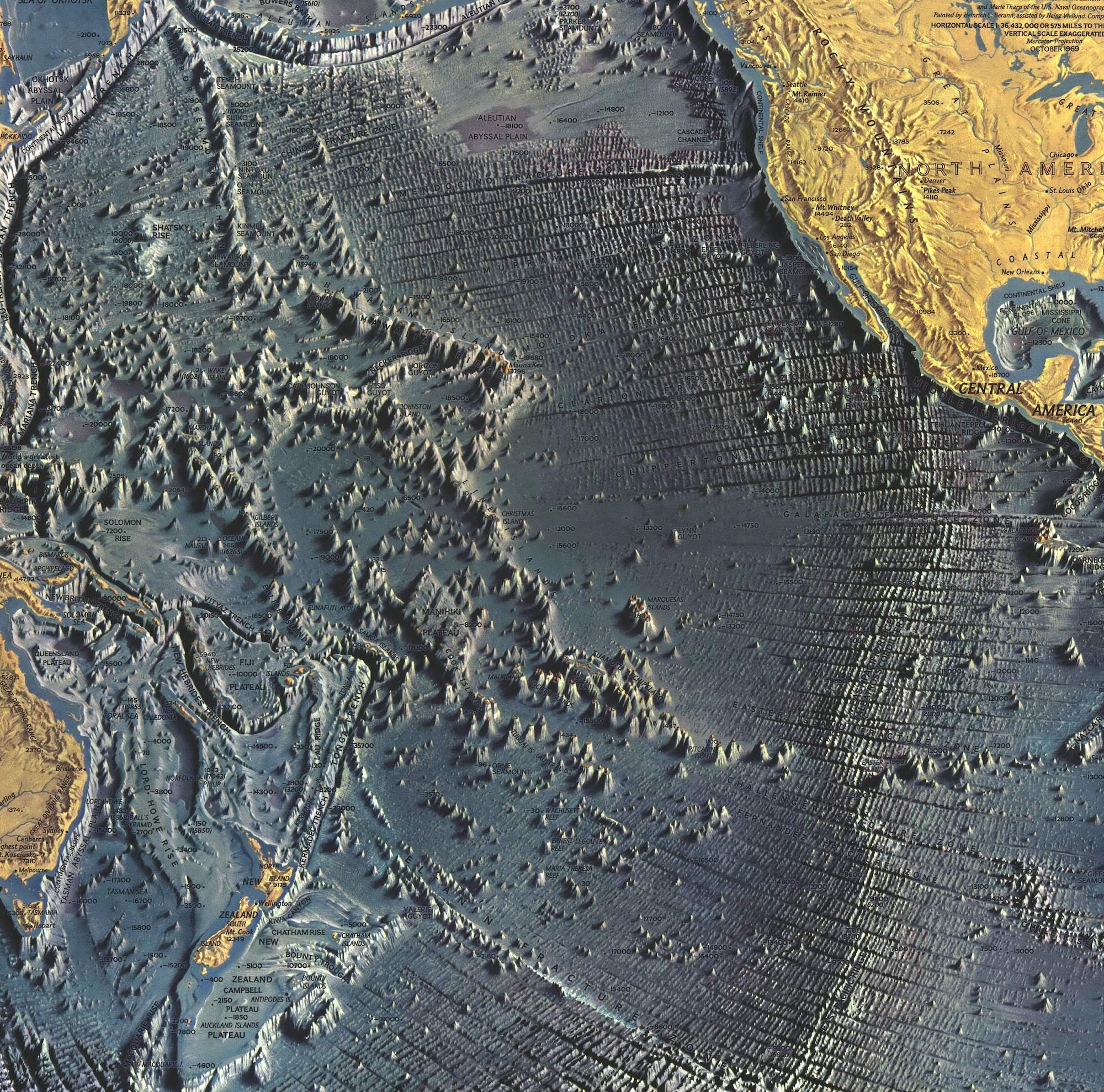
Key Takeaways
- Dynamic Tectonic Activity: The Pacific Ocean floor is a region of active and ongoing tectonic processes, such as subduction, seafloor spreading, and volcanic activity, which continuously modify its topography.
- Diverse Terrain Features: From deep oceanic trenches and mid-ocean ridges to vast abyssal plains, seamounts, and underwater plateaus, the bottom of the Pacific Ocean showcases a wide variety of geological formations.
- Ecological and Geological Significance: The complex seafloor not only plays a critical role in marine biodiversity but also influences ocean circulation, sedimentation, and the Earth’s global geochemical cycles.
Introduction: The Vast Underwater Realm
Covering more than 63 million square miles, the Pacific Ocean is the largest and deepest ocean on Earth. Its bottom topography is extraordinarily diverse and is shaped by a combination of dynamic processes including tectonic plate interactions, volcanic activity, sedimentation, and erosion. In this comprehensive note, we will explore the various bottom features of the Pacific Ocean, their origins, and their implications for both Earth’s geology and marine ecosystems.
The complexity observed in the seafloor of the Pacific Ocean corresponds to millions of years of geologic activity. It hosts some of the deepest trenches on the planet, broad and extensive abyssal plains, significant mid-ocean ridge systems, and underwater mountain ranges. Each of these features plays a crucial role in understanding our dynamic planet and provides insights into the natural processes that underpin the formation and evolution of the ocean floor.
Tectonic Processes and Their Role in Shaping the Seafloor
The bottom topography of the Pacific Ocean is predominantly governed by tectonic processes. It is within areas where plates diverge, converge, and interact that many of its characteristic landforms are created:
Subduction and Deep Oceanic Trenches
One of the most striking features of the Pacific Ocean floor is its numerous deep-sea trenches. These trenches are created mainly at subduction zones where one tectonic plate is forced beneath another. The continuous downward bending of the Pacific Plate into the mantle creates depressions that rank among the deepest parts of the planet.
Mariana Trench
The Mariana Trench, in the western Pacific, is the deepest known point in Earth’s oceans. Reaching depths of over 11,000 meters (approximately 36,000 feet), the trench is a direct result of the subduction process. The extreme pressure and low temperatures create a unique and challenging environment where specialized ecosystems have adapted to survive.
Other Significant Trenches
In addition to the Mariana Trench, the Pacific Ocean hosts other major trenches such as the Tonga, Kermadec, Kuril–Kamchatka, and Philippine Trenches. These structures are essential for understanding the mechanics of plate collision and the recycling of oceanic crust.
Mid-Ocean Ridges and Seafloor Spreading
Mid-ocean ridges are extensive underwater mountain ranges that form at divergent plate boundaries. In the Pacific, the East Pacific Rise is a well-known example where the process of seafloor spreading gives birth to new oceanic crust.
East Pacific Rise
The East Pacific Rise is characterized by active volcanic activity, extensive hydrothermal systems, and deep rift valleys. Here, tectonic plates are pulling apart, and magma rises to fill the gap, solidifying to form new crust. This ongoing process is critical for the maintenance and renewal of the Earth's lithosphere.
Abyssal Plains: The Ocean’s Flatlands
Abyssal plains are among the most prevalent features on the ocean floor, covering vast expanses of the Pacific Ocean. Typically found at depths between 4,000 and 6,000 meters, these plains are known for their relatively uniform and flat appearance.
Formation and Characteristics
Abyssal plains are formed by the slow but steady accumulation of fine sediments, such as clay and silt. While these regions may appear uniformly flat, they are not completely featureless. Small undulations, buried hills, and other minor topographic variations can still be observed beneath the sediment layers.
Importance in Marine Ecology
Beyond their geological interest, abyssal plains serve as habitats for specialized deep-sea organisms. They play a significant role in the deposition and recycling of organic material and are crucial in understanding past climatic events, as sediment layers record a history of oceanic conditions over millions of years.
Seamounts, Guyots, and Underwater Plateaus
The Pacific Ocean is dotted with seamounts—underwater mountains that are often relics of past volcanic activity. These features not only add to the complexity of the seafloor but also serve as important ecological hotspots.
Seamounts and Guyots
Seamounts form when volcanic activity builds up structures on the seafloor. Over time, many seamounts become extinct volcanoes. Guyots, a specific type of seamount with a flat top, indicate that they were once above sea level before erosion flattened their surfaces. Both structures are often rich in marine life and contribute to the biodiversity of the deep sea.
Underwater Plateaus
Oceanic plateaus, such as the Shatsky Rise and the Ontong Java Plateau, represent large, elevated regions on the seafloor. They result from massive volcanic events and provide unique opportunities to study the processes of mantle upwelling and large-scale volcanic activity. Their formation is tied to volcanic hotspots and other mantle phenomena that occasionally lead to the rapid thickening of the oceanic crust.
Continental Shelves and Slopes
The transition from terrestrial environments to the deep ocean is marked by continental shelves and slopes. Both features are integral in understanding coastal oceanography and marine ecology.
Continental Shelves
Continental shelves are the gently sloping regions that extend from coastlines toward the ocean. Typically less than 250 meters deep, these areas are rich in life and resources. Their width can vary considerably, with eastern margins (along the Americas) often being narrower compared to the broader shelves on the western coasts of Asia and Australia.
Continental Slopes
Beyond the shelves lie the continental slopes, where the seafloor descends steeply from the shelf break to the deep ocean basins. This slope can drop over a few hundred kilometers, forming a gradient that influences the movement of water, sediment transport, and even the distribution of deep-sea species.
Geological Insights and Ecological Implications
Analyzing the bottom topographic features of the Pacific Ocean allows researchers to understand the interplay between geology, marine ecosystems, and global processes. Each element of the seafloor provides clues about the Earth's internal mechanisms and the environmental conditions prevalent over geologic time scales.
Interplay with Ocean Circulation
The features of the seafloor exert significant control over ocean circulation patterns. Underwater ridges, trenches, and plateaus affect the flow of deep and surface currents, thereby influencing global climate systems. Variations in the depth and structure of the seafloor create pathways or barriers for water movement, which can affect the distribution of heat and nutrients throughout the ocean.
Role in Carbon Cycling
The ocean floor is also a vital component of the Earth’s carbon cycle. Sediments accumulate organic matter over millions of years, sequestering carbon from the atmosphere. This process plays a critical role in mitigating climate change by regulating the concentration of greenhouse gases.
Biodiversity Hotspots and Marine Habitats
Unique structures on the ocean floor, such as seamounts and trenches, provide specialized habitats for a myriad of deep-sea organisms. These areas support complex ecosystems that are adapted to extreme pressures, low temperatures, and minimal sunlight.
Adaptation and Evolution in Extreme Conditions
Organisms inhabiting the depths of the Pacific Ocean have evolved remarkable adaptations to survive under high pressure conditions and the near absence of light. Many species rely on chemosynthesis, a process that utilizes chemical energy rather than sunlight to produce food. This adaptation is particularly prevalent in areas near hydrothermal vents along mid-ocean ridges, where mineral-rich fluids support diverse biological communities.
Deep-Sea Research and Exploration
Advances in underwater technology have allowed scientists to explore these remote environments. Submersibles, remotely operated vehicles (ROVs), and autonomous underwater vehicles (AUVs) have been used to map the seafloor, study deep-sea life, and monitor geologic activity. These explorations not only expand our scientific knowledge but also highlight the fragile nature of these ecosystems, urging for sustainable management practices.
Comprehensive Overview using a Table
Below is a detailed table summarizing the primary bottom topographic features of the Pacific Ocean along with their key characteristics:
| Feature | Description | Depth/Extent | Geological Process |
|---|---|---|---|
| Oceanic Trenches | Deep depressions at subduction zones, including the Mariana Trench. | Up to or exceeding 11,000 meters | Subduction |
| Mid-Ocean Ridges | Underwater mountain ranges where tectonic plates diverge, such as the East Pacific Rise. | Variable depths; spreading centers | Seafloor Spreading |
| Abyssal Plains | Vast, relatively flat regions with sediment accumulation, forming the majority of the ocean floor. | Approximately 4,000–6,000 meters | Sedimentation |
| Seamounts & Guyots | Underwater volcanic mountains; guyots have flat tops due to erosion. | Variable heights; often isolated peaks | Volcanism |
| Continental Shelves and Slopes | Transition zones from the coastline to the deep ocean; shelves are shallow allowing rich biodiversity. | 0–250 meters (shelves), slopes extend to several thousand meters | Erosion and Tectonics |
| Underwater Plateaus | Large, elevated areas formed by volcanic events, such as the Ontong Java Plateau. | Elevated relative to abyssal plains | Volcanic Activity |
Human Impact and Future Perspectives
While natural geological processes are the predominant sculptors of the Pacific Ocean floor, human activities are increasingly having long-term impacts on these remote environments. As exploration and exploitation of deep-sea resources accelerate, it is crucial to balance technological progress and environmental conservation.
Deep-Sea Mining and Resource Extraction
The advent of deep-sea mining for minerals such as polymetallic nodules and cobalt-rich crusts holds significant economic promise. However, these operations come with substantial risks including disturbance of delicate ecosystems, sediment resuspension, and potential long-term changes in sedimentation patterns. Future management strategies must take into account the fragile nature of deep-sea habitats while assessing the resource potential.
Oil and Gas Exploration
Drilling operations on the seafloor, often conducted in search of hydrocarbon deposits, also contribute to the human impact on the Pacific Ocean's bottom topography. These activities can disrupt natural sediment layers, lead to the release of greenhouse gases, and cause habitat destruction, influencing both local marine biodiversity and broader ecological processes.
Conservation and Sustainable Management
As humanity’s reach extends further into the deep sea, sustainable practices and ecosystem-focused management plans must be prioritized. International cooperation, rigorous scientific research, and the development of environmentally sensitive technologies are essential in mitigating the impacts of human intervention. Continued exploration and monitoring are key to ensuring that the unique features of the Pacific Ocean floor are preserved for future generations.
Conclusion
The bottom topography of the Pacific Ocean offers a window into Earth’s dynamic geological history. It is a mosaic of features—ranging from the crushing depths of oceanic trenches to the extensive, sediment-covered abyssal plains, to actively forming mid-ocean ridges and isolated volcanic seamounts. Dynamic tectonic processes such as subduction, seafloor spreading, and volcanic activity continuously redefine this underwater landscape, shaping not only the physical features but also influencing marine ecosystems and global circulation patterns. As we continue to explore these remote and complex terrains, balancing technological advancement with sustainable management remains paramount to safeguard the natural heritage of the Pacific Ocean floor.
References
- bottom topography of the oceans - Geographic Book
- bottom topography of the Pacific Ocean - Geographic Book
- bottom topography of the Pacific Ocean - Clearias
- bottom relief features of the Pacific Ocean - Insights on India
- the Pacific Ocean floor maps - Geology In
- geography of the Pacific Ocean - ThoughtCo
- Pacific Ocean topography - NOAA Science Photo Library
More
Last updated February 18, 2025