
The Myth of the Bowling Ball: Do Cars Really Face This Bizarre Test?
Unraveling the truth behind claims of unusual vehicle safety evaluations.
You've asked whether any nation employs the rather peculiar method of dropping a bowling ball onto a car as part of its official testing procedures. Based on available information and official statements, the answer is a definitive no.
Highlights
- No Official Test: No country uses a "bowling ball drop test" as a standard or regulatory vehicle safety evaluation method.
- Claim Origin: The idea gained prominence from political rhetoric, specifically claims made by former US President Donald Trump alleging Japan used such a test to disadvantage imported cars.
- Real Testing is Complex: Actual vehicle safety testing involves rigorous, scientifically validated procedures like crash tests (frontal, side, rollover) and pedestrian safety evaluations conducted by specialized agencies worldwide.
Unpacking the "Bowling Ball Test" Claim
Where Did This Idea Come From?
The notion of a "bowling ball test" for cars primarily entered public discourse through statements made by former U.S. President Donald Trump. He repeatedly claimed, particularly referencing Japan, that regulators drop a bowling ball from a significant height (mentioned as around 20 feet or 6 meters) onto a car's hood. According to this claim, if the impact caused a dent, the vehicle would fail inspection, effectively acting as an unfair trade barrier against imported vehicles, especially those from the United States.
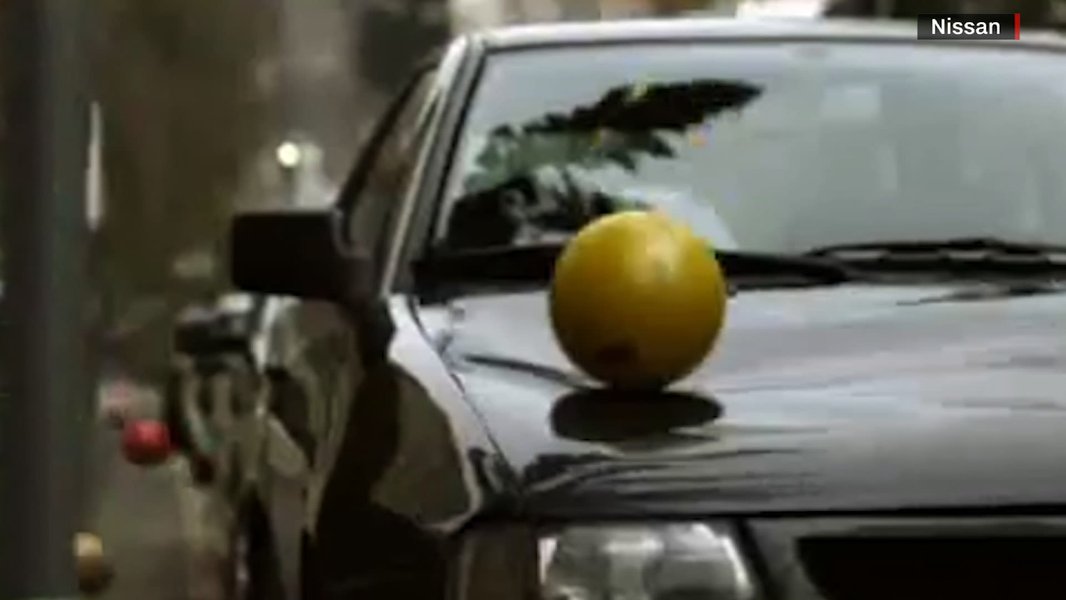
The "bowling ball test" claim gained media attention but lacks factual basis in official testing protocols.
Official Denials and Fact-Checking
Japanese authorities, including the transport ministry and regulatory bodies, have explicitly and repeatedly refuted the existence of any such test. They assert that Japan's vehicle safety standards align with international norms and focus on scientifically sound evaluation methods. Numerous independent media outlets and fact-checking organizations (like Politifact) investigated the claim and found no evidence to support it, concluding it was inaccurate or a misrepresentation.
Potential Sources of Confusion
While the bowling ball drop test itself is fictional in a regulatory context, the idea might stem from a conflation of different concepts:
- Pedestrian Safety Tests: Japan, like many other regions (including Europe), conducts pedestrian protection tests. These involve using specially designed impactors, some of which are spherical and roughly the size of a bowling ball or human head. However, these impactors are *propelled* horizontally at controlled speeds (e.g., up to 35 km/h) into specific areas like the hood or bumper to simulate a collision with a pedestrian and measure potential injury levels. They are not dropped from heights to test dent resistance.
- Marketing Demonstrations: Some sources suggest the myth could be distantly related to old automotive advertisements. For instance, a past Nissan commercial might have featured bowling balls being dropped onto a car to dramatically showcase its durability for marketing purposes, entirely separate from any official safety standard.
How Are Cars *Actually* Tested for Safety?
Real-world vehicle safety testing is a far cry from dropping bowling balls. It involves sophisticated, standardized procedures designed to simulate various crash scenarios and measure the protection offered to occupants and pedestrians. These tests are crucial for regulatory approval, consumer information (safety ratings), and driving improvements in vehicle design.
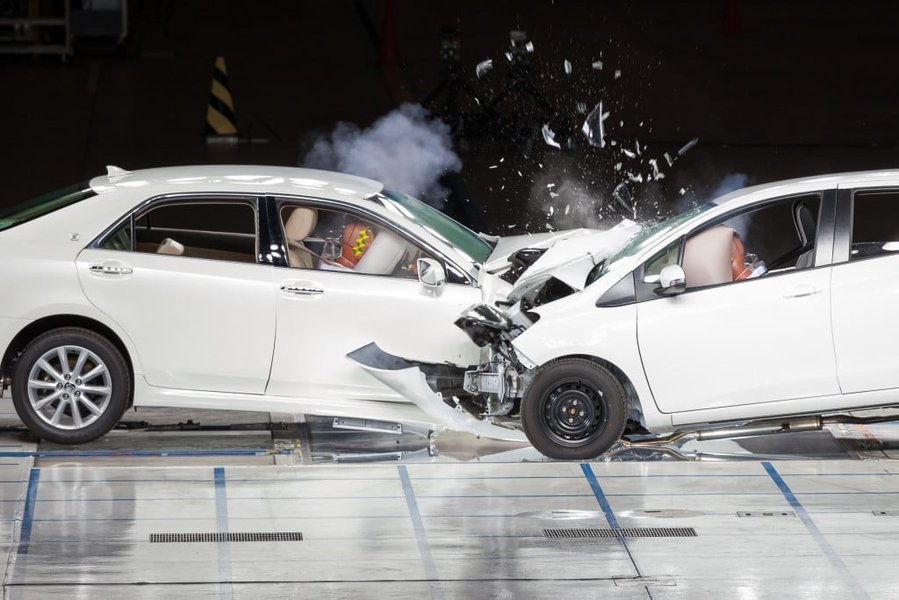
Actual crash tests use instrumented dummies to measure forces during simulated collisions.
Key Types of Vehicle Safety Tests
Frontal Impact Tests
These simulate head-on collisions, a common and often severe type of accident. Variations include:
- Full-Width Frontal Test: The entire front of the car impacts a rigid barrier, typically at speeds like 35 mph (56 km/h). This assesses the overall structural integrity and restraint systems (airbags, seatbelts).
- Offset Frontal Tests (Moderate and Small Overlap): Only a portion of the car's front (e.g., 40% for moderate overlap, 25% for small overlap) strikes a barrier (often deformable). These tests are challenging because they concentrate crash forces on a smaller area, testing the vehicle's structure and how well it manages intrusion into the occupant compartment. The small overlap test, introduced by the IIHS, simulates impacts with objects like trees or utility poles.
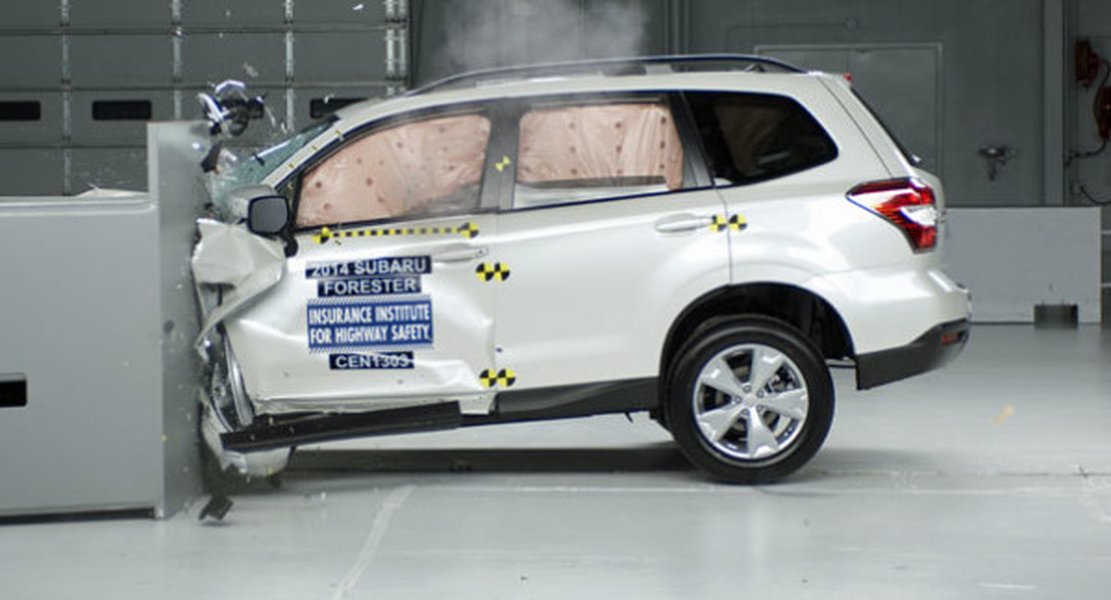
Frontal offset tests simulate collisions where only part of the vehicle's front is involved.
Side Impact Tests
These simulate 'T-bone' collisions, where the side of the vehicle is struck. Given the limited crush space on the side, these impacts can be particularly dangerous.
- Movable Barrier Test: A barrier on a trolley, representing another vehicle, strikes the side of the test car at a specific speed (e.g., 31 mph or 50 km/h).
- Pole Test: The vehicle is propelled sideways into a narrow, rigid pole, simulating a side impact with a tree or post. This tests the effectiveness of side and curtain airbags in protecting occupants' heads.
Testing organizations like the IIHS have recently updated their side impact tests with heavier barriers moving at higher speeds to better reflect collisions involving modern SUVs and trucks.
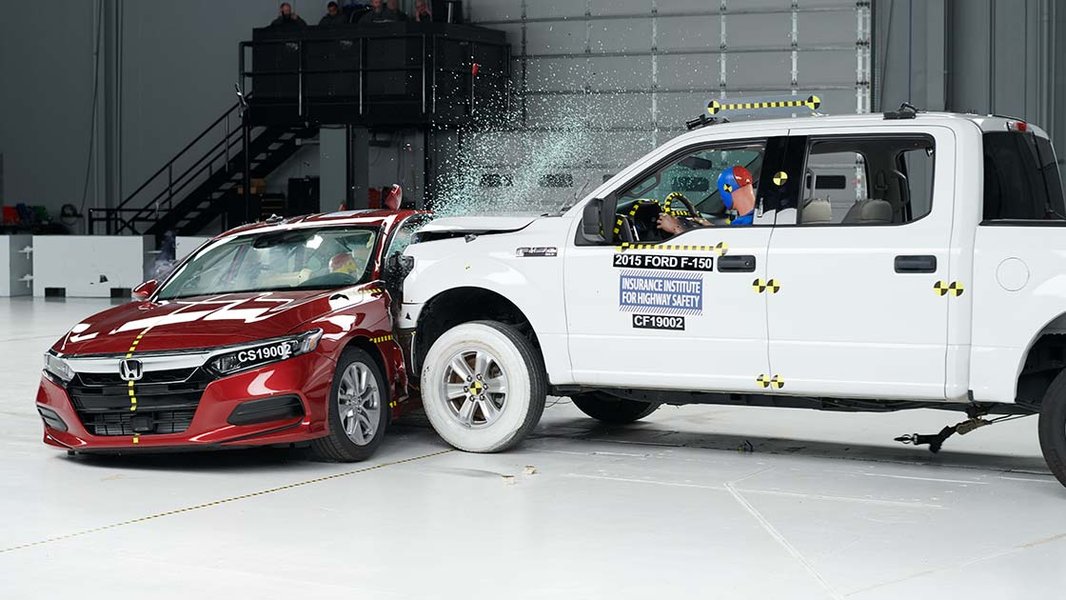
Side impact tests evaluate protection during 'T-bone' type collisions.
Rollover and Roof Strength Tests
These assess vehicle stability and the roof's ability to withstand crushing forces during a rollover, protecting occupants from injury.
- Static Roof Strength Test: A metal plate is pushed against one side of the roof at a controlled speed. The force required to crush the roof by a specific amount (e.g., 5 inches) is measured relative to the vehicle's weight. A higher strength-to-weight ratio indicates better protection.
- Dynamic Rollover Tests: Some programs (like NHTSA) use dynamic maneuvers to assess a vehicle's propensity to tip over (measuring "rollover resistance").
Pedestrian Protection Tests
As mentioned earlier, these tests evaluate how well a vehicle's front-end design (bumper, hood) mitigates injuries to pedestrians in a collision. They use instrumented legform and headform impactors propelled at the vehicle.
Rear Impact (Whiplash) Tests
These assess the effectiveness of seats and head restraints in preventing whiplash injuries during rear-end collisions. Tests involve placing a dummy in the seat on a sled and simulating the forces of a rear impact.
Crash Avoidance Technology Tests
Modern safety evaluations increasingly include tests of advanced driver-assistance systems (ADAS), such as:
- Autonomous Emergency Braking (AEB): Testing the system's ability to detect and prevent or mitigate collisions with other vehicles or pedestrians.
- Lane Keeping Assist (LKA): Evaluating systems designed to keep the vehicle within its lane.
Mindmap of Modern Car Safety Testing
This mindmap provides a visual overview of the primary categories and specific types of tests involved in comprehensive vehicle safety evaluations, highlighting the complexity and breadth of the process compared to the simplistic "bowling ball" notion.
Comparing Major Global Safety Programs
Several key organizations around the world conduct these rigorous tests and provide safety ratings to consumers. While their overall goals are similar, they may use slightly different protocols or emphasize different aspects of safety. The radar chart below illustrates a qualitative comparison of the typical focus areas for some major programs based on their common testing suites.
Note: This chart represents a generalized view of program emphasis based on common test suites and scoring weights. Specific tests and criteria evolve over time. Ratings range from 3 (Less Emphasis/Coverage) to 10 (High Emphasis/Coverage).
The table below provides a quick comparison of some key features of these major safety assessment programs:
| Feature | NHTSA (USA) | IIHS (USA) | Euro NCAP (Europe) | JNCAP (Japan) |
|---|---|---|---|---|
| Primary Funding | Government (US DOT) | Insurance Industry | Governments, Motoring Clubs, Insurers | Government (MLIT) & NASVA |
| Main Rating | 5-Star Safety Ratings | Top Safety Pick / Pick+ | 5-Star Safety Rating | 5-Star Rating (Collision Safety & Preventive Safety) |
| Key Frontal Tests | Full-Width | Moderate Overlap, Small Overlap (Driver & Passenger) | Offset Deformable Barrier, Full-Width Rigid Barrier | Full-Width, Offset Deformable Barrier |
| Key Side Tests | Movable Barrier | Movable Barrier (Updated, more severe), Pole Test (Optional) | Movable Barrier, Pole Test | Movable Barrier |
| Roof Strength Test | Yes (Static & Dynamic Rollover Rating) | Yes (Static Strength-to-Weight) | No specific roof test, but assessed in overall structural integrity. | Not explicitly separate, part of overall integrity. |
| Pedestrian Test Emphasis | Lower (Now testing AEB for pedestrians) | Moderate (Headlights, AEB for pedestrians) | High (Impact tests, AEB for pedestrians/cyclists) | High (Impact tests, AEB) |
| Child Safety Emphasis | Information (Ease of Use Ratings) | Moderate (LATCH ease-of-use) | High (Dynamic tests, CRS checks) | Moderate (CRS checks, dynamic tests) |
| ADAS Testing Emphasis | Increasing (FCW, LDW, AEB, Rearview Cam required) | High (Front crash prevention, Headlights) | High (AEB, LSS, Speed Assist, Occupant Monitoring) | High (AEB, Lane Departure Prevention, Pedal Misapplication) |
Visualizing Car Crash Tests
To further understand the rigorous nature of actual car safety evaluations, watch this video explaining how different crash tests are conducted and what they reveal about vehicle safety performance.
This video provides insights into the methodologies used by organizations like NHTSA and IIHS, showcasing the use of crash test dummies, high-speed cameras, and detailed data analysis to assign safety ratings – processes far removed from the simplistic idea of dropping a bowling ball.
Frequently Asked Questions (FAQ)
Is the 'bowling ball test' real anywhere in the world?
No. Based on all available evidence from official sources, regulatory bodies, and fact-checking organizations, no country uses dropping a bowling ball onto a car as an official safety or regulatory test. The claim is widely considered debunked.
Why did the claim about Japan using this test arise?
The claim was popularized by former U.S. President Donald Trump, often presented as an example of unfair trade practices or overly stringent, non-standard tests allegedly used by Japan to block US car imports. It may have stemmed from a misunderstanding or mischaracterization of Japan's actual pedestrian safety tests, which use headform impactors, or possibly from unrelated marketing materials from the past.
What are crash test dummies used for?
Crash test dummies, or Anthropomorphic Test Devices (ATDs), are sophisticated tools designed to simulate human responses in a crash. They are fitted with numerous sensors to measure forces, accelerations, and potential injuries to different body parts (head, neck, chest, legs). Data collected from dummies helps engineers understand how well a vehicle's structure and safety systems (seatbelts, airbags) protect occupants during various types of collisions.
How do safety ratings like NHTSA's 5-Star or IIHS's Top Safety Pick help consumers?
These ratings provide consumers with standardized, easy-to-understand summaries of a vehicle's safety performance based on rigorous testing. A higher rating generally indicates better protection in simulated crashes and potentially includes advanced safety features. This information allows car buyers to compare vehicles and make more informed decisions based on safety, incentivizing manufacturers to build safer cars.
Recommended Reading
- What are the key differences between how NHTSA and IIHS test car safety in the US?
- How does Euro NCAP evaluate a car's ability to protect pedestrians in a collision?
- Can you explain the purpose and procedure of the small overlap frontal crash test?
- How is the safety of electric vehicle batteries assessed during crash testing?
References
Last updated April 26, 2025