
Innovative Bracketing Systems in Sports and Gaming Competitions
Exploring functionality, design, and engagement in modern tournament structures
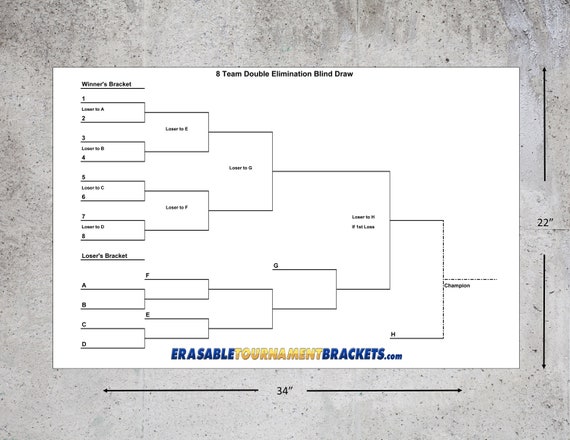
Key Highlights
- Structured Competition: Brackets clearly delineate matchups and progression paths.
- Enhanced Engagement: Real-time updates and interactive interfaces heighten spectator and participant involvement.
- Versatility in Formats: From single and double-elimination to round-robin and group stages, bracket functionalities adapt to diverse competitive needs.
Introduction to Bracketing System Functionality
Bracketing systems have become an essential aspect of both sports tournaments and gaming competitions. They provide not only a visual roadmap of the tournament’s progression but also robust administrative tools for organizers. In sports and esports alike, a well-implemented bracketing system optimizes the flow of gameplay, ensures fairness through seeding, and drives engagement among fans and participants. The following discussion covers comprehensive details regarding the functionality and features of modern bracketing systems by synthesizing perspectives from multiple sources.
Core Features of Bracketing Systems
Visual Representation and Structure
A fundamental aspect of any bracketing system is its ability to visually represent the tournament format. The tree-like diagrams in brackets work as dynamic roadmaps, showing the progression from one round to the next. This visual representation helps both organizers and enthusiasts understand the flow of the competition, outline future matchups, and follow the elimination process. In traditional sports tournaments such as March Madness and knockout cup events, these diagrams simplify what might otherwise be a complex series of matches.
Tree Diagrams and Bracket Layouts
The typical layout of a bracket can include:
- A hierarchical tree that maps each round.
- Paths reflecting winners advancing and losers being eliminated.
- Dynamic updating capabilities for real-time score editing and match tracking.
Ensuring Fair Play through Seeding
Seeding is the backbone of bracket fairness. By placing top-ranked teams or players in positions that prevent early confrontation, bracketing systems balance the competition. Seeding is influenced by historical performance, regular-season standings, or qualification rounds. In sports like basketball or football and popular esports tournaments, seeding is crucial to ensure that the best competitors have a pathway reflective of their skill levels. This not only enhances the competitive quality of the later rounds but also maintains integrity throughout the tournament.
Mechanics of Seeding
Automated systems within the bracketing software often include:
- Algorithms that determine seeding based on previous match outcomes or regular season statistics.
- Customizable seeding rules that allow for adjustments depending on specific tournament formats.
- Integration of bye systems which automatically advance top seeds in tournaments with non-power-of-two participants.
Adapting to Multiple Bracket Formats
Bracketing systems are designed with flexibility in mind, and this greatly benefits both organizers and competitors. Tournaments can adopt different formats to suit the number and type of participants. Below is an overview of the popular bracketing formats:
Single-Elimination Brackets
In a single-elimination tournament, each loss results in elimination. This format is widely used in high-stakes knockout competitions where time-efficiency is crucial.
Double-Elimination Brackets
The double-elimination format allows competitors a second chance, where they get eliminated only after two losses. This is particularly appreciated in esports competitions and sports events that wish to provide recovery options.
Round-Robin and Group Stage Brackets
For tournaments that want every participant to play multiple matches, round-robin or group stage formats are implemented. These are useful in the initial phases to assess the performance of teams before entering a knockout phase.
Swiss System Tournaments
Although less common, the Swiss System is often applied in competitive gaming where pairings are determined based on similar win-loss records. It offers a balance between fairness and exposure, ensuring that competitors face consolidated challenges throughout the tournament.
Integrating Technology and Real-Time Interaction
Real-Time Score Updates and Notifications
Modern tournament systems have evolved to include real-time updating features, allowing brackets to be adjusted instantaneously as match results are declared. In major tournament systems like NCAA March Madness or global esports events, this real-time functionality is essential. Not only does it keep participants informed, but it also engages fans by providing live notifications, commentary, and interactive dashboards.
Features of Real-Time Interactivity
- Live Scoreboards: Display match results instantly as they occur.
- Interactive Dashboards: Provide stats, player profiles, and historical data to enrich game outcomes.
- Social Integrations: Allow fans to share updates and predictions on social media platforms.
- Custom Alerts: Fans receive notifications and reminders about upcoming matches.
User Engagement Through Customization
A major advance in bracketing systems is the ability to customize the layout and appearance. Platforms now allow tournament organizers to integrate custom themes, logos, colors, and even media content. This personalization not only enhances the visual appeal but also reinforces branding strategies, making every tournament a unique and immersive experience for both participants and fans.
Customization Options and Community Interaction
- Custom Themes: Options to align bracket designs with team or event branding.
- Social Interaction Tools: Integration with chat systems and discussion boards that increase fan investment.
- Predictive Voting and Polls: Engage audiences by allowing them to predict outcomes and vote on match interest.
- Enhanced Visualization: Use of dynamic graphs and animations to depict tournament progress.
Detailed Functionality in Different Domains
Application in Traditional Sports Tournaments
Organized sports have long relied on bracketing systems to manage tournament progressions. In sports tournaments such as basketball, soccer, and baseball, brackets serve several specific purposes:
Managing Post-Season Competitions
Brackets are instrumental in determining the pathway to the championship. They reduce potential conflicts by clearly showing team progression and eliminating ambiguity regarding matchups. Tools that automate bracket generation based on seedings help in processing large amounts of data swiftly, ensuring tournament integrity.
Fan Participation and Nationwide Bracket Challenges
A notable phenomenon in traditional sports is fan involvement in bracket challenges, famously popularized by events such as March Madness. Fans fill out their own predicted brackets, enhancing community involvement and excitement. These practices have created a symbiotic relationship where the bracket serves both as a competitive guideline and a fan engagement tool.
Innovations in Esports and Gaming Tournaments
The rapid growth of esports has led to the adaptation of advanced bracketing systems that cater to a digital audience. Esports tournaments require a high degree of flexibility and rapid response capabilities due to the global, often online nature of the competitions.
Integration with Streaming and Digital Platforms
Gaming competitions benefit from the integration of live streaming and bracket visualization on digital platforms. Real-time score updates, player statistics, and match animations are essential components that drive engagement. Tournaments such as League of Legends World Championship or Dota 2 International rely heavily on these modern features to keep their massive audiences informed and entertained.
Advanced Scheduling and Conflict Resolution
In addition to seeding and real-time updates, many bracketing systems are equipped with advanced scheduling algorithms. These account for time zone differences for international events, prevent match conflicts, and manage tiebreakers or bye weeks effectively. Automating these functions minimizes administrative overhead and ensures a smoother progression through the tournament phases.
Comprehensive Comparison of Bracket Formats
To better understand the diversity and capability of bracketing systems, the following table presents a comparative overview of various bracket formats, highlighting their main characteristics and potential benefits across sports and gaming.
| Bracket Type | Description | Key Advantages | Common Applications |
|---|---|---|---|
| Single-Elimination | Knockout style where a single loss leads to elimination. | Fast progression, simple scheduling, high stakes. | Traditional sports playoffs, quick esports tournaments. |
| Double-Elimination | Competitors receive two chances before elimination, fostering comebacks. | Ensures fairness by allowing recovery, builds suspense. | Esports, competitions with moderate participant counts. |
| Round-Robin | Each participant plays against every other participant. | Comprehensive evaluation of skill, used for initial phases. | League play, group stages in major tournaments. |
| Swiss System | Pairing based on similar win-loss records without elimination early on. | Balanced competition based on performance, widely used in chess and online gaming. | Competitive gaming events, academic competitions. |
| Group Stage | Dividing teams into smaller groups that compete round-robin style. | Encourages early competitive matches, provides multiple games per team. | World Cup, major international tournaments. |
In-depth Look at Administrative Tools and Customization
Administrative Efficiency and Bracing for Scale
Below are several administrative tools provided by modern bracketing systems. These tools are invaluable in easing the operational burden of tournament management:
Dynamic Bracket Generation
Organizers can automatically generate brackets by feeding the system participant data and seeding criteria. This automated process reduces human error and makes it easier to update the bracket as new information becomes available.
Scoring and Ranking Modules
Integrated scoring modules track game progress, update participant records, and calculate rankings in real-time. This helps in managing tiebreakers and ensuring that the final standings are reflective of competitors' performance across all rounds of the tournament.
User-Friendly Interface and Reporting Tools
User-friendly dashboards allow administrators to monitor multiple matches simultaneously, access historical data, and generate reports. These reports can summarize performance trends, player statistics, and provide insights for future tournament planning.
Customization for Branding and Thematic Consistency
In an era where viewer experience and brand identity are paramount, numerous bracketing systems offer extensive customization options. Organizers can modify visual themes, incorporate multimedia feeds, and even include sponsor-specific branding to enhance the overall presentation of the tournament.
Customization Features Include:
- Adjustable layouts and color schemes compatible with event branding.
- Integration of media elements such as team logos, background images, and highlight videos.
- Customizable reporting and user interface elements that can be adjusted for mobile and desktop responsiveness.
- Embedded social features that encourage audience interaction through live chats, polls, and engagement widgets.
Enhancing Spectator Experience and Community Engagement
Building Narratives and Dramatic Tension
One of the most compelling features of a modern bracket system is its ability to build narratives throughout the tournament. By showcasing dramatic matchups, underdog performances, and historic comebacks, these systems create engaging storylines that captivate audiences. Whether it is the story of a top-seeded team unexpectedly losing or a lower-ranked competitor rising to the top, bracketing systems are instrumental in highlighting these narratives.
Narrative Elements in Brackets
Underdog Stories: Letting the bracket highlight surprising wins and unexpected progressions builds anticipation.
Rivalries: Placing rival teams in strategic matchups generates excitement and media buzz.
Comeback Trails: Double-elimination and similar formats create scenarios where teams can stage dramatic recoveries.
Encouraging Fan Involvement and Social Interaction
Beyond the operational conveniences, bracketing systems play a pivotal role in fan interaction. Competitions now come with integrated social media functionalities, allowing fans to predict outcomes, cast votes, and even participate in bracket challenges. These features turn passive viewers into active participants, fueling community spirit and expanding the tournament’s outreach.
Social and Interactive Features
- Bracket Challenges: Fans complete brackets predicting winners, with rewards and recognition for accuracy.
- Social Media Integration: Real-time sharing of match results and highlights, directly from the bracket interface.
- Live Chat and Discussion Forums: Enabling spectator engagement during live tournament coverage.
- Q&A Sessions and Polls: Organizers engage viewers by soliciting opinions on potential outcomes, enhancing the communal experience.
Detailed Comparative Overview
The following table provides a concise summary of the functionalities, benefits, and typical applications of various bracket formats and system features discussed in this overview.
| Feature | Description | Sports Application | Gaming/Esports Application |
|---|---|---|---|
| Visual Representation | Tree-like diagrams showing the progression and elimination structure. | Used in knockout tournaments like basketball playoffs. | Essential for live matches and interactive dashboards in esports. |
| Seeding and Fairness | Automated seeding algorithms ensure balanced matchups throughout the tournament. | Determines matchups in post-season tournaments. | Critical for competitive integrity in esports and gaming leagues. |
| Customization | Ability to modify themes, interfaces, and integrate multimedia elements. | Brand and theme alignment for large-scale sports events. | Enhances viewer experience with custom visuals and sponsored content. |
| Real-Time Updates | Instantaneous score updates and notifications. | Maintains current standings in tournaments like March Madness. | Boosts engagement with live streaming and interactive features. |
| Interactive Features | Includes live chats, polls, and social media integrations. | Engages fans during big-match events. | Critical for engaging a global fan base during esports tournaments. |
Administrative and Technical Considerations
Automating Bracket Generation and Scheduling
In addition to the user-facing features, a bracketing system requires robust backend functionalities to handle tournament logistics. Automation plays a critical role in generating brackets and scheduling matches. By automating bracket creation, organizers can reduce manual errors, swiftly adapt to changes in participant numbers, and efficiently handle bye rounds or tiebreakers.
Key Components in Automation
- Data Integration: Importing participant data, historical performance records, and seedings.
- Dynamic Scheduling: Automatically adjusting match times based on real-time results and unforeseen delays.
- Event Notifications: Customized alerts and reminders distributed to teams and fans.
- Error Handling: Mechanisms for resolving conflicts such as simultaneous matches or tie scenarios.
Scalability and Performance Management
With tournaments spanning global audiences and involving hundreds or thousands of competitors, scalability is a prime concern. Modern bracketing systems are built on scalable platforms that handle high volumes of real-time data exchanges, load balancing, and concurrent user interactions. This ensures that as tournaments grow in size and complexity, the bracketing system remains reliable and responsive.
Technical Enhancements Include:
- Cloud-Based Infrastructure: For robust performance and rapid scalability.
- Real-Time Data Caching: Minimizes latency in updating scores and match data.
- Responsive Design: Ensures compatibility across desktop, mobile, and tablet devices.
- Security Measures: Implements end-to-end security protocols to protect sensitive data.
Expanding the Scope: Beyond Traditional Applications
Monetization and Business Opportunities
Bracketing systems also offer significant financial and marketing opportunities for tournament organizers. Integration with advertising networks, sponsorship deals, and branded content strategies enables organizers to generate revenue streams while maintaining competitive integrity. By leveraging detailed analytics from bracket interactions, brands can effectively target audiences and craft bespoke marketing messages.
Monetization Strategies
- In-App Advertising: Displaying targeted advertisements throughout the bracket interface.
- Sponsorship Integration: Custom branding within the bracket layout to attract corporate sponsors.
- Merchandise and Ticketing: Seamless integration with e-commerce functionalities for fan purchases.
- Data Analytics: Utilizing bracket interaction data to provide insights for further strategic planning.
Community Building and Social Impact
A well-designed bracketing system cultivates community engagement by enabling fans to partake in discussions, create predictive challenges, and celebrate competitions collectively. This not only drives viewership but also builds lasting loyalty among the fan base. Additionally, these platforms can foster forums and social groups, bridging gaps between different regions and demographics.
Community-Centric Features
- Integrated Forums and Blogs: Allowing fans to share in-depth analyses and debate outcomes.
- Localized Content: Supporting multiple languages and region-specific interfaces to cater to international audiences.
- Interactive Timeline: Displaying historical data and highlighting key moments from previous tournaments.
- User-Generated Content: Encouraging fans to upload and share their own bracket predictions and related media.
Advanced Insights and Future Possibilities
Emerging Trends in Bracketing Technologies
As technology continues to evolve, so do the applications and capabilities of bracketing systems. Innovations such as artificial intelligence and machine learning are beginning to play a role in predicting outcomes, optimizing seeding processes, and even assisting in real-time game analysis. Future developments may incorporate more advanced algorithms that provide tailored tournament experiences, adaptively responding to audience engagement metrics and participant performance trends.
Emerging Technological Innovations
- Predictive Analytics: Leveraging AI to offer probabilistic forecasts of match outcomes, seeding adjustments, and competitive balances.
- Augmented Reality (AR): Enhancing the viewing experience by overlaying interactive bracket elements during live broadcasts.
- Blockchain for Transparency: Ensuring data integrity and secure record-keeping for tournament histories.
- Enhanced User Interfaces: The integration of virtual reality (VR) elements to create fully immersive bracket experiences.
Integrative Technologies in Esports and Traditional Sports
Both traditional sports and esports are witnessing the integration of advanced technologies into their bracketing systems. From real-time video analytics to fully integrated mobile applications, the arena of competitive events is rapidly expanding. These tools provide comprehensive insights like player tracking, heat maps of game activity, and even sentiment analysis drawn from social media interactions. The proliferation of these technologies promises to bring new dimensions to tournament analysis, allowing organizers to refine formats, predict bottlenecks, and maximize audience engagement.
References
- Bracket (tournament) - Wikipedia
- How do Sports Brackets Work? - Sports Brackets
- Guide to Bracket Types | Understanding Tournament Structures - Brackets Ninja
- Tournament Brackets 101 - Lucidchart
- Understanding the Double-Elimination Bracket System - Commoninja
Recommended Further Exploration
Last updated March 25, 2025